Why Are Tarps Blue? Unraveling the Mystery Behind This Home Improvement Staple
Hey there! If you’ve ever wandered through a hardware store or peeked into a neighbor’s garage, you’ve probably noticed those bright blue tarps everywhere. They’re a go-to for covering everything from construction materials to backyard furniture. But have you ever wondered, why are tarps blue? It’s one of those everyday things that seems simple, but there’s more to it than meets the eye. As someone who’s spent time tinkering with home improvement projects and digging into the details, I’ve explored this topic and can’t wait to share what I’ve found. So, grab a seat, and let’s dive into the world of blue tarps!
The Practical Side of Blue Tarps
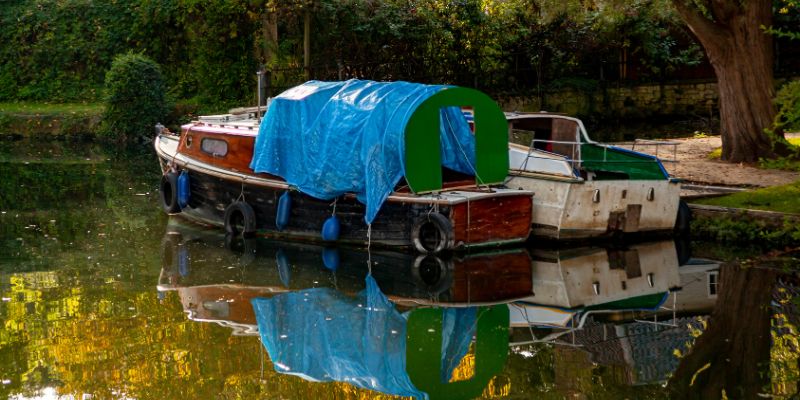
When I first pondered why tarps are blue, I figured it was just a random choice. But there’s real practicality behind it. Most blue tarps are made from polyethylene, a tough, affordable plastic. The blue color comes from adding a pigment during manufacturing, and it’s not just for show. Blue is super visible, which is key for outdoor use. Whether you’re covering a stack of lumber or protecting your grill from rain, a blue tarp stands out. I’ve tripped over enough stuff in my yard to appreciate how that visibility prevents accidents!
Blue also holds up well against the sun’s UV rays. I’ve seen blue tarps stay vibrant after months outside, unlike some colors that fade fast. Plus, blue pigment is cost-effective, letting manufacturers churn out tarps without jacking up the price. When I needed a tarp to cover my roof during a repair, the blue one was the cheapest option that still did the job. It’s no surprise they’re a favorite for homeowners and contractors alike.
A Brief History of Blue Tarps
Let’s take a step back in time. Tarps weren’t always the plastic sheets we know today. The word “tarp” comes from “tarpaulin,” a heavy canvas coated with tar for waterproofing, used by sailors to protect cargo. By the mid-20th century, polyethylene took over, and blue tarps became the standard. Why? Blue dye was cheap and widely available, making mass production easy. I remember my grandpa always had a stack of blue tarps in his shed for covering firewood or shielding his old truck from snow—they were a household staple.
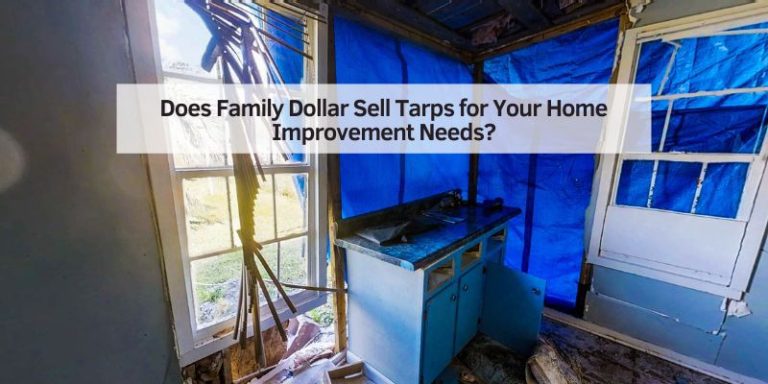
Blue tarps also became a go-to in construction and disaster relief. After storms, relief groups often hand out blue tarps to cover damaged roofs. I saw this in my town after a big hurricane, where those blue sheets became a symbol of quick recovery. Over time, blue just stuck as the default color, almost like a tradition.
Why Blue Over Other Colors?
Okay, so why aren’t tarps red, green, or yellow? Other colors exist, but blue dominates for good reason. It’s the industry standard—reliable, visible, and affordable. Green tarps blend into nature, which is great for camping but less ideal for construction sites. Silver tarps reflect heat but can be pricier, and clear tarps don’t offer UV protection. I once tried a green tarp for a backyard project, but it was hard to spot in the grass, and I quickly switched back to blue.
Here’s a quick comparison of tarp colors and their uses:
| Color | Pros | Cons | Common Uses |
|---|---|---|---|
| Blue | Visible, affordable, UV-resistant | Can absorb heat in sun | Construction, home projects |
| Green | Blends with nature | Less visible | Camping, landscaping |
| Silver | Reflects heat, durable | More expensive | Heavy-duty, heat-sensitive uses |
| Clear | Lets light through | No UV protection, less durable | Greenhouses, temporary windows |
Blue strikes the perfect balance for most folks, which is why it’s everywhere.
Manufacturing and Material Insights
Blue tarps are usually made from woven polyethylene, which is lightweight yet strong. The blue pigment is mixed into the plastic before it’s woven into sheets, ensuring the color is consistent. I learned that the weave’s tightness—measured in denier—affects durability. A higher denier means a tougher tarp. Most blue tarps also have UV inhibitors to slow sun damage, which is why mine lasted through a whole season of covering my patio furniture.
Manufacturers add grommets (those metal rings) for easy tying, and some tarps are double-coated for extra waterproofing. I’ve found that checking the thickness—usually 5 to 12 mils—helps pick the right tarp for the job. Thicker ones are pricier but worth it for heavy-duty tasks like roofing.
Blue Tarps in Home Improvement
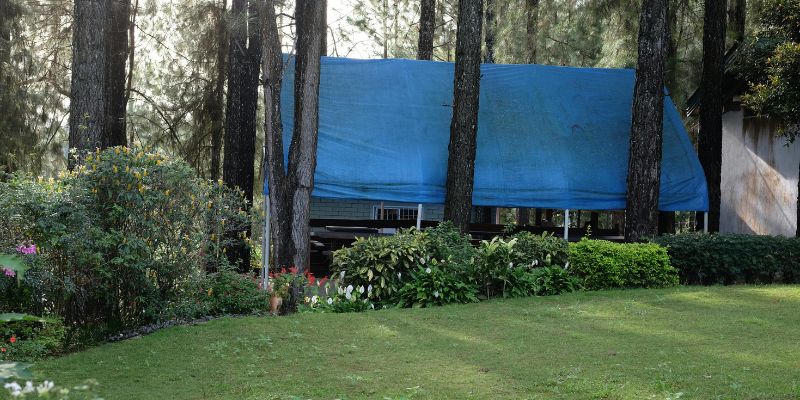
I’ve used blue tarps for all sorts of projects. They’re perfect for protecting floors during painting, covering tools on a job site, or even making a quick shelter for a backyard campout. Their versatility is unmatched—waterproof, lightweight, and easy to fold away. Once, I turned a blue tarp into a makeshift slip-and-slide for my kids, and it was a hit! But they’re not perfect. They can tear if overstretched, and they’re not breathable, so trapped moisture can be an issue. Still, for the price, they’re hard to beat.
Environmental and Cultural Impact
Blue tarps aren’t just practical—they’ve got a cultural footprint. In disaster zones, they’re often the first line of defense for damaged homes. I’ve seen neighborhoods blanketed in blue after storms, a sign of resilience. But they’re not eco-friendly. Polyethylene isn’t biodegradable, and many tarps end up in landfills. Some brands now offer recyclable options, which I’m trying to use more often to cut down on waste.
Tips for Choosing and Using Blue Tarps
Here’s what I’ve learned from using blue tarps:
- Size matters: Measure your area and add extra for overlap. A 10×12 tarp works for most small projects.
- Secure tightly: Use bungee cords or rope through the grommets to keep it in place during wind.
- Check thickness: For heavy jobs like roofing, go for 10-12 mils. Lighter tasks can use 5-7 mils.
- Store properly: Fold and keep in a dry place to avoid mildew.
I once had a tarp blow away in a storm because I didn’t tie it down well—lesson learned!
Conclusion
So, why are tarps blue? It’s a mix of practicality, cost, and tradition. Blue tarps are visible, durable, and affordable, making them a favorite for homeowners and pros alike. From their roots in sailing to their modern role in home improvement and disaster relief, they’ve earned their place as a go-to tool. I love how versatile they are, whether I’m covering a leaky roof or setting up a backyard adventure. Next time you grab a blue tarp, you’ll know there’s a lot more to that bright color than meets the eye. Got a tarp project in mind? Let me know what you’re working on!
FAQs
Why do blue tarps seem to be everywhere?
Blue tarps are everywhere because they’re affordable, visible, and durable. The blue pigment is cost-effective, and the color stands out, making it ideal for construction, home projects, and disaster relief.
Are blue tarps the only option?
Nope! Green, silver, clear, and even camouflage tarps exist. But blue is the most common due to its balance of visibility, cost, and UV resistance.
How long do blue tarps last?
It depends on use and weather. A good blue tarp can last a season or two with proper care, but heavy sun or wind can wear them out faster. I’ve had some last over a year with careful storage.
Can blue tarps be recycled?
Most blue tarps aren’t biodegradable, but some brands offer recyclable options. Check with local recycling programs—mine accepts certain polyethylene tarps if they’re clean.
What’s the best way to secure a blue tarp?
Use bungee cords or strong rope through the grommets. I make sure to tie it tightly and check it after storms to keep it secure.