Why Cover Eyes When Lighting Shabbat Candles: Essential Guide
Quick Summary: Covering your eyes when lighting Shabbat candles is a beautiful tradition that helps focus your intention and blessings on the sacred light, enhancing the spiritual experience of welcoming Shabbat.
Lighting the Shabbat candles is a cherished ritual, a moment of peace and holiness as we welcome the Sabbath day. Many of us have seen or participated in this tradition, but a specific gesture might seem a little mysterious: covering the eyes. Why do we do this? It’s a simple action with a profound purpose, designed to deepen the meaning of this special observance. If you’ve ever wondered about the reason behind this practice, you’re in the right place. We’ll break down exactly why this tradition is observed and how it can enrich your own Shabbat experience. Let’s explore this beautiful custom together!
The Meaning Behind Covering Your Eyes
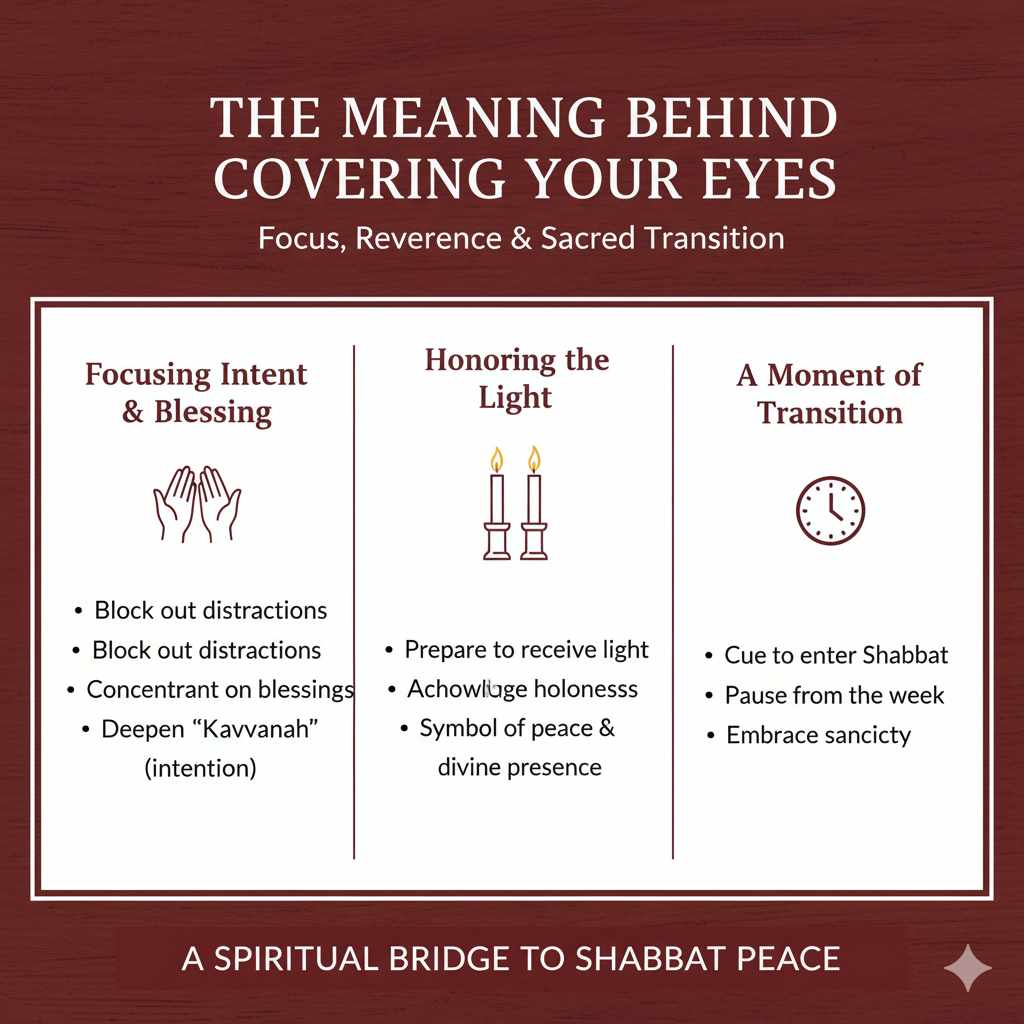
The act of covering your eyes while reciting the blessing for lighting the Shabbat candles might seem unusual at first, but it’s deeply rooted in Jewish tradition and serves a significant spiritual purpose. It’s not just a physical gesture; it’s a way to focus the mind and heart on the holiness of the moment.
Focusing Intent and Blessing
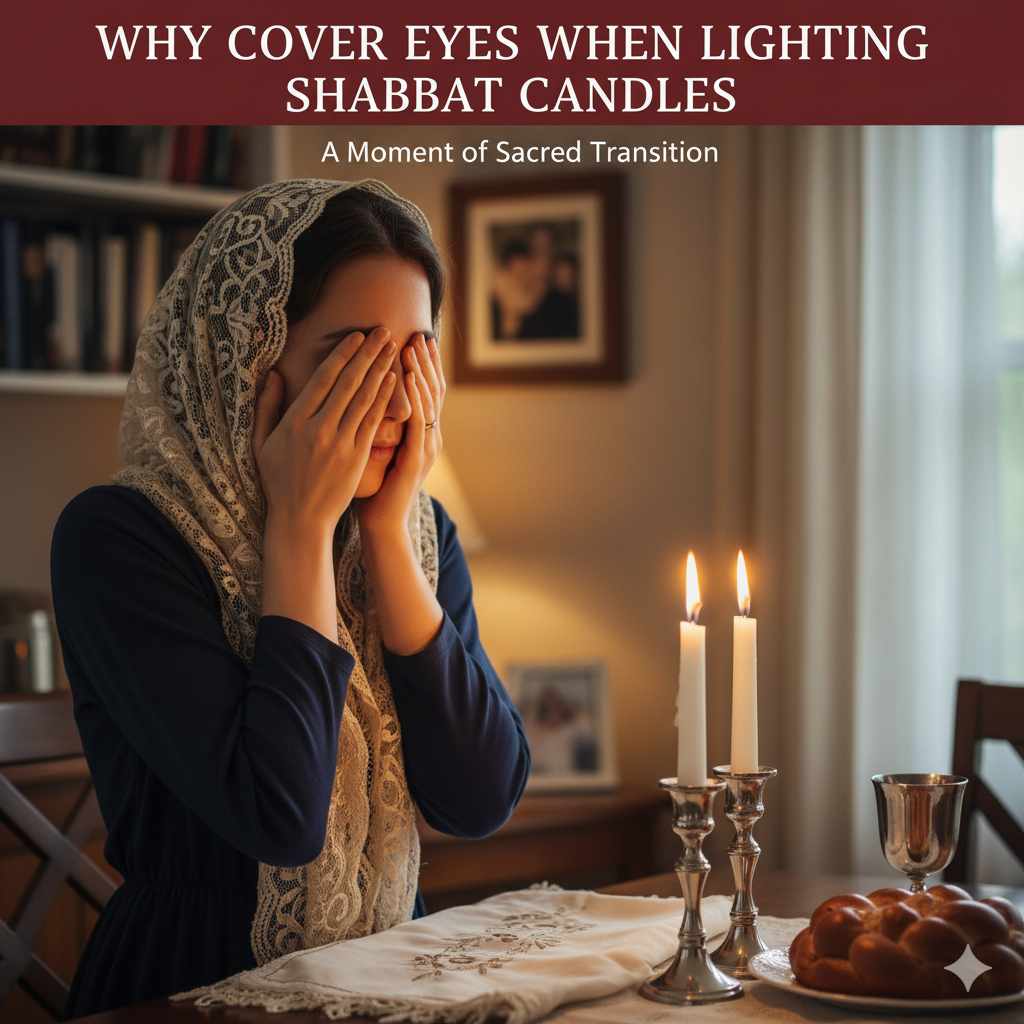
When you cover your eyes, you are essentially creating a moment of separation from the visual world. This helps to block out distractions and allows you to concentrate solely on the blessings you are about to recite and the sacred light you are about to bring into your home. This intentional focus is crucial for connecting with the spiritual essence of Shabbat. It’s like closing your eyes to truly “see” the light and its significance.
This practice encourages a deeper level of kavvanah, which is the Jewish concept of intention or devotion. By physically shielding your eyes, you are symbolically shielding your mind from worldly concerns and directing all your energy towards the spiritual act of welcoming Shabbat. This heightened focus can make the experience more meaningful and personal.
Honoring the Light
The light of the Shabbat candles represents peace, holiness, and divine presence. By covering your eyes before the blessing, you are preparing yourself to receive this light with reverence. It’s a way of acknowledging that this light is a gift, a symbol of something sacred that deserves your full attention and respect. You are not looking at the flames until you have acknowledged their holiness through your prayer and intention.
A Moment of Transition
Lighting the Shabbat candles marks the official transition from the secular week to the holy Sabbath. Covering your eyes can serve as a personal cue, a signal to your mind and spirit that you are stepping into a different realm of time and experience. It’s a pause, a breath, before fully embracing the peace and sanctity of Shabbat.
The Step-by-Step Guide to Lighting Shabbat Candles
For those new to the practice or looking for a clear guide, here’s a simple, step-by-step approach to lighting the Shabbat candles, including the tradition of covering your eyes. We’ll cover everything you need to know to perform this mitzvah (commandment) with confidence.
What You’ll Need
Before you begin, ensure you have the necessary items. This makes the process smooth and enjoyable.
- Candlesticks: Typically two or more, depending on family tradition.
- Candles: Shabbat candles, usually white. The number often corresponds to the number of people in the household or family tradition.
- Matches or Lighter: A reliable way to light the candles.
- A Safe, Stable Surface: A place to put the candlesticks that is away from flammable materials and out of reach of small children or pets.
The Ritual Steps
The timing for lighting candles is crucial – they must be lit 18 minutes before sunset on Friday. Always check your local sunset times to ensure accuracy. You can find reliable sunset times from sources like the National Institute of Standards and Technology (NIST) or other astronomical resources.
- Prepare Your Space: Place the candlesticks on your chosen stable surface, often in a prominent place in the home, like the dining room table. Ensure the area is safe and clear of any potential hazards.
- Place the Candles: Insert the Shabbat candles into the candlesticks.
- Light the Candles: Use your match or lighter to ignite the wicks of all the candles.
- Cover Your Eyes: Once the candles are lit, immediately cover your eyes with your hands. Your palms should be facing you, blocking your vision of the flames.
-
Recite the Blessing: While your eyes are covered, recite the traditional Shabbat candle blessing (Bracha):
Baruch atah Adonai Eloheinu Melech ha’olam, asher kid’shanu b’mitzvotav v’tzivanu l’hadlik ner shel Shabbat.In English, this means: “Blessed are You, Lord our God, King of the universe, Who has sanctified us with His commandments, and commanded us to kindle the light of Shabbat.”
- Uncover Your Eyes and Reflect: After reciting the blessing, slowly uncover your eyes. Gaze at the newly lit candles. This is a moment to absorb the beauty and holiness of the light. Take a few moments to reflect on the meaning of Shabbat, to offer personal prayers, or simply to enjoy the peaceful ambiance. Some people gently wave their hands in a circular motion towards themselves, drawing the light and its blessings inward.
- Enjoy Shabbat: Once the blessing is complete and you’ve taken a moment to appreciate the candles, Shabbat has officially begun. Refrain from work and enjoy the day of rest and spiritual rejuvenation.
Understanding the Blessing (Bracha)
The blessing recited while lighting the Shabbat candles is a central part of the ritual. Understanding its words and their significance can deepen your connection to the practice.
The Hebrew Text and Translation
The blessing is recited in Hebrew, as is traditional for many Jewish prayers. Here it is again, with its English translation:
Hebrew: Baruch atah Adonai Eloheinu Melech ha’olam, asher kid’shanu b’mitzvotav v’tzivanu l’hadlik ner shel Shabbat.
English: Blessed are You, Lord our God, King of the universe, Who has sanctified us with His commandments, and commanded us to kindle the light of Shabbat.
This blessing acknowledges God as the source of holiness and thanks Him for the commandment to light the Shabbat candles, which ushers in the Sabbath.
Why Recite it Before Uncovering Eyes?
The practice of reciting the blessing with eyes covered emphasizes that the blessing is not dependent on seeing the light itself, but rather on the fulfillment of the commandment. It’s about the act of performing the mitzvah and the intention behind it, rather than the visual spectacle of the flames. Once the commandment is fulfilled (by lighting and reciting the blessing), you then open your eyes to appreciate the sacred light you have brought forth.
Variations and Traditions
While the core practice of lighting Shabbat candles is universal, there are some variations in traditions, especially regarding the number of candles and the specific customs followed by different families and communities.
Number of Candles
The most common practice is to light two candles, symbolizing the two commandments to “remember” (Zachor) and “observe” (Shamor) Shabbat, as found in the Ten Commandments. However, many families add an extra candle for each child, or follow other customs. For example, some women light an additional candle for each month of pregnancy, or for the well-being of loved ones.
The Gesture of Waving Hands
After uncovering your eyes and gazing at the candles, some people gently wave their hands in a circular motion towards themselves. This gesture is symbolic of drawing the light and its blessings – peace, holiness, and joy – into oneself and one’s home. It’s a beautiful, personal way to internalize the sanctity of Shabbat.
When to Light
As mentioned, candles must be lit 18 minutes before sunset on Friday. This timing is crucial for observing the sanctity of Shabbat from its very beginning. The candles should remain lit throughout the meal and into the evening.
The Spiritual Significance of Shabbat Candlelight
The light of the Shabbat candles is more than just illumination; it carries profound spiritual meaning within Judaism. It’s a symbol that illuminates our homes and our lives with holiness and peace.
Symbolism of Light
Light is a universal symbol of divinity, wisdom, and goodness. In Jewish tradition, the Shabbat candles specifically represent:
- Peace (Shalom): The gentle glow is said to bring a sense of calm and harmony to the home.
- Holiness (Kedusha): They mark the transition to the holy day of Shabbat.
- Joy (Simcha): The warmth of the light can foster feelings of happiness and celebration.
- Divine Presence (Shechinah): The light is seen as a manifestation of God’s presence in the home.
A Source of Blessings
According to tradition, the home is filled with extra blessings when the Shabbat candles are lit. It’s considered a particularly auspicious time for personal prayers, especially for women, who traditionally light the candles. This is why some people pause after uncovering their eyes to offer personal petitions or prayers for their family and loved ones.
Creating a Sacred Atmosphere
The physical act of lighting candles and reciting the blessing transforms the ordinary space of a home into a sanctuary for Shabbat. The soft, warm light creates a distinct atmosphere, signaling a departure from the activities of the week and inviting a time of rest, reflection, and spiritual connection.
Practical Tips for Beginners
Starting any new tradition can feel a little daunting, but lighting Shabbat candles is designed to be accessible and deeply rewarding. Here are some practical tips to help you feel confident:
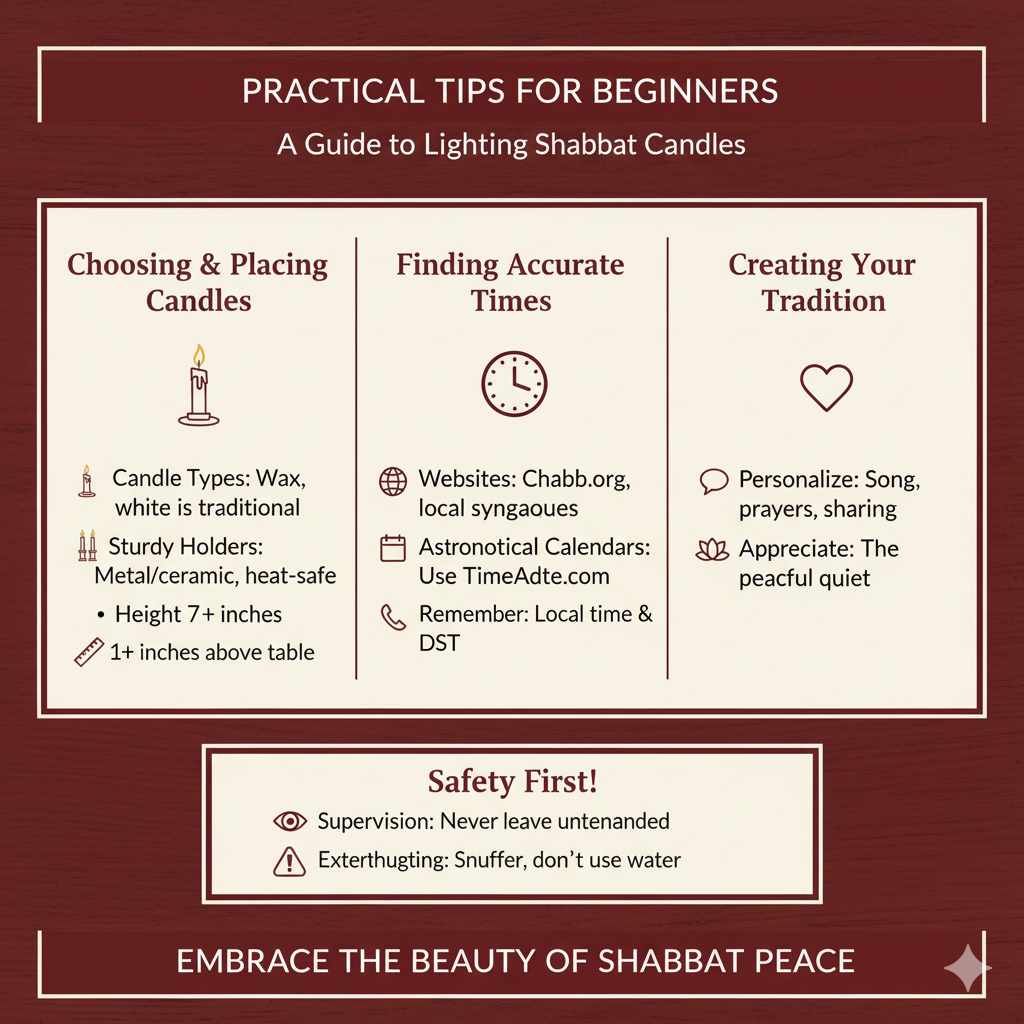
Choosing Your Candles and Holders
- Candle Types: You can find Shabbat candles at most Judaica stores or online. They are typically made of wax and come in various colors, though white is traditional. Avoid candles that drip excessively.
- Holder Safety: Ensure your candlesticks are sturdy and won’t tip over easily. They should also be heat-resistant. Metal or ceramic holders are good choices.
- Height Matters: The flame should ideally be at least 7 inches above the table surface to prevent accidental burns.
Finding Reliable Sunset Times
Accurate sunset times are essential for lighting the candles at the correct moment. Websites like Chabad.org or local synagogue sites often provide weekly Shabbat times for specific cities. You can also use general astronomical calendars, ensuring you account for your local time zone and any applicable daylight saving time adjustments. For example, the Time and Date website offers precise sunrise and sunset information for any location.
Creating Your Own Tradition
While there’s a set blessing, feel free to personalize the moments before and after. You might:
- Sing a song: A simple Shabbat song can be lovely.
- Offer personal prayers: Pray for family, friends, or specific intentions.
- Share a thought: Briefly discuss the meaning of Shabbat with your family.
- Appreciate the quiet: Simply enjoy the peacefulness the candles bring.
Safety First!
Always prioritize safety:
- Supervision: Never leave lit candles unattended, especially if young children or pets are present.
- Placement: Keep candles away from curtains, paper, or any flammable materials.
- Extinguishing: Use a candle snuffer or gently blow them out after Shabbat has concluded. Never use water.
FAQ: Your Questions Answered
Here are some common questions beginner’s might have about covering eyes when lighting Shabbat candles.
Q1: Why do we cover our eyes when lighting Shabbat candles?
A: We cover our eyes to focus our intention (kavvanah) on the blessing and the holiness of Shabbat, separating ourselves from visual distractions before acknowledging the sacred light.
Q2: When exactly should I cover my eyes?
A: You cover your eyes immediately after lighting the candles, before reciting the blessing.
Q3: Do I have to cover my eyes?
A: While covering your eyes is a widespread and cherished custom that enhances focus, it’s not a universally binding law for everyone. However, it is widely practiced and highly recommended for its spiritual benefits.
Q4: What if I forget to cover my eyes?
A: If you forget to cover your eyes, you can still say the blessing. Many people find it helpful to practice the full sequence to build the habit. Don’t worry too much; the intention to observe Shabbat is the most important part.
Q5: Can I look at the candles while saying the blessing?
A: The custom is to cover your eyes during the blessing. You then uncover them after the blessing to gaze upon the light and absorb its sanctity.
Q6: Who lights the candles?
A: Traditionally, women and girls light the Shabbat candles. However, in modern practice, men and boys also light them, especially in households where there isn’t a woman or girl present, or according to family custom.
Q7: What is the blessing for lighting Shabbat candles?
A: The blessing is: Baruch atah Adonai Eloheinu Melech ha’olam, asher kid’shanu b’mitzvotav v’tzivanu l’hadlik ner shel Shabbat. (Blessed are You, Lord our God, King of the universe, Who has sanctified us with His commandments, and commanded us to kindle the light of Shabbat.)
Conclusion
The practice of covering your eyes when lighting Shabbat candles is a beautiful and meaningful tradition that adds depth and focus to the sacred act of welcoming the Sabbath. It’s a simple yet powerful way to set aside the concerns of the week and immerse yourself in the peace and holiness of Shabbat. By understanding the symbolism, following the steps with intention, and prioritizing safety, you can confidently incorporate this custom into your own Shabbat observance.
Remember, the goal is to create a spiritual connection, a moment of reflection, and a warm, inviting atmosphere for the Sabbath. Whether you’re lighting two candles or more, reciting the blessing in Hebrew or English, the essence lies in the intention and the love you bring to this mitzvah. May the light of the Shabbat candles bring peace, joy, and blessings to your home throughout the year. Shabbat Shalom!