Why Do Salt Lamps Melt: A Complete Guide to Understanding and Preventing It
Hey there! Have you ever noticed your salt lamp looking a bit… sweaty? Maybe it’s leaving a damp spot on your table, and you’re wondering, “Why do salt lamps melt?” I’ve been there too, staring at my Himalayan salt lamp and scratching my head when I saw it getting wet. As a home decor enthusiast who’s spent years experimenting with these glowing beauties, I’ve learned a lot about why salt lamps seem to melt and how to keep them in tip-top shape.
They’re not just pretty lights—they’re unique pieces that can transform a room’s vibe. In this article, I’m sharing everything I’ve discovered about why salt lamps melt, how to prevent it, and how to care for them properly. Let’s dive in and solve this salty mystery together!
What Are Himalayan Salt Lamps and Why Are They Special?
Let’s start with the basics. Himalayan salt lamps are made from chunks of pink salt mined from the Himalayan mountains, usually in Pakistan. I got my first one years ago because I loved the warm, pinkish glow it gave my living room. These lamps are carved into beautiful shapes, fitted with a bulb inside, and placed on a wooden or stone base. They’re not just decor—they’re said to purify air and promote calm, though I’ll admit the science on that is a bit fuzzy.
What makes them special is their natural salt composition. The salt is hygroscopic, which means it attracts water from the air. That’s why they can feel damp or even look like they’re melting. I noticed this with my lamp during a humid summer—it was like it was crying! Understanding this property is key to figuring out why they melt and how to manage it.
Why Do Salt Lamps Appear to Melt?
When I first saw my salt lamp looking wet, I thought it was broken. But it’s not really melting—it’s just reacting to moisture. Himalayan salt is naturally water-attracting, so it pulls in water vapor from the air. In humid conditions, that water collects on the lamp’s surface, making it look like it’s sweating or melting.
I’ve seen this happen more in rooms with poor ventilation, like my bathroom, where I once (mistakenly) placed a salt lamp. The moisture can dissolve small amounts of the salt, creating a damp, slightly sticky surface. If left unchecked, it can drip onto furniture, leaving a salty residue. The bulb’s heat can help evaporate some of this moisture, but if the humidity is too high, the lamp can’t keep up. That’s when you notice the “melting” effect.
Common Causes of Salt Lamp Melting
After dealing with a few damp lamps, I’ve pinned down the main reasons they seem to melt. Humidity is the biggest culprit. In areas with high humidity—like near the coast or during summer—salt lamps absorb more water. My friend in Florida had to move her lamp because it was practically a puddle in her humid living room!
Poor ventilation makes it worse. If air doesn’t circulate, moisture builds up around the lamp. I noticed this in my basement, where the air felt stale. Another cause is leaving the lamp off for too long. The bulb’s heat helps dry the salt, so if it’s off in a humid room, water collects faster. Placing the lamp near water sources, like a kitchen sink or a humidifier, is another mistake I made early on. Lastly, low-quality lamps or those with thin salt layers can “melt” faster because they have less material to absorb moisture.
Here’s a quick table I made to summarize these causes:
| Cause | Why It Happens | How to Fix It |
|---|---|---|
| High Humidity | Salt attracts water vapor | Trapped moisture around the lamp |
| Poor Ventilation | Keep lamp on or use a higher-wattage bulb | Improve airflow, use fans |
| Lamp Turned Off | No heat to evaporate moisture | Move the lamp to a dry location |
| Near Water Sources | Extra moisture from sinks or humidifiers | Move lamp to a dry location |
| Low-Quality Lamp | Thin salt dissolves faster | Buy from reputable brands |
How to Prevent Your Salt Lamp from Melting
Preventing that melty look is easier than you might think. I’ve tried a bunch of tricks to keep my lamps dry and glowing. First, keep your lamp in a low-humidity room. I moved mine from the bathroom to my living room, and the difference was night and day. If you live in a humid area, a dehumidifier is a game-changer. I got a small one for my bedroom, and my lamp stays dry even in summer.
Turn the lamp on regularly. The bulb’s heat evaporates moisture, keeping the salt dry. I leave mine on for a few hours each day, and it helps a lot. If your lamp came with a low-wattage bulb, try a slightly higher one—say, 25 watts instead of 15—to boost drying power. Just check the manufacturer’s guidelines to avoid overheating.
Ventilation is key too. I keep a small fan in rooms with salt lamps to keep air moving. It doesn’t have to be fancy—just enough to prevent stale air. Also, place your lamp away from kitchens, bathrooms, or humidifiers. I learned this after my lamp got damp near my coffee maker. Finally, put a tray or mat under the lamp to catch any drips. I use a cork coaster, and it saves my furniture from salty stains.
Choosing the Right Location for Your Salt Lamp
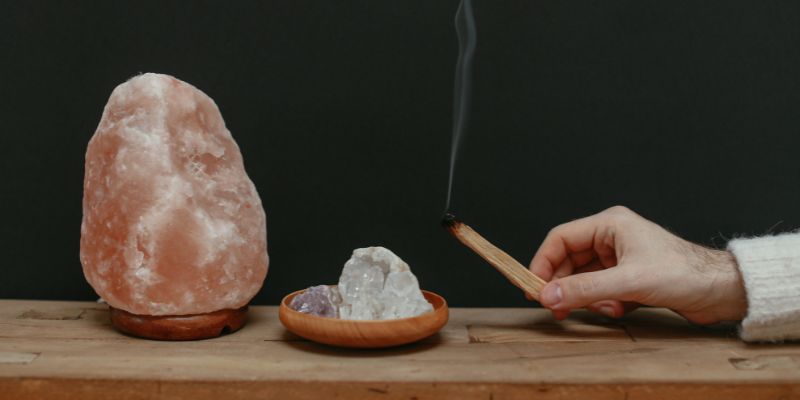
Where you put your salt lamp makes a huge difference. I’ve experimented with placement over the years, and some spots work better than others. A dry, well-ventilated room is ideal. My living room, with its open windows and steady airflow, is perfect. Bedrooms work well too, as long as you don’t have a humidifier running nearby.
Avoid damp areas like basements or laundry rooms. I tried keeping a lamp in my basement, and it was a mess—with constant dripping. Elevate the lamp on a sturdy, dry surface, like a wooden table, and keep it away from edges where it could get knocked over. I once placed a lamp too close to a window, and rainwater from an open sill made it worse. If you’re using multiple lamps, space them out to avoid creating a humid microclimate.
Caring for Your Salt Lamp to Avoid Melting
Taking care of a salt lamp is simple, but it takes a little effort. I’ve learned a few tricks to keep mine looking great. Wipe it down regularly with a dry or slightly damp cloth to remove dust and moisture. I do this weekly, and it keeps the salt clean. Never soak the lamp or use too much water—it’ll dissolve the salt!
If your lamp gets wet, turn it on for a few hours to dry it out. I had a lamp start “sweating” during a humid week, and leaving it on overnight fixed it. Check the bulb and base for corrosion, especially if the lamp’s been damp. I replace bulbs every year or so to keep them working well. Store the lamp in a dry place if you’re not using it, like a closet with a silica gel packet.
Choosing a High-Quality Salt Lamp
Not all salt lamps are the same, and I’ve learned that quality matters. Cheap lamps are often thinner or poorly carved, which makes them more likely to “melt.” I bought a budget lamp once, and it started dissolving in just a few months. Look for lamps from reputable brands that use pure Himalayan salt. They’re denser and hold up better.
Check the weight and thickness. A good lamp feels heavy and solid—mine weighs about 10 pounds for a medium size. The base should be sturdy, preferably wood or stone, to keep moisture off the bottom. I prefer lamps with dimmable switches, so I can control the heat and light. Avoid lamps with painted or coated surfaces—they can trap moisture and make melting worse.
The Role of Bulbs in Preventing Melting
The bulb in your salt lamp does more than just light it up. I’ve found that the right bulb can make or break how well your lamp handles moisture. Most lamps come with a 15-watt incandescent bulb, but I’ve swapped mine for a 25-watt one in humid months. The extra heat helps evaporate water faster.
LED bulbs are tricky. They’re energy-efficient but don’t produce enough heat to dry the salt. I tried an LED in my lamp, and it got damp quickly. Stick with incandescent or halogen bulbs for best results. Check the socket for corrosion regularly—moisture can creep in and cause problems. I keep spare bulbs on hand so I can swap them out quickly if needed.
Dealing with a Melting Salt Lamp
If your lamp is already looking melty, don’t panic—I’ve been there! First, unplug it and wipe it down with a dry cloth to remove excess moisture. If it’s dripping, place a tray underneath to protect your furniture. I used a plastic placemat when my lamp got wet, and it worked great.
Turn the lamp on for several hours to dry it out. If it’s really bad, move it to a drier room or run a dehumidifier nearby. I had to do this during a rainy week, and it saved my lamp. If the salt has dissolved significantly, you might need to replace it. I retired one lamp after it lost too much shape, but I kept the base for a new one.
Environmental Factors and Salt Lamps
Your home’s environment plays a big role in whether your lamp “melts.” I live in a fairly humid area, so I’ve had to get creative. Coastal regions or places with rainy seasons are tough on salt lamps. My cousin in Seattle struggles with hers because of the constant dampness.
Indoor factors matter too. Kitchens and bathrooms are usually too humid, while air-conditioned rooms are often better. I keep my AC on during summer, and it helps my lamps stay dry. If you use a humidifier, keep it far from the lamp—I learned this after mine got soggy near a humidifier in my bedroom. Outdoor salt lamps are a no-go unless they’re in a fully enclosed, dry space.
Are There Alternatives to Himalayan Salt Lamps?
If melting is a constant issue, you might wonder if there’s a better option. I’ve explored a few alternatives that give a similar vibe without the moisture problems. Ceramic or glass diffusers with warm lights mimic the glow of salt lamps. I have a ceramic one in my office, and it’s low-maintenance.
Selenite lamps are another option. They’re made from a different mineral that’s less prone to absorbing water. I tried one, and it’s beautiful, though it lacks the pink hue of salt. LED mood lights can also replicate the ambiance without any melting risk. They’re not as natural, but they’re super easy to care for.
Common Mistakes to Avoid with Salt Lamps
I’ve made plenty of mistakes with my salt lamps, so let me save you some trouble. Don’t place them in humid rooms like bathrooms or kitchens—I learned this the hard way when my lamp turned into a puddle. Avoid leaving the lamp off for days in humid weather—the bulb’s heat is your friend.
Don’t use water to clean the lamp. I once tried wiping mine with a wet cloth, and it started dissolving! Stick to dry or barely damp cloths. Buying cheap lamps is another mistake—they’re often low-quality and melt faster. Finally, don’t ignore drips. They can damage furniture or floors, so always use a protective mat.
Long-Term Benefits of Proper Salt Lamp Care
Taking care of your salt lamp pays off. I’ve had my favorite lamp for over five years, and it still looks amazing because I keep it dry and clean. A well-maintained lamp can last decades, adding warmth and beauty to your home. Plus, preventing melting saves you from replacing lamps or cleaning up salty messes.
Regular care also means you get to enjoy the lamp’s glow without worry. I love how mine makes my living room feel cozy, especially on chilly nights. By keeping humidity low and the bulb on, you’ll get the most out of your lamp’s ambiance and charm.
Bringing It All Together
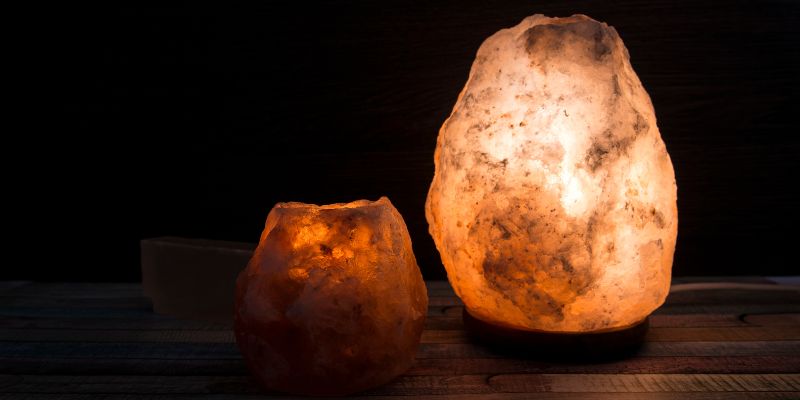
Himalayan salt lamps are more than just decor—they’re a unique way to light up your home and create a soothing vibe. But that “melting” issue can be a real headache if you don’t know how to handle it. From my years of trial and error, I’ve learned that humidity, placement, and care are the keys to keeping your lamp dry and glowing. Choose a quality lamp, place it in a dry, well-ventilated spot, and keep that bulb on to fight moisture. With a little attention, your salt lamp can be a stunning centerpiece for years to come. So, let’s keep those lamps shining bright and leave the melting worries behind!
Frequently Asked Questions
Why does my salt lamp get wet?
It’s not really melting—it’s attracting water from the air because salt is hygroscopic. High humidity makes it worse. Keep it in a dry room and turn it on regularly to evaporate moisture.
Can I use an LED bulb in my salt lamp?
You can, but I don’t recommend it. LEDs don’t produce enough heat to dry the salt, which can lead to more “melting.” Stick with incandescent or halogen bulbs.
How do I clean a salt lamp without making it melt?
Use a dry or slightly damp cloth to wipe off dust. Never soak it or use too much water—it’ll dissolve the salt. I clean mine weekly to keep it looking nice.
Where should I place my salt lamp to avoid melting?
Put it in a dry, well-ventilated room like a living room or bedroom. Avoid humid spots like bathrooms, kitchens, or basements. I keep mine on a wooden table away from windows.
Can I stop my salt lamp from dripping?
Yes! Keep it in a low-humidity room, run it daily, and use a dehumidifier if needed. Place a tray or mat underneath to catch any drips, like I do with a cork coaster.
Are some salt lamps better at resisting moisture?
Higher-quality lamps from reputable brands are denser and thicker, so they “melt” less. My heavy 10-pound lamp holds up much better than a cheap one I tried.
What do I do if my salt lamp is already melting?
Unplug it, wipe it dry, and turn it on for a few hours to evaporate moisture. Move it to a drier room or use a dehumidifier. If it’s badly dissolved, consider replacing it.