Why Do Some LED Bulbs Flicker?
Hey there! Imagine we’re chilling in your garage, working on a car under the bright glow of LED lights. They’re energy-efficient, long-lasting, and perfect for automotive spaces. But then, one starts to flicker, and it’s driving you nuts. Ever wondered why some LED bulbs flicker? As someone who’s dug deep into this for my automotive blog, I’ve dealt with flickering LEDs in my own workshop. It’s a common issue, but it’s fixable. Let’s dive into the reasons behind the flicker, how it affects your workspace, and what you can do about it. Grab a seat, and let’s shed some light on this!
What Is LED Flickering, and Why Does It Matter?
First off, let’s talk about what flickering means. It’s when an LED bulb flashes on and off quickly, like a tiny strobe light. Sometimes it’s obvious, like a disco effect. Other times, it’s subtle, and you might not even notice it consciously. But your eyes can still feel the strain.
In a garage or automotive shop, flickering LEDs are more than annoying. They can mess with your focus when you’re wrenching on an engine or detailing a car. I’ve had a flickering bulb make it hard to see tiny bolts clearly, and it gave me a headache after an hour. Plus, flickering can signal an underlying issue that needs fixing to keep your lights working right. Understanding why it happens is the first step to a flicker-free workspace.
How LEDs Work and Why They Might Flicker
To get why LEDs flicker, let’s look at how they work. Unlike old incandescent bulbs, which glow steadily from a heated filament, LEDs use a semiconductor to produce light. They need a driver—a little electronic circuit—to convert household AC (alternating current) to DC (direct current) for the bulb.
Flickering often happens when this conversion isn’t smooth. AC power cycles 60 times per second in the USA, and if the driver doesn’t stabilize it properly, the LED can pulse, causing a flicker. I noticed this in my garage when I swapped in a cheap LED bulb—it flickered like crazy because the driver was low-quality. Knowing this helped me pick better bulbs later.
Common Causes of LED Bulb Flickering
There are several reasons LEDs flicker, and I’ve run into most of them while upgrading my workshop lighting. Let’s break down the main culprits so you can spot the issue in your setup.
Incompatible Dimmers
A big reason for flickering is using LEDs with the wrong dimmer switch. Most dimmers are designed for incandescent bulbs, which handle dimming differently. LEDs need special dimmers labeled “LED-compatible.” I had an old dimmer in my garage that made my new LEDs flicker like a bad horror movie. Switching to an LED-compatible dimmer fixed it instantly.
Low-Quality LED Bulbs
Not all LEDs are created equal. Cheap bulbs often have poor drivers that can’t handle power fluctuations well. I learned this when I bought a bargain-bin LED for my workbench. It flickered under heavy use, and I ended up replacing it with a reputable brand. Quality matters—stick to trusted names like Philips, Cree, or GE for automotive lighting.
Voltage Fluctuations
Your home or garage’s electrical system can cause flickering if the voltage isn’t steady. This happens if you’re running heavy tools, like an air compressor, on the same circuit as your lights. I noticed my LEDs flickering when I fired up my welder. A dedicated circuit for lighting solved the problem.
Loose Connections
Loose wiring or a poorly seated bulb can also cause flickering. If the bulb isn’t screwed in tightly or the socket has a bad connection, the power flow gets interrupted. I had a flickering bulb that stopped when I gave it a firm twist into the socket. Check those connections before assuming it’s a bigger issue.
Overloaded Circuits
If your circuit is overloaded with too many devices, the LEDs might not get enough power, leading to flickering. In my shop, I was running lights, a fan, and a charger on one circuit, and the LEDs started acting up. Spreading the load across multiple circuits fixed it.
Temperature Issues
LEDs are sensitive to heat. If they overheat, the driver can malfunction, causing flickering. This is rare in well-ventilated spaces, but in a hot garage with poor airflow, it can happen. I keep a fan running in my shop during summer to keep my LEDs cool and steady.
How Flickering Affects Automotive Work
Flickering LEDs can make automotive tasks tougher. When I’m working on a car, I need steady light to see details, like a small scratch on a paint job or a tricky bolt in the engine bay. Flickering lights make it hard to focus, and the strobe effect can cause eye strain or headaches. In a professional shop, it could even slow down your work or lead to mistakes.
For example, I was polishing a car’s hood under a flickering LED, and the pulsing light made it hard to spot swirl marks. Switching to a stable bulb made the job so much easier. Steady lighting is crucial for precision and safety, whether you’re a DIYer or a pro mechanic.

How to Diagnose the Cause of Flickering
Figuring out why your LED is flickering is like being a detective. Here’s how I troubleshoot in my garage:
First, check if the bulb is tight in the socket. A quick twist might fix it. Next, test the bulb in a different socket to rule out a bad fixture. If it still flickers, try a different bulb in the same socket to see if the bulb itself is the problem.
If you’re using a dimmer, check if it’s LED-compatible. Look at the dimmer’s box or manual—it should say “LED” or “CFL/LED.” For voltage issues, use a multimeter to check if the socket’s getting steady 120V power. If you suspect an overloaded circuit, unplug other devices and see if the flickering stops.
I had a bulb that flickered only when my air compressor ran. Moving the compressor to another circuit solved it. Narrowing down the cause takes patience, but it’s worth it to get steady light.
Fixing LED Flickering: Step-by-Step Solutions
Once you know the cause, fixing the flicker is usually straightforward. Here are the solutions I’ve used:
Swap Out Incompatible Dimmers
If your dimmer isn’t LED-compatible, replace it with one that is. I swapped my old dimmer for a Lutron LED dimmer, which cost about $25. Turn off the power at the breaker, remove the old dimmer, and connect the new one’s wires (black to black, white to white, ground to ground). It took me 20 minutes, and my LEDs stopped flickering.
Upgrade to Quality LED Bulbs
If a cheap bulb is the issue, replace it with a high-quality one. Look for bulbs with a good driver and a high flicker-free rating (check the box for “flicker-free” or “high power factor”). I spent $10 on a Philips LED bulb, and it’s been rock-solid in my garage.
Stabilize Voltage
For voltage fluctuations, consider a dedicated circuit for your lighting. I hired an electrician to add one for $200, but it was worth it for steady lights. If that’s not an option, avoid running heavy tools on the same circuit as your LEDs.
Tighten Connections
Check all connections—bulb in socket, socket in fixture, and wires in the junction box. I found a loose wire nut in my ceiling fixture once, and tightening it stopped the flicker. Always turn off the power before poking around.
Balance the Circuit Load
If your circuit’s overloaded, unplug non-essential devices or spread them across other circuits. I moved my shop vac to a different outlet, and my lights stayed steady. A power strip with a built-in breaker can also help manage loads.
Improve Ventilation
If heat’s the issue, add a fan or improve airflow in your garage. I keep a small fan near my workbench to keep my LEDs cool during long projects. It’s a simple fix that works.
Choosing Flicker-Free LED Bulbs for Automotive Use
When buying LEDs for your garage or shop, pick ones designed to avoid flickering. Look for these features:
- High Power Factor: A power factor above 0.9 means the bulb handles power efficiently, reducing flicker.
- Flicker-Free Label: Some brands advertise “flicker-free” or “low flicker” bulbs.
- Reputable Brands: Stick to trusted names like Cree, Philips, or Sylvania. They invest in quality drivers.
- Dimmable Options: If you use a dimmer, ensure the bulb is labeled “dimmable” and matches your dimmer type.
I went with Cree 100W-equivalent LEDs (800 lumens) for my garage. They’re bright, flicker-free, and perfect for automotive work. Check the lumens, too—800-1,500 per bulb is great for detailed tasks.
The Role of LED Drivers in Preventing Flickering
The driver is the heart of an LED bulb. It’s a small circuit that converts AC to DC and regulates power. A good driver smooths out the 60Hz AC cycle, preventing flicker. Cheap drivers skimp on this, leading to pulsing light.
When I opened up a flickering bulb (carefully, with power off), I saw a tiny, low-quality driver board. Higher-end bulbs have beefier drivers with better components. If you’re buying for a shop, look for bulbs with a high flicker-free rating or “constant current” drivers. It’s a small detail that makes a big difference.
How Flickering Impacts Your Health and Work
Flickering LEDs aren’t just annoying—they can affect your health. Even subtle flickering can cause eye strain, headaches, or fatigue. I felt this after a long night under a flickering bulb; my eyes were tired, and I was grumpy. In rare cases, flickering can trigger migraines or seizures in sensitive people.
For automotive work, steady light is critical. Flickering can make it hard to see fine details, like a crack in a hose or a smudge on a car’s finish. In my shop, I need clear light to spot flaws when polishing or assembling parts. Fixing the flicker made my work faster and more accurate.
Comparing LED Flickering to Other Bulb Types
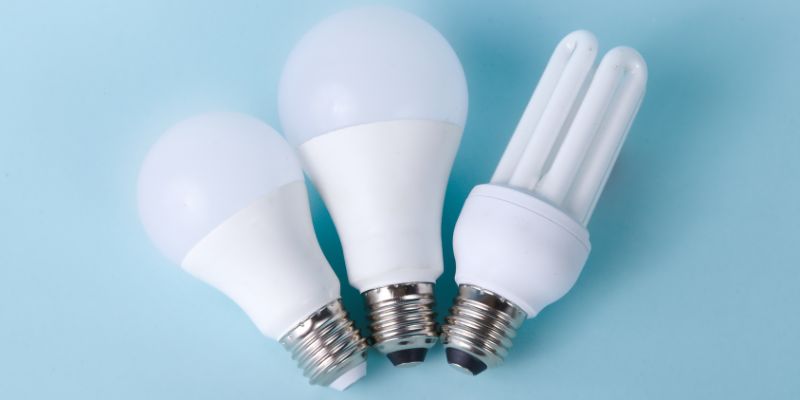
LEDs aren’t the only bulbs that flicker, but they’re trickier than older types. Incandescent bulbs rarely flickered because their filament glowed steadily. Fluorescent tubes, though, are notorious for flickering, especially when old. I had fluorescent shop lights years ago, and their hum and flicker drove me crazy.
LEDs flicker less than fluorescents when designed well, but their reliance on drivers makes them sensitive to dimmers and power issues. Understanding this helped me appreciate why my LEDs needed extra care compared to the old bulbs I used to use.
Here’s a table to compare:
| Bulb Type | Flickering Tendency | Common Causes | Fix Difficulty |
|---|---|---|---|
| Incandescent | Rare | Loose connections | Easy |
| Fluorescent | Common | Old tubes, bad ballasts | Moderate |
| LED | Moderate | Bad drivers, incompatible dimmers | Moderate |
Preventing Flickering in New LED Installations
If you’re setting up new LEDs in your garage or shop, you can avoid flickering from the start. Here’s what I do:
- Buy high-quality, flicker-free LEDs from trusted brands.
- Use LED-compatible dimmers if you want dimming.
- Install a dedicated circuit for lighting to avoid voltage drops.
- Check that all connections are tight and secure.
- Ensure good ventilation to keep LEDs cool.
When I redid my shop’s lighting, I planned ahead with these steps. The result? Bright, steady light that makes working on cars a breeze.
When to Call a Professional
Most flickering issues are DIY-fixable, but sometimes you need help. If you’ve tried everything—new bulbs, compatible dimmers, tight connections—and the flickering persists, call an electrician. Complex wiring issues, like faulty circuits or grounding problems, need a pro. I called one when my shop’s flickering didn’t stop after new bulbs; it turned out to be a bad junction box connection.
Electricians cost $50-$150 per hour, but it’s worth it for safety and peace of mind. Don’t mess with electricity if you’re unsure—it’s not worth the risk.
Why This Matters for Automotive Enthusiasts
As a car guy, I know how much good lighting matters. Whether you’re restoring a classic Mustang or detailing a daily driver, steady light is a game-changer. Flickering LEDs can ruin your focus and make precision work harder. Fixing the flicker means better visibility, fewer mistakes, and a more enjoyable time in the garage.
I remember struggling to see a tiny scratch under a flickering bulb. Once I fixed the issue, my work got faster, and the results looked better. It’s a small fix with a big impact for any automotive space.
Conclusion: Keep Your Garage Flicker-Free
Wow, we’ve covered a lot! From understanding why some LED bulbs flicker to fixing the problem, you now have the tools to keep your garage or shop brightly lit. Whether it’s a bad dimmer, a cheap bulb, or a voltage issue, you can diagnose and solve most flickering problems yourself. Quality LEDs, proper dimmers, and stable power are the keys to steady, reliable light.
I hope this guide lit up your curiosity as much as it did mine. Next time you’re working on your car, you’ll appreciate the steady glow of flicker-free LEDs. It’s a small change that makes a huge difference in your automotive projects. So, grab a quality bulb, check your setup, and keep your workspace shining bright. Happy wrenching!
FAQs
Why do my LED bulbs flicker when I dim them?
Your dimmer might not be LED-compatible. Old dimmers designed for incandescent bulbs cause LEDs to flicker. Swap it for an LED-compatible dimmer to fix the issue.
Can a cheap LED bulb cause flickering?
Yes, cheap LEDs often have low-quality drivers that don’t handle power well. This leads to flickering. Buy bulbs from trusted brands like Philips or Cree for better performance.
How do I know if my circuit is causing LED flickering?
If flickering happens when you run heavy tools, your circuit might be overloaded or have voltage fluctuations. Try unplugging other devices or using a multimeter to check voltage stability.
Is LED flickering bad for my health?
Flickering can cause eye strain, headaches, or fatigue. In rare cases, it may trigger migraines or seizures. Fixing the flicker improves comfort and safety in your workspace.
Can I fix LED flickering myself?
Most flickering issues—like loose bulbs, bad dimmers, or cheap LEDs—are DIY-fixable. Tighten connections, use quality bulbs, or install an LED-compatible dimmer. Call an electrician for complex wiring problems.