Why Does a Toilet Whistle When Flushed? Unraveling the Mystery Behind This Annoying Sound
Have you ever flushed your toilet and heard an odd whistling sound? It’s like the toilet is trying to sing, but it’s more annoying than musical. I’ve been there, standing in my bathroom, wondering why my toilet is making that high-pitched noise. It’s not just a quirky quirk—it can be a sign that something’s wrong. After digging into this issue for my own home and helping friends troubleshoot theirs, I’ve learned a lot about what causes a toilet to whistle and how to fix it. In this article, I’ll walk you through the reasons behind that pesky whistle, how to diagnose it, and what you can do to make your bathroom quiet again. Whether you’re a DIY enthusiast or just curious, I’ve got you covered with simple explanations and practical tips.
Let’s dive into the world of toilet mechanics and figure out why your toilet is whistling when flushed. Trust me, it’s not as complicated as it sounds, and by the end of this, you’ll feel like a plumbing pro!
What Causes a Toilet to Whistle?
When I first heard my toilet whistle, I thought it was a fluke. But after some research and hands-on tinkering, I found out there are a few common culprits. The whistling usually comes from water moving through a restricted or faulty part of the toilet’s system. Let’s break down the main reasons why this happens.
The most common cause is a problem with the fill valve, which controls the water flowing into the tank after a flush. If the valve is old, clogged, or not working right, water struggles to pass through, creating that whistling sound. Think of it like blowing air through a straw—if the straw is pinched, you get a high-pitched noise. Another possible issue is a faulty ballcock, a part in older toilets that can wear out and cause similar problems. Sometimes, debris or mineral buildup in the pipes can narrow the water flow, leading to that annoying whistle. Lastly, high water pressure or a partially closed shut-off valve can also be to blame.
Each of these issues messes with how water moves through your toilet, and that’s what creates the sound. Let’s explore each one in more detail so you can pinpoint what’s going on in your bathroom.
The Role of the Fill Valve in Whistling
The fill valve is like the heart of your toilet’s tank. It’s the part that lets water back into the tank after you flush. When I first opened my toilet tank to investigate the whistling, I was surprised at how simple the setup was. But if the fill valve is faulty, it can cause all sorts of noises, including that high-pitched whistle.
A worn-out or damaged fill valve restricts water flow, forcing it through a smaller opening. This creates turbulence, which makes the whistling sound. Over time, the seals or washers inside the valve can degrade, especially if you have hard water with lots of minerals. I noticed this in my own home—our water is pretty hard, and after a few years, the fill valve started acting up.
Sometimes, the valve might just be set too high or too low, which affects water pressure. Adjusting it can help, but if it’s old or damaged, replacing it is usually the best fix. A new fill valve costs around $10-$20 and can save you from the headache of constant whistling.
How a Faulty Ballcock Contributes to the Noise
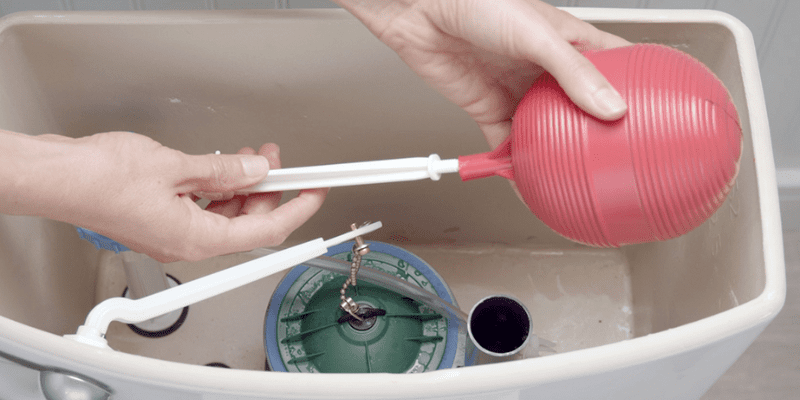
If your toilet is a bit older, like the one in my guest bathroom, it might have a ballcock instead of a modern fill valve. The ballcock is a float mechanism that controls water flow into the tank. When it gets old, the internal parts can wear out or get stuck, causing water to squeeze through a narrow gap. That’s when you hear the whistle.
I remember helping my neighbor fix his old toilet, and the ballcock was the issue. It was corroded, and the water was barely trickling through. We replaced it with a new fill valve (most modern kits work with older toilets), and the whistling stopped. If your toilet is over 15 years old, check the ballcock first—it’s a common troublemaker.
Debris and Mineral Buildup: The Silent Culprits
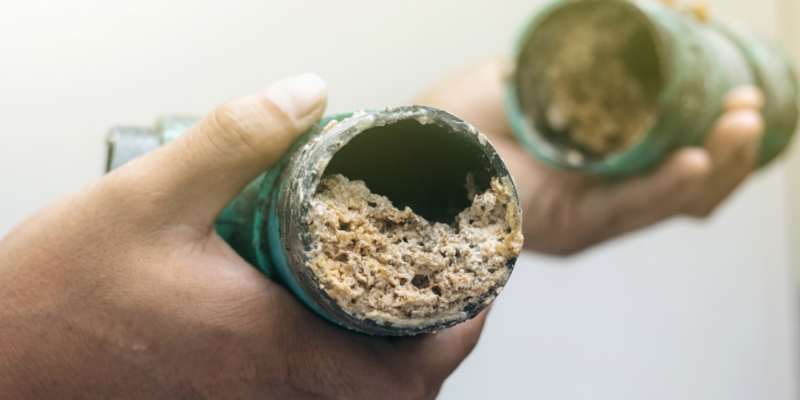
Living in an area with hard water, I’ve learned that mineral buildup is a sneaky problem. Calcium and other minerals can collect inside the toilet’s pipes or valves, narrowing the water’s path. This restriction can cause whistling, especially during the tank’s refill after a flush.
I noticed this when I took apart my toilet’s fill valve one day. There was so much chalky buildup inside that it was no wonder the water was struggling to get through. Cleaning the valve with vinegar or a descaling solution can help. If the buildup is in the pipes, you might need to flush the system or call a plumber to clear it out. Regular maintenance, like cleaning the tank every few months, can prevent this issue from creeping up.
Water Pressure and Shut-Off Valve Issues
Sometimes, the problem isn’t inside the toilet tank at all. High water pressure in your home can force water through the toilet’s components too quickly, causing a whistle. I learned this the hard way when I moved into a new house and noticed all my toilets were noisy. Turns out, the water pressure was set way too high.
You can check this by looking at the shut-off valve behind the toilet. If it’s not fully open, it could be restricting water flow, which creates that whistling sound. I fixed this in my home by turning the valve all the way open, and the noise dropped significantly. If the pressure is still too high, you might need a plumber to install a pressure regulator.
Here’s a quick table to summarize the common causes and fixes:
| Cause | Why It Whistles | How to Fix It |
|---|---|---|
| Faulty Fill Valve | Restricts water flow, causing turbulence | Adjust or replace the fill valve |
| Worn-Out Ballcock | Block pipes or valves, limiting water flow | Replace with a modern fill valve |
| Mineral Buildup | Adjust the shut-off valve or install a regulator | Clean with vinegar or descale; flush pipes |
| High Water Pressure | Forces water through components too fast | Adjust shut-off valve or install a regulator |
How to Diagnose the Whistling Problem
Figuring out why your toilet is whistling is like being a detective. I love this part because it feels like solving a puzzle. Start by listening closely to when the whistle happens. Does it start right after you flush, during the tank refill, or randomly? This clue can point you to the right part.
Next, pop open the tank lid and take a look. Don’t worry—it’s not as scary as it seems. Check the fill valve and float. Is the water flow steady, or does it seem restricted? If you see any buildup or corrosion, that’s a red flag. You can also gently wiggle the float to see if it’s stuck. I once found my float was caught on some gunk, and freeing it stopped the whistle.
If the tank looks fine, check the shut-off valve behind the toilet. Make sure it’s fully open. If you’re still stumped, try turning down the water pressure at the main supply (if you know where it is) and see if the noise changes. This step-by-step approach helped me narrow down the issue in my own bathroom.
Step-by-Step Fixes for a Whistling Toilet
Once you’ve got a sense of what’s causing the whistle, it’s time to fix it. I’ve tried most of these solutions myself, and they’re easier than you might think. Here’s how to tackle each issue.
Fixing a Faulty Fill Valve
If the fill valve is the problem, you can try adjusting it first. Most valves have a screw or clip that controls water flow. Turn it slightly to see if the whistling stops. If that doesn’t work, it’s time to replace the valve. Here’s what I did:
- Turn off the water supply at the shut-off valve.
- Flush the toilet to empty the tank.
- Disconnect the old fill valve (it’s usually attached to the bottom of the tank).
- Install a new universal fill valve kit, following the instructions.
- Turn the water back on and adjust the float to the right water level.
It took me about 20 minutes, and the whistling was gone. A new valve is cheap and widely available at hardware stores.
Replacing a Ballcock
For older toilets, replacing the ballcock is similar. You’ll need a universal fill valve kit, as ballcocks aren’t common anymore. The process is almost the same as replacing a fill valve, but you’ll remove the old float and arm, too. I found this straightforward, though older toilets can have rusty bolts that take some elbow grease.
Cleaning Out Mineral Buildup
If mineral buildup is the issue, vinegar is your best friend. I poured a cup of white vinegar into the tank and let it sit for an hour. Then, I scrubbed the valve and inlet with an old toothbrush. For tougher buildup, you can soak the valve parts in vinegar overnight. If the problem is in the pipes, a plumber might need to flush the system with a descaling solution.
Adjusting Water Pressure
For high water pressure, check the shut-off valve first. Turn it counterclockwise to fully open it. If the whistling persists, you might need a plumber to check your home’s water pressure. They can install a pressure regulator if it’s too high, which is common in newer homes.
When to Call a Professional
I’m all about DIY fixes, but sometimes you need a pro. If you’ve tried everything and the whistling won’t stop, or if you suspect the issue is deep in the pipes, call a plumber. I had to do this once when the problem was a clogged supply line that I couldn’t reach. A plumber fixed it in an hour, and it wasn’t as expensive as I feared—about $100 in my area.
Also, if you’re not comfortable working with water or tools, don’t risk it. A small mistake can lead to leaks, and that’s a bigger headache than a whistle. Plumbers have the tools and know-how to diagnose tricky issues fast.
Preventing Future Whistling
Once you’ve fixed the whistle, you’ll want to keep it quiet. I learned a few tricks to prevent this issue from coming back. First, check your toilet tank every six months for buildup or wear. A quick vinegar soak can keep minerals at bay. Second, make sure your shut-off valve is fully open to avoid pressure issues. Finally, if you have hard water, consider a water softener for your home. It’s a bigger investment, but it saved my appliances from constant mineral damage.
Why Fixing a Whistling Toilet Matters
A whistling toilet isn’t just annoying—it can signal wasted water or higher bills. A faulty valve or high pressure can make your toilet less efficient, using more water than needed. Fixing it not only restores peace but also saves money and water. Plus, it’s satisfying to solve a household mystery and feel like a hero in your own home!
Conclusion: Silence the Whistle and Enjoy the Peace
After dealing with a whistling toilet in my own home, I can tell you it’s worth taking the time to fix it. That high-pitched noise doesn’t have to haunt your bathroom forever. Whether it’s a faulty fill valve, a worn-out ballcock, mineral buildup, or water pressure issues, the solutions are straightforward and often inexpensive. By following the steps I’ve shared, you can diagnose the problem, try some DIY fixes, and know when to call a plumber. I felt such a sense of accomplishment when I finally silenced my toilet, and I’m confident you will, too.
So, grab a wrench, pop open that tank, and take control of your plumbing. You don’t need to be a pro to make your bathroom quiet again. With a little patience and the right tools, you’ll have a whistle-free toilet in no time. And if you run into trouble, a plumber is just a call away. Here’s to peaceful flushes and a happier home!
FAQs
Why does my toilet whistle only sometimes?
It could be due to inconsistent water pressure or a fill valve that’s starting to fail. Check the shut-off valve to ensure it’s fully open, and inspect the fill valve for debris or wear. If it’s random, mineral buildup might be the cause, so try cleaning the tank with vinegar.
Can a whistling toilet increase my water bill?
Yes, if the whistle is caused by a faulty fill valve or ballcock, it might mean the toilet is running longer than it should, wasting water. Fixing the issue can help keep your bill in check.
Is it safe to fix a whistling toilet myself?
Absolutely, as long as you’re comfortable turning off the water and working with basic tools. Most fixes, like replacing a fill valve, are beginner-friendly. If you’re unsure, a plumber can handle it safely.
How much does it cost to replace a fill valve?
A universal fill valve costs $10-$20 at most hardware stores. If you hire a plumber, expect to pay $100-$150, depending on your location and the job’s complexity.
Can hard water cause my toilet to whistle?
Yes, hard water leaves mineral deposits that can clog valves and pipes, causing whistling. Regular cleaning with vinegar or a water softener can help prevent this.