Why Does My Light Fixture Flicker? Solving Common Issues
Imagine sitting comfortably in your living room, ready to unwind after a long day, when suddenly the light fixture above starts flickering uncontrollably. It’s not just annoying; it can be unsettling.
You might find yourself wondering why your light fixture is flickering and what it means for your home. Is it just a minor issue, or could it be a sign of something more serious? You’ll discover the common reasons behind flickering lights and learn how to address them before they become bigger problems.
We’ll explore whether a simple bulb replacement can solve your issue or if it’s time to call in an expert. You deserve a peaceful, well-lit space, and understanding the root cause of flickering lights is the first step towards ensuring your home stays comfortable and safe. Read on to find out how you can achieve a flicker-free environment.
Causes Of Flickering Lights
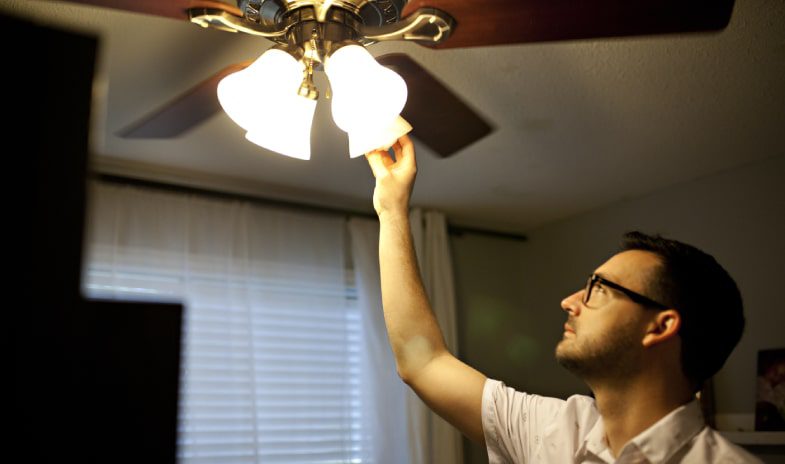
Loose bulbs and connections can make lights flicker. Check if the bulb is tight. Sometimes, the bulb is not screwed in correctly. Tighten the bulb gently. If it still flickers, the connection might be bad.
A faulty light switch can cause problems too. Switches can wear out over time. They might not connect properly. Try flipping the switch several times. If the light flickers, consider replacing the switch.
Voltage fluctuations can affect your lights. Many appliances can cause this. Heavy-duty appliances pull more power. Lights might flicker when these appliances start. It is a sign of voltage change.
Old or damaged wires can cause wiring issues. Wires might be frayed or loose. This can make lights flicker. Sometimes, the problem is in the wall. An electrician should check these issues.

Credit: www.wikihow.com
Identifying The Problem
Check the light fixture for any visible damage. Loose bulbs can make lights flicker. Make sure the bulb is tightly screwed in. Look for any burn marks or signs of wear. Dust or dirt might also cause problems. Clean the fixture carefully if needed.
Swap out the current bulb with a new one. Sometimes the bulb is at fault. Make sure to use the correct type and wattage. If the new bulb flickers too, the bulb isn’t the issue. This step helps to rule out a simple bulb problem.
Turn the light switch on and off a few times. A faulty switch can make a light flicker. Listen for any strange sounds. A buzzing sound might mean the switch is broken. If the switch feels loose, it might need replacing.
Flickering lights can mean power issues. Check if other appliances flicker too. This might show a bigger problem with your home’s electricity. If many lights flicker, contact an electrician. They can help fix any bigger power issues.
DIY Solutions
Loose fixtures often cause flickering. Check all screws and bolts. Make sure they are tight. Use a screwdriver if needed. This simple fix can solve flickering issues.
Bulbs can be faulty. Try a new bulb. Make sure it fits well. Use the correct wattage. Faulty bulbs often flicker. Changing them might stop the flicker.
Flickering lights may come from bad switches. Inspect your switches closely. Look for any wear or damage. Replacing a bad switch can help. Repairing it is another option. Secure the switch tightly.
Loose wiring is dangerous. It can cause lights to flicker. Check all wires carefully. Look for loose connections. Secure them properly. Use electrical tape if needed. Call an expert for help if unsure.
Credit: www.instyleled.co.uk
When To Call A Professional
Persistent flickering lights can be annoying. Sometimes, they don’t stop. This can mean a bigger problem. It’s smart to call a professional. They can find the cause and fix it fast.
Complex wiring issues can be tricky. These problems need expert hands. A professional knows how wires work. They ensure everything is safe. This keeps your home safe too.
Frequent voltage drops can harm appliances. Lights dim or flicker often. This might damage your things. An expert can help. They will check and solve the problem.
Safety concerns are important. Electric issues can be dangerous. Professionals know what to do. They keep your family safe. It’s best to get help quickly.
Preventing Future Problems
A flickering light fixture might signal loose connections or faulty bulbs. To prevent future issues, regularly check and maintain your fixtures. Simple fixes can ensure a safe and steady light in your home.
Regular Maintenance
Regular checks keep light fixtures safe. Inspect bulbs and wires often. Look for signs of wear. Dust and dirt can cause flickering. Cleaning the fixture helps prevent issues. Tighten loose bulbs to ensure contact. Ensure all wires are secure. Safe fixtures need regular attention.
Using Quality Fixtures
Quality fixtures last longer. Cheap fixtures break easily. Look for trusted brands. High-quality materials resist damage. Strong fixtures reduce flickering. Investing in quality saves money. Quality fixtures ensure better performance. They offer peace of mind.
Monitoring Electrical Load
Too many devices can overload circuits. Overload causes lights to flicker. Track usage to prevent problems. Use fewer devices at once. Balance load for safe circuits. Proper load keeps lights stable. Monitor usage to avoid flickering.
Upgrading Electrical Systems
Older systems may cause flickering. Upgrade for better performance. New systems handle more load. Upgraded systems reduce flicker. Modern wiring is safer. Consider upgrading your home’s system. Better systems ensure stable lighting. Upgrades improve electrical safety.
Credit: www.reddit.com
Frequently Asked Questions
How Do You Fix A Flickering Light Fixture?
Turn off power to the fixture. Tighten loose bulbs and check connections. Replace faulty bulbs or flickering switch. Inspect wiring for damage and hire an electrician if needed. Ensure compatibility of bulbs with the fixture. Regular maintenance prevents flickering issues.
What Does A Flickering Light Fixture Mean?
A flickering light fixture often indicates loose wiring, a faulty bulb, or a problem with the light switch. It can also be caused by voltage fluctuations or a failing fixture. Addressing the issue promptly is crucial to prevent potential electrical hazards and ensure safe lighting.
How Do I Stop My Lights From Flickering?
Check loose bulbs and tighten them. Replace faulty bulbs with LED ones. Inspect and secure loose wiring. Upgrade to modern dimmers for LED lights. Consult an electrician for persistent issues.
Is A Blinking Light A Fire Hazard?
A blinking light itself is usually not a fire hazard. Ensure electrical components are functioning correctly to prevent risks. Regularly check for overheating or faulty wiring to maintain safety. Proper installation and maintenance reduce the chance of fire hazards associated with blinking lights.
Conclusion
Understanding why your light fixture flickers can save time. It prevents future issues. It might be due to a bulb problem. Or, loose wiring can cause flickering. Check connections to fix it. Sometimes, the fixture may be faulty. Testing with another bulb helps verify.
If problems persist, consult an electrician. Safety is crucial with electrical issues. Regular maintenance keeps fixtures working well. Ensures comfort and peace in your home. Don’t ignore flickering lights. Address them promptly for safety. Your home should be bright and safe.