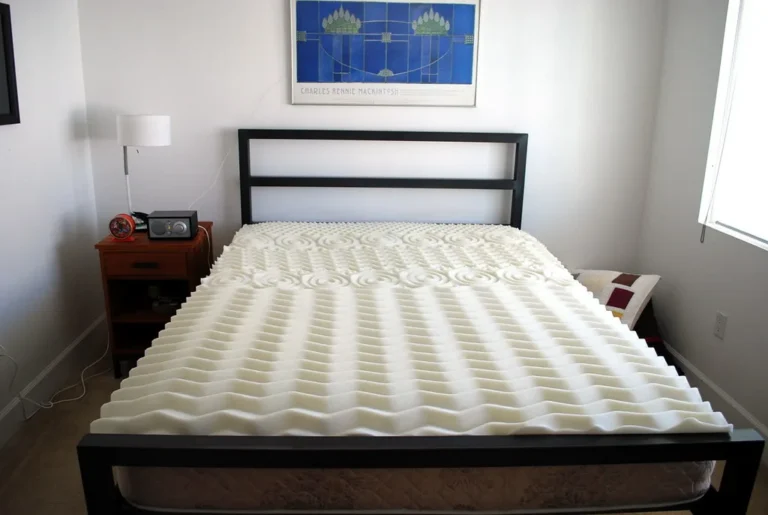
Why Is My Air Mattress Making Popping Noise? How to Fix It
Many air mattresses may make harmless popping sounds from vinyl stretch during the first few uses, but a loud pop that repeats, changes with pressure, or is followed by soft spots often suggests a leak or seam failure. Ignore the wrong kind and you lose sleep, air, and sometimes the whole mattress overnight. I sort this out by listening for the pattern, checking the pressure, and testing the weak points. This guide shows how to separate break-in noise from damage, find the source fast, and fix it.
What you’ll need



- Flashlight
- Mild soap and water in a spray bottle
- Clean cloth
- Patch kit
- Optional: rug, topper, or ground pad
📊 PVC film can be around 0.18mm to 0.35mm on light air mattresses. Source: Why Is My Air Mattress Making Popping Noise.
Why is my air mattress making popping noises when I move?
When an air mattress pops as you roll over, the sound usually comes from PVC film stretching, a valve that is shifting pressure, or internal supports rubbing under load. If the mattress also feels too firm, has a repeated pop in the same place, or softens overnight, treat it as a fault and inspect it now.
Check the easy causes first
- Press down on the mattress and stop inflating when it feels firm but still has slight give under body weight.
- Set the room closer to a steady temperature, especially in a cold room where pressure drops can make the bed noisier.
- Move it off screws, grit, carpet tack strips, and rough floors, then place a rug or ground pad under it if the floor is hard or uneven.
- Run your hand along the bottom and corners for rubbing points that line up with the pop.
New PVC air mattresses can make light popping or cracking sounds during the first few uses because the film stretches. That is common with PVC air mattress material, especially when the film is thin. Light air mattresses may use PVC film around 0.18mm to 0.35mm, which can creak under tension before it settles.
How do I tell if it is a leak or just stretching?
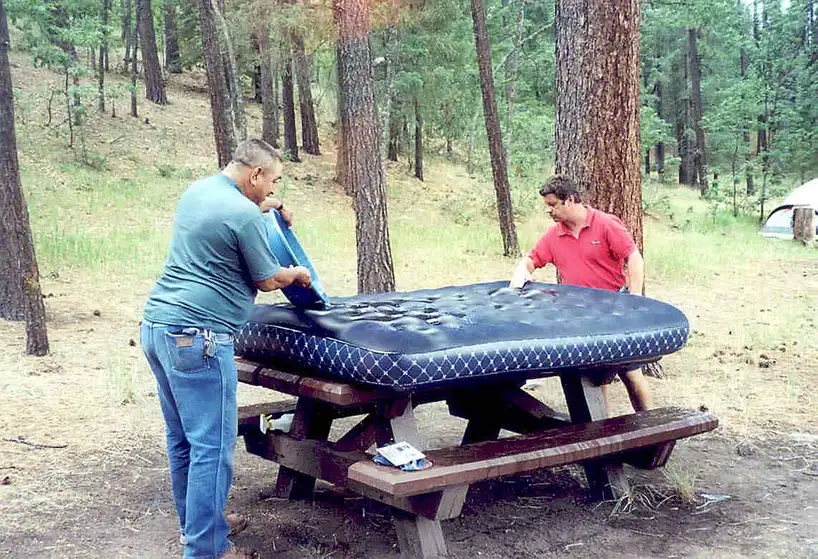
Stretch noise happens during movement and usually fades as the mattress breaks in. A leak is different: it may bring a steady drop in firmness, a hiss or whisper near one spot, or a repeatable pop that follows pressure loss. If the bed gets soft again soon after inflation, move to leak testing.
Follow the 5-minute soap test
- Inflate the mattress to normal use level.
- Spray the valve first with mild soap water.
- Watch seams and welded corners for bubbles.
- Mark any spot that bubbles, then test that same spot twice.
- Wipe the area dry before patching or reseating anything.
| Noise pattern | What to inspect | Most likely meaning | Next move |
|---|---|---|---|
| Light crackle during movement only | Surface, floor contact, body pressure | Stretch noise | Reduce pressure and add padding |
| Repeated pop at one spot | Seam, welded corner, valve edge | Leak or seam stress | Soap test and mark the spot |
| Soft spot by morning | Valve, puncture, seam line | Air loss | Test for bubbles and listen for hiss |
| Noise plus bulging seam | Seams and internal support lines | Structural failure risk | Stop using it and inspect closely |
Does overinflating an air mattress cause popping?
Yes. Overinflation raises internal tension, can make the mattress feel very tight, and may stress seams and welded corners until they fail under load. LA Mattress calls overinflation a no-go. A useful target is firm enough to support you, but with slight give when you sit or lie down.
Reduce pressure without underfilling it
- Open the valve and release a small amount of air.
- Close it, then press the bed with a hand and shoulder to check for slight give.
- Reinflate only until the mattress supports weight without bowing seams.
- Stop if the top feels rigid or the sides bulge outward.
Overinflation is a common reason a mattress sounds sharp and cracky under load. I hear that most often when the bed is pumped hard, then left on a hard floor. It also makes any seam weakness show up sooner. If the bed is new, a little settling is normal; if the surface feels hard and the corners look tight, back off the pressure before the material takes a set.
Can temperature changes make an air mattress pop?
Yes. Temperature fluctuations change internal pressure, so a mattress can feel firmer in cold air and looser in warmth. Puffy notes that cold temperatures can make the mattress noisier, and LA Mattress says temperature matters for reducing noise. Camping use in cool weather shows this problem first.
Stabilize the room first
- Move the mattress away from drafty windows, vents, or cold floors.
- Bring it into a more stable room temperature before reinflating.
- Recheck firmness after a short settling period.
- Add a topper or rug underneath if the floor is pulling heat from the bed.
Cold rooms make the air inside contract, which can pull seams tight and increase popping. In a warm room, the same mattress may seem softer and quieter. That change is normal, but a sudden shift with soft spots or a leak test result means something else is wrong.
What should I check if the popping noise is coming from the valve or seams?
The valve and seams are the first places to suspect when the pop repeats in the same area or the bed loses pressure overnight. The valve can leak or fail to seat fully, and seams and welded corners can crackle before they split. Bulging is a warning sign, not a normal quirk.
Fix the valve and seam path
- Turn the valve cap and reseat the plug or cap firmly.
- Spray soap water around the valve edge and watch for bubbles.
- Inspect seams and welded corners for bulges, splits, or repeated pop marks.
- If the seam bubbles or opens, stop using the mattress and move to replacement checks.
Valve noise can mimic popping because air shifts through a loose seal. Internal beams or coils can also rub, shift, or show weakness under load. House and Home Online notes that some popping can indicate loose coils, and that changes the decision fast: patchable surface damage is one thing, internal failure is another.
Can a patch kit fix an air mattress that makes popping sounds?
A patch kit can sometimes fix a small hole or tear after the surface is cleaned and dried. It will not fix a split seam, a bulging weld, or internal beam damage. Use it only when the leak is small and isolated.
Patch only the right kind of damage
- Deflate the mattress enough to flatten the damaged area.
- Clean and dry the spot completely before applying the patch.
- Press the patch in place and leave it alone for the cure time listed on the kit.
- Reinflate slowly and repeat the soap test if the noise returns.
Do not patch over a seam that is splitting or a corner that is bulging. That is not a small-hole repair. If the mattress pops in the same place after two clean patch attempts, stop chasing it. The structure is likely failing.
Should I patch it or replace it?
Patch it when the problem is a small, isolated puncture or tear and the mattress holds pressure after a soap test. Consider replacing it when the seam is opening, the valve will not hold air, the bed deflates quickly, or the pop seems to come from internal beam or coil damage. That is the clean decision line.
Decision box
| Symptom | Patch | Replace |
|---|---|---|
| Small hole, single spot | Yes | No |
| Bulging seam or welded corner | No | Yes |
| Valve leak that will not reseat | Maybe, if gasket issue is simple | Yes, if it keeps losing air |
| Internal beam or coil noise | No | Yes |
| Repeated same-spot popping after patch | No | Yes |
If that didn’t work, try this next
- Move the mattress to a smoother surface and add a topper or rug under it.
- Deflate slightly until the top gives a little under weight.
- Retest the valve and seams with soap water.
- Replace the mattress if the same spot still pops or softens.
Prevention is simple: store the mattress cool and dry, keep sharp objects off and away from the setup area, and inspect seams and the valve before each use. House and Home Online says proper care can extend service life, and a few minutes of inspection saves a lot of noise later.
Common mistakes
The biggest mistake is treating every pop as harmless stretch. That can hide a leak, a bad valve, or a seam that is about to split. Another error is patching before drying the surface, which weakens adhesion and wastes the kit.
People also overinflate to kill sag, then wonder why the mattress sounds worse. Too much pressure makes PVC work harder, and a cold room makes it worse again. Finally, do not leave the bed on sharp objects or rough floors and expect quiet operation.
Frequently asked questions
Why is my air mattress making popping noises when I move?
Movement pops usually come from PVC stretch, floor contact, or seams that are under too much tension. If the mattress also feels rigid or repeats the sound in one place, lower the pressure, check the valve, and run the soap test before the next night.
Is it normal for a new air mattress to make popping sounds?
Yes, a new PVC air mattress may make light popping or cracking sounds during the first few uses. That should fade as the material settles. If the noise gets louder, repeats at one spot, or comes with deflation, inspect for a leak or seam issue.
Does overinflating an air mattress cause popping?
Yes. Overinflation makes seams work harder and can make the top feel drum-tight. Deflate until the mattress supports weight with slight give, then check the corners and welded seams again. If the sound drops after that change, pressure was part of the problem.
Can temperature changes make an air mattress pop?
Yes. Cold rooms can make the bed firmer and noisier, while warmer air can soften it. If the mattress is used for camping or in a drafty room, move it away from cold floors and vents, then recheck firmness after the room settles.
Will a topper or rug reduce air mattress popping noises?
Yes. A topper can spread pressure across the surface, and a rug or ground pad can reduce floor contact noise. Puffy recommends both ideas. They help most when the sound comes from rubbing, movement, or a hard floor under the mattress.
When should I replace an air mattress instead of fixing it?
Replace it when the seam is bulging, the valve will not hold pressure, the mattress loses air quickly, or internal beam damage is likely. Small punctures are patchable. Structural failure is not. If the same spot keeps popping after a repair, stop trying to rescue it.
Sponsored / affiliate links. As an Amazon Associate I earn from qualifying purchases. I may earn additional commission from eligible campaigns.