Why Tarping Your Roof Matters
Let’s start with the basics. A roof tarp is like a giant Band-Aid for your house. When your roof gets hit by a storm, a fallen tree, or just old age, it can spring leaks or lose shingles, letting water sneak inside. That’s bad news—water can ruin your walls, ceilings, and even spark mold growth, which is a headache you don’t want. Tarping buys you time. It’s a temporary shield that keeps rain, wind, and debris out until you can get proper repairs done. I learned this the hard way when a tree branch punched a hole in my roof during a storm. A quick tarp saved my living room from turning into a swimming pool!
But here’s the thing: tarping isn’t just about throwing a sheet over the damage. It’s about doing it right so it holds up against wind, rain, and maybe even another storm. Whether you hire a pro or go the DIY route, the cost depends on a bunch of factors. Let’s break them down.
What Affects the Cost of Roof Tarping?
When I first looked into tarping my roof, I thought it’d be a simple, cheap fix. Boy, was I wrong! The price can vary a lot, and it’s not just about the tarp itself. Here are the main things that drive the cost:
Roof Size and Area to Cover
The bigger your roof, the more tarp you need, and that means more money. Most roofing companies charge by the square foot. From my research, standard tarping costs about $0.70 to $2.00 per square foot. So, if you’ve got a 1,500-square-foot roof, you’re looking at $1,050 to $3,000 just for materials and labor. Smaller jobs, like covering a single hole, might only need a 10×20-foot tarp, which could cost as little as $150 to $600. I remember calling around for quotes and being shocked at how much the size of my roof jacked up the price.
Type and Quality of the Tarp
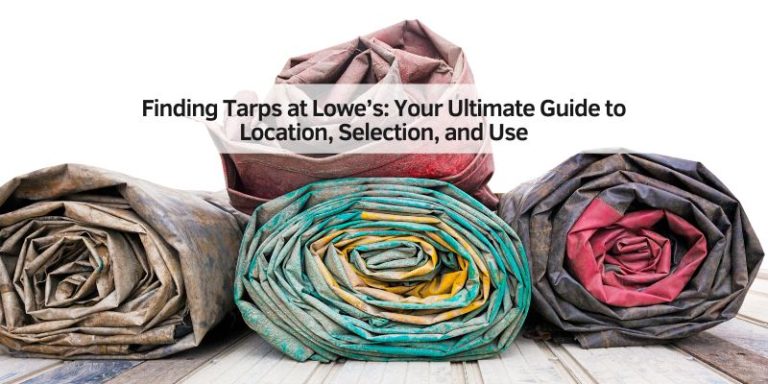
Not all tarps are created equal. You’ve got lightweight poly tarps, heavy-duty vinyl ones, and even canvas options. Lightweight tarps (10-15 mils thick) are cheaper, maybe $0.10 to $0.40 per square foot, but they’re flimsy and might not last through a big storm. Heavy-duty tarps, like vinyl or UV-resistant polyethylene, can cost up to three times more but hold up better against wind and rain. I went with a heavy-duty vinyl tarp for my roof because I knew we had more storms coming. It cost me about $200 for a 20×30-foot tarp, but it was worth every penny for the peace of mind.
Labor Costs and Professional Help
If you’re hiring a pro, labor is a big chunk of the bill. Roofing contractors typically charge $50 to $120 per hour, and tarping a roof can take 1 to 3 hours, depending on the job’s complexity. In my area, I paid about $300 for labor on a standard job. If your roof is steep or hard to reach, expect to pay more—sometimes up to $1,000 for tricky jobs. I learned that pros bring their own tools, like ladders and safety gear, which saves you from buying or renting equipment. Plus, they know how to secure the tarp so it doesn’t fly off in the wind.
Emergency vs. Standard Service
Timing matters. If you need a tarp ASAP, like after a midnight storm, you’ll pay a premium. Emergency tarping costs $1.00 to $2.80 per square foot, often 30% more than standard rates. I called a roofer at 2 a.m. once, and the emergency fee added $150 to the bill. Standard jobs, done during regular hours, are way cheaper. If you can wait until morning or schedule it ahead of time, you’ll save a bundle.
Roof Accessibility and Design
Is your roof a simple, flat ranch-style, or a steep, multi-level monster? The harder it is to get up there, the more you’ll pay. A single-story home with a gentle slope is easier (and cheaper) to tar than a three-story house with peaks and valleys. I have a two-story home with a steep pitch, and the roofer charged extra because they needed special ladders and safety harnesses. Complex roofs with skylights or chimneys also bump up the cost since they take more time to cover properly.
Location and Local Rates
Where you live plays a big role. In big cities or high-cost-of-living areas, labor rates are higher. In rural areas, you might catch a break. For example, tarping in Florida during hurricane season can cost $800 to $1,600 because demand is sky-high. In my small town, I paid closer to $450 for a standard job. Weather also affects prices—if you’re tarping during a stormy season, roofers might charge more because they’re swamped with calls.
Additional Materials and Services
Tarping isn’t just about the tarp. You need stuff like plywood, screws, or sandbags to keep it in place. These extras can add $50 to $200 to the bill. If there’s debris on your roof, like branches or shingles, you might need to pay for removal, which can cost $300 to $800. I had to shell out $100 for debris cleanup before the tarp could even go on. Some roofers also offer add-ons like sealing the tarp edges or using special anchors, which can push the cost higher.
Here’s a quick table to sum it up:
| Factor | Cost Range | Details |
|---|---|---|
| Roof Size | $0.70–$2.00/sq. ft. (standard) | Larger roofs need more tarp and labor, increasing costs. |
| Tarp Quality | $0.10–$0.40/sq. ft. (materials) | Heavy-duty tarps cost more but last longer. |
| Labor | $50–$120/hour | 1–3 hours for most jobs; steep or complex roofs take longer. |
| Emergency Service | $1.00–$2.80/sq. ft. | 30% higher than standard rates; may include call-out fees ($100–$200). |
| Roof Accessibility | Varies | Steep or multi-story roofs require more time and safety gear. |
| Location | $150–$1,600+ | Urban areas and storm-prone regions have higher costs. |
| Additional Materials | $50–$200 | Plywood, screws, sandbags, or debris removal add to the total. |

Average Costs Across the U.S.
So, what’s the bottom line? Based on my research and experience, the average cost to tarp a roof in 2025 ranges from $175 to $1,600, with most homeowners paying around $450 to $750 for a standard job. Smaller jobs, like covering a single leak, might cost as little as $150. Bigger or emergency jobs can climb to $3,000 or more. For example, a 1,000-square-foot roof might cost $700 to $2,000, while a 1,500-square-foot roof could run $1,000 to $3,000. My own job came in at $650 for a 1,200-square-foot roof, including labor and a decent tarp.
If you’re in a storm-prone area like Florida or the Gulf Coast, expect to pay on the higher end, especially during hurricane season. In quieter areas or during off-peak times, you might snag a deal closer to $200 to $500. Always get quotes from at least three local roofers to compare prices—I learned that the hard way after overpaying on my first quote!
DIY vs. Hiring a Professional
Now, let’s talk about the big question: Should you tarp the roof yourself or hire a pro? I’ve tried both, and trust me, it’s not as simple as it looks. Here’s the breakdown.
DIY Tarping: Pros and Cons
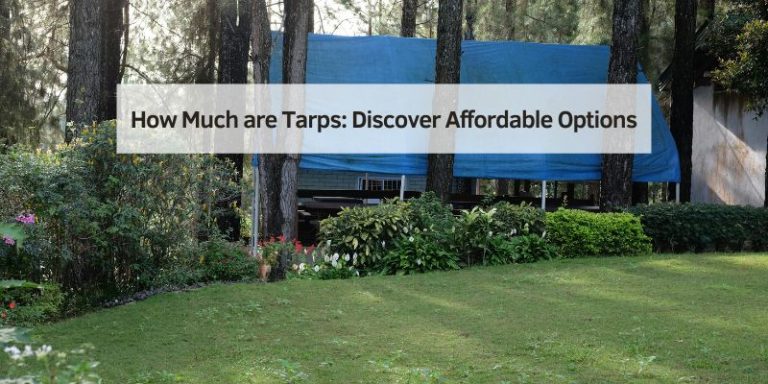
DIY tarping can save you money, but it’s risky. A decent tarp costs $10 to $250, depending on size and quality. Add in some nails, ropes, or sandbags, and you’re looking at $50 to $300 total. I bought a 20×30-foot poly tarp for $40 at Home Depot and thought I’d be a hero. But climbing a ladder with a flapping tarp in the wind? Not fun. And if your roof is damaged, it might not be safe to walk on. I nearly slipped trying to secure the tarp, and it didn’t even hold up through the next rain. Improper tarping can also void insurance claims, which I didn’t know at the time.
Pros:
- Cheaper upfront (just the cost of materials).
- You can do it on your own schedule.
- Good for small, low-risk jobs.
Cons:
- Dangerous, especially on steep or damaged roofs.
- Easy to mess up, leading to leaks or more damage.
- No professional guarantee or insurance support.
Hiring a Professional: Worth It?
Hiring a roofer is pricier but safer and more reliable. Pros know how to secure the tarp tightly, so it doesn’t flap or tear. They also have the right gear, like harnesses and ladders, to handle tricky roofs. When I finally called a pro, they finished the job in an hour and used sandbags to keep the tarp secure—no nails, which could’ve damaged my roof further. Plus, their work came with a warranty, and they gave me paperwork for my insurance claim. Most policies cover tarping if it’s to prevent further damage, so hiring a pro can actually save you money in the long run.
Pros:
- Safer and faster.
- Better results that hold up in bad weather.
- Often covered by insurance, with proper documentation.
Cons:
- More expensive ($150–$1,600).
- You might have to wait if roofers are busy after a storm.
My advice? If your roof is steep, high, or badly damaged, call a pro. If it’s a small, flat roof and you’re handy, DIY might work—but be careful and follow safety guidelines.
How to Save Money on Roof Tarping
Tarping a roof isn’t cheap, but there are ways to keep costs down. Here’s what I’ve learned:
- Shop Around: Get quotes from at least three roofers. I saved $200 by comparing prices in my area.
- Avoid Emergency Rates: If you can wait until regular hours, you’ll dodge the 30% premium. I called a roofer the morning after a storm instead of at midnight and saved $150.
- Choose the Right Tarp: A mid-range tarp (15-20 mils) is often enough for temporary fixes. Don’t go too cheap, though—those flimsy tarps tear easily.
- Check Your Insurance: Many policies cover tarping if it’s to prevent further damage. I got $500 reimbursed by filing a claim with photos and receipts.
- Preventative Maintenance: Regular roof inspections (about $230) can catch issues early, so you don’t need emergency tarping. I started doing yearly checks after my last storm scare.
Insurance and Roof Tarping
Speaking of insurance, let’s talk about how it fits in. Most homeowner policies cover tarping if the damage is from a covered event, like a storm or a fallen tree. My policy covered up to 1% of my home’s value ($3,000 for a $300,000 policy) for temporary repairs. You’ll need to document the damage with photos before and after tarping, and keep receipts. I made the mistake of not taking pictures right away, which delayed my claim. Call your insurer ASAP to report the damage and ask about coverage. Some policies don’t cover tarping for renovations, so double-check.
If you hire a pro, they’ll often provide documentation to help with your claim. I got a detailed invoice from my roofer, which made the process smoother. If you’re dealing with a big storm, like a hurricane, a lawyer or public adjuster can help maximize your claim, but that’s usually overkill for simple tarping jobs.
Tips for Choosing a Roofing Contractor
Picking the right roofer is key. I got burned once by a shady contractor who overcharged and did a sloppy job. Here’s what to look for:
- Licenses and Insurance: Make sure they’re licensed and have liability insurance. I asked for proof and avoided a potential scam.
- Experience: Choose a company with at least 5 years in the business. My second roofer had 10 years of experience, and it showed in their work.
- Reviews: Check Google or HomeAdvisor for reviews. I found my guy through a neighbor’s recommendation and confirmed it with online reviews.
- Free Estimates: Most reputable roofers offer free quotes. I got three estimates and went with the one that felt fair and transparent.
- Avoid Storm Chasers: After a big storm, some shady companies go door-to-door. Stick with local, established roofers. I almost fell for a storm chaser’s lowball offer, but their lack of a local office was a red flag.
How Long Does a Tarp Last?
A tarp isn’t a permanent fix. Most last about 90 days, depending on the weather and tarp quality. My heavy-duty vinyl tarp held up for two months through some nasty storms, but lightweight tarps might only last a few weeks in rough conditions. Check the tarp regularly for tears or loose spots, and replace it if it starts to wear out. I set a reminder to inspect mine every two weeks, which saved me from a leak when a corner came loose. Plan permanent repairs as soon as possible—leaving a tarp up too long can lead to more damage.

My Personal Experience: What I Wish I Knew
When that tree branch crashed through my roof, I was clueless about tarping. I thought I could just toss a cheap tarp up there and call it a day. Wrong. The first tarp I bought was too small and tore in a week. Then I overpaid for an emergency roofer because I panicked. If I could go back, I’d get quotes ahead of time, buy a heavy-duty tarp, and take photos for my insurance right away. The whole ordeal cost me $650, but it could’ve been $400 if I’d planned better. Learn from my mistakes—act fast, but act smart.
Conclusion
So, how much does it cost to tarp a roof? It depends, but you’re likely looking at $175 to $1,600, with most jobs around $450 to $750. The size of your roof, the tarp quality, whether it’s an emergency, and where you live all play a role. I’ve been through the stress of a damaged roof, and I know how overwhelming it feels. But tarping is a lifesaver—it protects your home, buys you time, and can even save you money by preventing worse damage.
Whether you go DIY or hire a pro, make sure you choose quality materials and act quickly. Get quotes, check your insurance, and don’t skimp on safety. Your home is worth it, and so is your peace of mind. If you’re facing a leaky roof right now, take a deep breath—you’ve got this! Call a local roofer, get that tarp up, and keep your home safe until the repairs are done.
FAQs
Can I tar my roof myself?
You can, but it’s risky. DIY tarping saves money, but you need the right tools and safety gear. If your roof is steep or damaged, it’s safer to hire a pro. I tried DIY and nearly fell off my ladder—lesson learned!
How long does a roof tarp last?
A good tarp lasts about 90 days, depending on weather and quality. Heavy-duty tarps hold up better than lightweight ones. I checked mine every two weeks to make sure it stayed secure.
Will my insurance cover roof tarping?
Most policies cover tarping if it’s to prevent further damage from a covered event, like a storm. Take photos, keep receipts, and call your insurer to confirm. My claim got me $500 back.
What’s the difference between standard and emergency tarping?
Standard tarping happens during regular hours and costs $0.70 to $2.00 per square foot. Emergency tarping, like after a late-night storm, costs $1.00 to $2.80 per square foot. I paid extra for an emergency job and wished I’d waited till morning.
What kind of tarp should I use?
Heavy-duty vinyl or polyethylene tarps (15-25 mils) are best for most roofs. They’re waterproof and durable. I went with vinyl for my roof, and it held up through two months of rain.
How do I find a good roofing contractor?
Look for licensed, insured roofers with at least 5 years of experience. Check reviews, get free estimates, and avoid storm chasers. I found my roofer through a neighbor and confirmed their reputation online.