Why Wooden Handles? Proven Pot Pan Benefits
Wooden handles on pots and pans offer excellent heat insulation, a comfortable grip, and a touch of natural style, making them a beloved choice for many home cooks. They are a practical and aesthetically pleasing option that enhances your cooking experience.
Ever looked at a beautiful set of cookware and wondered, “Why are some pots and pans designed with wooden handles?” It’s a question many of us have, especially when we see those sleek, natural wood grips on otherwise modern kitchen tools. Sometimes, it feels like a design choice, but there’s more to it! These handles aren’t just for looks; they bring some fantastic benefits that can make your time in the kitchen smoother and more enjoyable. If you’ve ever fumbled with a hot metal handle or wished for a more comfortable way to lift your heavy pots, you’re in the right place. We’re going to explore exactly why wooden handles are such a great option and what makes them a favorite for so many cooks.
The Enduring Appeal of Wooden Pot and Pan Handles
Wooden handles have graced cookware for centuries, and their popularity hasn’t waned. While modern kitchens often feature stainless steel and silicone, the classic wooden handle continues to find its place. This isn’t just about tradition; it’s about function. When you’re juggling multiple dishes, dealing with high heat, or simply trying to get a secure grip on a heavy pot, the right handle makes all the difference. Let’s dive into the specific advantages that make wooden handles a smart choice for any home chef.
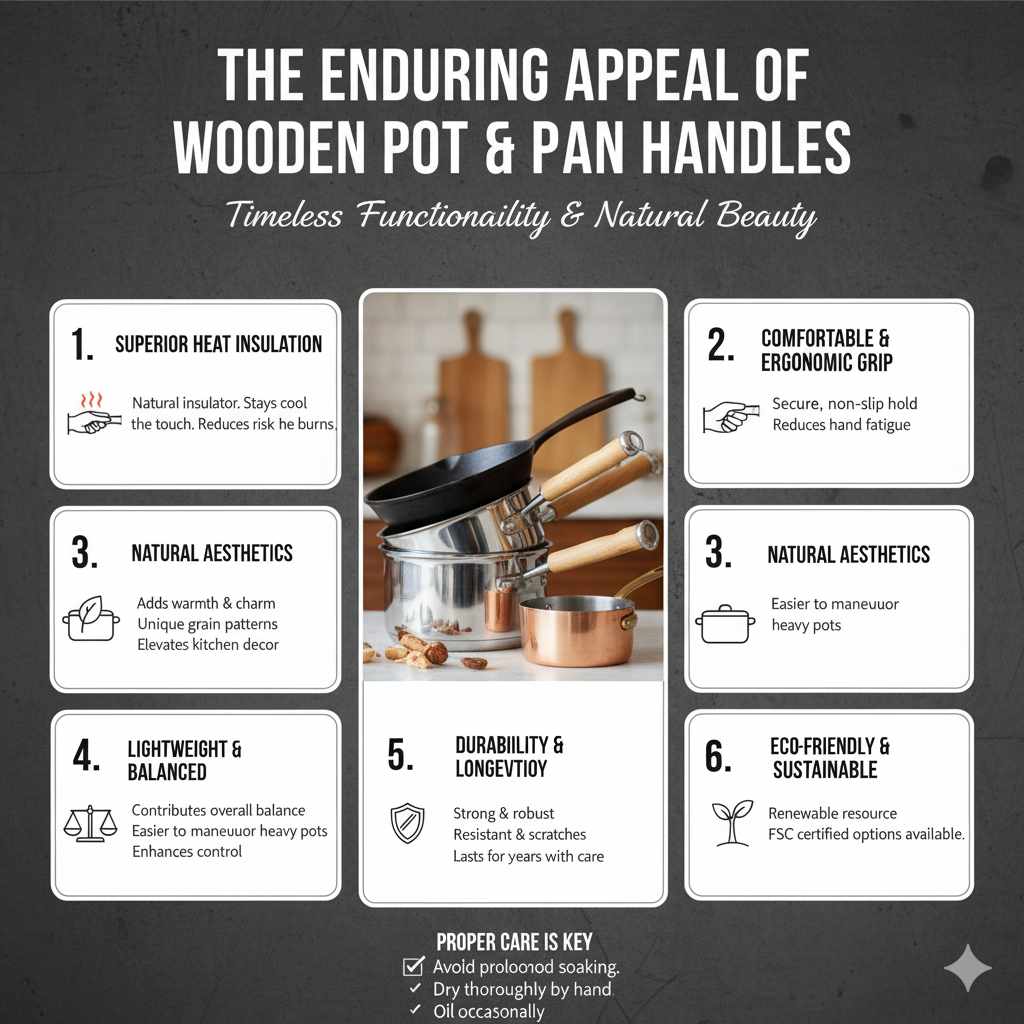
1. Superior Heat Insulation: Keeping Your Hands Safe
This is perhaps the most significant benefit of wooden handles. Metal, as we all know, is an excellent conductor of heat. This means that when your pot or pan gets hot on the stovetop, the heat travels up the handle, often leaving you reaching for an oven mitt or pot holder. Wood, on the other hand, is a natural insulator. It doesn’t conduct heat as readily as metal, which means the handle stays cooler for longer, even when the pan itself is sizzling hot.
This doesn’t mean wooden handles are completely immune to heat. If you leave a pan on the stove with the handle directly over a flame for an extended period, it can still get hot or even scorch. However, for typical cooking scenarios, like sautéing, simmering, or even brief periods in the oven (check manufacturer guidelines for oven-safe temperatures!), the insulation provided by wood is a real game-changer. It significantly reduces the risk of accidental burns, allowing you to move your cookware with confidence.
Think about those moments when you need to quickly move a pot of boiling pasta or a pan of searing vegetables. A cooler handle means you can grab it without hesitation, saving precious seconds and avoiding that frantic search for protection. This added safety feature is invaluable, especially for busy home cooks who are often multitasking in the kitchen.
2. Comfortable and Ergonomic Grip
Beyond heat, the feel of a handle in your hand matters. Wood has a natural warmth and a slight texture that many find more comfortable to hold than cold, smooth metal or sometimes slippery silicone. Ergonomically designed wooden handles can offer a more secure and pleasant grip, reducing strain on your wrists and hands, especially when dealing with heavy cookware.
The shape and contour of wooden handles are often thoughtfully crafted to fit naturally in your palm. This improved grip can lead to better control when pouring, stirring, or transferring food. For individuals who might have issues with grip strength or dexterity, a well-designed wooden handle can make a significant difference in their ability to cook safely and comfortably.
Many wooden handles are also shaped to distribute weight evenly, further enhancing comfort. This attention to detail in design means that even after a long cooking session, your hands won’t feel as fatigued. It’s these small but important comfort factors that contribute to the overall enjoyment of cooking.
3. Natural Aesthetics and Kitchen Charm
Let’s face it, wooden handles add a touch of natural beauty and warmth to any kitchen. They can lend a rustic, farmhouse, or even a modern Scandinavian feel, depending on the type of wood and the cookware design. This aesthetic appeal is a significant reason why many people choose cookware with wooden handles. They can be a beautiful addition to your kitchen décor, blending seamlessly with other natural materials like stone countertops or wooden cabinetry.
Unlike the often industrial look of all-metal cookware, wooden handles bring a softer, more organic element. They can make your kitchen feel more inviting and cozy. For those who appreciate the look and feel of natural materials, wooden handles are a clear winner. They can elevate the appearance of your cookware from a mere tool to a decorative piece.
The natural grain and unique variations in wood mean that each piece of cookware can have its own subtle character. This individuality adds to the charm and makes your kitchen tools feel more personal and special.
4. Lightweight and Balanced Design
While the primary material of the pot or pan itself determines its weight, the handle plays a crucial role in how that weight is perceived. Wood is a relatively lightweight material compared to metal. When used for handles, it can contribute to a better overall balance of the cookware. This balanced feel makes the pot or pan easier to maneuver, especially when it’s full of food.
A well-balanced piece of cookware is less likely to tip or feel unwieldy. The lightness of the wooden handle, combined with its ergonomic shape, can make even heavy pots feel more manageable. This is particularly helpful when you’re lifting a full Dutch oven or a heavy skillet off the stove.
This balance is not just about comfort; it’s also about safety. Better control means fewer spills and less chance of dropping your cookware. It’s a subtle but important advantage that contributes to a more pleasant and secure cooking experience.
5. Durability and Longevity (with proper care)
High-quality wooden handles, when properly cared for, can be incredibly durable and last for many years. They are less prone to scratching or denting compared to some plastic or composite materials. The natural strength of wood makes it a robust choice for everyday kitchen use.
The key to their longevity lies in proper maintenance. It’s important to remember that wood is a natural material and requires a bit of TLC. Avoiding prolonged soaking, drying them thoroughly, and occasionally oiling them can keep them in excellent condition.
When wooden handles are attached securely to the cookware, they form a strong bond that can withstand regular use. Unlike some metal handles that might loosen over time, a well-crafted wooden handle can remain a reliable part of your cookware for a long time.
6. Eco-Friendly and Sustainable Option
For those who are mindful of their environmental impact, wood can be a more sustainable choice than some synthetic materials. When sourced responsibly from sustainably managed forests, wood is a renewable resource. Many manufacturers are increasingly focusing on using eco-friendly materials, and wooden handles fit well into this philosophy.
Choosing cookware with wooden handles can be a small step towards a more sustainable kitchen. It’s a way to incorporate natural, renewable materials into your daily life. For more information on sustainable forestry practices, you can refer to resources like the Forest Stewardship Council (FSC), which certifies wood products that come from responsibly managed forests.
The natural origin of wood also means it’s biodegradable, unlike many plastics which can persist in the environment for hundreds of years. This makes wooden handles a more environmentally conscious choice from production to disposal.
Comparing Wooden Handles to Other Handle Materials
To truly appreciate the benefits of wooden handles, it’s helpful to see how they stack up against other common materials used for pot and pan handles. Each material has its own set of pros and cons, and understanding these can help you make the best choice for your kitchen.
Here’s a quick comparison:
| Handle Material | Pros | Cons | Best For |
|---|---|---|---|
| Wood | Excellent heat insulation, comfortable grip, natural aesthetics, lightweight, potentially sustainable. | Not always oven-safe at high temperatures, requires specific care (no dishwasher, no soaking), can stain or scratch. | Stovetop cooking, cooks who prioritize comfort and aesthetics, those seeking a natural feel. |
| Stainless Steel | Very durable, oven-safe to high temperatures, easy to clean, modern look, doesn’t stain. | Conducts heat (can get very hot), can be slippery if not designed well, can be heavy. | High-heat cooking, oven use, cooks who want maximum durability and easy cleaning. |
| Silicone | Good heat resistance (up to certain temperatures), excellent non-slip grip, comfortable to hold, often dishwasher-safe. | Can degrade over time with high heat or UV exposure, may not be as durable as metal or wood, not always oven-safe. | Everyday stovetop cooking, cooks who need a secure grip, easy cleaning. |
| Bakelite (Heat-Resistant Plastic) | Good heat insulation, lightweight, durable, often dishwasher-safe, affordable. | Can melt or warp at very high temperatures, may not be as aesthetically pleasing as wood or metal, can become brittle over time. | Budget-conscious cooks, everyday stovetop use, those looking for a balance of insulation and affordability. |
Understanding Oven Safety
One of the most crucial considerations when choosing cookware is oven safety. Wooden handles generally have limitations when it comes to oven use. While they provide excellent insulation on the stovetop, prolonged exposure to high oven temperatures can cause the wood to dry out, crack, warp, or even scorch. Most manufacturers will specify a maximum oven-safe temperature for cookware with wooden handles, often in the range of 300-350°F (150-175°C).
For recipes that require higher oven temperatures or longer baking times, it’s always best to use cookware with metal or silicone-coated handles that are explicitly rated for those conditions. Always check the manufacturer’s instructions for your specific cookware to avoid damage. For more general guidance on oven-safe cookware, resources from reputable culinary sites or appliance manufacturers can be very helpful.
Caring for Your Wooden Pot and Pan Handles
To ensure your wooden handles last as long as your cookware, a little bit of care goes a long way. Wood is a natural material, and treating it right will preserve its beauty and function.
Here’s how to keep them in top shape:
- Hand Wash Only: Never put cookware with wooden handles in the dishwasher. The intense heat, prolonged moisture, and harsh detergents can cause the wood to warp, crack, or become dull.
- Wash and Dry Promptly: Wash the handles with warm, soapy water and a soft cloth or sponge. Rinse them well, and then dry them thoroughly with a clean towel immediately. Don’t let them air dry while still wet, as this can lead to moisture damage.
- Avoid Soaking: Never leave your cookware soaking in the sink. Prolonged exposure to water is detrimental to wood.
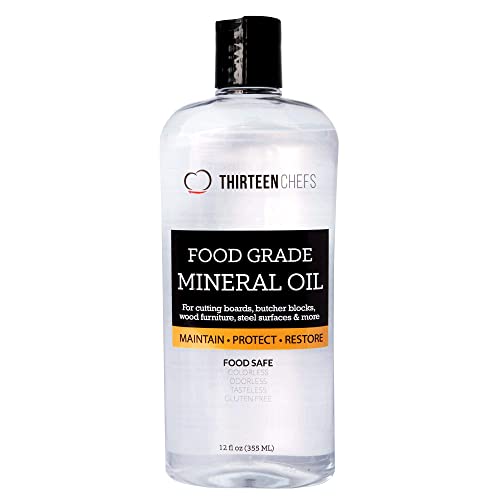
- Occasional Oiling: To prevent the wood from drying out and cracking, especially in dry climates or after extensive use, you can occasionally treat the handles with a food-safe mineral oil or a specialized wood conditioner. Apply a small amount with a clean cloth, let it soak in for a few hours or overnight, and then wipe off any excess. This helps to moisturize and protect the wood.
- Gentle Cleaning for Stains: If you notice minor stains, you can try a paste of baking soda and water. Gently scrub the stained area, then rinse and dry thoroughly. For tougher stains, you might need to lightly sand the area and re-oil, but this is usually a last resort.
- Check for Looseness: Periodically, check if the handles are still securely attached. If you notice any wobbling, you may be able to tighten the rivets or screws, depending on the cookware’s construction. If you’re unsure, it’s best to consult a professional or the manufacturer.
By following these simple care tips, you can ensure your wooden handles remain beautiful, functional, and a joy to use for years to come.
When Are Wooden Handles the Right Choice?
Wooden handles are fantastic for a wide range of cooking tasks and for many different types of cooks. They shine brightest in situations where comfort, safety, and a natural feel are priorities.
Ideal Cooking Scenarios:
- Everyday Stovetop Cooking: For tasks like sautéing vegetables, frying eggs, making sauces, or simmering soups, where the pan is on direct heat for moderate periods, wooden handles are excellent.
- Quick Pan Movements: When you need to quickly lift or move a pan off the heat, the cooler handle provides a safer and more confident grip.
- Comfort is Key: If you have sensitive hands, wrist issues, or simply prefer a warmer, more tactile feel than metal, wooden handles offer superior comfort.
- Aesthetic Appeal: For those who love a beautiful kitchen and appreciate natural materials, wooden handles add a touch of elegance and warmth.
- Beginner Cooks: The added safety of heat insulation and a comfortable grip can boost confidence for those just starting out in the kitchen.
Situations Where Other Handles Might Be Better:
- High-Heat, Long Oven Roasting: If your recipes frequently involve extended periods in ovens above 350°F (175°C), metal or oven-safe silicone handles are a safer bet.
- Dishwasher Reliance: If you rely heavily on your dishwasher for cleaning all your cookware, you’ll need to choose handles designed for that environment.
- Extreme Durability Needs: For professional kitchens or very heavy-duty use where handles might be subjected to significant abuse, solid stainless steel might be preferred for its sheer toughness.
Ultimately, the “best” handle material depends on your personal cooking style, the types of dishes you prepare most often, and your preferences for aesthetics and maintenance.
A Look at Different Types of Wood Used
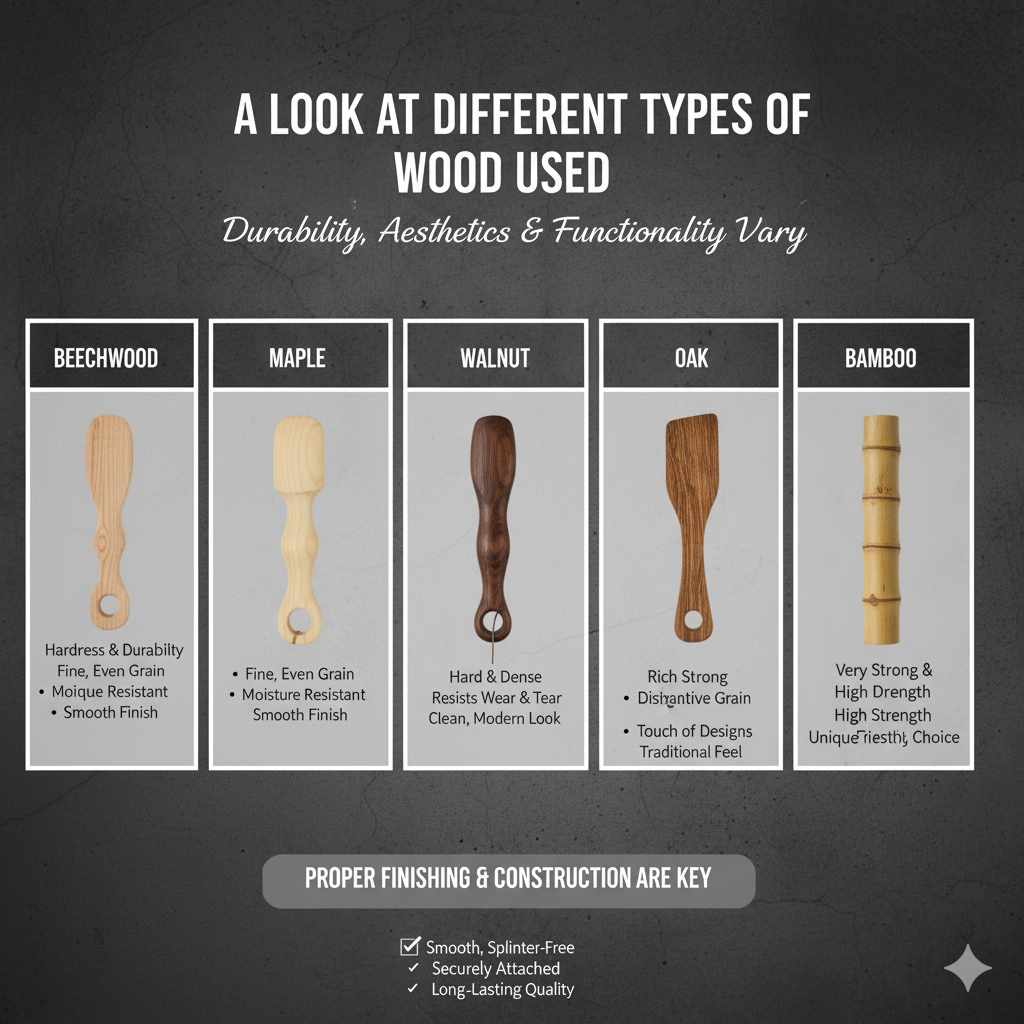
Not all wooden handles are created equal. The type of wood used can affect its durability, heat resistance, and appearance. Here are some common woods you might find:
- Beechwood: Known for its hardness, fine grain, and resistance to moisture, beechwood is a popular choice for its durability and smooth finish.
- Maple: Similar to beech, maple is a hard, dense wood that offers good resistance to wear and tear. Its light color provides a clean, modern look.
- Walnut: Often chosen for its beautiful dark color and elegant grain patterns, walnut is a strong hardwood. It can add a touch of luxury to cookware.
- Oak: A very strong and durable wood, oak has a distinct grain pattern. It’s often used in more rustic or traditional designs.
- Bamboo: While technically a grass, bamboo is often treated and used like hardwood. It’s known for its strength, sustainability, and unique aesthetic.
Regardless of the specific wood, proper finishing and construction are key. A good quality wooden handle will be smooth, free of splinters, and securely attached to the pan.
Frequently Asked Questions (FAQ)
Q1: Are wooden handles safe for all types of cooking?
Wooden handles are excellent for most stovetop cooking. However, they are generally not recommended for very high oven temperatures or prolonged periods in the oven, as the wood can scorch or crack. Always check the manufacturer’s guidelines for oven-safe temperatures.
Q2: Can I put pots and pans with wooden handles in the dishwasher?
No, absolutely not. Dishwashers are too harsh for wooden handles. The high heat, moisture, and detergents can cause the wood to warp, crack, and lose its finish. Always hand wash cookware with wooden handles.
Q3: How do I clean and maintain wooden pot handles?
Gently wash with warm, soapy water and a soft cloth, then dry thoroughly. Avoid soaking. You can periodically apply a food-safe mineral oil to keep the wood moisturized and prevent it from drying out.
Q4: Will wooden handles get hot on the stove?
Wooden handles are excellent insulators and stay much cooler than metal handles during stovetop cooking. While they won’t get as hot, they can still become warm, especially if left directly over a flame for extended periods. It’s always wise to use a pot holder if you’re unsure.
Q5: Are wooden handles more durable than metal handles?
Wooden handles are durable when cared for properly. Metal handles might be more resistant to physical damage like dents or scratches, but wooden handles offer better heat insulation and a more comfortable grip. Durability also depends on the quality of the wood and the construction of the handle.
Q6: Can I use wooden handles for induction cooktops?
Yes, wooden handles themselves do not affect the function of induction cooktops. The material of the pot or pan itself is what determines its compatibility with induction. As long as the cookware is induction-compatible, the wooden handle is fine.
Q7: What if my wooden handle becomes loose?
If your wooden handle feels loose, check if it’s attached with screws or rivets. Sometimes, a screw might just need tightening. If it’s a riveted handle or you’re uncomfortable fixing it yourself, it’s best to contact the manufacturer for advice or consider professional repair to ensure safety.
Conclusion: The Enduring Charm and Practicality of Wooden Handles
As we’ve explored, the humble wooden handle on your pots and pans is far more than just a decorative element. It’s a functional design choice that brings a wealth of benefits to your kitchen. From the crucial advantage of staying cooler on the stovetop, thereby protecting your hands, to offering a comfortable, ergonomic grip that makes cooking a pleasure, wood proves its worth time and time again.
The natural beauty of wood adds a timeless warmth and charm to any kitchen, making your cookware not just a tool, but a part of your home’s aesthetic. Combined with their relative lightness and potential for sustainable sourcing, wooden handles offer a compelling blend of practicality, comfort, and style. While they do require a bit more specific care than their metal counterparts—hand washing and avoiding extreme heat are key—this care is a small price to pay for the enhanced cooking experience they provide.
Whether you’re a seasoned chef or just starting your culinary journey, choosing cookware with wooden handles can bring a touch of natural elegance and a significant boost in comfort and safety to your kitchen. So, the next time you see those beautiful wooden handles, you’ll know they’re not just there for show; they’re there to make your cooking experience better, safer, and more enjoyable. Embrace the warmth and wisdom of wood in your kitchen!