Will a Blue Tarp Kill Grass? A Guide for Automotive Enthusiasts
Hey there, buddy! If you’re like me, your garage and driveway are your playgrounds for car projects, and a blue tarp is probably your trusty sidekick. I’ve used these tarps to cover my old Chevy, catch oil drips, or create shade while working on a hot day. But one question kept bugging me when I left a tarp on my lawn: Will a blue tarp kill grass? I’ve seen my once-green yard turn patchy after leaving a tarp down too long, so I dove into this topic to figure out what’s going on.
As an automotive enthusiast who’s wrestled with tarps and lawn care, I’m excited to share my findings with you. Let’s sit down together and explore whether blue tarps harm grass, how to use them safely, and what to do if your lawn takes a hit. Ready? Let’s get started!
Why Blue Tarps Are a Go-To for Car Lovers
Blue tarps are everywhere in my garage. They’re cheap, lightweight, and perfect for all sorts of automotive tasks. I spread one under my car during oil changes to keep the driveway clean. I drape another over my project car to protect it from rain. Sometimes, I even use a tarp as a makeshift canopy when I’m wrenching in the sun. But when I park my car on the grass or leave a tarp on the lawn for a project, I’ve noticed the grass underneath doesn’t always look happy. That got me wondering how these tarps affect my yard and what I can do about it.
How Blue Tarps Affect Grass
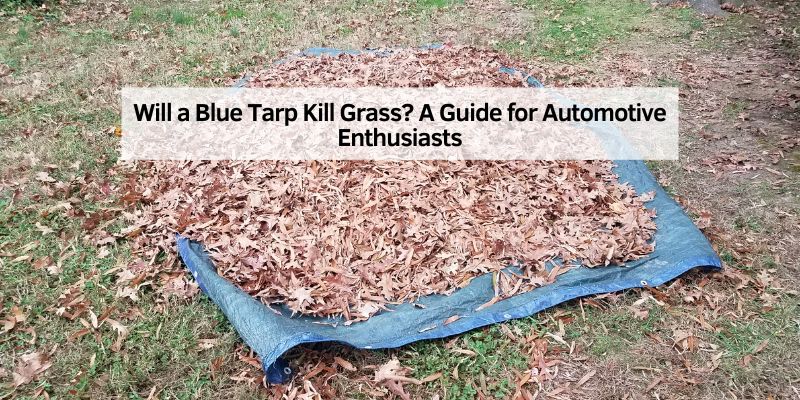
Let’s get to the heart of it: yes, a blue tarp can kill grass if you’re not careful. I learned this the hard way when I left a tarp on my lawn for a week while working on my car’s suspension. When I pulled it up, the grass was yellow, matted, and dead in spots. Here’s why this happens:
- Blocks Sunlight: Blue tarps, usually made of polyethylene, don’t let sunlight through. Grass needs sunlight for photosynthesis to grow. Without it, grass weakens and dies.
- Traps Moisture: Tarps create a barrier that traps water underneath. This can cause mold or rot, especially in humid areas like my Ohio backyard.
- Prevents Airflow: Grass needs air to breathe. A tarp smothers it, starving the roots of oxygen.
- Heats Up: On hot days, a tarp can trap heat, cooking the grass underneath. I’ve seen this in summer when the ground felt like an oven under the tarp.
After that first mishap, I realized I needed to be smarter about how I use tarps on my lawn.
Factors That Influence Grass Damage
Not every tarp situation kills grass, though. I’ve left tarps down for short periods without much harm. Here’s what I’ve learned about what makes a difference:
- Time: A tarp left for a day or two might just yellow the grass, which can recover. A week or more? That’s when I see dead patches.
- Weather: In hot, dry weather, grass dies faster under a tarp because of heat buildup. In cooler, wet weather, mold is the bigger issue.
- Tarp Type: Most blue tarps are waterproof polyethylene, which blocks air and water flow. I’ve used mesh tarps that let some air through, and they’re less harmful.
- Grass Type: Some grasses, like Bermuda, are tougher and bounce back better. My Kentucky bluegrass is pickier and suffers more under a tarp.
I once left a tarp on my lawn for just three days during a rainy spell, and the grass was fine after airing out. But a two-week stretch in July? Total disaster.
Testing Tarps on My Lawn
To get a better handle on this, I did a little experiment in my backyard. I laid a blue tarp over a patch of grass for different lengths of time: one day, three days, and a week. Here’s what I saw:
| Time Under Tarp | Grass Condition | Recovery Time |
|---|---|---|
| 1 Day | Slightly yellow, still alive | 1-2 days with water and sun |
| 3 Days | Yellow, matted, some browning | 3-5 days with care |
| 7 Days | Mostly dead, brown, patchy | Weeks, needed reseeding |
The one-day patch bounced back after a good watering. The three-day patch needed some TLC but recovered. The week-long patch was a goner—I had to reseed it. This taught me that time is the biggest factor, and I now avoid leaving tarps down for long.
How to Use Blue Tarps Without Killing Grass
After my lawn experiments, I got smarter about using tarps. Here are the tricks I use to protect my grass while working on car projects:
- Limit Time: I never leave a tarp on grass for more than a day or two. If I need it longer, I move it every couple of days to let the grass breathe.
- Use Mesh Tarps: I bought a mesh tarp for projects on the lawn. It lets air and some light through, so the grass doesn’t suffer as much.
- Elevate the Tarp: I place small blocks or bricks under the tarp’s edges to allow airflow. This worked great when I was painting car parts on the grass.
- Choose a Shaded Spot: If I can, I set up in a shady area where the tarp won’t trap as much heat. This helps in summer.
- Water Before and After: I water the grass before laying down a tarp and again after removing it. It keeps the grass hydrated and helps it recover.
These steps have saved my lawn from looking like a patchwork quilt. I used them last month when I had a tarp down for a weekend project, and the grass was fine afterward.
What to Do If Your Grass Gets Damaged
Sometimes, despite my best efforts, the grass takes a hit. I’ve had to revive patches of my lawn after tarp mishaps. Here’s what I do:
- Remove the Tarp ASAP: The sooner I get the tarp off, the better the grass’s chances. I check daily to see how it’s holding up.
- Water Thoroughly: I give the area a good soak to rehydrate the grass. This helps yellow patches perk up.
- Aerate the Soil: If the grass is matted, I use a garden fork to poke holes in the soil. It lets air and water reach the roots.
- Fertilize Lightly: I add a bit of lawn fertilizer to give the grass a boost. I avoid overdoing it to prevent burning.
- Reseed if Needed: For dead patches, I spread grass seed and cover it with a thin layer of topsoil. I keep it watered daily until it grows.
Last summer, I revived a dead patch by reseeding and watering consistently for two weeks. It wasn’t perfect, but it blended in with the rest of the lawn eventually.
Alternatives to Blue Tarps for Lawn-Friendly Projects
After a few grass-killing incidents, I started looking for tarp alternatives that are kinder to my lawn. Here’s what I’ve tried:
- Breathable Tarps: Canvas tarps are more expensive but let air and some moisture through. I use one for indoor projects and sometimes on the lawn.
- Ground Covers: I bought a permeable ground cover from a gardening store. It’s designed for weed control but works great for car projects without smothering grass.
- Plywood Sheets: For heavy jobs, I lay down plywood instead of a tarp. It spreads weight evenly and doesn’t trap moisture as much.
- Portable Mats: I found a rubber mat made for mechanics. It’s easy to move and doesn’t kill grass if I shift it daily.
I used a canvas tarp for a recent project, and the grass underneath stayed green after three days. It’s pricier, but worth it for lawn lovers.
Why This Matters for Automotive Enthusiasts
As car folks, we spend a lot of time in our driveways and yards. A healthy lawn not only looks good but also makes our workspace more enjoyable. I love showing off my cars at home, and a patchy lawn takes away from the vibe. Plus, keeping grass alive is eco-friendly—it prevents erosion and supports local wildlife. By using tarps smartly, I keep my yard green and my projects on track.
Environmental Impact of Blue Tarps
Blue tarps aren’t just a lawn issue—they’re part of a bigger environmental picture. Most are made from polyethylene, a plastic that’s recyclable but often ends up in landfills. I’ve started recycling my old tarps at plastic film drop-offs, like at my local grocery store. It’s a hassle to clean them first (oil and grease are no-gos), but it feels good to reduce waste. If a tarp is too damaged, I repurpose it as a truck liner or weed barrier. This way, I’m not just saving my grass but also being kinder to the planet.
Tips for Tarp Use in Automotive Projects
Here are some extra tips I’ve picked up from my tarp adventures:
- Secure the Tarp: I use bungee cords or weights to keep tarps from flapping. A loose tarp can drag dirt across your lawn, making things worse.
- Check Weather Forecasts: I avoid laying tarps down before heavy rain, as trapped water can drown grass. Dry days are best.
- Rotate Locations: If I’m working on a long project, I move the tarp to a new spot every day or two. It gives the grass a break.
- Clean Tarps Regularly: A clean tarp is less likely to transfer grease or chemicals to your lawn. I rinse mine with a hose after every use.
- Store Properly: I fold my tarps and store them in a dry spot to prevent mold, which could spread to the grass next time I use them.
These tricks have made my tarp use more lawn-friendly and my projects smoother.
Real-Life Lessons from My Yard
I’ll share a quick story. Last year, I was rebuilding a carburetor on my driveway, but I needed to park my car on the grass for space. I threw a blue tarp down to catch spills, thinking it’d be fine for a week. Big mistake—the grass was brown and dead when I moved it. I had to reseed and water like crazy to fix it. Now, I’m super careful about how long I leave tarps down and always use breathable options when I can. It’s a small change that’s saved my lawn from more damage.
How to Balance Car Projects and Lawn Care
Balancing my love for cars with keeping my yard green took some trial and error. I plan my projects to minimize tarp use on grass—using my driveway or garage whenever possible. If I need to work on the lawn, I limit tarp time and check the grass daily. I also keep my lawn healthy with regular mowing and watering, so it’s tougher against tarp stress. It’s all about finding that sweet spot between getting my car fixed and keeping my yard happy.
Why I Love My Blue Tarps (Despite the Risks)
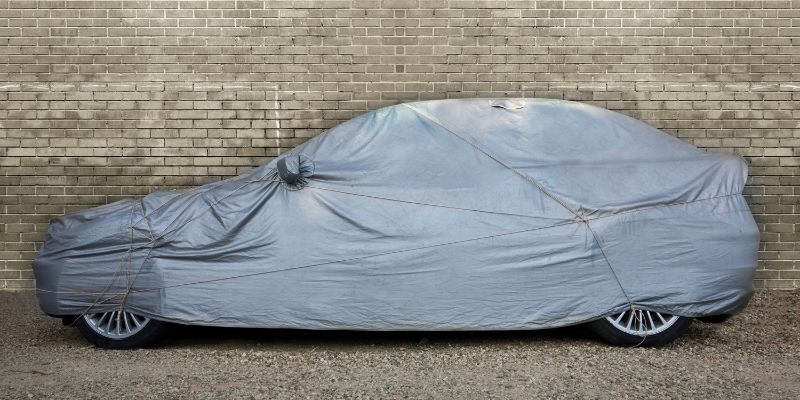
Don’t get me wrong—I still love my blue tarps. They’re affordable, versatile, and a lifesaver for automotive work. I’ve used them to cover my car during a surprise storm, catch paint drips, and even make a shade canopy for a car show. The key is using them wisely to avoid lawn damage. With a little care, I can keep my grass green and my projects rolling.
Wrapping It Up: Keep Your Lawn Green and Your Cars Gleaming
So, will a blue tarp kill grass? It can, but it doesn’t have to. By limiting how long you leave a tarp down, using breathable options, and giving your lawn some TLC, you can protect your grass while tackling your car projects. I’ve learned to be mindful of my tarps, moving them often, elevating them for airflow, and switching to alternatives like canvas or mats when possible.
Whether you’re wrenching on a classic car or just keeping your ride covered, you can keep your lawn thriving with a bit of planning. So, grab that tarp, use it smartly, and enjoy a green yard and a shiny car. You’ve got this!
Frequently Asked Questions
Will a blue tarp always kill grass?
Not always. I’ve left tarps down for a day or two without major damage. Longer than that, especially in hot weather, can yellow or kill grass.
How long can I leave a tarp on grass safely?
I try not to leave it more than a day or two. If I need it longer, I move it daily to let the grass breathe and recover.
Can I use a different tarp to avoid killing grass?
Yes! I use mesh or canvas tarps because they let air and some light through. They’re gentler on grass than blue polyethylene tarps.
How do I fix grass damaged by a tarp?
I remove the tarp, water the area well, aerate with a fork, and add fertilizer. For dead patches, I reseed and keep it watered daily.
Are there tarp alternatives for car projects?
Definitely. I use plywood, rubber mats, or breathable ground covers. They protect my lawn better while still catching spills.
Can I recycle blue tarps to be eco-friendly?
Yes, if they’re clean. I take mine to plastic film drop-offs at grocery stores. Check recyclemoreplastic.org for locations near you.