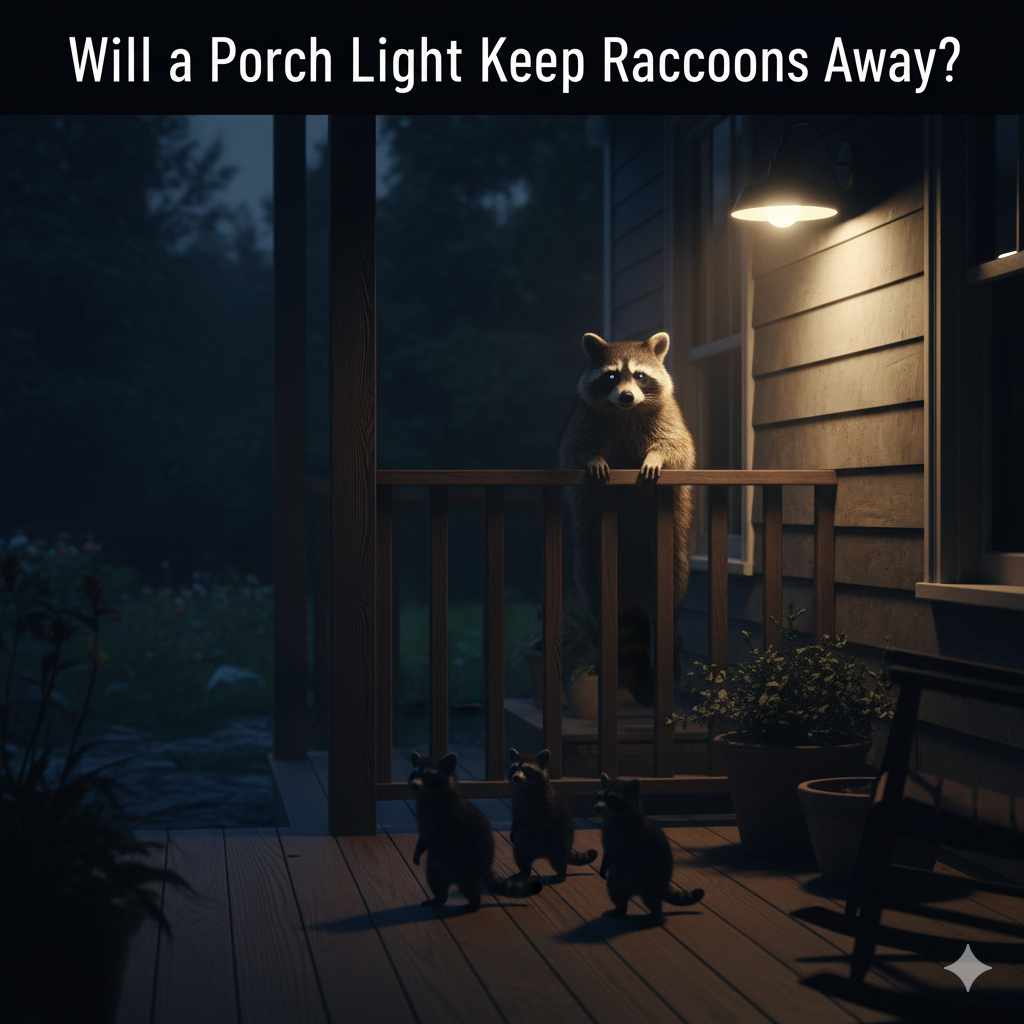
Will a Porch Light Keep Raccoons Away? Essential Guide
Quick Summary:
A standard porch light can help deter raccoons by making your porch less appealing for nighttime foraging. However, it’s not a foolproof solution on its own. Combining lighting with other deterrents offers the best protection.
Hey there, fellow homeowners and DIY enthusiasts! Md Meraj here. Ever find yourself wondering if that welcoming glow from your porch light is actually doing more than just setting a nice mood? If you’ve had any unwelcome nighttime visitors, especially those clever masked bandits known as raccoons, you might be asking: will a porch light keep raccoons away? It’s a common question, and the answer is a bit nuanced. Raccoons are smart, curious, and often drawn to areas where they can find food or shelter. While a simple light might startle them, it’s not always enough to send them packing for good. But don’t worry! We’ll break down how lighting can play a role and, more importantly, what other simple, effective steps you can take to make your home less inviting to these nocturnal critters. Let’s get your porch raccoon-proofed and peaceful again!
Understanding Raccoon Behavior and Lighting
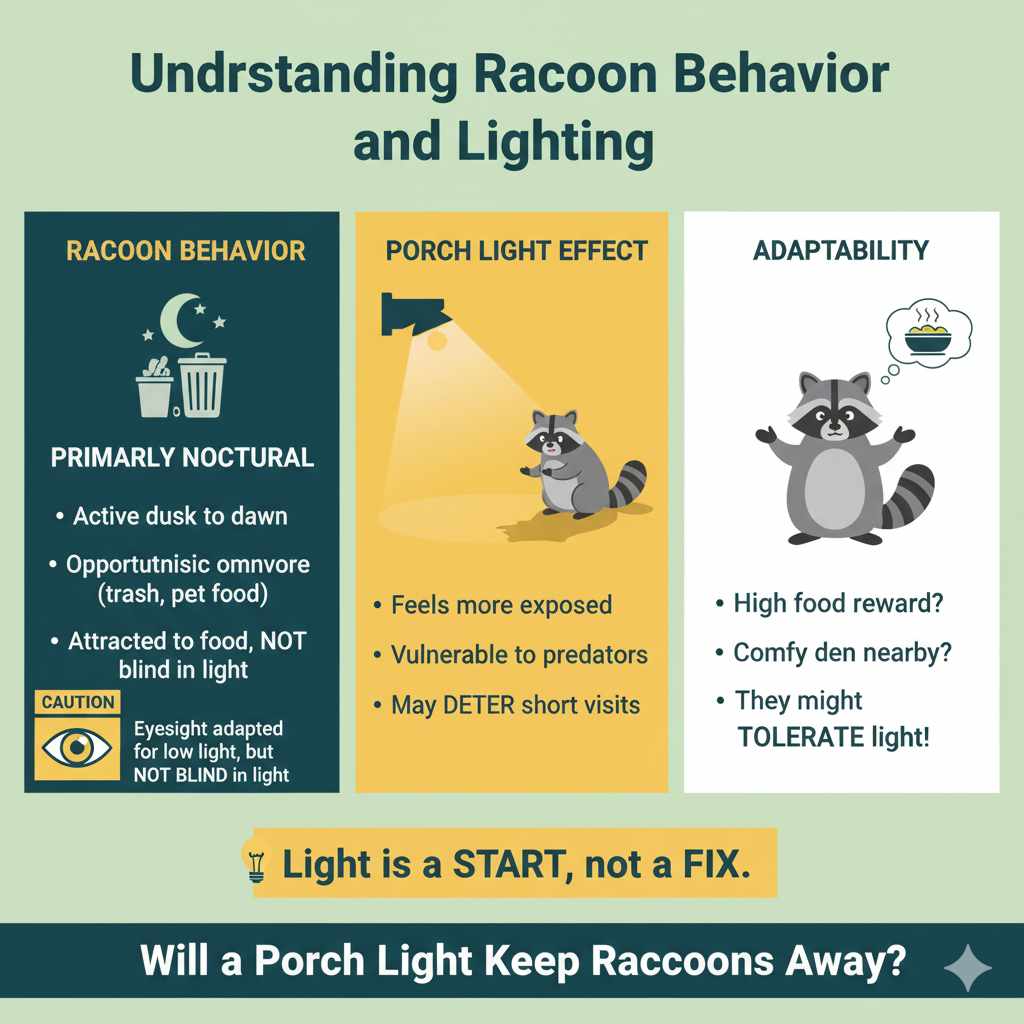
Raccoons are primarily nocturnal, meaning they are most active after dusk and before dawn. They are opportunistic omnivores, always on the lookout for easy meals. This often leads them to our trash cans, pet food bowls left outdoors, or even compost bins. Their eyesight is adapted for low light, but they are not blind in brighter conditions. This is where the porch light comes into play. A well-lit area can make them feel more exposed and vulnerable to predators, which might make them think twice about lingering.
However, raccoons are also incredibly adaptable. If there’s a strong food source or a comfortable den nearby, they might tolerate the light or even get used to it. Think of it like this: if you knew there was a delicious buffet just beyond a brightly lit doorway, you might still try to sneak in! So, while a porch light is a good first step, it’s rarely the only solution needed to keep raccoons away effectively.
How Porch Lights Can (and Can’t) Deter Raccoons
The idea behind using a porch light is to disrupt a raccoon’s natural inclination to operate in darkness. By illuminating your porch, you can:
- Increase Visibility: Raccoons prefer to move under the cover of darkness. A lit porch makes them feel exposed, potentially deterring them from investigating or settling in.
- Annoyance Factor: Bright, sudden lights can sometimes startle or disorient them, making your porch a less comfortable place to hang out.
- Discourage Food Seeking: If your porch light illuminates areas where they might find scraps or access to your home (like a poorly sealed door or window), it can make these spots less appealing.
On the flip side, here’s why a porch light alone might not be enough:
- Habituation: If raccoons repeatedly encounter a porch light and nothing happens, they can become accustomed to it.
- Strong Attractants: If you have easily accessible food sources (like trash bins without secure lids or pet food left out), these will likely outweigh the deterrent effect of a light.
- Limited Range: A porch light only illuminates a specific area. Raccoons are mobile and can easily bypass the lit zone if their target is nearby.
- Nocturnal Vision: While they prefer darkness, raccoons can still see well enough in moderate light to navigate and forage.
Choosing the Right Porch Light for Deterrence
Not all porch lights are created equal when it comes to deterring wildlife. If you’re looking to leverage lighting for this purpose, consider these features:
Motion-Activated Lights
These are often the most effective type of lighting for deterring raccoons. When motion is detected, the light suddenly turns on, startling the animal and making it feel exposed. This sudden illumination is more likely to make them flee than a constantly lit area.
- Pros: Energy-efficient (only on when needed), surprising effect, can be a good security measure.
- Cons: Can be triggered by pets or falling leaves, might require battery changes or wiring.
Solar-Powered Lights
Solar lights are convenient and eco-friendly. Many come with motion-sensing capabilities and can be easily installed without complex wiring. They charge during the day and can provide light throughout the night, especially those with dusk-to-dawn sensors.
- Pros: No electricity costs, easy installation, environmentally friendly.
- Cons: Performance depends on sunlight, may not be as bright as hardwired lights, battery life can vary.
Bright, Broad-Spectrum Bulbs
If you opt for a standard, always-on porch light, consider using brighter bulbs with a wider beam. LED bulbs are a great choice because they are energy-efficient and can provide significant brightness. While raccoons don’t have a particular aversion to specific colors of light, a brighter, more encompassing light can make them feel less secure.
- Pros: Consistent illumination, can cover a wider area.
- Cons: Uses more energy than motion-activated lights, might not be as startling.
Beyond Lighting: A Multi-Layered Approach to Raccoon Deterrence
Since a porch light is just one piece of the puzzle, let’s explore other reliable methods to keep raccoons away from your home. A combination of strategies is always best for long-term success.
1. Secure Your Trash Cans
This is arguably the most critical step. Raccoons are notorious for rummaging through trash for discarded food. Invest in sturdy trash cans with locking lids. If your current bins don’t have locks, you can often buy aftermarket locking mechanisms or use bungee cords to secure the lids tightly.
Actionable Tip: Always ensure the lid is securely fastened before leaving it out for collection. Consider storing trash cans in a garage or shed between pick-up days if possible.
2. Eliminate Outdoor Food Sources
Raccoons are attracted to easy meals. This includes:
- Pet Food: Never leave pet food or water bowls outside overnight. Bring them in after your pet has finished eating.
- Bird Feeders: While a nice amenity for birds, birdseed can be a feast for raccoons. Opt for feeders that are squirrel and raccoon-proof, or consider taking them down if you have persistent problems.
- Fallen Fruit: Regularly pick up any fallen fruit from trees in your yard.
- Compost Bins: Ensure your compost bin is animal-proof and doesn’t contain meat or dairy products that are particularly attractive to scavengers.
3. Seal Entry Points
Raccoons can be surprisingly adept at finding ways into your home or outbuildings. Inspect your property for potential entry points and seal them up:
- Attic and Crawl Spaces: Check for gaps or holes in the roofline, vents, or foundation.
- Garages: Ensure garage doors seal tightly.
- Sheds: Look for loose siding or gaps in the structure.
Tool Tip: For sealing small gaps, durable caulk or expanding foam sealant can be effective. For larger holes, consider using sturdy wire mesh (like hardware cloth) or sheet metal, secured with screws or nails. Always ensure you’re not sealing up a den if raccoons are already inside; it’s best to wait until they’ve left.
According to the U.S. Geological Survey, sealing entry points is a crucial long-term strategy for preventing wildlife from taking up residence.
4. Remove Water Sources
Raccoons, like most animals, need water to survive. Standing water can attract them. Check for and address:
- Leaky outdoor faucets
- Clogged gutters that hold water
- Old tires or containers that collect rainwater
- Uncovered swimming pool covers
5. Use Repellents (with Caution)
There are various commercial repellents, often containing strong scents like ammonia or predator urine, that can deter raccoons. However, their effectiveness can be temporary, and they may need frequent reapplication, especially after rain. Some natural options include applying cayenne pepper or placing ammonia-soaked rags around problem areas. Always follow product instructions carefully and consider the safety of children and pets.
6. Consider Ultrasonic Devices
Ultrasonic pest repellers emit high-frequency sounds that are supposed to be unpleasant for animals but inaudible to humans. Their effectiveness against raccoons is debated, and some studies suggest animals can become accustomed to them over time. They are generally safe and easy to use but might not be a standalone solution.
7. Professional Help
If you’re dealing with a persistent or severe raccoon problem, or if you suspect raccoons have taken up residence in your home, it might be time to call in a professional wildlife removal service. They have the expertise and equipment to safely and humanely remove animals and advise on the best long-term solutions.
Table: Pros and Cons of Different Deterrent Methods
To help you choose the best combination of methods, here’s a quick comparison:
| Deterrent Method | Pros | Cons | Best For |
|---|---|---|---|
| Porch Lights (Motion-Activated) | Startling effect, energy-efficient, security enhancement | Can be triggered by non-target movement, requires power | General deterrence, making areas feel less safe |
| Secure Trash Cans | Highly effective against food-seeking behavior | Initial cost, requires consistent use | Preventing main attractant (food) |
| Eliminate Outdoor Food Sources | Reduces overall attraction to your property | Requires diligence, may involve changing habits | Making your yard less appealing overall |
| Seal Entry Points | Long-term prevention, prevents habitation | Requires inspection, can be labor-intensive | Preventing raccoons from entering structures |
| Repellents (Scent-Based) | Can be a quick fix, some natural options available | Temporary, needs reapplication, variable effectiveness | Temporary deterrence, supplementing other methods |
| Ultrasonic Devices | Inaudible to humans, easy to use | Debated effectiveness, animals may habituate | Supplementing other deterrents |
DIY Project: Enhancing Your Porch Light Security
Let’s say you have a standard porch light fixture, and you want to make it more effective without a complete overhaul. Here’s a simple DIY enhancement you can do:
Project: Adding a Motion Sensor to an Existing Fixture
Many standard outdoor light fixtures can be retrofitted with a motion-sensing adapter or a new motion-sensing bulb. This is a great way to get the benefits of motion detection without replacing the entire fixture.
Tools and Materials You Might Need:
- Motion-sensing adapter or motion-sensing LED bulb
- Screwdriver (Phillips or flathead, depending on your fixture)
- Ladder (if the fixture is high)
- Gloves (for safety)
- Safety glasses
Steps:
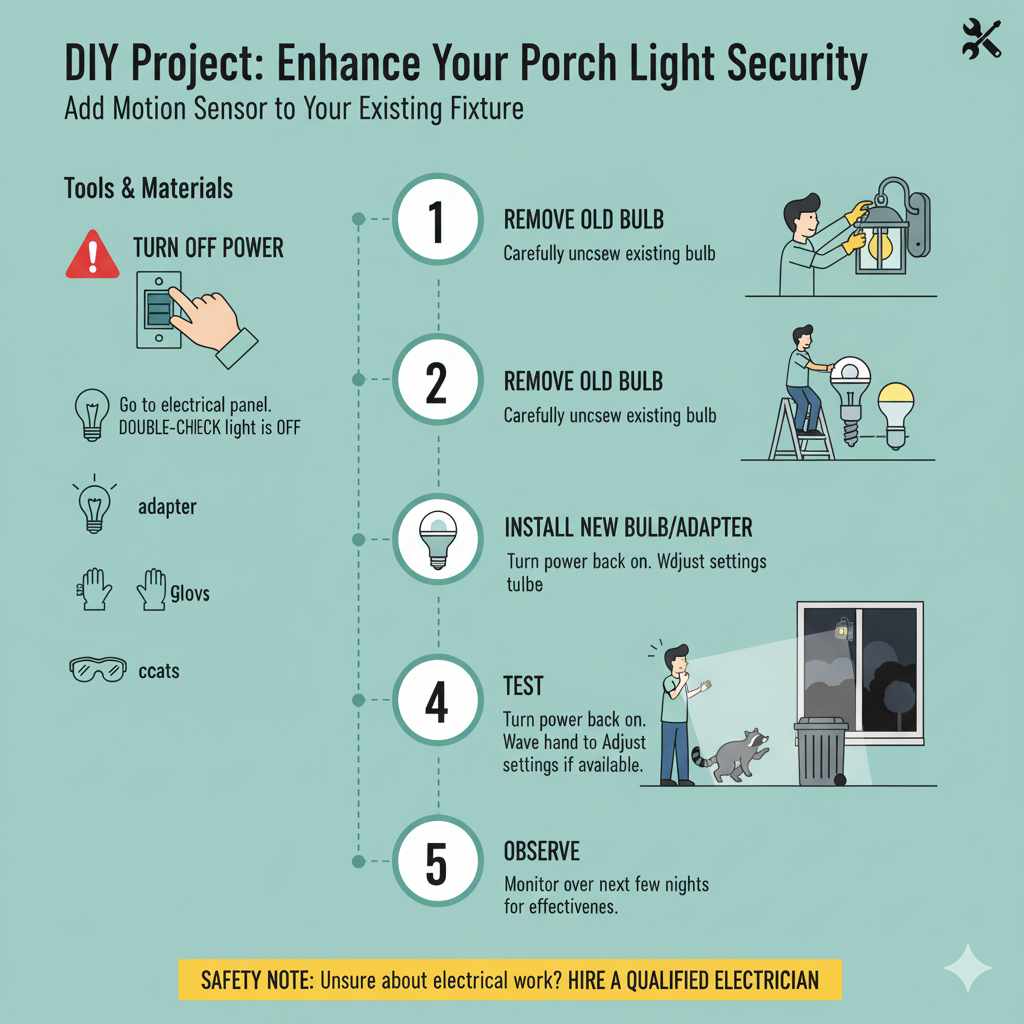
- Turn Off Power: This is the MOST IMPORTANT step. Go to your electrical panel and flip the breaker that controls your porch light. If you’re unsure which breaker it is, turn off the main breaker for your home. Double-check that the light doesn’t turn on when you flip the switch.
- Remove Old Bulb: Carefully unscrew the existing light bulb from the fixture.
-
Install New Bulb/Adapter:
- If using a motion-sensing bulb: Simply screw the new bulb into the socket.
- If using an adapter: Screw the adapter into the socket, then screw the original or a new compatible bulb into the adapter.
- Test: Turn the power back on at the breaker. Test the light by waving your hand in front of it. Adjust the sensor’s sensitivity or timing settings if your adapter/bulb has them.
- Observe: Monitor the light over the next few nights to ensure it’s working correctly and effectively startling any curious critters.
Safety Note: If you are uncomfortable working with electrical fixtures, it’s always best to hire a qualified electrician. This is a straightforward project, but safety comes first!
Frequently Asked Questions (FAQ)
Q1: Will a regular porch light scare raccoons away?
A regular, always-on porch light might offer a small deterrent by making the area less dark, but it’s often not enough on its own. Raccoons can get used to constant light, especially if there are strong attractants like food nearby. Motion-activated lights are generally more effective because the sudden illumination startles them.
Q2: What is the best type of light to keep raccoons away?
Motion-activated lights are typically the most recommended for deterring raccoons. The sudden burst of light when they approach can be startling and make them feel exposed, encouraging them to move on. Solar-powered motion lights are a convenient and eco-friendly option.
Q3: How bright does a porch light need to be to deter raccoons?
There isn’t a specific lumen requirement, but a brighter light with a wider beam is generally more effective than a dim one. The key is the sudden change from dark to light, which a motion sensor provides, rather than just a constant level of brightness.
Q4: Can raccoons get used to porch lights?
Yes, raccoons are intelligent and adaptable animals. If a porch light is always on and doesn’t lead to any negative consequences for them, they can quickly become accustomed to it and no longer see it as a deterrent.
Q5: Are there any lights that raccoons absolutely hate?
Raccoons don’t necessarily “hate” a specific type of light, but they are sensitive to sudden changes in illumination and prefer to operate in darkness where they feel more secure. Therefore, bright, motion-activated lights that surprise them are more effective than constant, predictable lighting.
Q6: What should I do if raccoons are already attracted to my porch area?
If raccoons are already visiting your porch, the first step is to identify and remove any attractants. This usually means securing trash cans, removing outdoor pet food, and cleaning up fallen fruit. Combine this with motion-activated lighting and ensure there are no easy entry points into your home.
Q7: Is it safe to use lights to deter raccoons with pets around?
Yes, motion-activated lights are generally safe for pets. The light only comes on when motion is detected, and it’s not harmful. However, ensure your pets aren’t stressed by sudden lights, and always supervise them when they are outdoors, especially at night.
Conclusion
So, will a porch light keep raccoons away? The answer is a qualified yes, but with a significant caveat: it’s most effective as part of a broader strategy. While a well-placed, bright, or motion-activated porch light can certainly make your home less inviting for nocturnal visitors by making them feel exposed, it’s rarely a complete solution on its own. Raccoons are driven by their need for food and shelter, and if those are readily available, a simple light might not be enough to deter them.
The most reliable way to keep raccoons at bay involves a multi-pronged approach. This means securing your trash cans with sturdy, locking lids, eliminating any outdoor food sources like pet food or birdseed, and sealing up potential entry points into your home or outbuildings. By making your property less attractive and accessible, you significantly reduce the chances of unwanted visits. Think of your porch light as a helpful assistant, working alongside other, more fundamental deterrents. By implementing these practical, DIY-friendly steps, you can create a more secure and peaceful environment around your home, enjoying your evenings without worrying about those masked foragers.