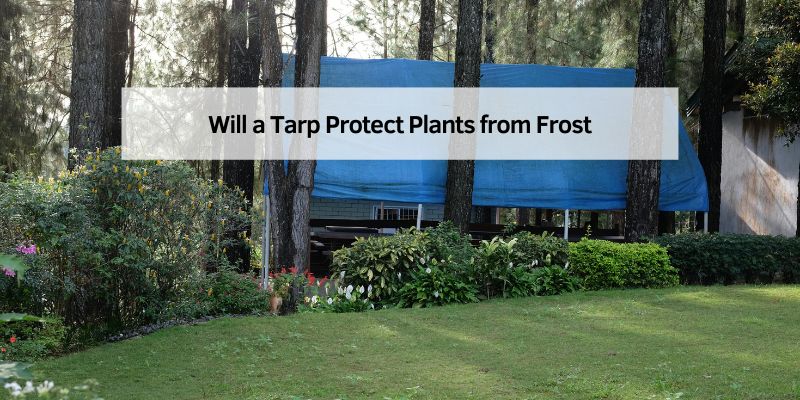
Will a Tarp Protect Plants from Frost?
Hey there! If you’re like me, you’ve probably spent countless hours nurturing your garden, watching those plants grow from tiny seeds into vibrant greenery. So, when the first hint of frost threatens, it’s natural to panic a bit. I’ve been there, staring out at my garden, wondering how to keep my plants safe from that chilly snap. One question that popped into my mind during one of those frosty fall evenings was, “Will a tarp protect plants from frost?” It’s a simple solution that seems almost too good to be true. After years of experimenting in my own backyard, I’m here to share everything I’ve learned about using tarps to shield plants from frost. Let’s dive into this topic and explore how a tarp can be a gardener’s best friend—or if it’s not quite the hero we hope it to be.
Understanding Frost and Its Impact on Plants
Frost is that sneaky layer of ice crystals that forms when the temperature dips below 32°F. It’s a menace for gardeners because it can damage or even kill tender plants. I’ve seen it happen—leaves turning black, stems going limp, and all that hard work in the garden gone in a single night. Frost happens when the air is humid, and the temperature drops quickly, causing moisture to freeze on plant surfaces. This is especially tough on young plants, annuals, or tender perennials that aren’t built for cold weather.
Why does frost hurt plants? It’s all about the water inside the plant cells. When that water freezes, it expands and can burst the cell walls. Think of it like a water balloon popping—it’s not pretty. Some plants, like kale or carrots, can handle light frost. Others, like tomatoes or basil, are super sensitive and need protection. Knowing which plants are at risk in your garden is the first step to deciding if a tarp can help.
Can a Tarp Really Protect Plants from Frost?
So, let’s get to the big question: will a tarp protect your plants from frost? The short answer is yes, but there’s a catch. I’ve used tarps in my garden for years, and they can work wonders if you use them right. A tarp acts like a barrier, trapping heat from the soil and creating a cozy microclimate for your plants. It’s like tucking them into bed with a blanket. But not all tarps are created equal, and using one the wrong way can do more harm than good.
Tarps are affordable, easy to find, and versatile. You probably have one lying around in your garage or shed. I’ve grabbed a tarp from my camping gear in a pinch, and it’s saved my tomatoes more than once. But before you drape that old tarp over your garden, there are some things you need to know to make sure it’s actually helping your plants.
Choosing the Right Tarp for Frost Protection
Not every tarp is a good fit for protecting plants. I learned this the hard way when I used a heavy plastic tarp that ended up crushing some of my delicate herbs. Here’s what to look for when picking a tarp:
- Material Matters: Lightweight, breathable tarps are best. I prefer canvas or polyethylene tarps with tiny perforations that let air circulate. Heavy plastic tarps can trap too much moisture, leading to mold or rot. Avoid vinyl tarps—they’re too heavy and don’t breathe well.
- Size and Coverage: The tarp needs to cover your plants completely without touching them. I’ve found that a tarp that’s too small leaves gaps where cold air sneaks in, while one that’s too big can be hard to secure. Measure your garden bed before buying.
- Color: Light-colored tarps reflect sunlight and keep things cooler during the day, which is good if you’re leaving the tarp on for a while. Dark tarps absorb heat, which can be helpful for keeping plants warm at night but might cook them if left on during a sunny day.
Here’s a quick table to help you choose the right tarp:
| Tarp Type | Pros | Cons | Best For |
|---|---|---|---|
| Canvas | Breathable, lightweight | Can absorb water, needs drying | Small gardens, delicate plants |
| Polyethylene | Affordable, widely available | Less breathable, can trap moisture | Larger beds, temporary use |
| Vinyl | Durable, waterproof | Heavy, poor airflow | Not recommended for plants |
| Frost Cloth (Bonus) | Designed for plants, lightweight | More expensive | Sensitive plants, long-term use |
I’ve had the best luck with lightweight polyethylene tarps for quick frost protection. They’re cheap, and you can cut them to size if needed. If you’re serious about gardening, though, consider investing in frost cloth—it’s like a tarp but made specifically for plants.
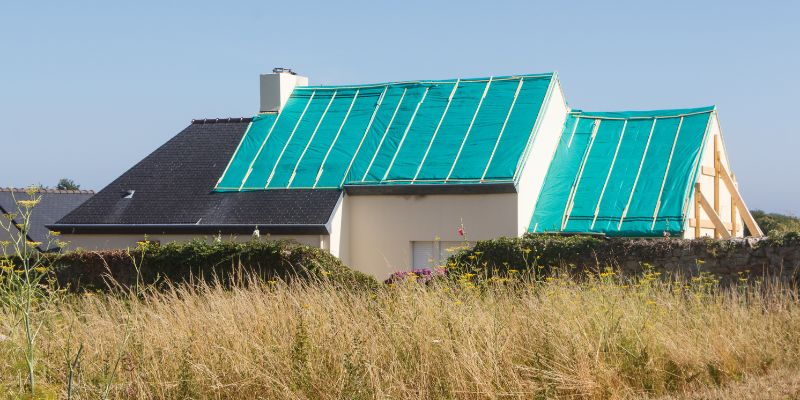
How to Use a Tarp to Protect Plants from Frost
Using a tarp sounds simple—just throw it over your plants, right? Not quite. I’ve made plenty of mistakes over the years, and I want to save you the trouble. Here’s how to use a tarp effectively:
- Time It Right: Put the tarp on before the temperature drops below freezing, ideally in the late afternoon or early evening. I usually check the weather forecast and cover my plants if it’s going to dip below 35°F, just to be safe.
- Create a Structure: Don’t let the tarp touch your plants. I use stakes, hoops, or even old tomato cages to create a frame. This keeps the tarp from crushing delicate leaves and allows air to circulate. One time, I skipped this step, and my poor basil got squashed flat.
- Secure the Edges: Anchor the tarp with rocks, bricks, or garden staples to keep cold air out. I’ve had tarps blow off in the middle of the night, leaving my plants exposed. Trust me, it’s worth the extra effort to secure it.
- Remove It Promptly: Take the tarp off in the morning once the temperature rises above freezing. Leaving it on too long can trap heat and moisture, which isn’t good for your plants. I set a reminder on my phone to avoid forgetting.
- Ventilation Is Key: If you’re expecting a few frosty nights in a row, make sure the tarp allows some airflow. I poke small holes in my polyethylene tarps to prevent mold from building up.
One trick I love is adding a layer of mulch or straw under the tarp. It helps insulate the soil and keeps the ground warmer. I’ve noticed my plants stay happier when I do this, especially during a prolonged cold snap.
Common Mistakes to Avoid When Using a Tarp
I’ve made my fair share of blunders when trying to protect my plants from frost. Here are some pitfalls to watch out for:
- Using a Tarp That’s Too Heavy: A heavy tarp can crush plants or block too much air. I once used a construction-grade tarp, and it flattened my marigolds. Stick to lightweight options.
- Leaving the Tarp On Too Long: If you forget to remove the tarp during the day, your plants can overheat or get moldy. I learned this after leaving a tarp on for two days straight—my lettuce was not happy.
- Not Securing the Tarp Properly: A loose tarp can flap in the wind, letting cold air in or damaging plants. I’ve chased a tarp across my yard at midnight before—don’t be me.
- Ignoring Ventilation: Trapped moisture is a recipe for mold. I always make sure my tarp setup has some airflow, even if it’s just a few tiny holes.
When a Tarp Might Not Be Enough
While tarps are great, they’re not a cure-all. If you live in an area with harsh winters, like parts of the Midwest or Northeast, a tarp might not cut it for prolonged freezes. I’ve found that tarps work best for light frosts—think temperatures between 28°F and 32°F. For colder weather, you might need to combine a tarp with other methods, like:
- Mulching: I pile straw or leaves around the base of my plants to insulate the roots. It’s like giving them a warm scarf.
- Cloches: These are small, dome-like covers for individual plants. I use them for my peppers when a tarp feels like overkill.
- Greenhouses or Cold Frames: If you’ve got the space and budget, these are fantastic for protecting plants all winter. I built a small cold frame from old windows, and it’s been a game-changer.
Sometimes, I double up on protection by using a tarp over a frost cloth for extra insulation. It’s like layering a sweater under a jacket—cozy and effective.
Alternatives to Tarps for Frost Protection
Tarps are awesome, but they’re not the only option. Over the years, I’ve tried a bunch of other ways to keep my plants safe from frost. Here are some alternatives that have worked for me:
- Frost Blankets: These are lightweight fabrics designed specifically for plants. They’re pricier than tarps but super effective and easy to use.
- Old Bedsheets: Don’t laugh—I’ve used old sheets from my linen closet, and they work surprisingly well for light frosts. Just make sure they’re dry.
- Plastic Jugs: For small plants, I cut the bottoms off plastic milk jugs and place them over individual plants. It’s like a mini greenhouse.
- Bubble Wrap: I’ve wrapped pots in bubble wrap to insulate the roots of container plants. It’s quirky but effective.
Each option has its pros and cons, but tarps are still my go-to for covering large garden beds quickly and cheaply.
Preparing Your Garden for Frost Season
Using a tarp is just one part of frost protection. I’ve learned that a little prep goes a long way in keeping my garden safe. Here’s what I do before frost season hits:
- Know Your Plants: Some plants, like pansies, can handle frost better than others. I focus my efforts on protecting tender plants like eggplants or zinnias.
- Water Wisely: I water my plants lightly before a frost. Moist soil holds heat better than dry soil, and hydrated plants are less likely to get damaged.
- Prune Sparingly: Avoid heavy pruning right before a frost—it can stress your plants. I trim dead leaves but save major pruning for spring.
- Monitor the Weather: I check my local forecast daily in the fall. Apps like AccuWeather or the National Weather Service are my go-tos for accurate predictions.
By combining these steps with a tarp, I’ve managed to extend my growing season by weeks, even in chilly Ohio.
My Personal Experience with Tarps
Let me share a quick story. A few years ago, I had a gorgeous row of tomato plants that were still producing in late October. The forecast called for a sudden frost, and I wasn’t ready to say goodbye to my tomatoes. I grabbed a lightweight polyethylene tarp from my shed, set up some hoops with PVC pipe, and covered the plants. I secured the edges with bricks and crossed my fingers. The next morning, I checked, and my tomatoes were perfectly fine—no frost damage at all. That tarp saved my harvest, and I got to enjoy fresh tomatoes for another two weeks. It felt like a small victory in my gardening journey.
Since then, I’ve used tarps every fall. They’re not perfect, but they’re a reliable, budget-friendly way to protect my plants. I’ve also learned to pair them with other methods, like mulching or frost blankets, for extra protection during colder nights.
Conclusion
So, will a tarp protect plants from frost? Absolutely, if you use it correctly. I’ve seen firsthand how a simple tarp can save a garden from a chilly night. It’s affordable, easy to use, and versatile enough for most backyard gardeners. But it’s not a set-it-and-forget-it solution. You’ve got to choose the right tarp, set it up properly, and remove it at the right time. Combine it with other frost protection methods, and you’ll give your plants the best chance to thrive, even when the temperature drops.
Gardening is all about trial and error, and I’ve had my share of flops. But every time I save a plant from frost, it feels like a win. So grab that tarp, set up some supports, and give your plants a fighting chance. Your garden will thank you, and you’ll get to enjoy those blooms or veggies just a little bit longer.
Frequently Asked Questions
What kind of tarp is best for protecting plants from frost?
Lightweight, breathable tarps like canvas or polyethylene work best. They let some air circulate while trapping heat. Avoid heavy vinyl tarps—they can crush plants or trap too much moisture.
Can I leave a tarp on my plants all day?
No, you should remove the tarp in the morning once the temperature rises above freezing. Leaving it on can trap heat and moisture, which might harm your plants.
Will a tarp protect plants from a hard freeze?
Tarps are great for light frosts (28°F to 32°F) but might not be enough for a hard freeze below 28°F. For colder weather, add mulch, frost blankets, or a cold frame for extra protection.
Can I use a plastic sheet instead of a tarp?
Plastic sheets can work, but they’re often less durable and can trap too much moisture. I prefer perforated polyethylene tarps for better airflow and ease of use.
How do I keep a tarp from blowing away?
Secure the edges with bricks, rocks, or garden staples. I’ve also used bungee cords to tie it down to stakes—it holds up even in windy conditions.
Do I need to water plants before covering them with a tarp?
Yes, watering lightly before a frost helps. Moist soil retains heat better, and hydrated plants are more resilient to cold.