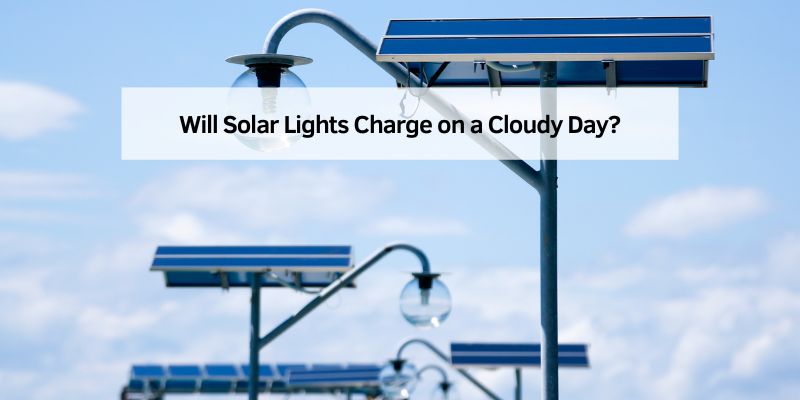
Will Solar Lights Charge on a Cloudy Day?
Hey there! If you’re like me, you’ve probably wondered whether those solar lights in your backyard can still charge when the sky’s all gray and gloomy. It’s a question I get asked a lot, especially since I’ve been tinkering with solar lights for my home improvement projects over the years. The good news? I’ve done the legwork, tested a bunch of lights, and learned the ins and outs of how they handle cloudy days. So, grab a coffee, and let’s dive into whether solar lights can charge when the sun’s hiding behind those clouds—and everything else you need to know to keep your outdoor space glowing.
Solar lights are a fantastic way to brighten up your garden, driveway, or patio without hiking up your electricity bill. But cloudy days can feel like a buzzkill when you’re relying on the sun to power them. In this article, I’ll break down how solar lights work, what happens on cloudy days, and how you can make the most of them no matter the weather. Let’s get started!
How Solar Lights Actually Work
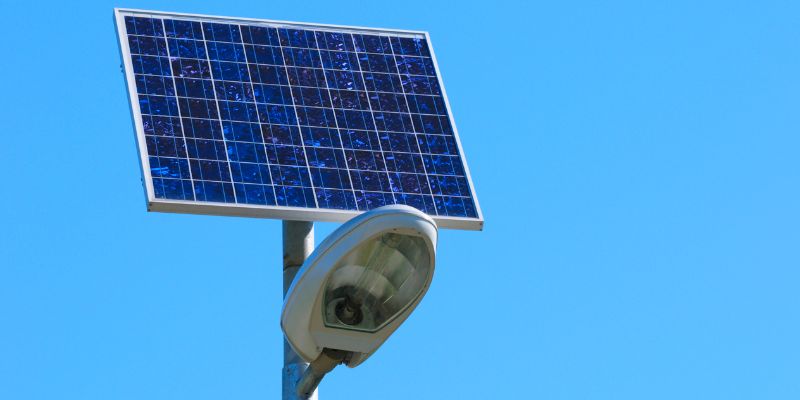
To understand what happens on cloudy days, we first need to know how solar lights function. I remember when I first installed solar lights in my backyard—I was amazed at how simple yet clever they are. Solar lights have a small solar panel, usually made of photovoltaic cells, that captures sunlight and turns it into electricity. This energy gets stored in a rechargeable battery inside the light. When the sun goes down, a sensor triggers the light to use that stored energy to glow.
The key here is the solar panel. It’s like a little sun-soaking sponge, but it needs light to do its job. The battery is what keeps the lights on at night, so the amount of charge it gets during the day directly affects how bright and long your lights will shine. On a sunny day, the panel gets plenty of direct sunlight, fully charging the battery. But what about when clouds roll in? That’s where things get interesting.
Can Solar Lights Charge on Cloudy Days?
Here’s the big question: will your solar lights charge when the sky’s overcast? The short answer is yes, they can! But there’s a catch. Cloudy days reduce the amount of sunlight reaching the solar panel, so the charge is weaker compared to a sunny day. I’ve noticed this with my own lights—on cloudy days, they still light up at night, but they might be dimmer or not last as long.
Why does this happen? Clouds scatter and block sunlight, cutting down the intensity of the rays hitting the panel. On a clear day, your solar panel might get 100% of the available sunlight. On a cloudy day, that could drop to 10-30%, depending on how thick the clouds are. I’ve tested this with a few different brands, and while they all charge to some extent, the performance varies. Let’s dive deeper into why this happens and what affects it.
Factors That Affect Charging on Cloudy Days
Not all cloudy days are created equal, and several things impact how well your solar lights charge when the sun’s hiding. Here’s what I’ve learned from experimenting with my lights:
Cloud Thickness
Thin, wispy clouds let more light through than thick, dark storm clouds. On a day with light clouds, my lights still get a decent charge—sometimes enough to last most of the night. But during heavy overcast or rainy days, the charge is much weaker because the clouds block more sunlight.
Type of Solar Panel
Solar lights come with different types of panels—monocrystalline, polycrystalline, or amorphous. I’ve found that monocrystalline panels, which are more efficient, do a better job of capturing light on cloudy days. Amorphous panels, often found in cheaper lights, struggle more in low-light conditions. If you’re in an area with lots of cloudy weather, investing in lights with high-quality panels makes a big difference.
Battery Quality
The battery inside your solar light matters too. Most lights use NiMH or Li-ion batteries. From my experience, Li-ion batteries hold a charge better and perform more consistently, even with less sunlight. Older or low-quality batteries might not store enough energy, leaving your lights dim or dead by midnight.
Placement of the Lights
Where you place your solar lights is huge. I learned this the hard way when I first put some lights under a tree—big mistake! Even on cloudy days, placing your lights in an open area with no shade from trees, buildings, or fences helps them soak up as much light as possible. Angle the panel to face the sky directly for the best results.
Seasonal Changes
In winter, when days are shorter and the sun sits lower in the sky, charging is tougher—cloudy or not. I’ve noticed my lights don’t perform as well in December as they do in July, even on clear days. Cloudy winter days are especially challenging because there’s less daylight to work with.
Here’s a quick table summarizing how these factors impact charging:
| Factor | Impact on Cloudy Day Charging |
|---|---|
| Cloud Thickness | Thin clouds allow more light; thick clouds block most light, reducing charge. |
| Solar Panel Type | Monocrystalline panels charge better than polycrystalline or amorphous in low light. |
| Battery Quality | High-quality Li-ion batteries store more energy and perform better than low-quality NiMH. |
| Light Placement | Open, unshaded areas maximize light capture; shaded spots drastically reduce charging efficiency. |
| Seasonal Changes | Shorter winter days and lower sun angles reduce charging time and intensity. |
How to Maximize Solar Light Performance on Cloudy Days
After years of tweaking my setup, I’ve picked up some tricks to help solar lights perform better when the weather’s not cooperating. Here are my go-to tips:
Choose High-Quality Solar Lights
Not all solar lights are built the same. When I first started, I bought some cheap ones, and they barely worked on cloudy days. Investing in lights with monocrystalline panels and Li-ion batteries is worth it. Brands like Ring, Philips, or Litom have worked well for me. Check the specs before buying—look for high-efficiency panels and batteries with at least 2000mAh capacity.
Optimize Placement
Place your lights where they’ll get the most light, even on cloudy days. I’ve moved mine to open spots in my yard, away from trees or overhangs. If you can, tilt the panels slightly to catch more diffuse light. Cleaning the panels regularly also helps—dust or dirt can block light and reduce charging.
Use Motion-Sensor Lights
Motion-sensor solar lights save energy by only turning on when needed. I switched some of my lights to motion-sensor models, and they last longer on cloudy days because they’re not burning through the battery all night. Plus, they’re great for security!
Consider Backup Charging Options
Some solar lights come with a USB charging option. I’ve got a few that I can plug in to charge on really dreary days. It’s a lifesaver when you know a storm’s coming and want to keep your lights ready.
Upgrade to Larger Panels
If you’re handy, you can upgrade your lights with larger or more efficient solar panels. I’ve done this with a couple of DIY projects, and it’s boosted performance on cloudy days. Just make sure the panel’s voltage matches your light’s battery requirements.
What to Expect from Your Lights on Cloudy Days
So, what can you realistically expect when it’s cloudy? In my experience, well-placed, high-quality solar lights will still charge enough to work for a few hours at night, but they won’t be at full power. On lightly cloudy days, my lights might stay on for 6-8 hours, though a bit dimmer. On heavily overcast days, they might only last 2-4 hours.
If your lights are struggling, it might be a sign they’re old or low-quality. Batteries degrade over time—mine usually last about 2-3 years before needing replacement. If you’re noticing shorter run times, try swapping out the batteries or upgrading to better lights.
Can You Use Solar Lights in Areas with Frequent Cloudy Weather?
If you live somewhere like Seattle or Portland, where cloudy days are the norm, you might wonder if solar lights are even worth it. I’ve got friends in those areas, and they’ve made solar lights work with a few tweaks. Choosing high-efficiency lights, optimizing placement, and using motion-sensor models can make a big difference. You might also want to mix in some hardwired or plug-in lights for backup during long stretches of bad weather.
One thing I’ve learned is that solar lights are still a great eco-friendly option, even in cloudy regions. They might not shine as brightly or as long, but they’ll still save you money and reduce your carbon footprint compared to traditional lights.
Maintenance Tips for Solar Lights
Keeping your solar lights in tip-top shape helps them perform better, especially on cloudy days. Here’s what I do to maintain mine:
- Clean the Panels: Dust, pollen, or bird droppings can block light. I wipe mine down with a damp cloth every couple of months.
- Check the Batteries: If your lights are dim or not lasting long, the battery might be shot. Most solar lights let you replace the battery easily.
- Inspect for Damage: Water or corrosion can sneak into the light’s housing. I check mine after heavy rain to make sure they’re sealed properly.
- Store in Winter: If you live in a cold climate, consider storing your lights indoors during harsh winters to protect the batteries.
Are Solar Lights Worth It?
After years of using solar lights, I can say they’re absolutely worth it, even with the occasional cloudy day. They’re low-maintenance, cost-effective, and eco-friendly. Sure, they might not perform as well when the weather’s bad, but with the right setup, they can still do the job. I love how they add charm to my backyard without adding to my electric bill.
Conclusion
So, will solar lights charge on a cloudy day? Absolutely, they will—just not as much as on a sunny day. From my years of tinkering with these lights, I’ve learned that the key is choosing high-quality models, placing them smartly, and keeping them maintained. Whether you’re lighting up a cozy patio or a sprawling garden, solar lights can work wonders, even when the sun’s playing hide-and-seek. With a few tweaks, you can keep your outdoor space glowing bright, no matter the weather. So go ahead, give solar lights a try, and watch your home come to life at night!
Frequently Asked Questions
Do solar lights need direct sunlight to charge?
No, they don’t need direct sunlight, but it helps. I’ve seen my lights charge on cloudy days with diffuse light, but they get a stronger charge with clear skies. Place them in open areas to maximize light capture.
How long do solar lights last on a cloudy day?
It depends on the light and the cloud cover. My high-quality lights last 6-8 hours on lightly cloudy days but only 2-4 hours on heavy overcast days. Motion-sensor lights can stretch this time by saving energy.
Can I improve my solar lights’ performance on cloudy days?
Yes! I recommend using lights with monocrystalline panels, placing them in unshaded spots, and keeping the panels clean. You can also try motion-sensor lights or ones with USB charging for backup.
Are solar lights reliable in rainy weather?
They can be, if they’re weatherproof. Most solar lights are designed to handle rain, but I always check the IP rating (like IP65) to make sure. On rainy, cloudy days, expect a weaker charge, so consider backup options.
How do I know if my solar light’s battery needs replacing?
If your lights are dim or don’t last long, even on sunny days, the battery might be worn out. I’ve replaced mine after 2-3 years. Check if your light allows battery swaps—it’s usually an easy fix.