Wipe on Poly Time between Coats: Perfect Finish Tips
Have you ever found yourself wondering how long you should wait between coats when using wipe-on polyurethane? You’re not alone.
Many DIY enthusiasts and woodworking aficionados grapple with this question. Getting the timing right is crucial if you want to achieve that flawless, professional finish on your wood projects. Imagine the satisfaction of running your fingers over a perfectly smooth surface, knowing you got it just right.
This article will guide you through the timing between coats of wipe-on poly, ensuring your project looks stunning and stands up to the test of time. Keep reading to uncover the secrets to achieving a finish that not only looks great but also feels amazing. You’ll learn expert tips and avoid common pitfalls, so you can finish your next project with confidence.
Choosing The Right Polyurethane
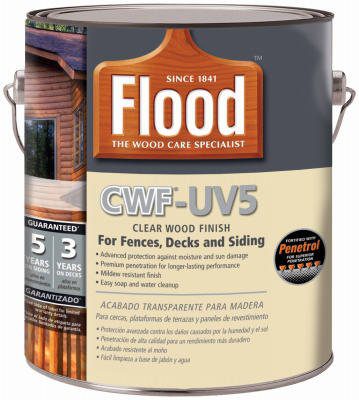
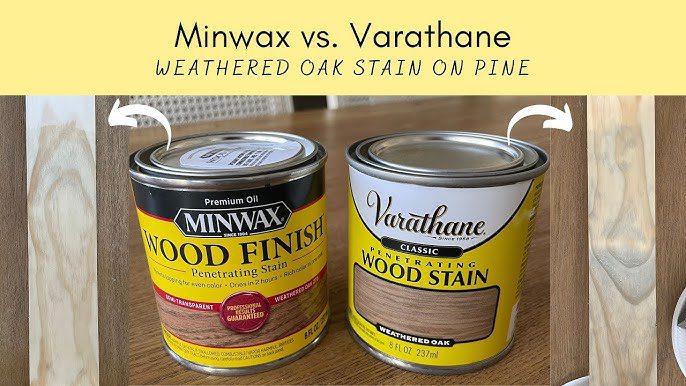
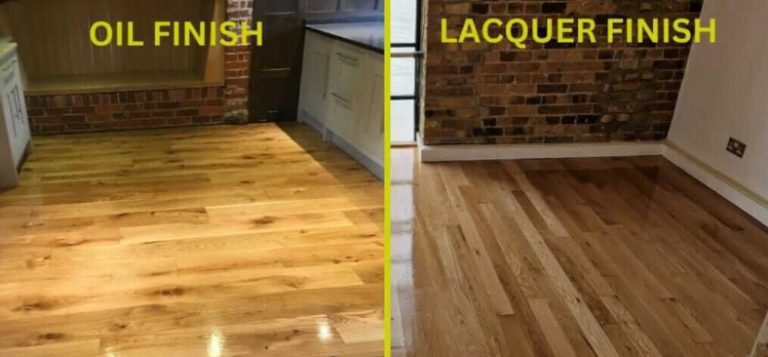
Wipe-on polyurethane comes in different types. Oil-based and water-based are common choices. Oil-based gives a warm finish. Water-based dries clear and is less smelly. Each has unique qualities.
Choosing the best finish depends on your project. Glossy finishes shine bright. Matte finishes appear smooth and soft. Consider how durable you need it. Durability matters for tables and floors. Wood color can change with some finishes. Test on a small area first.

Credit: www.reddit.com
Preparing The Surface
Dust and dirt can ruin the finish. Use a clean cloth to wipe surfaces. Sometimes water and soap are needed. Ensure the surface is dry after cleaning. Drying prevents moisture problems. Clean surfaces give better results.
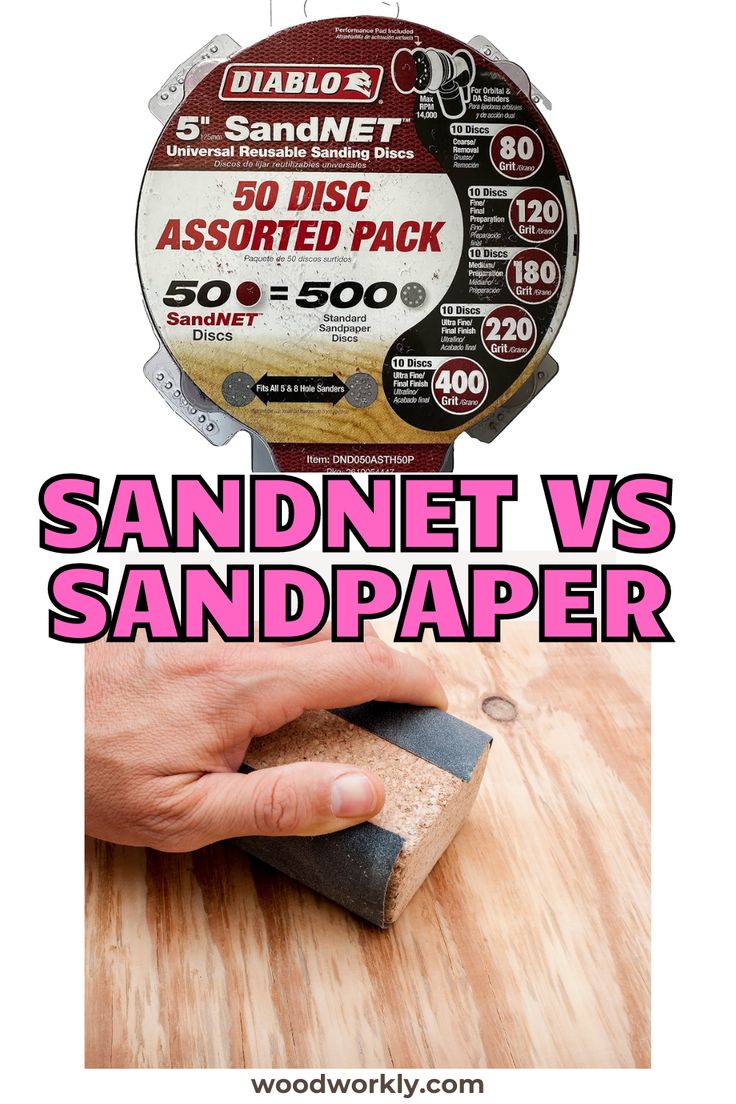
Sanding makes wood smooth. Use fine sandpaper for best results. Sand along the wood grain. This reduces scratches and marks. Wipe away dust after sanding. A smooth surface absorbs poly evenly.
Application Techniques
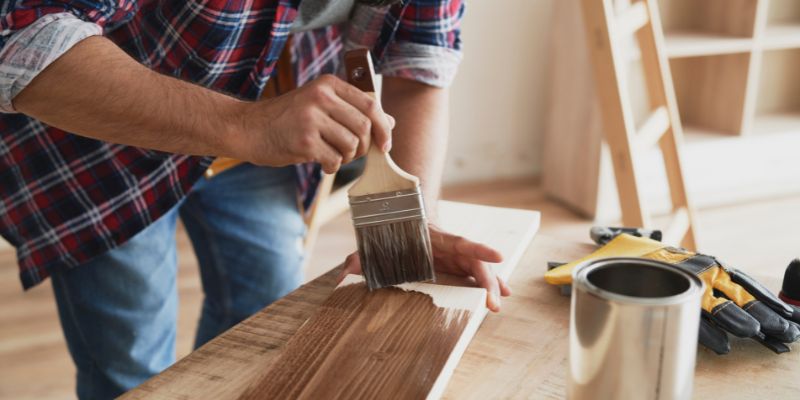
Use a clean, soft cloth for applying wipe-on poly. A lint-free cloth works best. It helps spread the poly smoothly. Foam brushes can be used too. They help in covering large areas quickly. Ensure the brush is clean before starting. Having multiple cloths is useful. It helps in case one gets dirty or wet. Keep a container nearby. It helps in easy dipping and applying.
Start with a thin coat. This helps in drying quickly. Use gentle, even strokes. It avoids streaks and bubbles. Cover the entire surface. Check for missed spots. Let the coat dry completely. This usually takes a few hours. Check the label for drying time. A dry surface is smooth to touch. Avoid touching with dirty hands. It can leave marks.
Timing Between Coats
Drying timeis key for the best finish. Most times, 2 to 4 hours is good. This lets each coat dry well. Not enough time can cause sticky surfaces. Always check the label for exact times. Some products dry faster. Others take more time. Room temperature and air flow can change drying time.
Several things affect drying. Temperatureis important. Warm rooms help coats dry faster. Cold rooms slow it down. Humidityis another factor. High humidity can make drying take longer. Low humidity speeds it up. Airflowis needed too. Good airflow dries coats evenly. Poor airflow can cause problems. Keep these factors in mind for the best results.
Achieving A Perfect Finish
Sand lightly between each coat of wipe-on poly. Use fine-grit sandpaper, like 320 grit. This removes dust and bumps. Be gentle to avoid scratches. Wipe away dust with a damp cloth. Let the surface dry before adding another coat. Sanding helps each layer stick better.
The final coat needs special care. Apply it smoothly and evenly. Use a clean cloth or foam brush. Avoid bubbles by applying gently. Allow the final coat to dry completely. This ensures a beautiful and strong finish. A good finish makes the wood look amazing.
Common Mistakes To Avoid
Applying too much poly can lead to sticky surfaces. Thin coats are best. This helps the finish dry properly. Thick layers take longer to dry. This can cause uneven surfaces. It’s important to wait between coats. Patience is key for a smooth finish.
Imperfections can ruin the look of your project. Dust and dirt can stick to wet poly. Clean the area before starting. Sanding between coats can help. This removes any bumps or rough spots. Always use a clean brush or cloth. Fresh tools prevent unwanted marks. Keep your space tidy for best results.
Maintenance And Care
Clean surfaces with a soft, damp cloth. Avoid harsh chemicals. Gentle soap and water work best. Dry surfaces well after cleaning. Moisture can harm the finish.
Use coasters under cups. Protect surfaces from hot items. Place mats under plates to prevent scratches. Regular dusting keeps surfaces shiny. Avoid direct sunlight; it can fade finishes.
Inspect regularly for damage. Repair small scratches quickly. Polish surfaces every six months. Use good quality polish. Prevent spills and stains. Wipe spills immediately with a cloth.
Keep humidity levels balanced. Too much humidity can warp wood. Low humidity can cause cracks. Check for signs of wear and tear. Take action to fix issues early.

Credit: www.reddit.com
Frequently Asked Questions
How Long To Wait Between Poly Coats?
It’s best to wait 2 to 4 hours between coats of wipe-on poly. This allows the previous layer to dry adequately. Humidity and temperature can affect drying time, so adjust accordingly. Ensure the surface is smooth and dust-free before applying the next coat for optimal results.
Can You Apply Too Many Coats Of Wipe-on Poly?
Applying too many coats can lead to a thick, uneven finish. Typically, 3 to 4 coats are enough for protection and a smooth finish. More coats may increase durability but can also result in a cloudy appearance. It’s essential to sand lightly between coats for the best outcome.
What Happens If Poly Isn’t Dry Before Re-coating?
If poly isn’t dry before re-coating, it can cause several issues. The layers may not bond properly, leading to a tacky or uneven finish. Trapped moisture can also create bubbles or cloudiness in the finish. Always ensure each coat is completely dry before applying the next.
Is Sanding Necessary Between Poly Coats?
Sanding between coats is necessary for a smooth finish. It helps remove dust nibs and improves adhesion of the next coat. Use fine-grit sandpaper and lightly sand the surface. Wipe away any dust before applying the next coat to ensure a flawless finish.
Conclusion
Wiping on poly takes patience. Each coat needs time to dry. This process ensures a smooth finish. Always check the label for drying times. Different brands may vary. Sand lightly between coats for best results. This helps new layers stick well.
Keep your workspace clean. Dust can ruin a finish. Working slowly leads to better results. Enjoy the process. It’s rewarding to see wood shine. Remember, good things take time. Your effort pays off in the end. A beautiful, durable finish awaits.