Wipe on Poly Vs Brush: Mastering Finishing Techniques
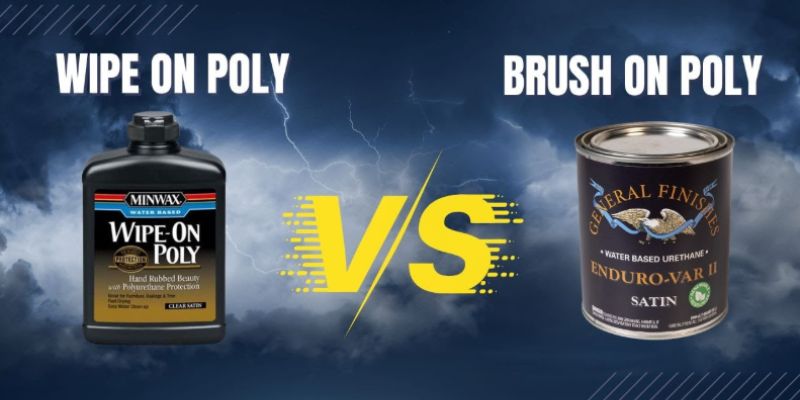
Are you in the midst of a woodworking project and puzzled about choosing the right finish? If you’ve ever found yourself standing in the hardware store aisle, debating between wipe-on poly and brush application, you’re not alone.
This decision can feel daunting, especially when each method promises to protect and enhance the beauty of your woodwork. But fear not, as we’re here to break it down for you in a simple, straightforward way. Discover which technique is best suited for your needs, ensuring your project not only looks stunning but also stands the test of time.
Dive into the details, and empower yourself with the knowledge to make the perfect choice for your masterpiece. Keep reading, and let’s unravel the mystery of wipe-on poly versus brush application together!
Wipe On Polyurethane Basics
Wipe on polyurethaneis easy to apply. Use a clean cloth. Pour a little on the cloth. Then, rub the surface gently. It dries fast. No brush marks. Perfect for small projects. Brush applicationneeds a good brush. Dip in the polyurethane. Brush evenly on the surface. Careful with brush strokes. It might take more time. Great for big surfaces.
Wipe on polyoffers a smooth finish. No brush lines appear. Ideal for quick jobs. Less mess. But, it may need more coats. Not good for big areas. Brush applicationcovers large surfaces well. Fewer coats needed. It can leave brush marks. Takes longer to dry. Choose based on project size.

Credit: www.reddit.com
Brush Application Essentials
Brush strokes should be smoothand even. Always use a clean brush. Dip the brush in the poly lightly. Do not overload. Apply thin layers for better results. Let each layer dry before adding another. This avoids bubbles. Sand lightly between coats. This helps the next coat stick well. Use a quality brush. Cheap ones leave streaks.
Pros:Brush application is precise. It covers edges and corners well. You can control the thickness. Less waste compared to wipe-on. Easy for beginners.
Cons:Brush marks may be visible. Takes longer to dry. Requires more skill for a smooth finish. Needs careful cleaning to avoid contamination.
Surface Preparation
Proper cleaning is key to a smooth finish. Use a damp cloth to wipe off dust and dirt. Sand the surface for a smoother touch. Make sure to use fine-grit sandpaper. This will help remove scratches. Always sand in the direction of the wood grain. This prevents unwanted marks.
Picking the right tools can make the job easier. For wiping, soft cloths work well. Brushes are good for detailed work. Choose a brush with natural bristles for best results. Synthetic brushes may leave streaks. Test your tools on a small area first. This helps avoid mistakes.

Credit: tylynnm.com
Choosing The Right Finish
Surface typeaffects the choice between wipe on poly and brush. For smooth surfaces, wipe on poly can be easier. It spreads well and leaves a nice finish. On rough surfaces, a brush might work better. The bristles can get into the small spaces.
Usage matterstoo. For furniture that gets touched a lot, wipe on poly is good. It gives a thin, even coat. This makes it smooth to touch. Brush-on is thicker and stronger. It works well for floors or outdoor wood.
Think about drying time. Wipe on poly dries faster. This can save time if you need to use the item soon. Brush-on takes longer to dry. It might need more patience.
Both finishes protect wood. Choosing the right one depends on your needs.
Common Mistakes To Avoid
Always stir the polyurethane before use. Shaking creates bubbles. These bubbles can ruin the finish. Apply thin layers. Thick coats lead to uneven surfaces. Allow each layer to dry. Some rush this step. This causes a sticky finish. Use a clean cloth. Dirty cloths leave fibers behind.
Use the right brush. A good brush gives a smooth finish. Cheap brushes leave streaks. Don’t dip the brush too deep. Just the tip in the can. This avoids drips. Always brush in one direction. Brushing back and forth causes lines. Clean the brush after use. This keeps it ready for next time.
Tips For A Professional Finish
For a smooth finish, apply thin layers. Thin layers dry faster and look better. Use a soft cloth for wiping. This helps in spreading the poly evenly. Brush strokes can leave marks. Wipe-on gives a more even coat. After the first layer, let it dry. Sand lightly with fine sandpaper. Then, clean off the dust. Apply the next layer. Repeat this process for two or three layers. Each layer makes it smoother.
After applying layers, inspect the surface. Look for any bubbles or streaks. If you find any, sand them gently. Use a clean cloth to remove dust. For the final layer, ensure it’s even. Let it dry completely. This might take a day. Once dry, the surface should feel smooth. Consider adding a soft wax finish. This adds a shine. Always check in good light to see any flaws. Fix them before the final dry.
Maintenance And Longevity
Keep your furniture clean with a soft cloth. Avoid water as it can damage the finish. Use gentle products. Never use harsh chemicals. They can ruin the surface.
Inspect the finish every few months. Reapply if it looks dull or scratched. Use a small amount of poly. Apply evenly for best results. Let it dry before using.

Credit: www.youtube.com
Frequently Asked Questions
What Is Wipe On Poly?
Wipe on poly is a polyurethane finish applied with a cloth. It’s user-friendly and ideal for small projects. It provides a smooth, even coat without brush marks. It’s perfect for touch-ups or intricate surfaces.
How Does Brush On Poly Differ?
Brush on poly is applied using a brush, offering thicker coats. It’s better for larger surfaces. It may leave brush marks if not applied carefully. It’s often used for furniture or large woodwork.
Which Poly Dries Faster?
Wipe on poly generally dries faster than brush on poly. Its thin coats allow quicker drying times. This makes it suitable for projects that require multiple coats in a short time.
Is Wipe On Poly More Durable?
Brush on poly is typically more durable due to thicker application. However, wipe on poly offers sufficient protection for less demanding surfaces. Choosing between them depends on the project’s durability needs.
Conclusion
Choosing between wipe on poly and brush application depends on your needs. Wipe on poly offers ease and speed. Great for small projects or touch-ups. Brush application gives more control. Ideal for larger surfaces or intricate details. Consider your project’s size and finish quality.
Both methods have their benefits. Understand what works best for your task. Experiment if unsure. You’ll find the right fit for your woodworking project. Enjoy the process. Happy crafting!