Wood Filler Vs Glue And Sawdust: Which Works Best?
Have you ever stared at a woodworking project and wondered whether to reach for wood filler or mix up some glue and sawdust? You’re not alone.
Choosing the right method to fill gaps and cracks in your woodwork can feel like solving a mystery. Each option has its pros and cons, and making the wrong choice could affect the durability and appearance of your project. But don’t worry, we’re here to help you make the best decision.
By the end of this article, you’ll be equipped with the knowledge to choose the right solution for your woodworking needs, ensuring your projects are as flawless as you envision them. Let’s dive into the nitty-gritty and discover which option is truly a cut above the rest.
Credit: nickcornwell.weebly.com
Wood Filler Basics
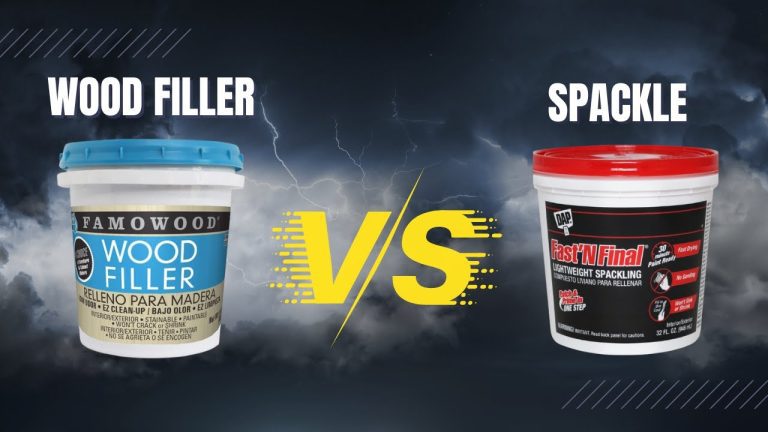
Wood filler is a paste used to repair holes or cracks in wood. It has two main types: water-based and solvent-based. Water-based filler is easy to clean up. Solvent-based filler is strong and durable. Wood filler contains resins, pigments, and binders. These make it harden and stick to wood.
Wood filler is used to fix damaged wood surfaces. It is great for filling nail holes and cracks. It can be sanded and painted after drying. Woodworkers use it for furniture repair. It helps make surfaces smooth. It can also be used in flooringrepairs. Wood filler is ideal for indoor use.
Glue And Sawdust Method
Combining glue and sawdust makes a cost-effective wood filler. It fills gaps and repairs wood surfaces. This DIY method is simple and accessible, offering a natural look that blends well with wood grain.
How To Prepare The Mixture
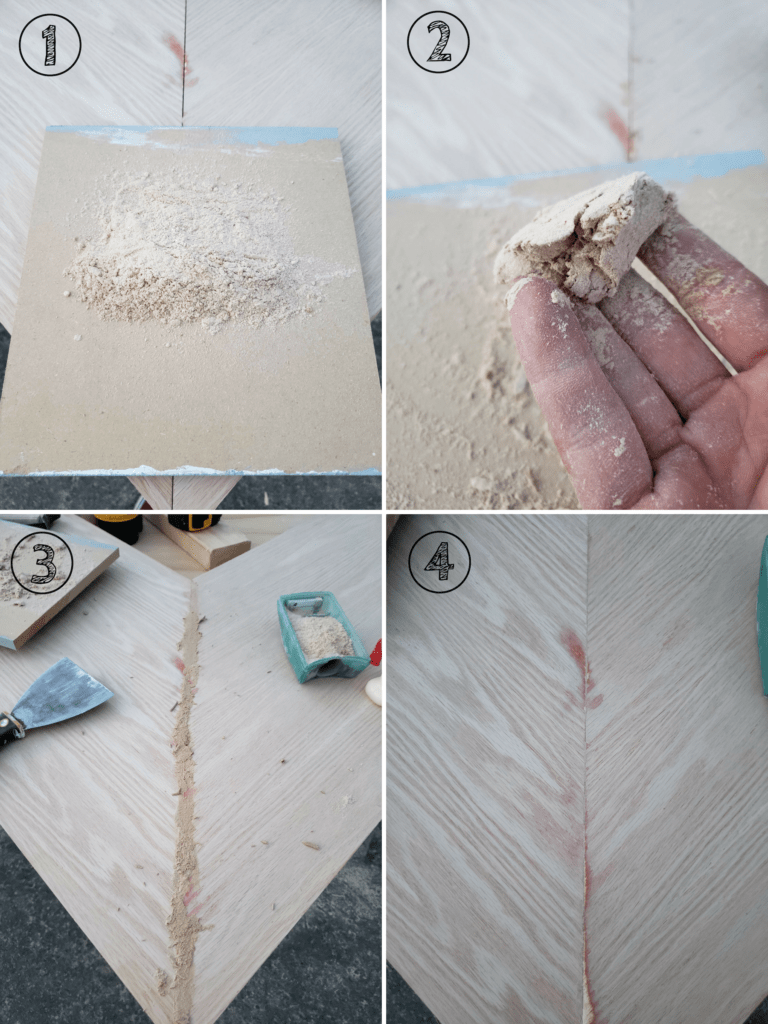
Mix glue and sawdust to fix holes in wood. Use white glue for easy mixing. Sawdust should be from the same wood. This helps match the color. Add glue to the sawdust slowly. Stir until it feels like dough. Check the color and texture often.
Best Practices For Application
Apply the mixture with a putty knife. Fill the hole completely. Press down to remove air bubbles. Smooth the surface with the knife. Let it dry for a few hours. Sand the area gently for a smooth finish. Paint or stain after it dries fully.
Comparison Of Effectiveness
Choosing between wood filler and glue mixed with sawdust depends on the repair need. Wood filler provides a smooth finish and is ideal for larger gaps. Glue and sawdust offer a natural look, perfect for smaller repairs. Both options have their unique strengths in woodworking projects.
Durability And Strength
Wood fillercreates a hard surface. It can last long and stay strong. It fills holes and gaps effectively. Glue and sawdust make a strong bond. It is good for small cracks and splits. Wood filler is better for large areas. Glue and sawdust work well for small fixes.
Ease Of Application
Wood filleris easy to apply. It comes ready to use. Just spread it with a tool. Glue and sawdust need mixing. It can get messy. Mixing takes time and care. Wood filler dries fast. Glue and sawdust can take longer to set.
Versatility In Repairs
Wood filleris good for many repairs. It can fix deep holes and big gaps. It’s paintable and stainable. Glue and sawdust are less flexible. They suit small repairs. It is not ideal for painting or staining. Wood filler provides a neat finish.

Credit: www.youtube.com
Cost Considerations
Wood filler generally offers a more uniform finish but can be pricier than glue mixed with sawdust. Glue and sawdust provide a budget-friendly alternative for small repairs, though the outcome might lack consistency.
Price Of Materials
Wood filler often costs more than glue and sawdust. Wood filler comes in a small tube or can. Glue and sawdust are cheaper and easier to find. You can make your own mix at home. Mixing glue with sawdust saves money. Wood filler can be bought at the store. Some wood fillers are very expensive. Compare prices before buying.
Long-term Value
Wood filler lasts longer in many cases. It stays strong over time. Glue and sawdust may break down quicker. They might need more repairs later. Wood filler is often more durable. It holds up better with age. Think about how long you want it to last. Choose wisely based on your project needs.
Environmental Impact
Wood fillers often contain chemicals. These chemicals can harm the environment. Not all fillers are made from renewable resources. Some fillers use synthetic materials. These materials are not sustainable. They can take a long time to break down. Glue and sawdust is a better choice. Both are natural materials. They are also biodegradable. This means they break down faster in nature. Choosing glue and sawdust can help the earth.
Eco-friendly options are important today. Some wood fillers are now eco-friendly. They use natural ingredients. These include plant-based oils and resins. Such fillers are better for the planet. Glue and sawdust can be made at home. This saves packaging waste. Making your own mix is a green choice. It helps reduce pollution. Always check labels for green certifications. This ensures the product is safe for nature.
User Experiences
Choosing between wood filler and glue mixed with sawdust can affect your repair’s durability. Wood filler offers a smooth finish, ideal for noticeable gaps. Glue and sawdust create a customizable blend, perfect for small, hidden repairs.
Case Studies And Examples
Many people use wood fillerto fix holes. It is easy to use. It dries quickly. Some people prefer glue and sawdustmix. This mix is cheap. It works well for small fixes. John from Texas uses this mix. He finds it strong and lasting. Another person, Emma, uses wood filler. She likes its smooth finish. She says it blends well with wood color. Both methods have fans. Each has its own benefits.
Common Challenges
Glue and sawdustcan be messy. It may not match wood color. Some find it hard to mix. Wood filler can crack over time. It may need sanding after drying. Some people find it expensive. Others say it shrinks after drying. Both methods have issues. Users need to choose wisely. It depends on the problem size. Some prefer to test both. They find what works best for them.
Expert Recommendations
Wood filler is perfect for filling holes and gaps. Use it when you need a smooth finish. It works well for large holes or deep cracks. Choose wood filler for painted projects. It can be sanded and painted easily.
It dries hard and strong. Ideal for indoor projects. Avoid using it on flexible wood. Wood filler does not expand or contract. It stays in one place.
Glue and sawdust are great for small repairs. Use them to fix minor dents or scratches. This mixture is best for natural finishes. It blends well with wood.
Easy to make at home. Just mix glue with sawdust. It works for outdoor projects too. Glue and sawdust can expand and contract. Perfect for flexible wood. Not ideal for large holes.
Credit: www.thehomestud.com
Frequently Asked Questions
What Is Wood Filler Used For?
Wood filler is used to repair and fill holes or cracks in wood surfaces. It helps restore the appearance and strength of damaged wood. Ideal for projects requiring a smooth finish, it can be sanded, stained, or painted. Wood filler is versatile for both indoor and outdoor applications.
How Does Glue And Sawdust Mixture Work?
Glue and sawdust create a homemade filler for small wood repairs. The glue binds sawdust, filling gaps and cracks effectively. It’s a quick, cost-effective solution for minor fixes. However, it may not be suitable for larger repairs or structural issues, unlike commercial wood fillers.
Can Wood Filler Be Stained?
Yes, wood filler can be stained to match your wood surface. Choose a stainable filler for best results. Ensure the filler is dry and sanded before applying stain. This helps achieve a uniform color. Test stain on a small area to check color match before full application.
Is Glue And Sawdust Strong Enough?
Glue and sawdust mixtures offer moderate strength for small repairs. It’s suitable for cosmetic fixes and minor gaps. However, it’s not as strong as commercial wood fillers for structural repairs. For larger or load-bearing repairs, opt for specialized wood fillers for durability and strength.
Conclusion
Choosing between wood filler and glue with sawdust depends on your needs. Wood filler is great for large gaps and smooth finishes. Glue and sawdust work well for small cracks and custom repairs. Think about the type of wood and size of damage.
Consider the finish you want. Both options have their strengths. Use wood filler for a professional look. Use glue and sawdust for a more rustic feel. Remember, the right choice enhances your project. Experiment and see what fits your style.
Make your repairs last with the best method for your task.