A Wall Anchor is a One-Time Fastener: Secure Solutions
Imagine you’re about to hang that beautiful painting you’ve cherished for years, or perhaps you’re setting up a new shelf to display your favorite books. You reach for your toolkit and realize that ordinary nails just won’t cut it.
This is where a wall anchor becomes your secret weapon. As you delve into the world of wall anchors, you’ll discover why this one-time fastener is an essential part of your DIY arsenal. Whether you’re a seasoned handyman or a beginner looking to spruce up your living space, understanding the role of wall anchors can transform the way you approach home projects.
Get ready to unlock the potential of your walls and ensure that every fixture stays securely in place. Stick around, and you’ll learn how these small but mighty tools can save you time, prevent frustration, and elevate your home improvement game to new heights.
Types Of Wall Anchors
These anchors are made of plastic. They are used in drywall and concrete. They expand when you put a screw in. This makes them hold tight. They are great for lightweight items. You can use them for pictures or small shelves.
Self-drilling anchors do not need a pilot hole. They have a sharp tip that cuts into the wall. This makes them easy to use. They are strong for medium weights. They work well in drywall.
Molly bolts are metal and very strong. They expand behind the wall. This makes them secure. They are good for heavy items. Use them for shelves and mirrors.
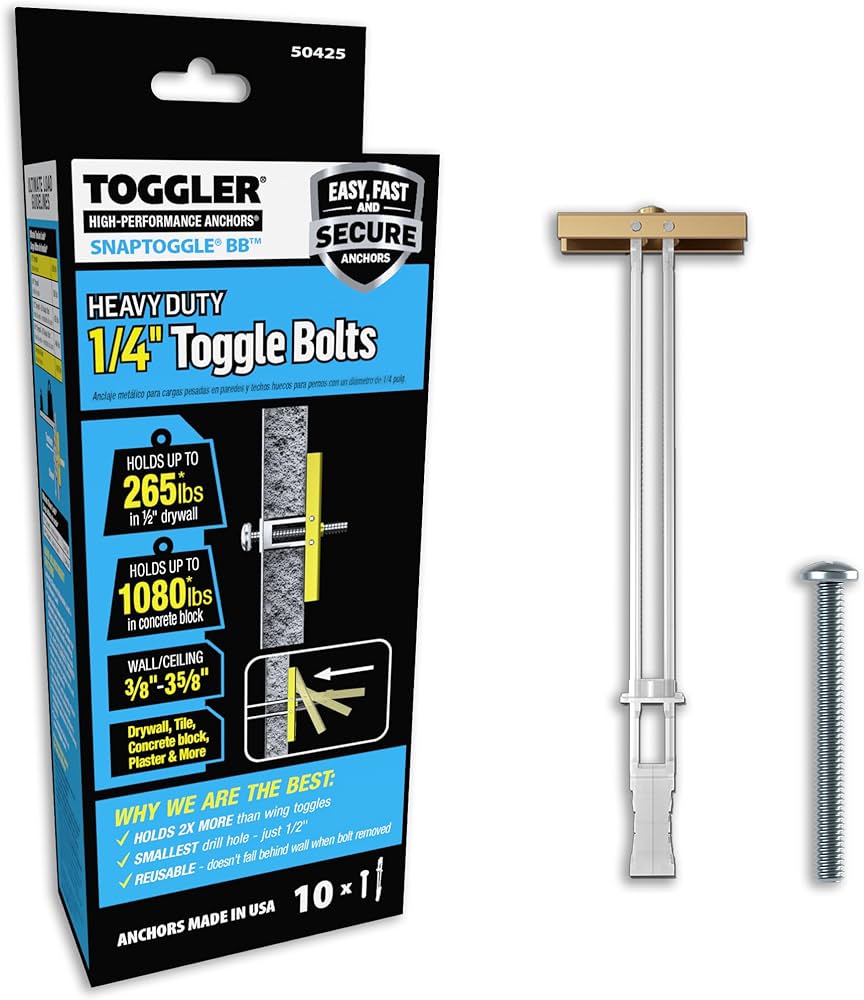
Toggle bolts have wings that open behind the wall. They are very strong. Perfect for very heavy items. Use them for TVs or large shelves. They need a larger hole to fit.

Credit: www.jcfasteners.com
Choosing The Right Wall Anchor
Always check the weight limit of the wall anchor. It should hold the item you want. Use a stronger anchor for heavier things. Light items need simple anchors. Safety is key. Never guess the weight. Always be sure.
Different walls need different anchors. Drywall, concrete, and brick all need special types. Choose the right anchor for the wall you have. Some anchors work on many walls. Others are for just one type. Always read the package. Make sure it is correct for your wall.
Look at where you will use the anchor. Is it indoors or outdoors? Wet places need rust-proof anchors. Dry areas have more choices. Think about the weather. Hot or cold, wet or dry. Choose an anchor that will last. Durability is important.
Installation Techniques
Screwdriver is essential for the wall anchor. You need a drill to make holes. A level helps to keep things straight. Tape measure is useful for accurate measurements. Using a pencil marks the spot. Ensure a hammer is ready for tapping.
Start by marking the spot with a pencil. Measure twice using the tape measure. Drill a hole where you marked. Insert the wall anchor into the hole. Tap gently with a hammer if needed. Use the screwdriver to tighten the screw. Check with a level to ensure straightness.
Avoid drilling too deep. This can damage the wall. Do not skip measuring. Wrong measurements lead to errors. Ensure the anchor size fits the screw. A mismatch can cause the anchor to fail. Don’t rush the process. Take your time for accuracy.
Benefits Of Wall Anchors
Wall anchors give strong support to things on walls. They stop items from falling. They hold paintings and shelves safely. No wobbles or shakes. Even heavy objects stay in place. This keeps rooms neat and tidy.
Wall anchors fit in many places. They work on brick, wood, and drywall. Use them in living rooms or kitchens. Perfect for bathrooms too. Hang mirrors or towel racks. They fit any home style and design.
Wall anchors save money. No need for new tools. Buy once and use for years. They are cheap and easy to find. No need for expert help. Install them yourself. This makes them a smart buy for everyone.
Limitations Of Wall Anchors
Wall anchors cannot hold heavy items. Too much weight can break them. They are not strong like screws. Always check the weight limit. It’s important for safety.
Not all walls are good for anchors. Hollow walls are tricky. Brick and concrete need special anchors. Soft walls might crumble. Choose the right anchor for each wall type.
Once in, wall anchors stay. Removing them leaves big holes. You can’t reuse them easily. Changing things later can be hard. Plan before using wall anchors.

Credit: www.ebay.com
Innovative Applications
Wall anchors help hang pictures and mirrors. They keep items steady on the wall. Paintings look great with secure wall anchors. They also help fix shelves. Decor items stay safe and sound. Use them for all your creative ideas.
Wall anchors hold big TVs and cabinets. They provide a strong grip. Heavy items stay put. No worry about falling. Use them for wardrobes or heavy shelves too. They make sure everything is secure. Strong and reliable.
Wall anchors work well outside. They hold garden decorations. Also good for fence posts. They can handle the weather. Rain or shine, they stay firm. Great for outdoor lighting too. Reliable in all conditions.
Maintenance And Safety Tips
Secure your home with wall anchors, designed for one-time fastening. Ensure stability by checking anchors regularly for rust. Replace damaged anchors promptly to maintain safety.
Regular Inspection
Regular checks keep wall anchors safe. Inspect them often for damage. Loose anchors might fail. Tighten them properly. Use the right tools for this job. Prevent accidents with routine checks. Safety first is important.
Signs Of Wear And Tear
Look for cracks near anchors. Rust can weaken them. Bending is a bad sign. These signs mean replacement is needed. Check for missing parts too. Damaged anchors need fixing fast.
Safe Removal Practices
Removing anchors needs care. Use proper tools for removal. Avoid causing wall damage. Pull gently and steadily. Safety goggles protect your eyes. Dispose of old anchors properly.

Credit: www.amazon.com
Frequently Asked Questions
Is A Wall Anchor A One-time Fastener?
A wall anchor is generally a one-time fastener. Removing it can cause damage to the wall. It’s best to replace it with a new one if needed. Proper installation ensures a secure hold for hanging items. Always choose the right type of anchor for your wall material.
Is A Toggle Bolt A One-time Fastener?
A toggle bolt is typically a one-time fastener. Removing it can damage the wall and the toggle mechanism. It’s best to use a new toggle bolt if repositioning or reusing is necessary. Ensure proper installation to avoid frequent removal and reinstallation.
What Are The Three Types Of Fastening Devices That Can Be Used To Mount An Object To A Hollow Wall?
Three types of fastening devices for hollow walls include toggle bolts, molly bolts, and wall anchors. Toggle bolts provide strong support. Molly bolts expand behind the wall for secure attachment. Wall anchors, like plastic expansion anchors, hold lightweight items effectively.
Choose the right device based on the weight and type of object.
Are Nails Sometimes Coated With Zinc To Protect Them From Corrosion True Or False?
True. Nails are often coated with zinc to prevent corrosion. This process is known as galvanization. Zinc acts as a protective barrier, safeguarding the metal from rust. This coating prolongs the life of nails, especially in outdoor or moist environments.
Conclusion
Wall anchors are essential for secure installations. They provide strength and stability. Perfect for hanging heavy items on walls. Easy to install, these anchors suit various surfaces. Choose the right type for your project. Ensure a safe, lasting hold. Always follow installation guidelines carefully.
This ensures optimal performance. Remember, using a wall anchor is simple yet effective. It saves time and prevents damage. A smart choice for any DIY enthusiast. Enjoy the peace of mind knowing your items are secure. A reliable solution for your wall hanging needs.