Are All Door Hinges The Same Size? A Simple Guide
I’ll never forget my first attempt at fixing a squeaky door in my old apartment. I grabbed a random hinge from the hardware store, thinking, “Are all door hinges the same size? They must be!” Spoiler: I was wrong. The hinge didn’t fit, and my door looked like it was throwing a tantrum. That moment sparked my curiosity about hinges, and I’ve learned a ton since then. This article answers the question are all door hinges the same size, explains hinge types, and shares easy tips to pick the right ones. Whether you’re a beginner fixing a creaky door or a pro upgrading hardware, I’ve got you covered with simple steps, fun examples, and practical advice
What Are Door Hinges, and Why Do Sizes Matter?
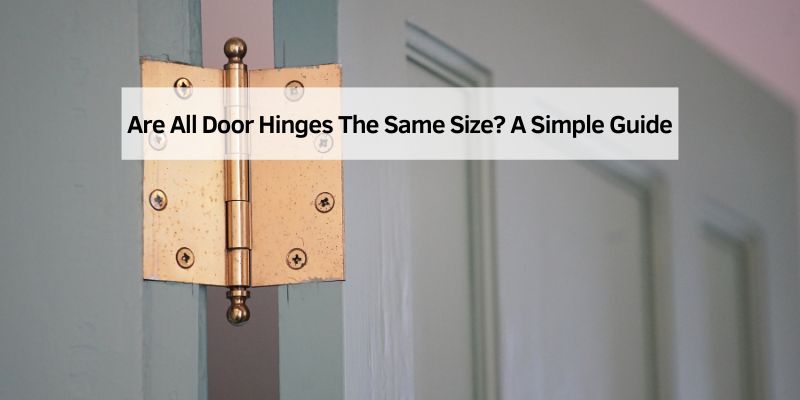
A door hinge is a metal piece that lets your door swing open and shut. Think of it as the door’s elbow! Hinges come in different sizes and types, and picking the wrong one can make your door wobble or stick. Size matters because it affects how well the hinge holds the door’s weight and fits the frame. A mismatch can ruin your door or make it hard to open. Let’s dive into why are all door hinges the same size is a tricky question.
No, Hinges Aren’t All the Same Size
Hinges vary in size based on the door’s weight, thickness, and purpose. For example, a heavy front door needs bigger hinges than a lightweight closet door. Standard sizes range from 3 inches to 6 inches, with 3.5-inch hinges being common for interior doors and 4-inch for exterior ones. Knowing your door’s specs helps you choose the right hinge.
Common Door Hinge Types Explained
Hinges aren’t just about size—they come in different styles too. Here’s a quick rundown of the most common types you’ll see:
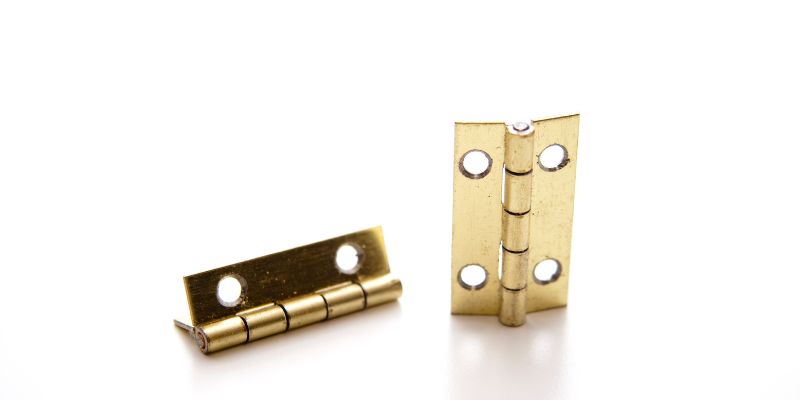
- Butt Hinges: These are the classic hinges with two flat pieces (leaves) joined by a pin. Great for most home doors.
- Ball Bearing Hinges: These have tiny balls inside to reduce friction. Perfect for heavy doors that open a lot.
- Spring Hinges: These snap doors shut automatically. Think screen doors at grandma’s house!
- Concealed Hinges: Hidden when the door’s closed, these are sleek for cabinets or modern doors.
Each type has unique sizes and uses, so let’s explore how to pick the right one.
How to Measure Door Hinges Like a Pro
Wondering if all door hinges are the same size when replacing one? Nope! Measuring is key. Here’s a simple step-by-step guide to get it right:
- Remove the Hinge: Unscrew the old hinge from the door or frame. Be careful—it’s heavier than it looks!
- Measure the Height: Use a tape measure to check the hinge’s height (top to bottom of the flat part).
- Measure the Width: Measure across the hinge when it’s open flat.
- Check the Thickness: Note the door’s thickness (usually 1 3/8 inches for interior, 1 3/4 inches for exterior).
- Look at the Corner Radius: Some hinges have rounded corners. Match the curve to fit the door’s cutout.
For example, my bedroom door needed 3.5-inch butt hinges, but my front door took 4-inch ones. Always double-check!
Tools You’ll Need
You don’t need a fancy toolbox. Here’s what I use:
- Tape measure (a cheap one works fine).
- Screwdriver (Phillips head is common).
- Pencil to mark measurements.
Hinge Sizes for Different Doors
Not sure what size hinge you need? Check out this table to match hinges to your door type:
| Door Type | Hinge Size | Number of Hinges |
|---|---|---|
| Interior (1 3/8”) | 3.5” x 3.5” | 2 |
| Exterior (1 3/4”) | 4” x 4” or 4.5” | 3 |
| Heavy Wood Door | 4.5” x 4.5” | 3 |
| Cabinet Door | 2.5” or 3” | 2 |
Table 1: Common Hinge Sizes for Residential Doors
This table helps you pick the right hinge size based on door type and thickness.
Benefits and Drawbacks of Different Hinge Sizes
Choosing the right hinge size has perks but also some challenges. Here’s a quick look:
-
Benefits:
- Bigger hinges (4” or more) support heavy doors, like solid wood ones.
- Smaller hinges (3” or less) are cheaper and easier to install on lightweight doors.
- Right-sized hinges make doors swing smoothly and last longer.
-
Drawbacks:
- Too-small hinges can’t handle heavy doors and may break.
- Oversized hinges look bulky and need deeper cutouts in the door frame.
- Mismatched sizes can mess up your door’s alignment.
I learned this the hard way when I put a tiny hinge on a heavy oak door—it squeaked like a rusty gate!
Easy Tips to Avoid Hinge Mistakes
Here are my go-to tips to save you time and money:
- Measure Twice: Always check hinge size and door thickness before buying.
- Match the Finish: Pick hinges that match your door’s look (brass, nickel, etc.).
- Check the Pin: Non-removable pins (NRP) are great for outdoor doors to prevent theft.
Comparing Hinge Costs
Hinges don’t have to break the bank. Here’s a table comparing costs for common types:
| Hinge Type | Average Cost (Pair) | Best For |
|---|---|---|
| Butt Hinge | $5–$10 | Interior Doors |
| Ball Bearing Hinge | $10–$20 | Heavy Doors |
| Spring Hinge | $8–$15 | Screen Doors |
| Concealed Hinge | $15–$30 | Cabinets |
Table 2: Average Hinge Costs for Home Use
Pro tip: Shop at places like Home Depot or Doorware for deals.
Step-by-Step: Replacing a Door Hinge
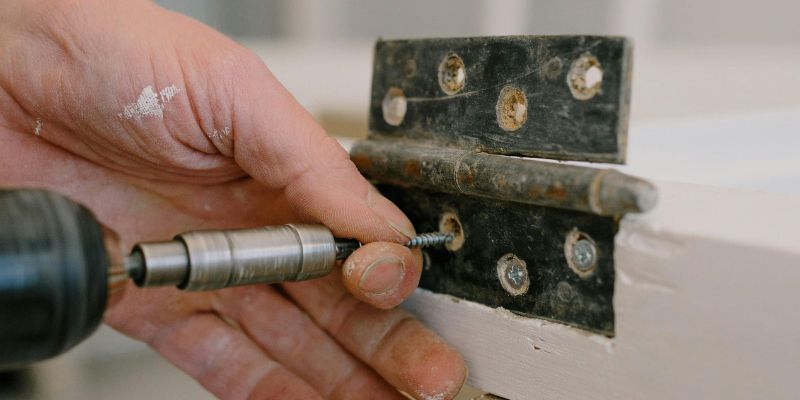
Ready to swap out a hinge? Here’s how I did it on my creaky kitchen door:
- Gather Tools: Grab a screwdriver, tape measure, and new hinges.
- Remove Old Hinge: Unscrew the old hinge from the door and frame.
- Check Fit: Hold the new hinge in place. Does it match the old cutout?
- Screw It In: Use the same screw holes if possible. Tighten firmly.
- Test the Door: Swing it open and shut. No squeaks? You’re golden!
This took me 15 minutes once I got the hang of it. It’s a piece of cake!
Visual Ideas for Clarity
To make this easier, imagine these visuals (not included):
- A diagram showing hinge parts (leaf, pin, knuckle).
- A side-by-side comparison of 3.5” vs. 4” hinges.
- A photo of a door with labeled hinge placements.
My Biggest Hinge Lesson
When I started, I thought all hinges were the same. Big mistake! I once bought 3-inch hinges for a 1 3/4-inch exterior door, and it sagged like a sad puppy. Now, I always measure the door’s thickness and weight first. Sites like Access Hardware have great guides for picking hinges. Trust me, a little prep saves a lot of hassle.
Frequently Asked Questions
Are All Door Hinges the Same Size?
No, door hinges vary in size based on door type and weight. Standard interior doors use 3.5-inch hinges, while exterior doors often need 4-inch or larger hinges. Always measure your door’s thickness and hinge cutout before buying.
How Do I Know What Size Hinge I Need?
Measure the old hinge’s height and width or check the door’s thickness. Interior doors (1 3/8 inches) typically use 3.5-inch hinges. Exterior doors (1 3/4 inches) need 4-inch or 4.5-inch hinges for stability.
Can I Use Cabinet Hinges on a Door?
No, cabinet hinges are too small for doors. They’re designed for lightweight cabinet doors, not heavy home doors. Use butt or ball bearing hinges for residential doors to ensure durability.
How Many Hinges Does My Door Need?
It depends on the door’s height. Most doors need one hinge per 30 inches of height. Standard 80-inch doors use two or three hinges, with exterior doors often needing three for extra support.
What’s the Difference Between 3.5” and 4” Hinges?
Size and strength differ. A 3.5-inch hinge is fine for lightweight interior doors, while 4-inch hinges support heavier exterior doors. Check your door’s weight and thickness to choose the right one.
Are Hinge Sizes Universal Across Brands?
Mostly, but check specifics. Most brands follow standard sizes (3.5”, 4”, etc.), but corner radius or pin type may vary. Compare your old hinge to the new one for a perfect fit.
How Do I Fix a Sagging Door?
Check hinge size and tightness. A too-small hinge or loose screws can cause sagging. Replace with the right size (e.g., 4” for exterior doors) and tighten screws securely.
Conclusion
Hinges might seem simple, but picking the right size makes all the difference. Are all door hinges the same size? Nope! From 3.5-inch hinges for bedroom doors to 4-inch ones for front doors, matching the size to your door’s weight and thickness is key. I’ve shared easy steps, tips, and tables to help you choose wisely. Try measuring your hinges or replacing a squeaky one—it’s easier than you think! Share your hinge adventures in the comments or check out Today’s Design House for more ideas. What’s your next home project? Let’s make it a breeze