Are Bleach Tablets Bad For Toilets? Essential Guide
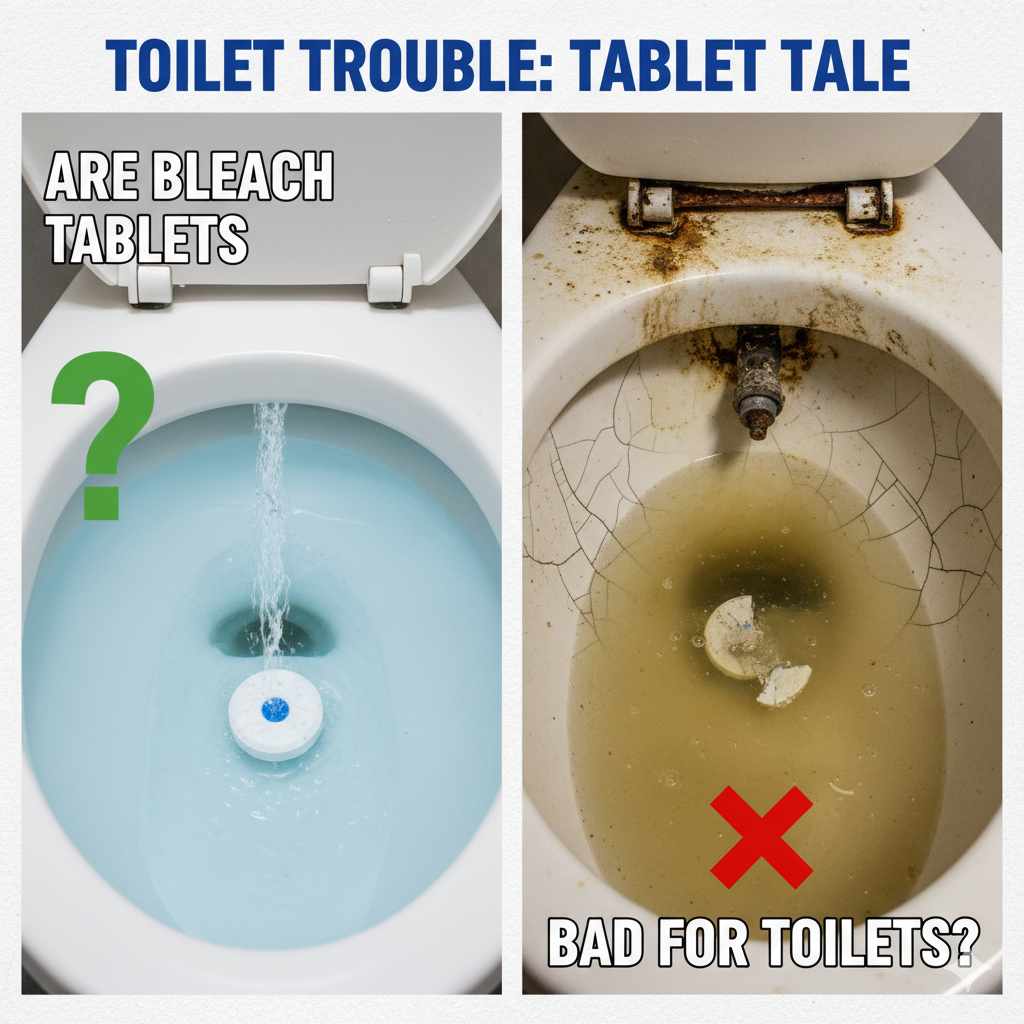
Yes, bleach tablets can be bad for toilets if used improperly or too frequently, potentially damaging components and affecting water quality. This guide will help you understand the risks and safer alternatives for keeping your toilet clean.
Keeping your toilet sparkling clean is a top priority for any homeowner. Sometimes, we look for quick and easy solutions to tackle stubborn stains and odors. Bleach tablets, often found in the cleaning aisle, seem like a convenient way to keep your toilet bowl fresh with every flush. But have you ever stopped to wonder if these little tablets are truly doing your toilet any favors, or if they might be causing hidden damage? It’s a common question, and one that deserves a clear answer. This guide is here to help you understand the ins and outs of using bleach tablets in your toilet, so you can make informed decisions for a clean and well-maintained bathroom.
Understanding Bleach Tablets for Toilets
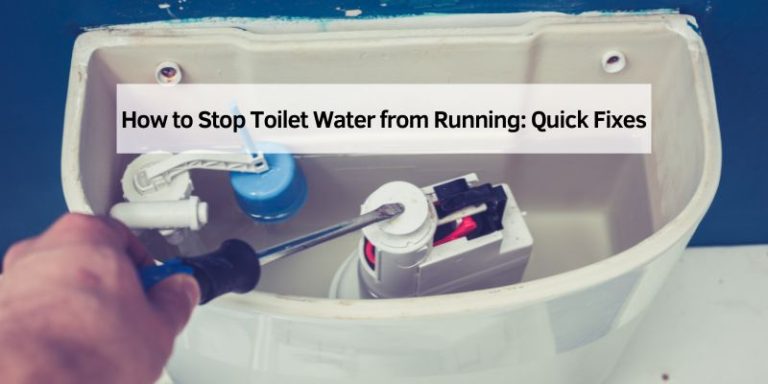
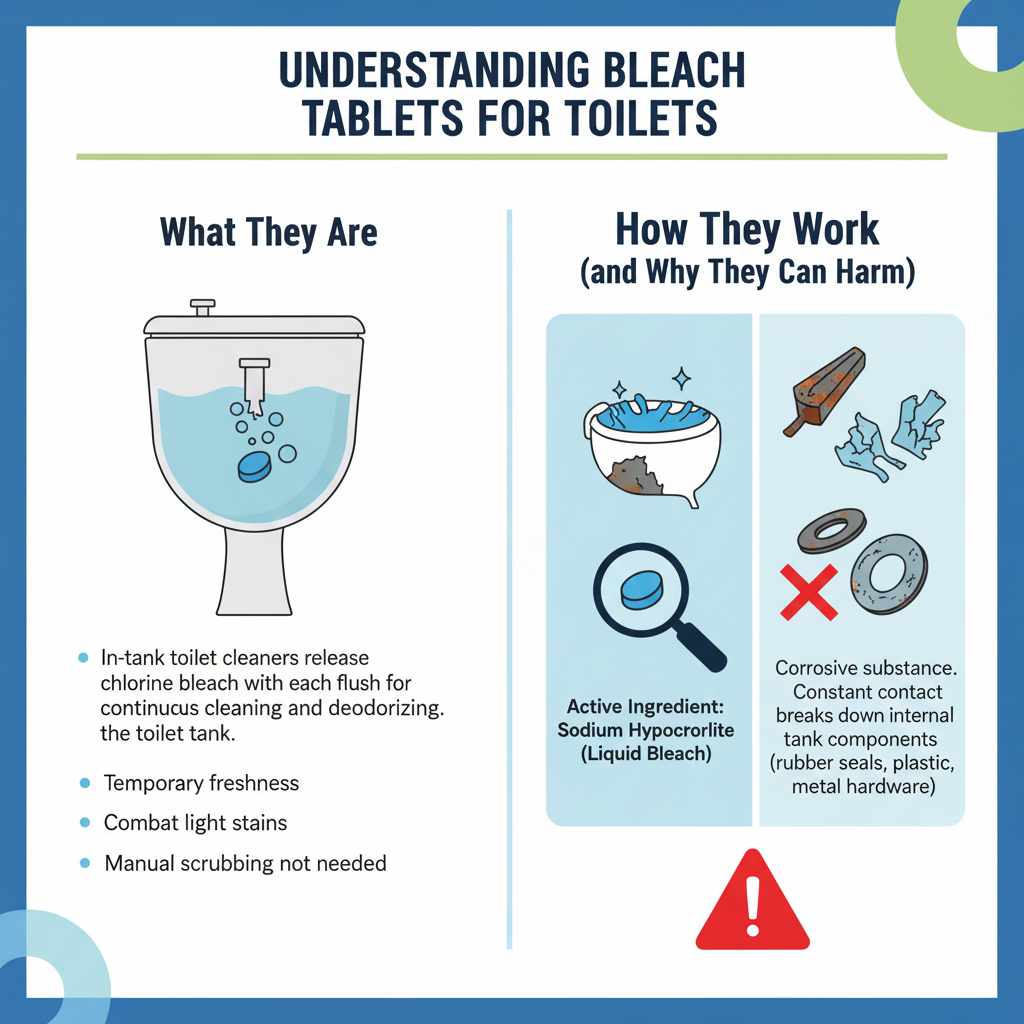
Bleach tablets, also known as in-tank toilet cleaners or toilet bowl fresheners, are designed to release cleaning agents, typically chlorine bleach, into the toilet bowl with each flush. The idea is to provide continuous cleaning and deodorizing action without the need for manual scrubbing. They are usually placed directly into the toilet tank, where the water dissolves the tablet over time. While they can offer a temporary boost in freshness and help combat some light stains, their prolonged or improper use can lead to several issues.
The primary active ingredient in most bleach tablets is sodium hypochlorite, the same chemical found in liquid bleach. This powerful disinfectant is effective at killing bacteria and removing mildew and stains. However, it’s also a corrosive substance. When this corrosive agent is constantly in contact with the internal components of your toilet tank, it can start to break them down.
The Potential Downsides of Using Bleach Tablets
While bleach tablets promise an easy fix for toilet hygiene, they come with a list of potential drawbacks that homeowners should be aware of. Understanding these risks can help you decide if they are the right choice for your home.
Damage to Toilet Components
The most significant concern with bleach tablets is their potential to damage the rubber and plastic parts within your toilet tank. These components, such as the flapper valve, seals, and gaskets, are crucial for the proper functioning of your toilet. Constant exposure to bleach can cause them to degrade, become brittle, and crack. This can lead to leaks, inefficient flushing, and ultimately, the need for costly repairs.
- Rubber Seals and Gaskets: Bleach can dry out and degrade rubber, causing it to lose its elasticity and sealing properties. This is particularly problematic for the flapper valve at the bottom of the tank, which seals the tank until it’s time to flush.
- Plastic Components: While generally more resistant than rubber, some plastics can also be affected by prolonged exposure to bleach, potentially becoming discolored or weakened.
- Internal Tank Finish: Some older toilets may have a porcelain glaze that can be dulled or damaged by continuous contact with harsh chemicals like bleach.
Environmental Concerns
The chemicals released from bleach tablets eventually make their way into the wastewater system. Chlorine bleach can have negative impacts on aquatic life and can interfere with the effectiveness of wastewater treatment processes. When wastewater treatment plants try to remove contaminants, the residual chlorine can be harmful to the microorganisms that are essential for breaking down waste. For more information on the environmental impact of household chemicals, you can refer to resources from the Environmental Protection Agency (EPA).
Health and Safety Risks
While the concentration of bleach released from a tablet is generally low, it’s still a chemical. Inhaling fumes, especially in a small, enclosed bathroom, can be irritating to the respiratory system for some individuals. There’s also a risk of skin irritation if you come into direct contact with the tablet or the water it has been in. It’s always wise to handle cleaning products with care and ensure good ventilation.
Reduced Effectiveness Over Time
Ironically, while designed for continuous cleaning, bleach tablets can sometimes become less effective over time. As the internal components of the toilet tank degrade, the flushing mechanism may not work as efficiently, meaning less water is effectively entering the bowl to rinse away waste. This can lead to more frequent staining and odor issues, ironically making the toilet seem dirtier.
Not a Substitute for Deep Cleaning
Bleach tablets are intended as a maintenance product, not a deep cleaning solution. They do not scrub away hard water stains, mineral deposits, or grime that accumulates on the sides of the bowl. Relying solely on these tablets can mean that underlying issues are ignored, leading to more significant problems down the line.
Safer Alternatives for a Clean Toilet
The good news is that you don’t need to rely on bleach tablets to keep your toilet clean and fresh. There are many effective and safer methods that can achieve excellent results without risking damage to your plumbing or the environment.
Regular Manual Cleaning
The most reliable and safest way to keep your toilet clean is through regular manual cleaning. This allows you to address all areas of the toilet, including the bowl, rim, and exterior, ensuring a thorough job.
What You’ll Need:
- Toilet brush
- Toilet bowl cleaner (choose an eco-friendly or mild option if possible)
- All-purpose cleaner or disinfectant spray
- Microfiber cloths or sponges
- Rubber gloves
Simple Steps for Manual Cleaning:
- Prepare: Put on your rubber gloves. Ensure the bathroom is well-ventilated.
- Apply Cleaner: Squirt toilet bowl cleaner under the rim and around the bowl. Let it sit for the time recommended on the product label (usually 5-10 minutes) to allow it to work.
- Scrub the Bowl: Use the toilet brush to scrub the entire inside of the bowl, paying attention to the areas under the rim where grime can hide.
- Flush: Flush the toilet to rinse away the cleaner and loosened debris.
- Clean the Exterior: Use an all-purpose cleaner and a cloth or sponge to wipe down the outside of the toilet, including the tank, lid, seat, and base.
- Don’t Forget the Seat: Clean both sides of the toilet seat and the hinges.
Vinegar and Baking Soda
These common household ingredients are powerful natural cleaners that can effectively tackle stains and odors without harsh chemicals.
- For Mild Stains and Odors: Sprinkle baking soda into the toilet bowl, let it sit for a few minutes, then scrub with a toilet brush. For extra power, pour a cup of white vinegar into the bowl and let it fizz for about 15-20 minutes before scrubbing and flushing.
- For Stubborn Stains: For tougher stains, you can make a paste of baking soda and water, apply it to the stains, let it sit for at least 30 minutes (or even overnight), then scrub and flush. Alternatively, pour white vinegar into the tank, let it sit for a few hours or overnight, then scrub and flush the bowl.
Borax and Vinegar Combination
Borax is a natural mineral that can help to whiten, deodorize, and scrub. Combined with vinegar, it makes for a potent, yet relatively safe, cleaning solution.
How to Use:
- Pour about 1 cup of borax into the toilet bowl.
- Add about 1 cup of white vinegar.
- Let the mixture sit for at least 30 minutes, or preferably overnight.
- Scrub thoroughly with a toilet brush and then flush.
Commercial Toilet Cleaners (Non-Bleach)
Many brands offer toilet bowl cleaners that are formulated without harsh bleach. These often use citric acid, enzymes, or other biodegradable cleaning agents to break down stains and kill germs. Always read the product label to ensure it’s suitable for your needs and follow the instructions carefully.
Using a Toilet Bowl Clip or Gel System
Instead of placing tablets in the tank, consider cleaning systems that attach to the rim of the toilet bowl or are applied as a gel. These systems often dispense a cleaning agent with each flush directly into the bowl, reducing the risk of damage to tank components. While they still contain cleaning chemicals, their direct contact with tank parts is eliminated.
When Might Bleach Tablets Be Considered (with Extreme Caution)?
In very specific, limited circumstances, some might consider using bleach tablets, but it comes with significant caveats. This is generally NOT recommended by plumbing professionals or manufacturers for long-term use.
Situations to Consider (with extreme caution):
- Very Short-Term Use: If you are going away for an extended period and want to prevent stagnant water odors, a single tablet might be used for the duration of your absence. However, even this carries risks.
- Toilets with No Sensitive Components: Some very basic, older toilet models might have fewer rubber parts or less sensitive plastic. However, it’s difficult to know for sure without detailed knowledge of the toilet’s internal construction.
Crucial Precautions if You MUST Use Them:
- Read Your Toilet Manual: Always check your toilet manufacturer’s recommendations. Many explicitly advise against in-tank cleaners.
- Never Mix Chemicals: Never use bleach tablets in conjunction with other toilet bowl cleaners, especially those containing ammonia, as this can create dangerous fumes.
- One Tablet at a Time: Do not use multiple tablets, as this will accelerate chemical concentration and damage.
- Monitor for Leaks: Keep a close eye on your toilet for any signs of leaks or flushing issues.
- Remove Promptly: If you use one, remove it as soon as you return or the need for it has passed.
It’s important to reiterate that even with these precautions, the risk of damage remains. For most homeowners, the safest bet is to avoid them altogether.
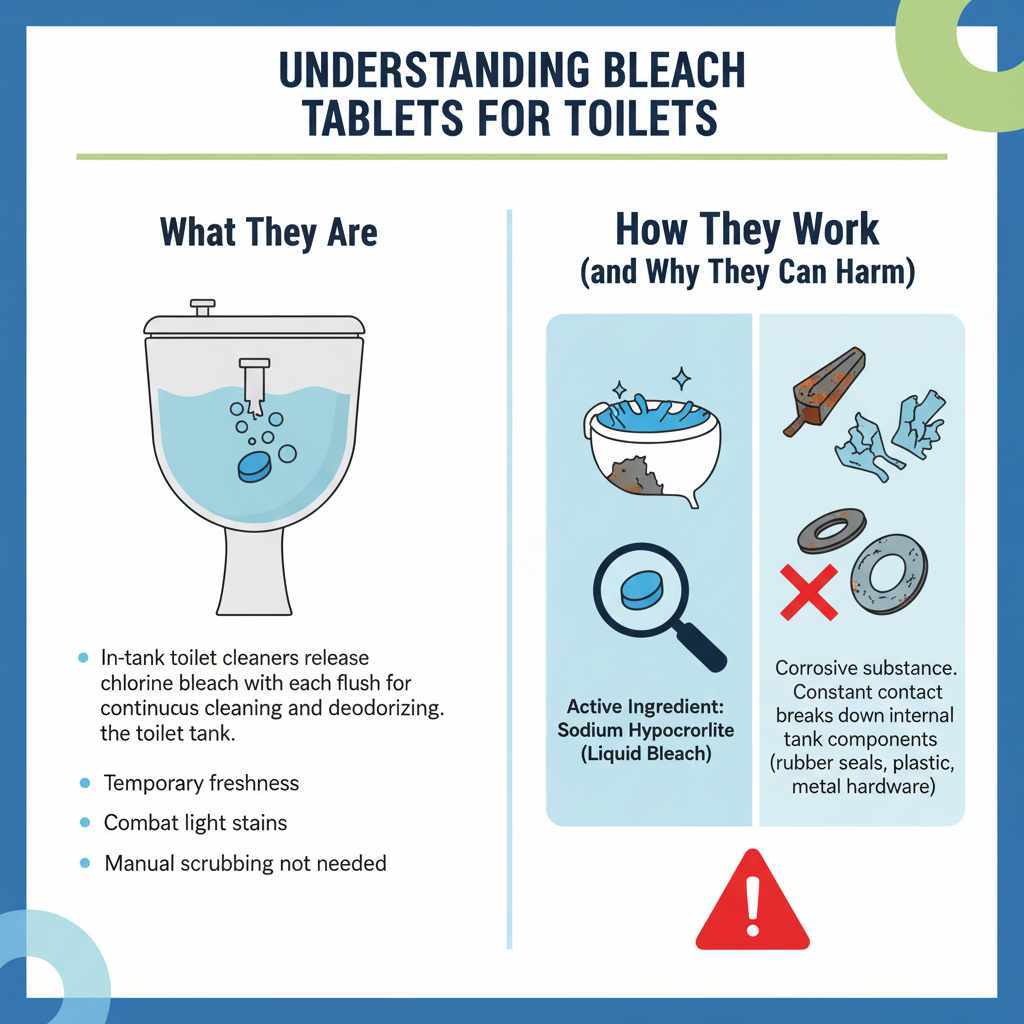
Table: Pros and Cons of Bleach Tablets
To help summarize the decision-making process, here’s a look at the advantages and disadvantages of using bleach tablets in your toilet.
| Pros | Cons |
|---|---|
| Convenient, hands-off cleaning | Can damage rubber and plastic tank components (flapper, seals) |
| Helps maintain a degree of freshness between cleanings | Corrosive nature can lead to leaks and costly repairs |
| Can help reduce some odors | Environmental concerns due to chlorine release |
| May help prevent some mild staining | Not a substitute for thorough, manual cleaning |
| Inexpensive initial cost | Can be irritating to respiratory systems or skin |
| May reduce flushing efficiency over time as components degrade |
Frequently Asked Questions (FAQ)
Q1: Can bleach tablets cause my toilet to leak?
Yes, they can. The bleach in the tablets can degrade the rubber seals and gaskets inside the toilet tank, such as the flapper valve. When these parts break down, they can no longer create a watertight seal, leading to leaks into the toilet bowl.
Q2: How often should I clean my toilet bowl?
For optimal hygiene and to prevent buildup, it’s recommended to clean your toilet bowl thoroughly at least once a week. More frequent cleaning might be necessary depending on household usage.
Q3: Are there any toilet cleaners that are safe for the environment?
Yes, many eco-friendly toilet cleaners are available. Look for products that are biodegradable, phosphate-free, and made with plant-derived ingredients or natural acids like citric acid. Vinegar and baking soda are also excellent natural and environmentally friendly options.
Q4: My toilet tank has a blue tint. Is this from a bleach tablet?
A blue tint in the toilet tank water is usually from blue toilet cleaning tablets or fresheners that are designed to be placed in the tank. While these might seem harmless, they often contain chemicals that can still be damaging to the tank’s internal parts over time, similar to bleach tablets.
Q5: Can I use bleach tablets in a dual-flush toilet?
Dual-flush toilets often have more complex mechanisms. It is generally not recommended to use bleach tablets in any toilet, including dual-flush models, as they can still damage the internal components and potentially void your warranty. Always consult your toilet’s manual.
Q6: What is the best way to remove hard water stains from my toilet bowl?
For hard water stains, a paste of baking soda and vinegar is often effective. For very stubborn stains, you might need a dedicated toilet bowl cleaner designed for hard water or mineral deposits. Let the cleaner sit for the recommended time before scrubbing and flushing. In severe cases, a pumice stone (ensure it’s specifically for toilets and always wet) can be used with extreme caution.
Conclusion
While the convenience of bleach tablets for toilets is tempting, the potential risks to your toilet’s internal components, your health, and the environment often outweigh the benefits. These harsh chemicals can lead to costly repairs and are not a substitute for proper, regular cleaning. By opting for safer alternatives like manual cleaning with household staples such as vinegar and baking soda, or choosing specially formulated, eco-friendly cleaners, you can maintain a sparkling, hygienic toilet without the worry of damage. Remember, a little consistent effort with the right tools and methods goes a long way in preserving your home and keeping it a healthy, pleasant space.