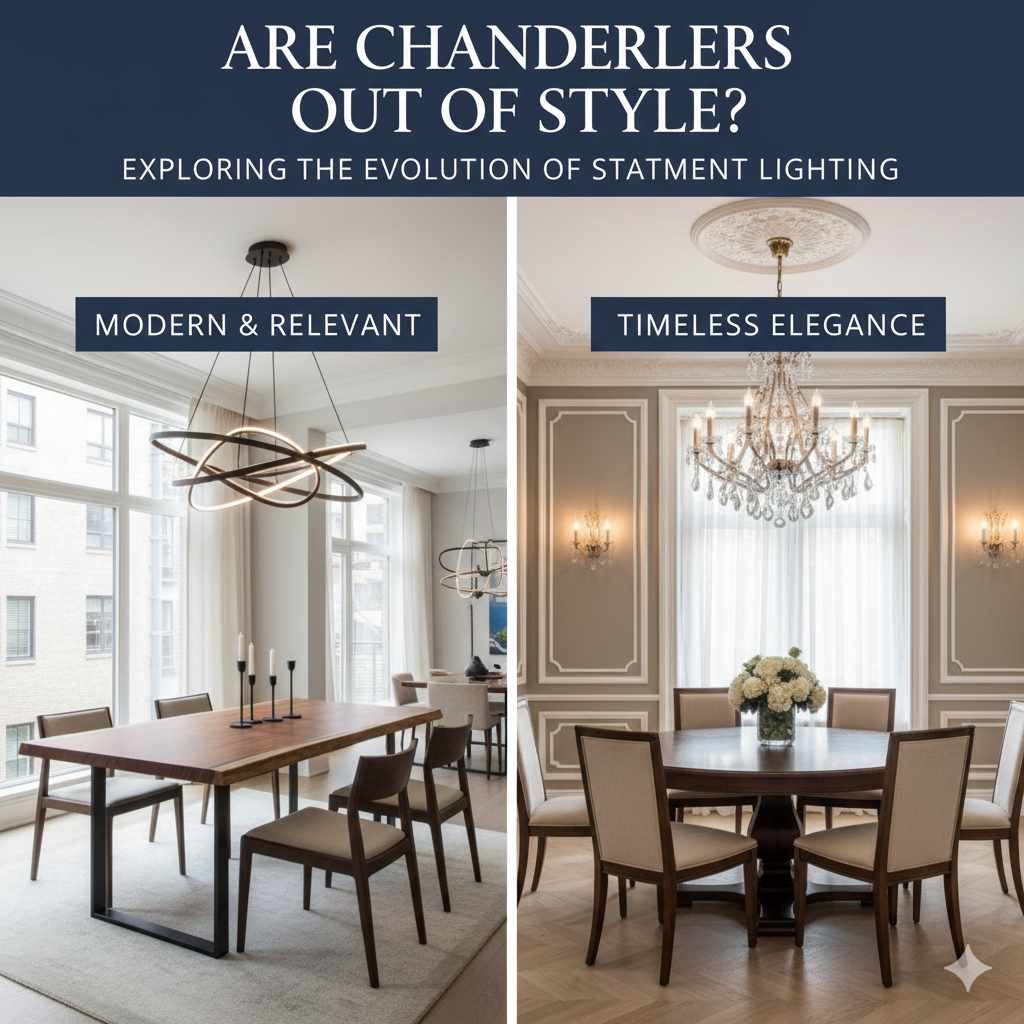
Are Chandeliers Out Of Style? Essential Guide
Quick Summary: Chandeliers are far from out of style! They’ve evolved into modern, adaptable statement pieces that add elegance and personality to any room. Choosing the right style and scale ensures your chandelier enhances, rather than overwhelms, your decor.
Walking into a room and seeing a stunning chandelier can truly take your breath away. But then you might wonder, are these grand light fixtures still in vogue, or are they a relic of the past? It’s a common question many homeowners ponder when updating their spaces. The good news is, chandeliers are absolutely still stylish! They’ve simply transformed, offering a wider range of designs that fit perfectly into contemporary homes. Forget the stuffy, overly ornate styles of yesteryear; today’s chandeliers are versatile, chic, and can be the perfect finishing touch for your living room, dining area, or even your bedroom. Let’s dive into how to choose and use them to make your home shine!
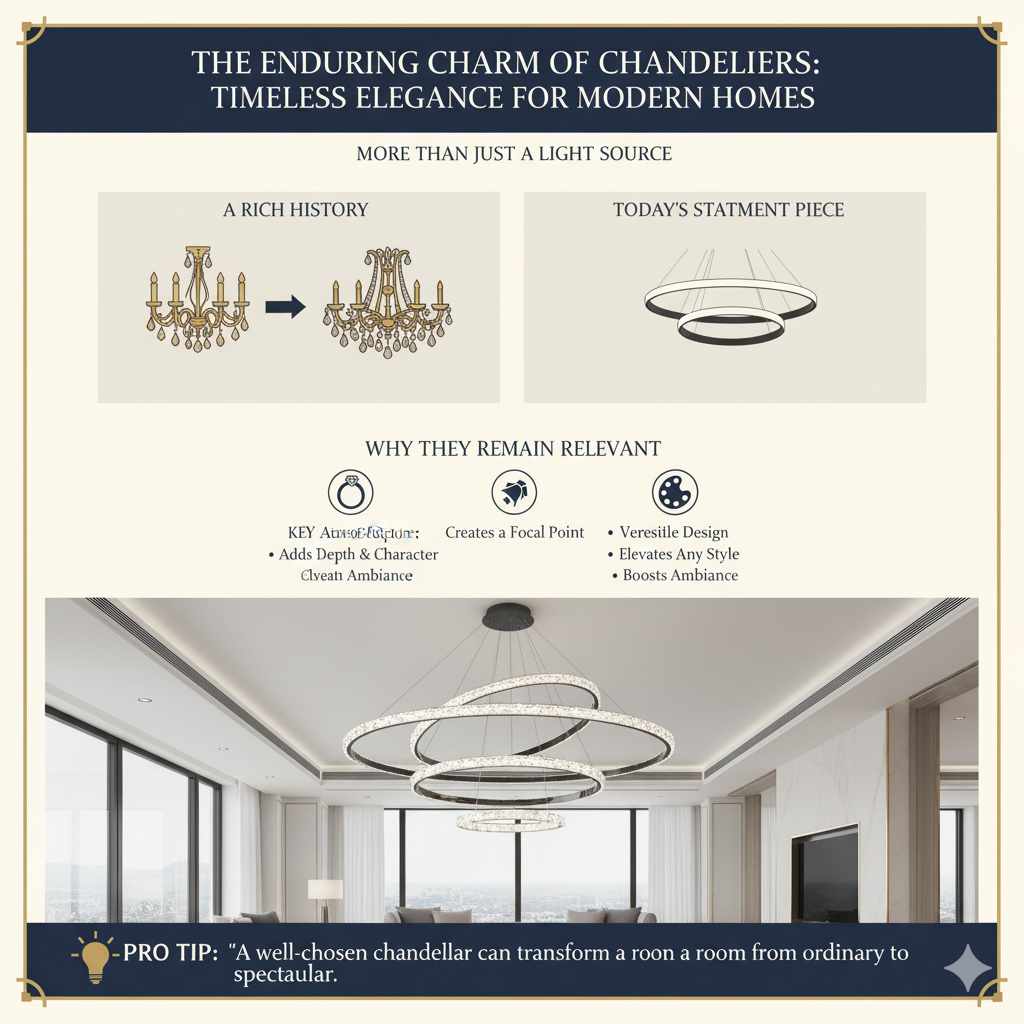
The Enduring Charm of Chandeliers
Chandeliers have graced homes for centuries, evolving from simple candelabras to elaborate crystal masterpieces. Their history is steeped in luxury and grandeur, often serving as the focal point of a room. This inherent ability to command attention is precisely why they remain relevant in interior design. They’re not just light sources; they are decorative sculptures that add depth, character, and a touch of magic to a space.
Think of a chandelier as jewelry for your home. Just like a beautiful necklace can elevate an outfit, a well-chosen chandelier can transform a plain room into something spectacular. Whether your style is minimalist, rustic, or boldly modern, there’s a chandelier design out there that will complement your vision.
Are Chandeliers Out Of Style? The Modern Take
The short answer is a resounding no. Chandeliers have not gone out of style. Instead, they’ve adapted. The traditional image of a massive, crystal-laden fixture might be what comes to mind, but contemporary designers have reimagined chandeliers to suit a vast array of interior aesthetics. They are no longer confined to formal dining rooms. You’ll find them adding flair to kitchens, bedrooms, entryways, and even bathrooms.
Here’s what makes them modern and relevant:
- Diverse Materials: Beyond crystal and brass, chandeliers now feature wood, metal (in various finishes like matte black, brushed nickel, or gold), glass, concrete, and even fabric.
- Varied Silhouettes: From minimalist geometric shapes and Sputnik-inspired designs to organic, sculptural forms, the variety is immense.
- Functional Integration: Many modern chandeliers incorporate LED technology, offering energy efficiency and dimmable options, making them practical as well as beautiful.
- Scale and Proportion: Designers are more mindful of scale, creating fixtures that are proportionate to the room, whether it’s a grand entryway or a cozy reading nook.
Choosing the Right Chandelier for Your Space
Selecting the perfect chandelier involves a bit of planning. It’s about finding a piece that complements your room’s size, style, and function. Let’s break down the key considerations:
1. Room Size and Ceiling Height
This is crucial for ensuring your chandelier looks balanced and doesn’t become a tripping hazard or get lost in the space. A general rule of thumb for dining tables and living rooms is to measure the room’s length and width in feet, add them together, and that sum in inches will give you the ideal diameter for your chandelier. For example, a 12-foot by 18-foot room would have a perimeter of 30 feet (12+18+12+18), so a 30-inch diameter chandelier would be a good starting point.
Ceiling Height Matters:
- Standard Ceilings (8-9 feet): Aim for a chandelier with a maximum height of 24-30 inches. Ensure there are at least 7 feet of clearance from the floor to the bottom of the chandelier.
- High Ceilings (10 feet and above): You can opt for larger and longer chandeliers. For every foot above 8 feet, add approximately 2-3 inches to the chandelier’s height. Ensure at least 7 feet of clearance, and potentially more for very high ceilings to avoid the fixture looking too small.
A chandelier that’s too large can overwhelm a room, while one that’s too small can look insignificant.
2. Style and Aesthetics
Your chandelier should harmonize with your existing decor. Think about the overall vibe you want to create:
- Modern/Minimalist: Look for clean lines, geometric shapes, simple metal finishes (black, brushed nickel, brass), and perhaps frosted or clear glass. Sputnik chandeliers are a popular modern choice.
- Traditional/Classic: Crystal or glass chandeliers with multiple tiers and intricate details are timeless.
- Farmhouse/Rustic: Consider chandeliers made of wood, wrought iron, or those with Edison bulbs and a distressed finish.
- Industrial: Exposed bulbs, metal cages, and raw finishes like concrete or dark metals work well.
- Bohemian: Macrame, rattan, or uniquely shaped fixtures can add a free-spirited touch.
It’s okay for a chandelier to be a statement piece that slightly contrasts with your decor, adding a unique flair, but it should still feel cohesive.
3. Room Function and Placement
Where you hang your chandelier significantly impacts its role:
- Dining Room: Typically centered over the dining table. It should be large enough to visually anchor the table but not so wide that guests can’t see each other. A good rule is for the chandelier to be about half to two-thirds the width of your dining table.
- Living Room: Often hung in the center of the room, especially if there isn’t a specific furniture grouping to anchor. It can add ambient light and serve as a decorative element.
- Entryway/Foyer: This is a prime spot for a dramatic chandelier that makes a grand first impression. Scale it to the height and width of the foyer.
- Bedroom: A smaller, perhaps more delicate chandelier can add a touch of luxury and softer lighting.
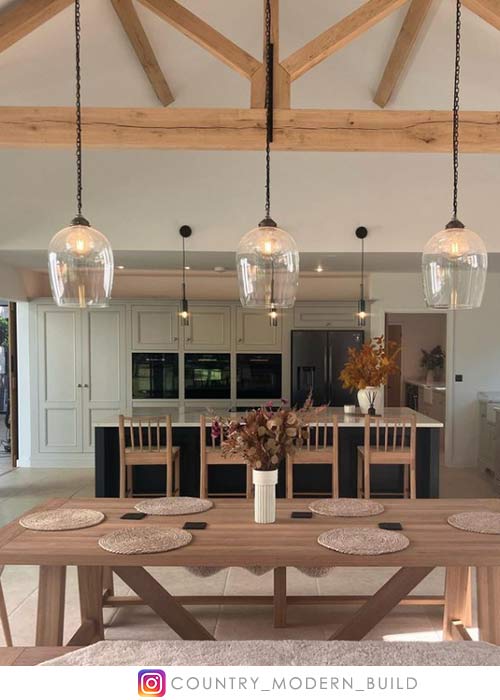
- Kitchen: Modern, durable chandeliers in smaller sizes or island pendants (which are essentially small chandeliers) work well over kitchen islands or in breakfast nooks.
Consider how the light will be used. For a dining room, you’ll want dimmable bulbs to set the mood for meals. For a kitchen, brighter, more functional light might be preferred.
Popular Chandelier Styles That Are Still Trending
The world of chandeliers is vast and exciting. Here are some styles that are very much in vogue and offer a fresh take on lighting:
1. Sputnik Chandeliers
Named after the Soviet satellite, these fixtures feature a central sphere with radiating arms, often tipped with bulbs. They offer a retro-modern, mid-century vibe and are fantastic for adding a sculptural element.
Pros: Unique, modern, distributes light well.
Cons: Can be large, may require specific bulb types.
2. Geometric Chandeliers
These feature clean, linear shapes like cubes, spheres, hexagons, or linear bars. They fit seamlessly into modern, minimalist, and even industrial interiors.
Pros: Sleek, contemporary, versatile.
Cons: Can sometimes feel a bit stark if not balanced with other textures.
3. Wagon Wheel Chandeliers
A revival of a classic, these have a rustic or farmhouse appeal, often featuring a large circular frame with lights attached. Modern versions might incorporate updated finishes or unique bulb choices.
Pros: Cozy, fits farmhouse and rustic styles, offers good ambient light.
Cons: Can be too bulky for smaller rooms.
4. Linear Chandeliers
Perfect for long dining tables or kitchen islands, these are essentially chandeliers stretched out horizontally. They provide excellent task lighting and a sleek look.
Pros: Great for long spaces, modern, functional.
Cons: Less versatile for square rooms or central placement.
5. Drum Chandeliers
These have a cylindrical shade, often made of fabric, metal, or even woven materials. They offer a softer, more diffused light and can range from very modern to more traditional depending on the shade material and base.
Pros: Soft, diffused light, adaptable to various styles.
Cons: Can sometimes feel less impactful than other styles.
6. Organic and Sculptural Chandeliers
These fixtures mimic natural forms, featuring branches, leaves, or abstract, flowing shapes. They add an artistic, nature-inspired touch to a room.
Pros: Artistic, unique, can be a true statement piece.
Cons: Can be expensive, style might be very specific.
Materials and Finishes: What’s Trending?
The materials and finishes of a chandelier play a huge role in its overall look and how it integrates with your decor. While classic crystal and brass never truly go out of style, here’s what’s currently popular:
Popular Finishes
- Matte Black: This versatile finish works with almost any style, from modern and industrial to farmhouse and even transitional. It offers a sophisticated, grounding effect.
- Brushed Brass/Gold: A warmer, more subdued take on traditional gold, brushed brass adds a touch of elegance without being overly flashy. It pairs well with modern, art deco, and even some bohemian styles.
- Brushed Nickel/Chrome: These cool-toned metals are perfect for contemporary, minimalist, and transitional spaces. They offer a clean, crisp look.
- Bronze/Aged Iron: These finishes lend themselves well to rustic, farmhouse, and industrial designs, offering a sense of warmth and history.
Trending Materials
- Wood: Especially lighter woods or reclaimed wood finishes, adding warmth and natural texture to farmhouse, bohemian, or modern organic styles.
- Glass: Beyond clear crystal, consider frosted glass, seeded glass, or colored glass for unique visual effects.
- Concrete: Used in minimalist or industrial designs, concrete offers a raw, textural element.
- Rattan/Woven Materials: Perfect for bohemian or coastal aesthetics, bringing a light, airy, and natural feel.
When choosing, consider how the finish and material will interact with your other hardware (door handles, cabinet pulls) and furniture. Aim for a cohesive look, but don’t be afraid to mix metals strategically.
DIY Considerations: Installing a Chandelier Safely
While it’s often best to leave electrical work to a qualified electrician, understanding the basics of chandelier installation can be empowering. If you’re comfortable with basic DIY and have a helper, you might consider tackling it. Always prioritize safety!
Essential Tools and Materials
- New chandelier
- Ladder (sturdy and appropriate height)
- Screwdrivers (Phillips and flathead)
- Wire strippers/cutters
- Voltage tester (non-contact is easiest for beginners)
- Wire nuts
- Electrical tape
- Helper (highly recommended for lifting and holding)
- Safety glasses
- Work gloves
Step-by-Step Installation (Simplified)
- Turn Off Power: This is the most critical step. Go to your circuit breaker box and turn off the power to the room where you’ll be working. Use a voltage tester to confirm the power is off at the existing fixture.
- Remove Old Fixture: Carefully remove the canopy of the old light fixture. Disconnect the wires (usually black to black, white to white, and ground to ground). Unscrew the mounting bracket.
- Install New Mounting Bracket: Follow the instructions that came with your new chandelier to install its mounting bracket to the electrical box in the ceiling. Ensure it’s securely fastened.
- Assemble Chandelier: Most chandeliers come partially assembled. Follow the manufacturer’s instructions to attach any remaining arms, crystals, or shades.
-
Wire the Chandelier: With your helper holding the chandelier (or using a hook if provided), connect the wires from the chandelier to the wires from the ceiling box using wire nuts. Typically:
- Black wire (hot) from chandelier to black wire from ceiling.
- White wire (neutral) from chandelier to white wire from ceiling.
- Green or bare copper wire (ground) from chandelier to green or bare copper wire from ceiling. If you’re unsure about wire colors or connections, consult an electrician.
- Mount the Chandelier: Carefully tuck the wires into the electrical box and attach the chandelier’s canopy to the mounting bracket.
- Install Bulbs and Test: Screw in the appropriate light bulbs (check wattage limits!). Restore power at the breaker box and test your new chandelier.
Safety Note: If your chandelier is particularly heavy, or if the electrical box in the ceiling is not rated for the weight of a chandelier, you may need to install a heavier-duty electrical box or a chandelier mounting kit. Always check the weight of your fixture and the capacity of your existing box. For any uncertainty, calling a professional is the safest bet. You can find excellent resources on safe electrical practices from organizations like The U.S. Consumer Product Safety Commission.
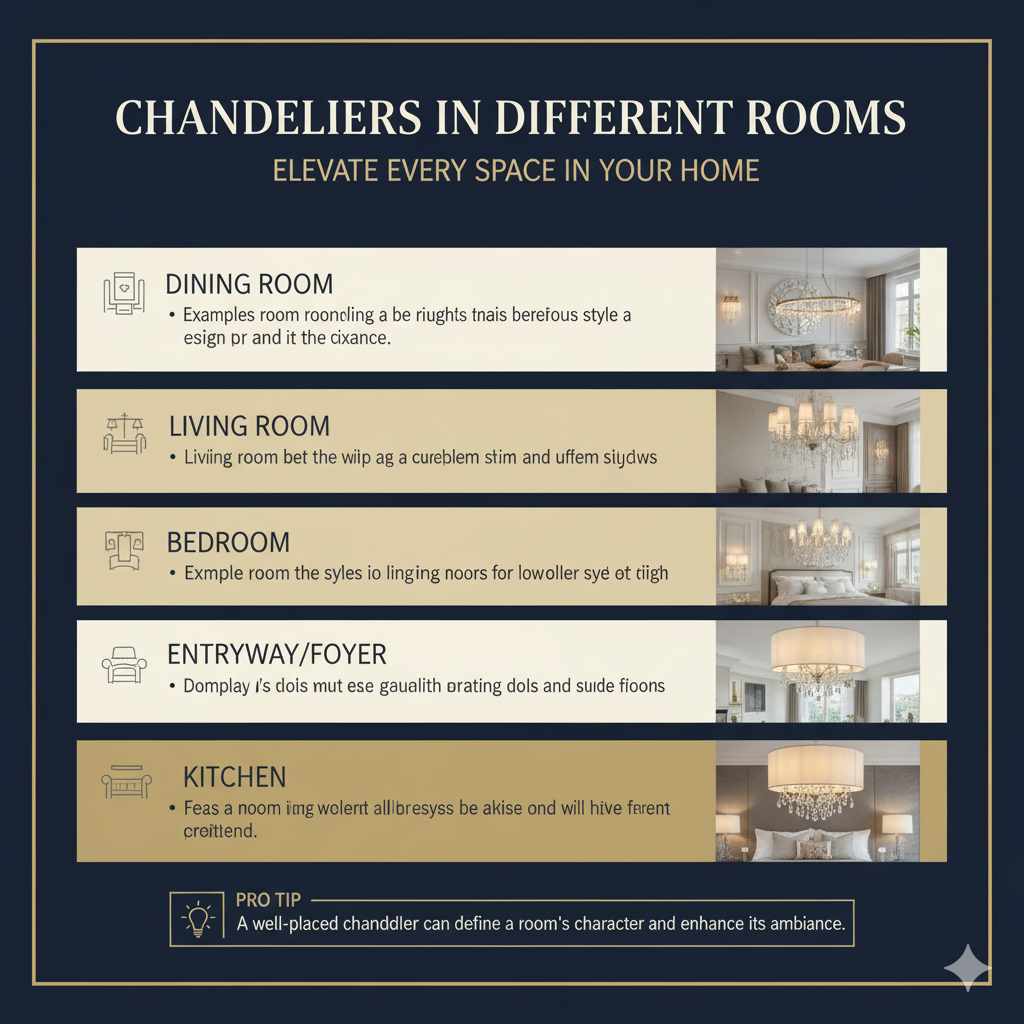
Chandeliers in Different Rooms: Examples and Ideas
Let’s look at how chandeliers can elevate various spaces in your home:
Dining Room
This is the classic chandelier spot. A large, statement chandelier above the table draws the eye and creates a sophisticated dining experience. Consider a linear chandelier for a long table or a multi-tiered crystal piece for a more formal setting. For a modern look, a sculptural metal piece can be stunning.
Living Room
In a living room, a chandelier can act as a central lighting element and a decorative focal point. It can add glamour to a minimalist space or a touch of elegance to a more eclectic room. Ensure it’s hung high enough to avoid being an obstruction but low enough to make an impact.
Bedroom
A chandelier in the bedroom can create a luxurious retreat. Opt for something a bit softer, perhaps with a fabric shade or delicate crystals, to provide ambient and mood lighting. Dimmable bulbs are a must here.
Entryway/Foyer
The entryway is your home’s first impression. A dramatic chandelier here sets a welcoming and impressive tone. It’s a great place to go bold with size and design.
Kitchen
While often overlooked, chandeliers can work beautifully in kitchens, especially over islands or in breakfast nooks. Consider smaller, more durable designs, or even stylish pendant lights that function similarly. Industrial or modern geometric styles often fit well.
Frequently Asked Questions (FAQs)
Q1: How do I know if my chandelier is too big or too small for my room?
A1: Generally, for a dining table, the chandelier’s diameter should be about half to two-thirds the width of the table. For a general room, use the room dimension rule (length + width in feet = diameter in inches). If it overwhelms the space or looks insignificant, it’s likely the wrong size.
Q2: Can I hang a chandelier in a room with a low ceiling?
A2: Yes, but choose carefully. Opt for “flush mount” or “semi-flush mount” chandeliers that hang closer to the ceiling. Look for fixtures with a low profile and avoid anything with long hanging chains or multiple tiers that hang too low.
Q3: How much light does a chandelier provide?
A3: The amount of light depends on the number and wattage of the bulbs, as well as the design of the chandelier (e.g., open vs. shaded). Many chandeliers are designed for ambient or decorative lighting. For brighter task lighting, consider chandeliers with more bulbs, higher wattage bulbs (within fixture limits), or designs that direct light downwards.
Q4: Are crystal chandeliers still in style?
A4: Absolutely! While traditional crystal chandeliers remain timeless, modern interpretations are also popular. Think updated shapes, mixed materials (like crystal with metal or wood), and more streamlined designs. They add a touch of classic elegance to any room.
Q5: What’s the difference between a chandelier and a pendant light?
A5: A pendant light typically hangs from a single cord or chain and often features a single light source or shade. Chandeliers are usually larger, more elaborate fixtures with multiple arms and lights, designed to be a more significant decorative element.
Q6: How do I clean a crystal chandelier?
A6: Always turn off the power first! For crystal, you can use a specialized crystal cleaner spray and a lint-free cloth, or a mixture of water and isopropyl alcohol. For metal parts, use an appropriate metal cleaner. Work carefully, section by section, to avoid damaging the crystals or the fixture.
Conclusion
So, are chandeliers out of style? Emphatically, no! They are more relevant and versatile than ever, offering a fantastic way to infuse personality, elegance, and focused light into your home. The key is understanding how to select a chandelier that perfectly suits your room’s dimensions, your personal style, and the intended function of the space. From sleek modern designs to rustic farmhouse charm, the modern chandelier is a dynamic decorative element that can transform an ordinary room into something extraordinary. By considering size, style, material, and finish, you can confidently choose a chandelier that will be a cherished focal point for years to come. So go ahead, let your home shine brightly with the perfect chandelier!