Are Downrods Universal? Your Guide to Ceiling Fan Downrods
Hey there! If you’re wondering, are downrods universal, you’re not alone. I’ve asked myself this question while tackling home improvement projects. The short answer? No, downrods aren’t always universal, but there’s a lot to unpack here. Let’s dive into everything you need to know about ceiling fan downrods, from compatibility to installation, so you can make the right choice for your home.
What Exactly Is a Downrod?
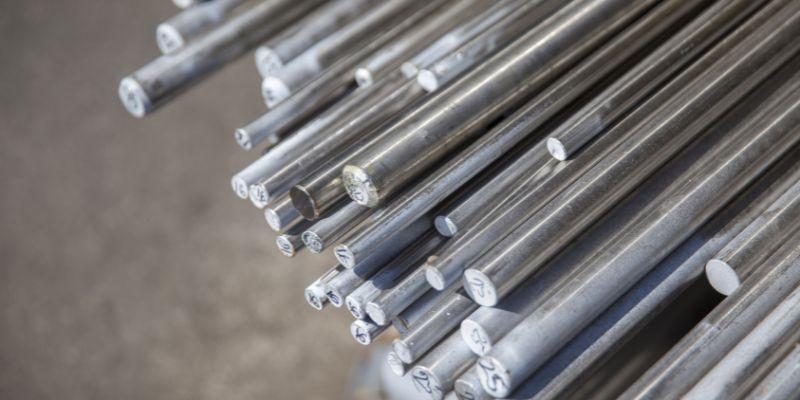
When I first started exploring ceiling fans, I didn’t know much about downrods. Simply put, a downrod is a metal rod that connects your ceiling fan to the mounting bracket on the ceiling. It lowers the fan to the ideal height, especially in rooms with high ceilings. Think of it like the bridge between your ceiling and the fan itself.
Downrods come in different lengths, diameters, and finishes. They’re not just functional—they can match your fan’s style, like brushed nickel or matte black. I learned this the hard way when I picked a shiny chrome downrod that clashed with my rustic fan. The lesson? Always check the aesthetic and technical specs before buying.
Why Downrod Compatibility Matters
You might be thinking, “Can’t I just grab any downrod and call it a day?” I thought the same thing once. But compatibility is key. Not all downrods work with every ceiling fan. Here’s why:
- Threading Differences: Some ceiling fans have unique threading patterns on their mounting systems. A downrod that doesn’t match won’t screw in properly.
- Weight Support: Ceiling fans vary in weight. A downrod needs to handle the fan’s weight without wobbling.
- Brand Specifications: Many brands, like Hunter or Casablanca, design downrods specifically for their fans. I’ve seen generic downrods work, but it’s a gamble.
- Electrical Wiring: The downrod houses the fan’s wiring. If the diameter or length isn’t right, the wiring might not fit or reach.
I once tried using a downrod from an old fan with a new one. Big mistake. The threading didn’t match, and I had to start over. Always double-check compatibility with your fan’s manual or the manufacturer’s website.
Are Downrods Truly Universal?
Let’s get to the heart of it: are downrods universal? In my experience, they’re not. While some downrods are marketed as “universal,” this usually means they work with a range of fans, not all of them. Here’s what I’ve learned:
- Brand-Specific Downrods: Big brands like Westinghouse or Hampton Bay often make downrods tailored to their fans. These might not fit other brands.
- Standard Sizes: Many downrods come in standard diameters (like ½ inch or ¾ inch), which can work across brands if the threading matches.
- Custom Options: Some companies sell adjustable or universal downrods, but you still need to verify compatibility.
I’ve found that sticking with the same brand as your ceiling fan is the safest bet. For example, when I installed a Hunter fan, their downrod fit like a glove. But when I mixed brands, I ran into issues. If you’re unsure, call the manufacturer or check online forums for advice.
How to Choose the Right Downrod
Picking the right downrod can feel overwhelming, but it’s manageable once you know what to look for. Here’s what I consider every time:
- Ceiling Height: Measure from the floor to the ceiling. For ceilings over 8 feet, you’ll likely need a downrod. A good rule is to keep the fan blades 7-9 feet above the floor for safety and airflow.
- Room Size: Larger rooms need longer downrods to position the fan lower for better air circulation.
- Fan Weight: Check the fan’s weight and ensure the downrod can support it.
- Finish and Style: Match the downrod finish to your fan for a cohesive look. I once chose a bronze downrod for a white fan, and it looked off.
- Wiring Compatibility: Make sure the downrod can house the fan’s wiring without pinching or stretching.
Here’s a quick table to help you pick the right downrod length:
| Ceiling Height | Recommended Downrod Length |
|---|---|
| 8-9 feet | 6-12 inches |
| 9-10 feet | 12-18 inches |
| 10-12 feet | 18-24 inches |
| 12-14 feet | 24-36 inches |
| 14+ feet | 36-72 inches |
When I redid my living room, my 10-foot ceiling needed an 18-inch downrod. It brought the fan to the perfect height for airflow without feeling too low.
Installing a Downrod: My Step-by-Step Process
Installing a downrod isn’t as scary as it sounds. I’ve done it a few times, and with the right tools, it’s straightforward. Here’s how I do it:
- Turn Off Power: Safety first. I always flip the breaker to avoid shocks.
- Check the Manual: Your ceiling fan manual will list the right downrod size and threading.
- Attach the Downrod: Screw the downrod into the fan’s mounting bracket. I make sure it’s tight to avoid wobbling.
- Thread the Wiring: Feed the fan’s wires through the downrod. This can be tricky, so I take my time.
- Mount the Fan: Secure the downrod to the ceiling bracket. I double-check all screws.
- Test It: Turn the power back on and test the fan. If it wobbles, I adjust the downrod or balance the blades.
The first time I installed a downrod, I forgot to tighten the screws fully. The fan wobbled like crazy! Now, I always double-check everything.
Common Downrod Myths I’ve Debunked
Over the years, I’ve heard some wild myths about downrods. Let’s clear them up:
-
Myth: All Downrods Are Interchangeable
Nope. As I mentioned, threading and weight support vary. Always check compatibility. -
Myth: You Don’t Need a Downrod for High Ceilings
Wrong. High ceilings often require a downrod to lower the fan for better airflow. -
Myth: Longer Downrods Are Always Better
Not true. Too long, and the fan might hang too low, creating a safety hazard.
I fell for the “interchangeable” myth once and wasted money on a downrod that didn’t fit. Save yourself the hassle and do your homework.
Alternatives to Downrods
Sometimes, a downrod isn’t the best fit. I’ve explored other options, depending on the room:
- Flush Mount Fans: For low ceilings (under 8 feet), I skip the downrod and use a flush-mount ceiling fan. It hugs the ceiling for a sleek look.
- Angled Mounts: If you have a sloped ceiling, like in my attic, an angled mount adapter works better than a standard downrod.
- Custom Extensions: For super high ceilings, I’ve seen custom downrods or extension poles that go beyond standard lengths.
In my guest bedroom with a low ceiling, I went with a flush-mount fan. It saved space and looked great. But for my vaulted living room, a downrod was the only way to go.
Where to Buy Downrods
Finding the right downrod is easier than you think. Here’s where I shop:
- Manufacturer Websites: Brands like Hunter or Minka Aire sell downrods designed for their fans.
- Home Improvement Stores: Home Depot and Lowe’s have a wide range of downrods in various lengths and finishes.
- Online Retailers: Amazon and Wayfair offer tons of options, often with customer reviews to guide you.
- Lighting Stores: Specialty stores sometimes carry unique downrod finishes that match high-end fans.
I usually check the manufacturer first for a perfect match. But for budget options, Amazon has never let me down.
Tips for Maintaining Your Downrod and Ceiling Fan
Once your downrod and ceiling fan are installed, a little maintenance goes a long way. Here’s what I do:
- Check for Wobbling: Every few months, I make sure the downrod is secure and the fan is balanced.
- Clean Regularly: Dust on fan blades can affect performance. I wipe down the downrod and blades with a damp cloth.
- Inspect Wiring: If the fan acts up, I check the wiring inside the downrod for loose connections.
- Tighten Screws: Vibrations can loosen screws over time. I give them a quick tighten annually.
I neglected maintenance once, and my fan started creaking. A quick tightening of the downrod screws fixed it right up.

Conclusion
So, are downrods universal? Not quite, but with the right knowledge, you can find the perfect downrod for your ceiling fan. I’ve learned through trial and error that compatibility, ceiling height, and style all matter. Whether you’re installing a fan in a cozy bedroom or a grand living room, the right downrod makes all the difference. Take your time, check your fan’s specs, and don’t be afraid to ask for help if you’re unsure. Your home deserves a ceiling fan that looks great and works flawlessly. Happy decorating!
FAQs
Are Downrods Interchangeable Between Different Ceiling Fan Brands?
No, downrods aren’t always interchangeable. Each brand has specific threading and weight requirements. I’ve tried mixing brands, and it often leads to issues. Check your fan’s manual or contact the manufacturer to confirm compatibility.
How Do I Know What Size Downrod I Need?
Measure your ceiling height. For ceilings over 8 feet, you’ll need a downrod. Aim for the fan blades to sit 7-9 feet above the floor. My 10-foot ceiling needed an 18-inch downrod for perfect airflow.
Can I Install a Downrod Myself?
Yes, it’s doable if you’re handy. Turn off the power, follow the fan’s manual, and secure the downrod tightly. I’ve installed a few myself, but if you’re not comfortable with electrical work, hire a professional.
Do All Ceiling Fans Require a Downrod?
No, not all ceiling fans need a downrod. For low ceilings, flush-mount fans work better. In my low-ceiling bedroom, I skipped the downrod entirely.
Can I Use a Longer Downrod for Better Airflow?
Sometimes, but don’t go too long. A downrod that’s too long can make the fan hang too low, which isn’t safe. I stick to the recommended length for my ceiling height.