Are Salt Lamps Toxic To Cats? Essential Guide to Pet Safety
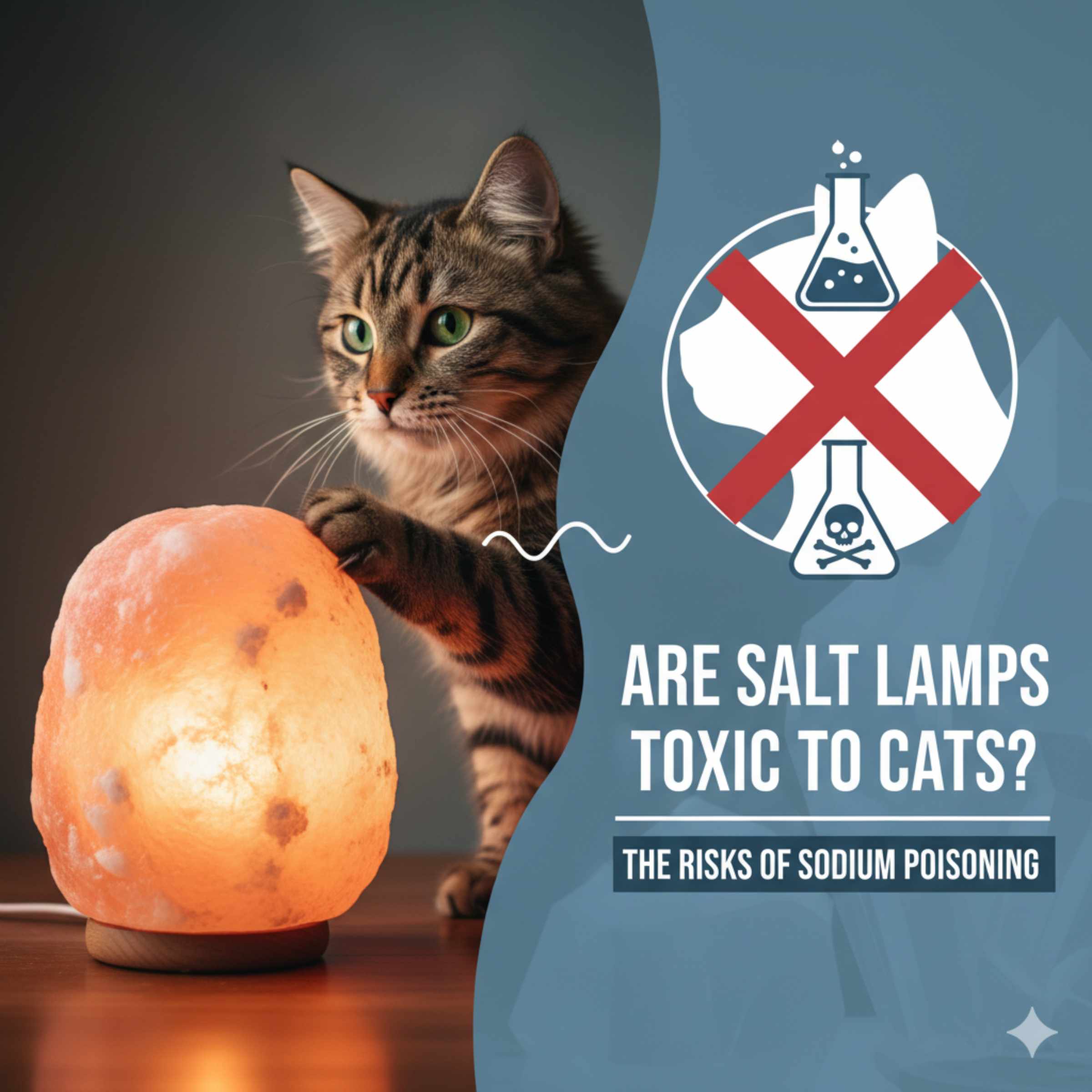
Salt lamps are not inherently toxic to cats, but they pose a significant health risk if a cat ingests enough salt, which can lead to salt poisoning (hypernatremia). The primary danger comes from cats licking the lamp’s surface repeatedly. This guide shows you how to safely display your lamp while keeping your feline friend secure.
If you love that warm, soft glow from your Himalayan salt lamp, you’re not alone! They add a wonderful, cozy feeling to any room. But if you share your home with a curious cat, a little worry creeps in. You might wonder: are salt lamps toxic to cats? It’s a common concern for pet owners who want both beautiful home decor and a safe space for their furry friends. Many people aren’t sure if the salt itself is the problem or if it’s something else entirely. Don’t worry; we can figure this out together. As someone who loves building things and keeping a safe home, I’ll walk you through exactly what you need to know, step-by-step. We’ll make sure your cat stays happy and your lamp keeps shining safely.
Understanding Himalayan Salt Lamps and Pet Safety
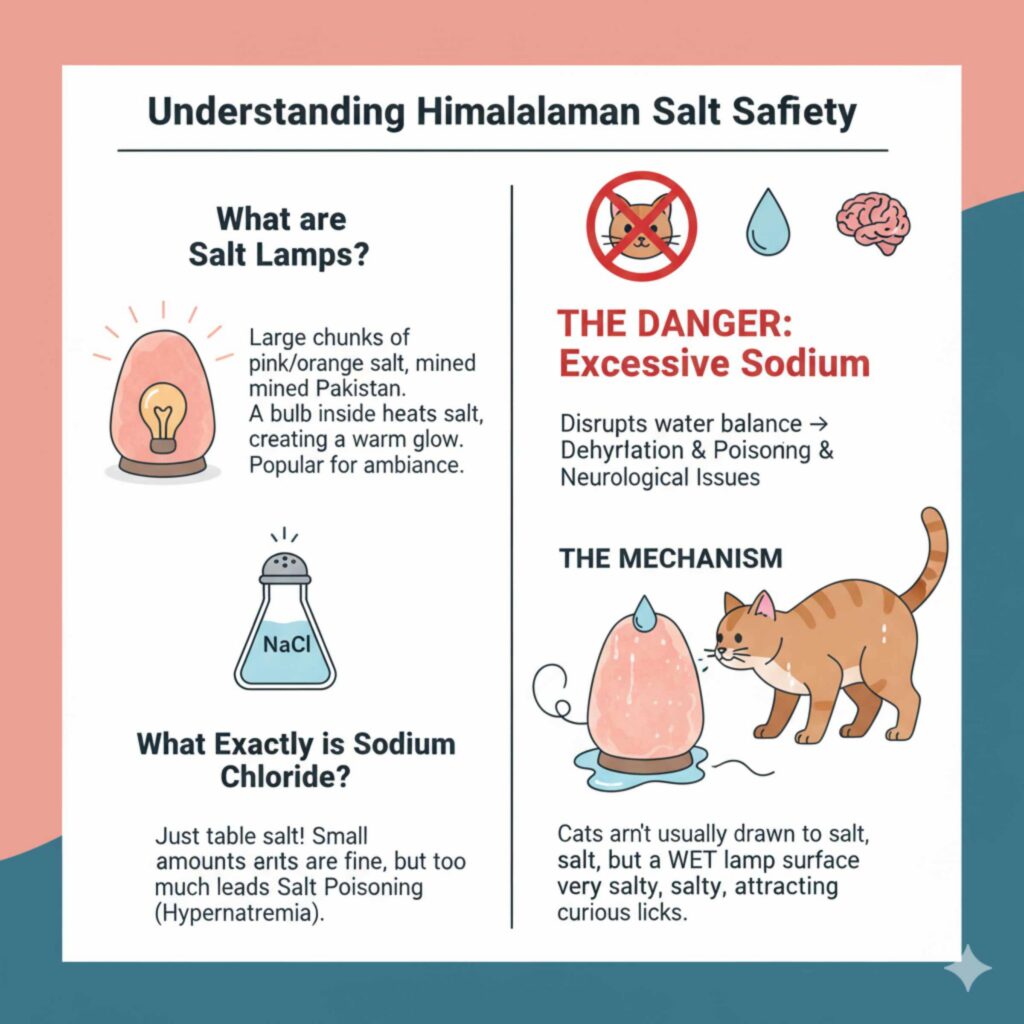
Himalayan salt lamps are large chunks of pink or orange salt, usually mined from Pakistan. They look like natural crystal art! Inside, there’s a small light bulb that heats the salt, causing it to glow. These lamps are popular for their ambiance, but the material itself—pure sodium chloride (salt)—is what we need to focus on regarding pet safety.
What Exactly is Sodium Chloride?
Sodium chloride is just table salt. While a tiny amount won’t hurt your cat, too much salt in their system causes a dangerous condition called salt poisoning, or hypernatremia. This is the key concern with salt lamps.
- The Danger: Excessive sodium intake disrupts the water balance in your cat’s body, leading to dehydration and potentially severe neurological issues.
- The Mechanism: Cats aren’t naturally drawn to salty flavors like dogs sometimes are, but if the lamp is wet (due to humidity or spills), the surface becomes very salty, making it an attractive licking spot for an inquisitive kitty.
The Risk: Salt Poisoning in Cats (Hypernatremia)
To feel confident placing your salt lamp, you need to understand the threat. Salt poisoning in cats is serious. It’s less common than poisoning from antifreeze or certain houseplants, but it’s something every responsible pet owner should be aware of. Think of it like a leaky faucet—a little drip isn’t a problem, but constant dripping causes a flood. Constant licking of a salt lamp is that flood.
Signs Your Cat Might Have Licked Too Much Salt
If you suspect your cat has spent too much time with the lamp, watch closely for these signs. Early detection is crucial, as it allows you to intervene before things get serious.
- Excessive Thirst: The body tries to dilute the high salt concentration by pulling water from cells.
- Vomiting or Diarrhea: The body tries to expel the excess salt.
- Lethargy or Weakness: The cat may seem unusually tired or uncoordinated.
- Excessive Urination: In the initial stages, the body tries to flush out the sodium.
- Neurological Signs (Severe Cases): This can include tremors, seizures, or even coma. This requires immediate veterinary attention.
If you ever see severe symptoms, call your veterinarian or the Pet Poison Helpline immediately. This isn’t the time to wait and see.
How Much Salt is Too Much?
Cats need very little sodium in their diet; most of what they need comes from their commercial cat food, which is carefully balanced. Even a small amount of salt ingestion can be harmful for a small animal. While it’s hard to give an exact lethal dose because it depends on the cat’s weight and overall health, veterinarians warn that ingesting even a few teaspoons of concentrated salt can cause severe illness in a small cat.
Practical Safety Steps: How to Keep Your Salt Lamp Away From Your Cat
The good news is that you don’t have to give up your beautiful lamp! With a few simple, DIY-style precautions—the kind of common-sense steps we use when securing tools in the workshop—you can enjoy your lamp safely. Safety always comes first, right?
Step 1: Strategic Placement is Key
This is the easiest fix. If your cat can’t reach it, they can’t lick it. Think about high, stable locations.
- High Shelves: Use sturdy wall-mounted shelves. Ensure the shelf is deep enough so the lamp can’t easily be nudged off by a jumping cat.
- Mantels (With Caution): If you have a wide, secure mantelpiece, this might work, provided the cat isn’t an expert jumper.
- Closed Rooms: Keep the lamp in a room your cat is only allowed into when supervised, or a room they rarely frequent (like a formal dining room).
Step 2: Protecting the Lamp from Moisture
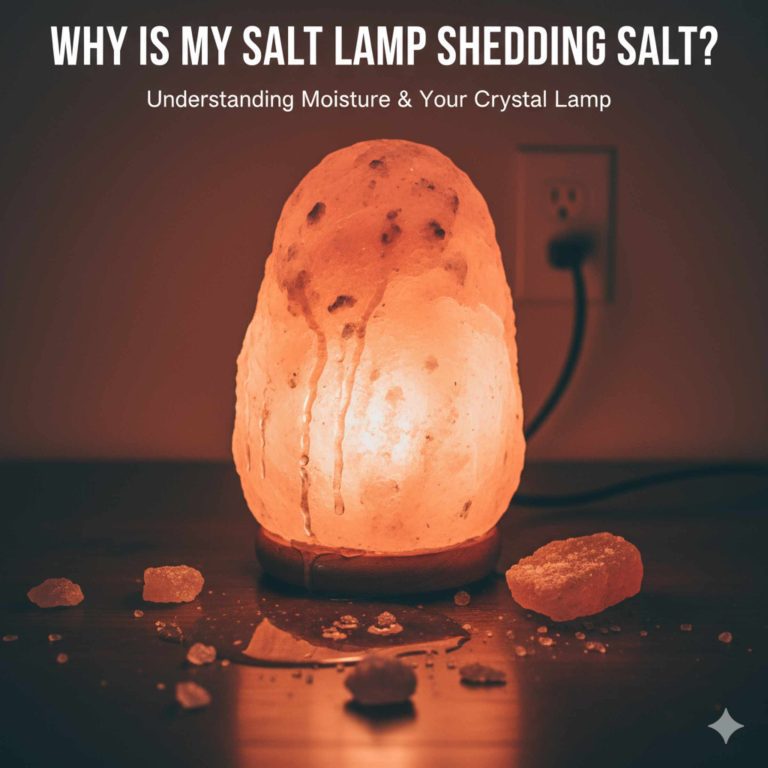
When salt lamps get damp, they “sweat,” making the surface extra sticky and salty—a cat magnet! This happens easily in humid environments or if the lamp is near a humidifier or a leaky window.
- Avoid Bathrooms and Kitchens: These high-humidity areas make the salt dissolve faster.
- Wipe Down Regularly: If you live in a humid climate, use a clean, dry cloth to gently wipe down the lamp surface weekly to remove any salt residue that builds up.
- Keep It On: Keeping the lamp turned on actually helps keep it dry. The heat from the bulb evaporates surface moisture.
Step 3: Create Physical Barriers (The DIY Approach)
Sometimes, we need a small barrier, just like you’d build a small fence around a garden bed to protect delicate seedlings. If high placement isn’t an option, you need a physical deterrent.
One simple, safe barrier is using acrylic sheeting or clear plastic display cases. While this requires a bit more effort, it completely solves the licking issue:
- Measure: Measure the lamp’s height, width, and depth.
- Source Material: Purchase clear acrylic panels (often found at hardware or craft stores).
- Assemble a Box: You can glue or use small corner brackets to assemble a simple, clear box around the lamp. Ensure there is adequate ventilation around the bulb area for heat escape.
- Secure the Base: Make sure the base of the lamp sits firmly inside the enclosure so it cannot be tipped over.
Comparing Salt Lamps to Other Common Home Hazards
It helps to put the risk of a salt lamp into perspective compared to other things in your house. While salt lamps pose a genuine threat of salt poisoning if licked frequently, they are generally less acutely toxic than many common household items.
| Hazard Type | Toxicity Level (for Cats) | Primary Concern |
|---|---|---|
| Himalayan Salt Lamp (Licked Regularly) | Moderate to High (If exposure is prolonged) | Hypernatremia (Salt Poisoning) |
| Antifreeze (Ethylene Glycol) | Extremely High (Lethal in small amounts) | Kidney Failure |
| Lilies (True Lilies) | Extremely High (Even pollen contact) | Acute Kidney Failure |
| Tylenol (Acetaminophen) | Extremely High | Liver Failure, Red Blood Cell Damage |
As you can see, while you must manage the salt lamp risk, items like antifreeze and certain common flowers present an immediate, life-threatening emergency even in tiny quantities. Managing the salt lamp is about prevention and placement, not immediate, deadly contact.
Tips for Choosing and Maintaining Your Lamp Safely
When you buy your lamp, think like a craftsman: start with quality materials and plan for maintenance. This ensures longevity and safety.
Choosing the Right Lamp Size
Bigger lamps are often safer for two reasons:
- Less Accessible: A very large, heavy lamp is much harder for a cat to knock over or reach comfortably.
- Less Surface Area Relative to Weight: While still salty, the sheer mass of a large lamp means a cat would have to lick an incredible amount over time to reach a toxic level, compared to a small, softball-sized lamp.
Lamp Maintenance Checklist
Treating your salt lamp like any piece of home equipment means regular checks will keep it working well and keep your pet safe.
- Inspect the Cord: Just as you check electrical connections when installing a new fixture, check the cord. Cats sometimes chew on cords, which is a separate electrical hazard, but also exposes them to salt residue on the cord itself.
- Check the Base: Ensure the wooden or plastic base remains solid and attached. A wobbly base invites tipping.
- Use the Bulb Correctly: Always use the correct wattage bulb recommended by the manufacturer. The heat generated is necessary to keep the salt dry. Too low, and it sweats; too high, and you risk fire (a general safety rule for any lamp).
Why Cats Might Be Drawn to the Lamp (And How to Redirect Them)
If your cat is obsessed with licking the lamp, there’s usually a reason. Understanding the “why” helps you redirect that behavior to something safer. Cats lick non-food items (like salty surfaces) for several reasons, often related to mineral deficiencies or just exploration.
If you notice your cat compulsively licking objects, it’s worth a chat with your veterinarian. They might recommend a mineral supplement or a dietary change, as per guidelines often suggested by veterinary nutritionists, such as those available through university resources like Cornell University College of Veterinary Medicine.
Redirecting Licking Behavior
Since you can’t reason with a cat, you redirect their focus! Think of this as giving them a better “project” to work on.
| Undesirable Behavior (Licking Lamp) | Safe Redirect Target |
|---|---|
| Seeking Minerals/Saltiness | Commercial cat lick treats or mineral blocks designed specifically for cats (ask your vet). |
| Boredom/Exploration | Interactive puzzle feeders or toys that require licking/manipulation. |
| Curiosity about Texture | A designated, safe textured chew toy or cat grass pot. |
Assessing Your Home Environment: Humidity and Location
For DIY enthusiasts and homeowners, we always check the structural integrity of a project. With salt lamps, we check the environmental integrity!
The Role of Humidity
Humidity is your lamp’s biggest enemy when pets are around. High humidity means the salt dissolves easily, creating a salty brine on the surface that tastes great to a cat. Low humidity keeps the lamp dry and less appealing.
If you live somewhere very humid (like the South or during summer months), you must be extra diligent:
- Run the dehumidifier in the room where the lamp is kept.
- Ensure the lamp is always warm from the bulb; if you leave it off for days, it will absorb ambient moisture.
Making Sure the Lamp Base is Secure
When we install shelving or secure heavy tools, stability is paramount. The lamp must be stable. Many salt lamps come with a simple wooden base that the salt crystal sits on top of. These are often just held in place by gravity.
If your cat is playful, consider permanently securing the lamp to its base using a strong, non-toxic adhesive like E6000 or silicone sealant (check the product documentation to ensure it’s pet-safe once cured). This ensures that even if the lamp is bumped, the salt crystal won’t shift, revealing more exposed, lickable surface area.
What If My Cat Already Licked It? Immediate First Aid
Accidents happen, even when we try our best to secure everything. If you catch your cat actively licking the lamp, or if you notice they just did, here is what you need to do immediately:
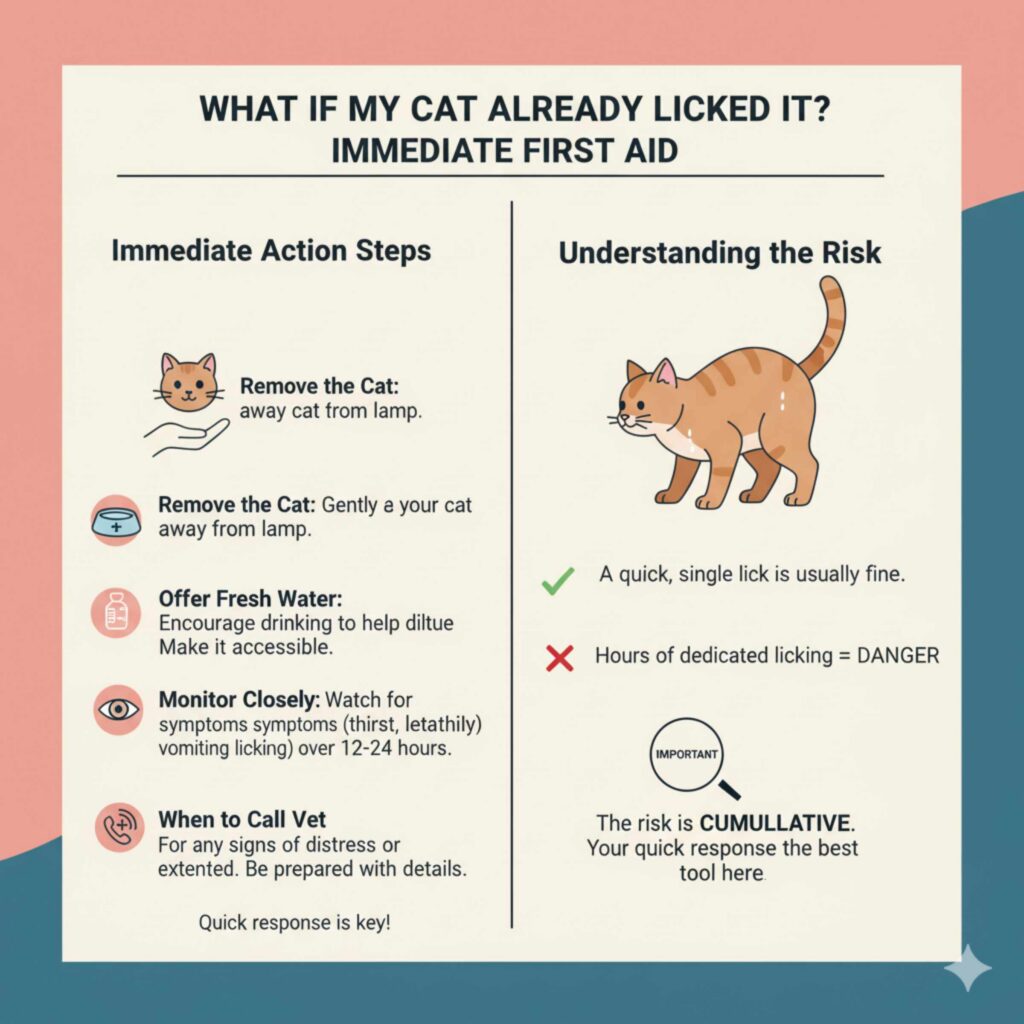
- Remove the Cat: Gently move your cat away from the lamp.
- Offer Fresh Water: Encourage your cat to drink fresh, clean water. This helps dilute the sodium already in their system. Don’t force it, but make the water easily accessible.
- Monitor Closely: Watch for the symptoms listed earlier (thirst, lethargy, vomiting) over the next 12 to 24 hours.
- When to Call the Vet: If the cat shows any signs of distress, or if you know they licked a large area of the lamp for an extended time, call your vet right away. Be prepared to tell them exactly what happened and the size of the lamp.
Remember, the risk is cumulative. A quick, single lick is usually fine. Hours of dedicated licking is the problem. Your quick response is the best tool here.
Frequently Asked Questions (FAQ) About Salt Lamps and Cats
Q1: Are salt lamps safe if my cat chews on the wooden base?
The wooden base itself is generally not toxic, but consuming wood chips can cause digestive upset or obstruction. More importantly, chewing the base can expose the electrical cord, creating a serious electrocution or fire hazard, which is a bigger immediate danger than the wood itself.
Q2: Do I need to unplug the lamp when I leave the house?
For general safety and to keep the lamp dry, it’s best practice to unplug lamps when you are away for long periods, especially if you are not running a dehumidifier. If you leave it on, ensure the cord is fully secured and inaccessible to your cat.
Q3: Is the light bulb inside the salt lamp dangerous if swallowed?
The small incandescent bulbs used are usually not highly toxic, but glass shards are dangerous if swallowed, causing cuts in the digestive tract. Keep the lamp intact and ensure the bulb is securely seated in its socket to prevent this.
Conclusion: Enjoy Your Salt Lamp—Safely and Responsibly
So, are salt lamps toxic to cats? Not by themselves—but they can become dangerous if a cat repeatedly licks the salt and ingests too much sodium. The real risk isn’t the glow or the bulb; it’s salt poisoning (hypernatremia) caused by ongoing exposure.
The good news is that you don’t have to choose between your cat and your decor. With smart placement, moisture control, and simple physical barriers, Himalayan salt lamps can be safely enjoyed in a cat-friendly home. Think of it the same way you’d think about childproofing or securing tools: prevention and planning make all the difference.So, are salt lamps toxic to cats? Not by themselves—but they can become dangerous if a cat repeatedly licks the salt and ingests too much sodium. The real risk isn’t the glow or the bulb; it’s salt poisoning (hypernatremia) caused by ongoing exposure.
The good news is that you don’t have to choose between your cat and your decor. With smart placement, moisture control, and simple physical barriers, Himalayan salt lamps can be safely enjoyed in a cat-friendly home. Think of it the same way you’d think about childproofing or securing tools: prevention and planning make all the difference!