Best Farmhouse Pendant Lights: Essential Guide
Quick Summary:
Discover the best farmhouse pendant lights to add charm and functionality to your home. This guide simplifies choosing the perfect style, material, and placement for a warm, inviting glow. Get ready to transform your space with these timeless lighting fixtures.
Hey there, DIYers! Ever feel like your kitchen or dining room lighting is just… okay? You’ve got this vision of cozy farmhouse charm, but the lights just aren’t hitting the mark. It’s a common feeling, and honestly, finding the right pendant light can feel like searching for a needle in a haystack. But don’t you worry! I’m here to guide you through it, just like we tackle any woodworking project together. We’ll break down exactly what makes a farmhouse pendant light the best and how to pick one that’ll make your heart sing. Ready to brighten up your home with a touch of rustic elegance? Let’s dive in!
Why Farmhouse Pendant Lights Are a Must-Have
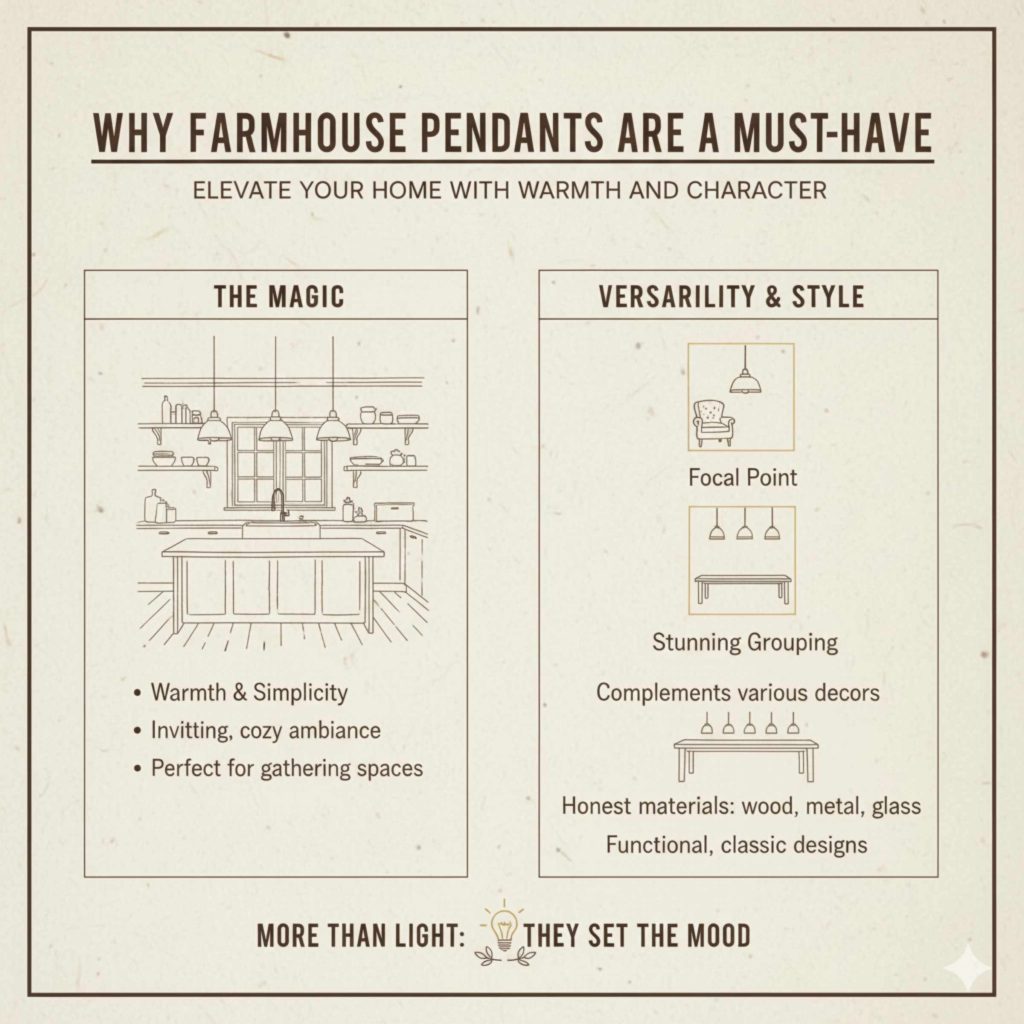
Farmhouse pendant lights have a special kind of magic. They bring together warmth, simplicity, and a touch of rustic character that instantly makes a space feel more welcoming. Think about the heart of a farmhouse – it’s usually the kitchen or dining area, where families gather. These lights are designed to create that same feeling of comfort and gathering, no matter where you put them. They’re not just about shedding light; they’re about setting a mood. Their classic designs can complement a wide range of decor, from traditional country kitchens to more modern interpretations of the farmhouse style.
The beauty of farmhouse pendant lights lies in their versatility. They can be the star of the show over an island, a cozy accent in a reading nook, or a set of three creating a stunning focal point above a dining table. Their appeal is in their honest materials, often wood, metal, or glass, combined with straightforward, functional designs. This guide is all about making sure you feel confident in choosing the perfect ones for your home.
Key Features of the Best Farmhouse Pendant Lights
When you’re on the hunt for the best farmhouse pendant lights, there are a few key things to keep an eye out for. These aren’t just random details; they’re the elements that give a light fixture that authentic farmhouse feel and ensure it fits seamlessly into your home.
- Materials: Look for natural and honest materials. Think distressed wood, wrought iron, brushed nickel, oil-rubbed bronze, matte black, or clear/seeded glass. These materials have a timeless quality that’s central to the farmhouse aesthetic.
- Finish: The finish plays a huge role. Matte finishes, slightly aged patinas, and natural wood grains tend to look more authentic than high-gloss or overly polished surfaces.
- Shape and Silhouette: Farmhouse pendants often have simple, classic shapes. Think bell-shaped shades, inverted bowls, lantern styles, or simple globes. Avoid overly ornate or complicated designs.
- Scale and Proportion: The size of the pendant needs to be right for the space. A massive pendant over a tiny table can feel overwhelming, while a tiny one over a large island will get lost.
- Bulb Style: Many farmhouse pendants look best with exposed Edison bulbs or other vintage-style bulbs that complement their rustic charm.
Types of Farmhouse Pendant Lights to Consider
The world of farmhouse pendant lights is wonderfully diverse. While they all share that core rustic charm, they come in various styles that can suit different needs and aesthetics. Understanding these types will help you narrow down your search.
1. The Classic Bell Pendant
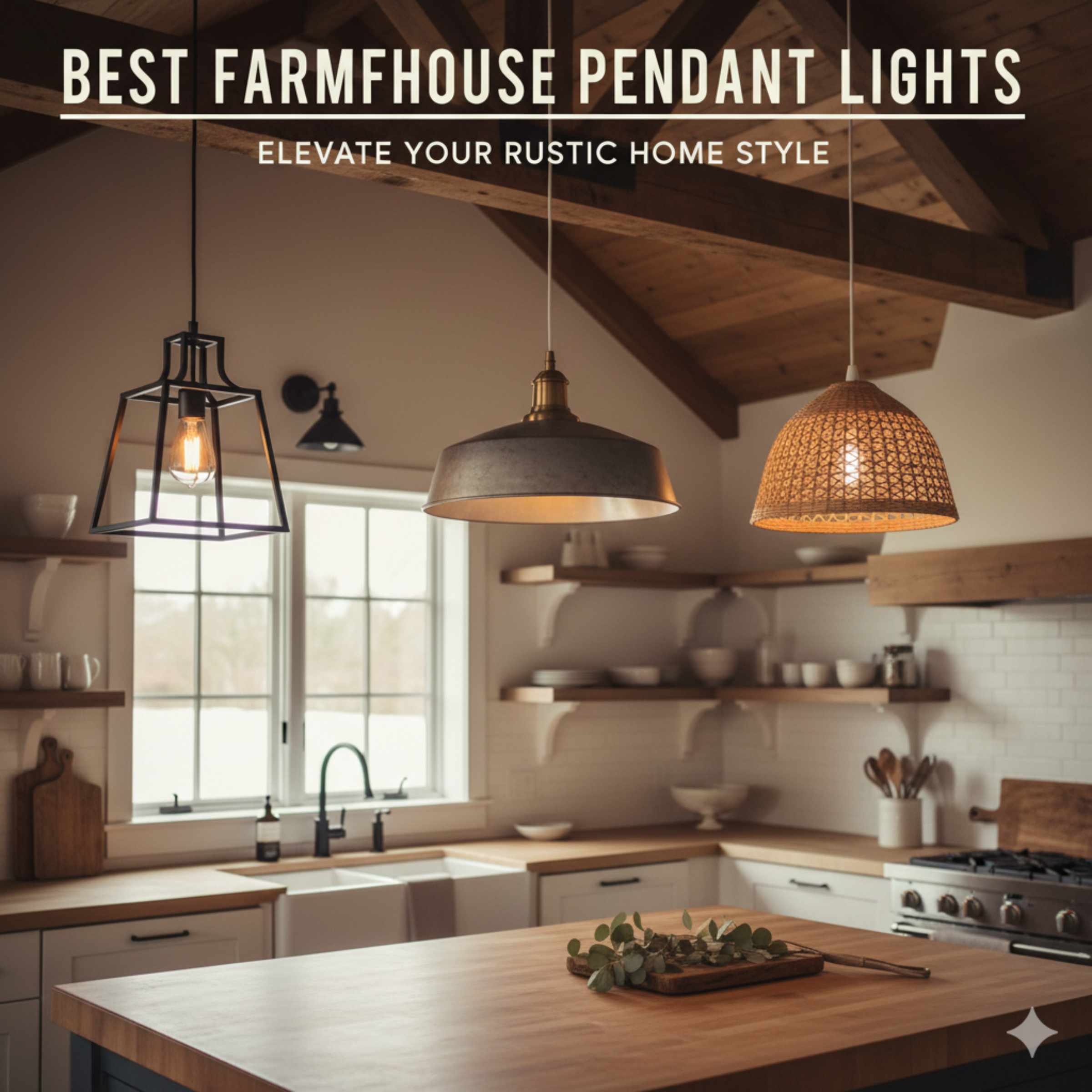
This is probably what most people picture when they think of a farmhouse pendant. It typically features a bell-shaped shade, often made of metal or glass. They’re great for providing focused light downwards, making them ideal for task lighting over kitchen islands or dining tables.
2. The Lantern Pendant
Lantern-style pendants bring a touch of vintage charm. They often have a metal frame, sometimes with glass panels, and can resemble old-fashioned lanterns. These add a decorative element and a warm, diffused light. They work well in entryways, kitchens, or even over a bedside table.
3. The Mason Jar Pendant
A popular choice for a distinctly rustic look, Mason jar pendants use actual Mason jars (or jars designed to look like them) as the shade. They offer a quirky, DIY-friendly aesthetic and are perfect for kitchens or breakfast nooks. The seeded glass versions add extra texture and charm.
4. The Gooseneck or Barn Light Pendant
Inspired by old barn lights, these often feature a simple metal shade with a curved arm. They provide a strong, directional light and a very utilitarian, farmhouse feel. They’re excellent for task lighting and look great in kitchens or workshops.
5. The Globe Pendant
Simple and elegant, globe pendants feature a spherical shade. In a farmhouse context, these are usually made of clear or seeded glass, sometimes with a simple metal accent. They offer a softer, more diffused light and can work in almost any area.
6. The Wood Accent Pendant
These pendants incorporate natural wood elements, either as the main shade material or as decorative accents. This could be a wooden dome, a wooden base, or even a piece of reclaimed wood integrated into the design. They add a natural, earthy warmth.
Choosing the Right Material for Your Farmhouse Pendant
The material of your farmhouse pendant light is more than just an aesthetic choice; it affects the light’s durability, how it diffuses light, and its overall feel. Here’s a breakdown of common materials and what makes them great:
Metal (Iron, Steel, Bronze, Nickel)
Pros: Highly durable, easy to clean, available in many finishes (matte black, brushed nickel, oil-rubbed bronze are popular for farmhouse styles). Can provide focused or diffused light depending on the shade design.
Cons: Can be heavy, might feel a bit industrial if not styled correctly.
Best for: Kitchen islands, dining rooms, entryways where a statement is desired. Look for finishes that aren’t too shiny to maintain the rustic feel.
Wood
Pros: Adds natural warmth and texture, complements other wood elements in the room, can be very lightweight.
Cons: Can be more susceptible to moisture or heat damage if not properly sealed, might require more careful cleaning.
Best for: Kitchens, dining rooms, living areas. Often used as accents or in combination with metal or glass. Great for a softer, more organic farmhouse look.
Glass (Clear, Seeded, Frosted)
Pros: Allows light to pass through, creating a bright and airy feel. Seeded glass adds beautiful texture and hides dust well. Clear glass is versatile. Frosted glass offers diffused, softer light.
Cons: Can be fragile, requires more frequent cleaning to look its best (especially clear glass).
Best for: Anywhere you want to maximize light. Seeded glass is particularly popular for farmhouse styles over islands and dining tables. Clear glass is great for showcasing decorative bulbs.
Unique Materials (e.g., Rattan, Ceramic)
Pros: Offers a unique texture and character, can add a bohemian or artisanal touch to the farmhouse style.
Cons: Durability and cleaning can vary greatly, might be less common and harder to find.
Best for: Specific accent areas, or for those looking to blend farmhouse with other styles.
Factors to Consider When Buying
Picking out the perfect light fixture involves a bit more than just liking the way it looks. Thinking through these practical aspects will ensure you make a choice you’ll be happy with for years to come.
1. Size and Scale
This is crucial! Measure your space. For an island, pendants should generally be spaced about 24-36 inches apart, and the bottom of the pendant should hang about 30-36 inches above the countertop. For a dining table, the bottom of the pendant should be about 30-36 inches above the tabletop. Consider the overall room size – a large room can handle a larger or multiple pendants, while a smaller space might need something more delicate.
2. Placement and Purpose
Where will the light go? Over a kitchen island, it’s task lighting. Over a dining table, it’s ambient and decorative. In a hallway, it’s for general illumination. The purpose will dictate the type of light (focused vs. diffused) and the number of fixtures you need. For example, over a kitchen island, you might want two or three smaller pendants for balanced lighting.
3. Ceiling Height
A low ceiling might require a flush mount or a shorter pendant. A high ceiling can accommodate longer chains or larger, more dramatic fixtures. Always check the adjustable cord or chain length provided with the fixture.
4. Bulb Type and Brightness
Farmhouse lights often look best with Edison bulbs for that vintage vibe. However, consider the brightness (lumens) needed for the space. You might want a dimmer switch installed for flexibility. For kitchens, you’ll likely want more lumens than for a cozy reading nook.
5. Installation Complexity
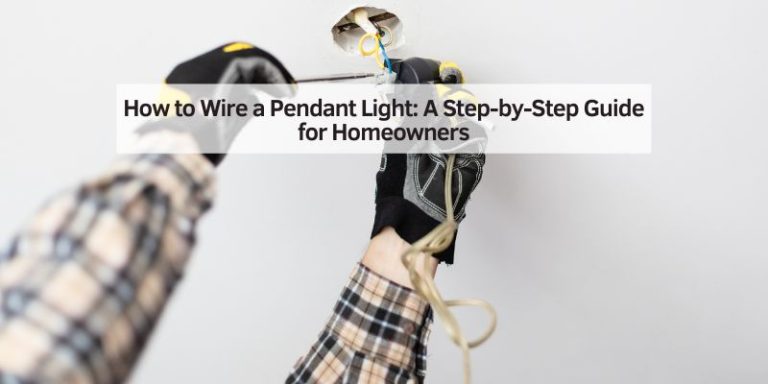
Are you a seasoned DIYer, or is this your first electrical project? Some fixtures are straightforward to install, while others might require more steps or even professional help. If you’re new to wiring, start with simpler designs or consider hiring an electrician. The This Old House wiring guide can be a helpful resource for understanding basic electrical safety and concepts.
6. Budget
Farmhouse pendant lights range from very affordable to quite pricey. Set a budget before you start shopping. Remember to factor in the cost of bulbs and potentially a dimmer switch or electrician if needed.
How to Choose the Best Farmhouse Pendant Lights for Key Areas
Let’s get specific! Different areas of your home call for different types of farmhouse pendant lights. Here’s how to pick the right ones for common spots:
Kitchen Island
Kitchen islands are often the hub of the home, so lighting here needs to be functional and inviting.
- Best Types: Bell pendants, lantern pendants, or a series of smaller globe pendants work well. Multiple fixtures spaced evenly provide excellent task lighting.
- Materials: Metal (especially matte black or oil-rubbed bronze) and seeded glass are popular. Wood accents can add warmth.
- Consider: Aim for pendants that provide good downward light for prep work. Ensure they are hung at an appropriate height so they don’t obstruct views but are still impactful.
Dining Room Table
The dining room pendant sets the mood for meals and gatherings.
- Best Types: A single, larger statement pendant or a cluster of three smaller pendants can work. Lanterns, wood-accented pendants, or simple metal domes are great choices.
- Materials: Wood, metal, or glass are all suitable. A fixture with a dimmer is highly recommended to adjust the ambiance.
- Consider: The pendant should be centered over the table. Its size should be proportionate to the table – not so large it overwhelms the space, and not so small it looks lost.
Living Room or Entryway
In these areas, pendants can add character and a welcoming glow.
- Best Types: Lantern pendants, unique wood-framed fixtures, or even a single, elegant globe pendant can add charm.
- Materials: Mixed materials (wood and metal) or glass can create visual interest.
- Consider: These are often more about ambiance than task lighting. A softer, diffused light is usually preferred. Ensure the height is safe for traffic flow.
DIY-Friendly Farmhouse Pendant Lighting Ideas
If you’re feeling adventurous and want to add a personal touch, there are some fantastic DIY options. These can be more budget-friendly and give you a truly unique piece. Remember, always turn off the power at the breaker box before working with any electrical wiring. For more detailed guidance on electrical safety, the Consumer Product Safety Commission (CPSC) offers valuable safety information.
1. The Mason Jar Makeover
What you’ll need: Mason jars (any size), pendant light kits (often found online or at hardware stores), vintage-style bulbs, and possibly some decorative wire or twine.
How-to: Simply attach the pendant light kit’s socket to the inside of the Mason jar lid. Insert your bulb and hang. You can use multiple jars for a row over an island. The seeded glass jars add a lovely texture.
2. The Repurposed Wood Beam Pendant
What you’ll need: A small piece of reclaimed wood, pendant light cords, light bulbs, and mounting hardware.
How-to: Drill holes through the wood beam for the pendant cords to pass through. You can suspend the beam from the ceiling with chains or cables, or mount it directly. Let the cords hang down, attaching your bulbs. This creates a rustic, industrial-inspired look.
3. The Wire Basket Pendant
What you’ll need: A decorative wire basket, a pendant light kit, and a suitable bulb.
How-to: Place the pendant light kit inside the basket, ensuring the socket and bulb are visible. You might need to secure the kit to the basket. This creates a modern farmhouse look with an airy feel.
Always prioritize safety. If you’re uncomfortable with any part of the electrical installation, it’s best to consult a qualified electrician. They can ensure everything is wired correctly and safely.
Table: Popular Farmhouse Pendant Light Styles & Their Best Uses
| Style | Description | Best For | Typical Materials | Light Quality |
|---|---|---|---|---|
| Bell Pendant | Classic, downward-facing shade. | Kitchen islands, dining tables (task lighting). | Metal, Glass | Focused, directional. |
| Lantern Pendant | Frame with glass panels, reminiscent of old lanterns. | Entryways, kitchens, hallways, dining areas (ambiance). | Metal, Glass | Diffused, warm. |
| Mason Jar Pendant | Uses Mason jars as shades. | Kitchens, breakfast nooks, bars (quirky, rustic). | Glass, Metal (lid) | Soft, ambient. |
| Barn Light Pendant | Simple metal shade with a curved arm. | Kitchens, workshops, utilitarian spaces (task lighting). | Metal | Strong, directional. |
| Globe Pendant | Spherical shade. | Versatile: kitchens, hallways, living areas (ambient). | Glass (clear, seeded, frosted) | Soft, diffused. |
| Wood Accent Pendant | Incorporates natural wood elements. | Anywhere seeking natural warmth: dining rooms, kitchens. | Wood, Metal, Glass | Varies, often warm and ambient. |
Maintenance and Care for Your Farmhouse Lights
Keeping your beautiful farmhouse pendant lights looking their best is simple with a little regular care. Like any woodworking project, a bit of maintenance goes a long way in preserving their beauty and function.
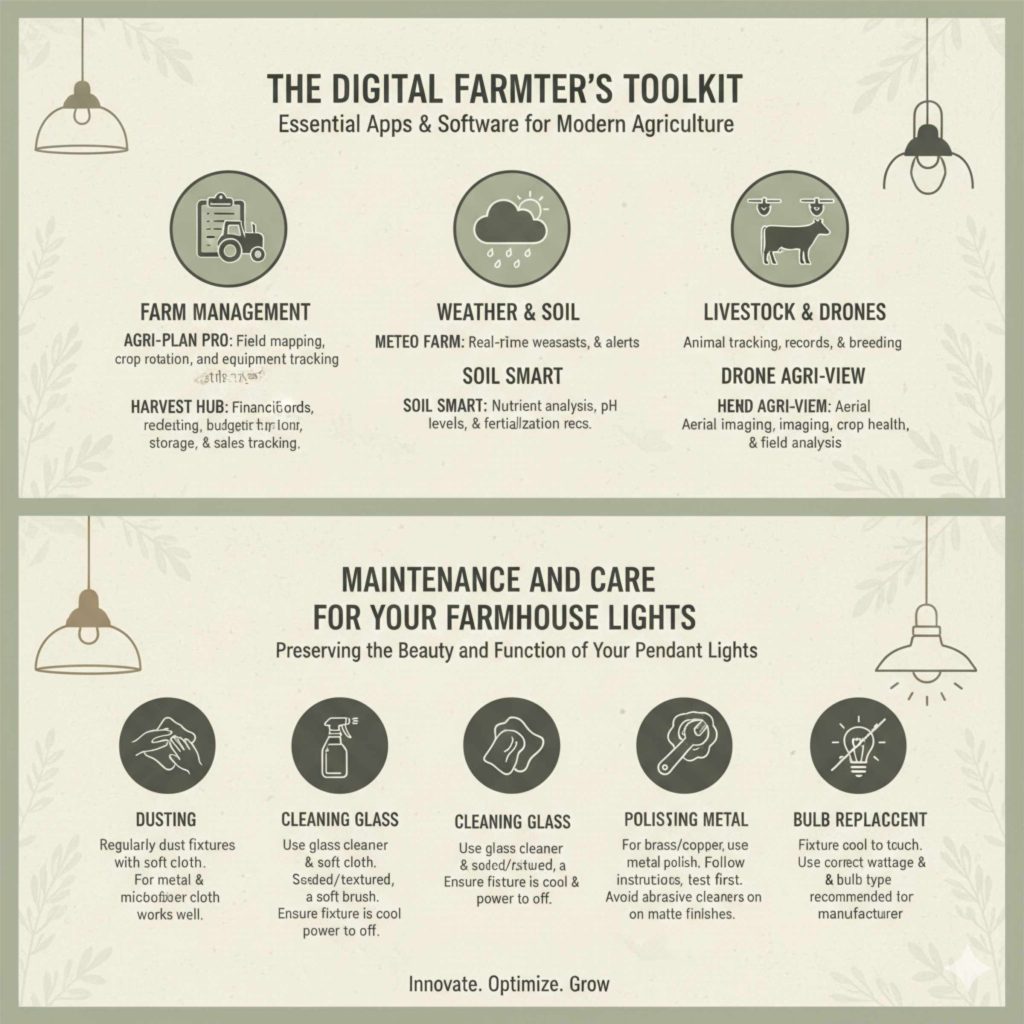
- Dusting: Regularly dust fixtures with a soft, dry cloth. For metal and wood, a microfiber cloth works well.
- Cleaning Glass: For glass shades, use a glass cleaner and a soft cloth. For seeded or textured glass, you might need a soft brush to get into the nooks and crannies. Always ensure the fixture is cool and the power is off.
- Polishing Metal: If your metal fixtures have a patina or are made of materials like brass or copper, you might want to use a metal polish. Follow the product instructions carefully and test in an inconspicuous area first. For brushed nickel or matte finishes, avoid abrasive cleaners that can scratch the surface.
- Checking Connections: Periodically (once or twice a year), ensure that the pendant is securely attached to the ceiling and that the chain or cord is in good condition. If you notice any looseness or damage, address it immediately.
- Bulb Replacement: When replacing bulbs, make sure the fixture is cool to the touch. Use the correct wattage and type of bulb as recommended by the manufacturer to avoid overheating or damage.
Frequently Asked Questions (FAQs)
Q1: What is the ideal height to hang a farmhouse pendant light over a kitchen island?
For task lighting over a kitchen island, the bottom of the pendant should typically hang about 30 to 36 inches above the countertop. This provides ample light without being too close or obstructing views. Always ensure there’s enough headroom for people to stand comfortably.
Q2: Can I use Edison bulbs in all farmhouse pendant lights?
Edison bulbs are a popular choice for their vintage look and pair beautifully with many farmhouse styles. However, always check the fixture’s specifications for the maximum wattage and bulb type it can accommodate. Some fixtures might be better suited for brighter, more functional LED bulbs, especially in task-oriented areas.
Q3: How many pendant lights should I hang over my kitchen island?
The number depends on the size of your island and the pendants. For most standard islands (around 6-8 feet), two or three pendants spaced evenly work well. If you have a very large island, you might consider three or even four smaller pendants. The key is balance and ensuring adequate light coverage.
Q4: What finishes are most common for farmhouse pendant lights?
Popular finishes include matte black, oil-rubbed bronze, brushed nickel, and natural wood tones. Finishes that are not overly shiny or polished tend to fit the rustic, approachable farmhouse aesthetic best.
Q5: Are farmhouse pendant lights only for kitchens?
Absolutely not! While they are very popular in kitchens, farmhouse pendant lights can add charm and character to dining rooms, entryways, hallways, living rooms, and even bedrooms. Their versatility makes them a great choice for many areas of the home.
Q6: What’s the difference between seeded glass and clear glass for farmhouse pendants?
Clear glass offers an unobstructed view of the bulb and allows light to shine through brightly. Seeded glass has small bubbles and imperfections within the glass, giving it a textured, vintage look. Seeded glass also diffuses light slightly more and is excellent at hiding dust and water spots, making it a very practical and popular choice for farmhouse styles.
Conclusion
So there you have it! Choosing the best farmhouse pendant lights for your home doesn’t have to be overwhelming. By understanding the different styles, materials, and key considerations like size and placement, you can confidently select fixtures that will not only illuminate your space but also add that warm, inviting, and timeless charm we all love about the farmhouse aesthetic. Whether you’re going for a classic bell, a cozy lantern, or even a fun DIY Mason jar creation, these lights are sure to become a beloved feature in your home. Keep these tips in mind, trust your style, and get ready to enjoy the beautiful glow of your newly lit space!