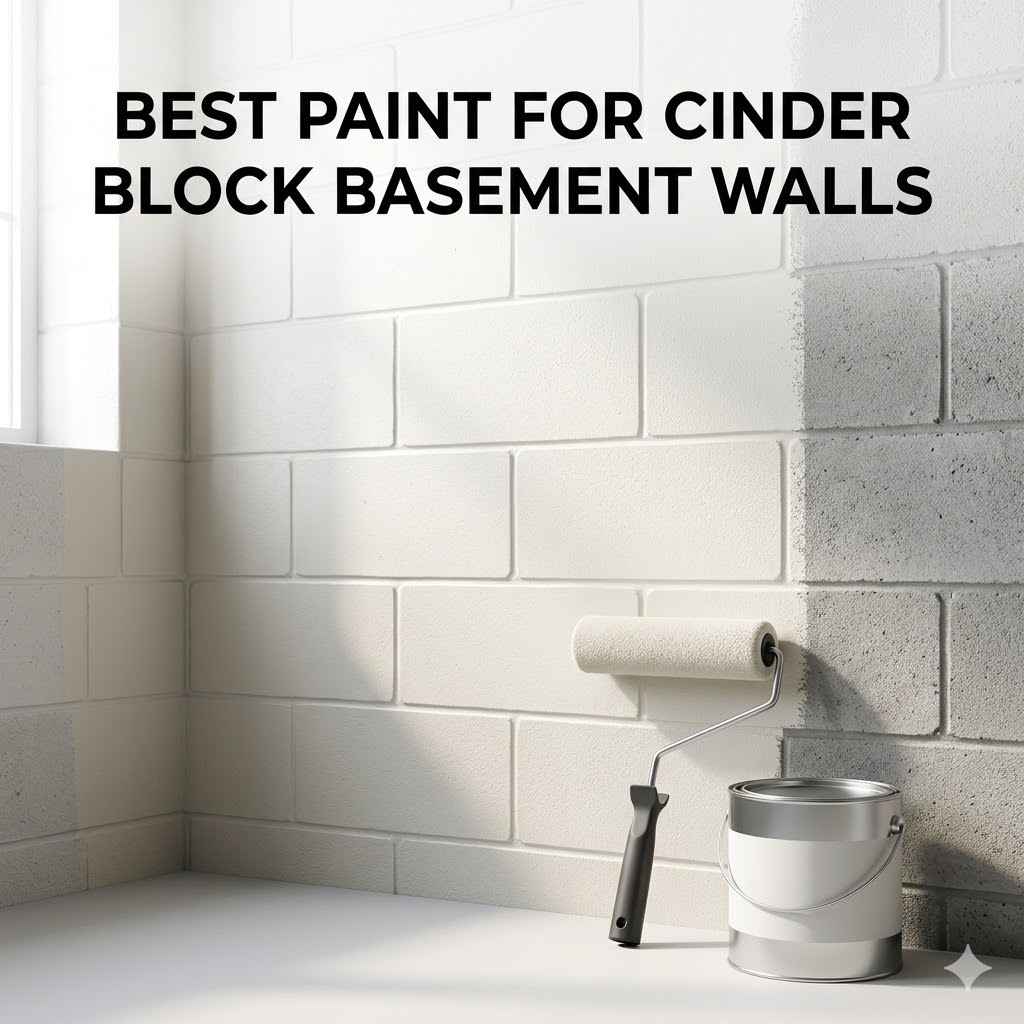
Best Paint for Cinder Block Basement Walls
Picking the right paint for your cinder block basement walls can feel tricky, especially if you’re new to DIY projects. You want something that looks good and lasts, but also protects your walls from dampness. It’s easy to get lost in all the options.
But don’t worry, we’ll walk you through it step-by-step to make sure your basement looks great and stays that way. Get ready to learn about the Best Paint for Cinder Block Basement Walls and transform your space.
Choosing the Best Paint for Cinder Block Basement Walls
Selecting the appropriate paint for cinder block basement walls is a key step in finishing your basement. This surface presents unique challenges, mainly its porous nature and potential for moisture. Using the wrong paint can lead to peeling, flaking, or even mold growth. The goal is to find a paint that not only beautifies the space but also provides a protective barrier against humidity and common basement conditions. This section will guide you through the essential factors to consider to ensure a durable and attractive finish for your basement.
Understanding Cinder Block Properties
Cinder blocks are made from concrete and ash, making them very porous. This means they can easily absorb moisture from the air or ground. If your basement is prone to dampness, this is a big deal. Unsealed, porous surfaces can allow water vapor to pass through, which can cause paint to bubble or peel. It can also lead to unhealthy mold and mildew growth. Understanding this porosity is the first step to picking the right kind of paint.
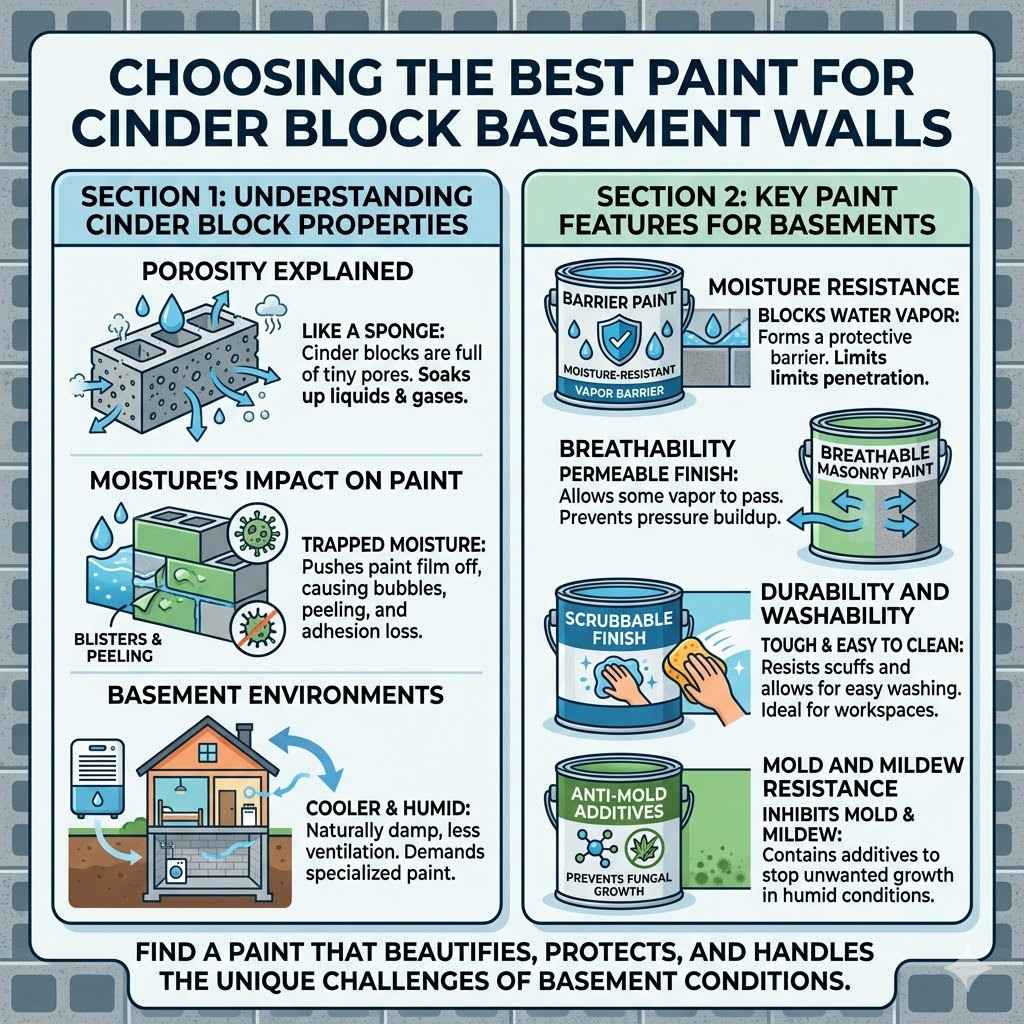
Porosity Explained: Porosity refers to how many tiny holes or pores are in a material. Cinder blocks have a lot of these, like a sponge. This is why they can soak up liquids and gasses. Think of it like a fine sieve. When moisture comes into contact with the block, it can get trapped inside.
Moisture’s Impact on Paint: When paint is applied directly to a damp or porous surface without proper preparation, the moisture trapped behind the paint film has nowhere to go. As this moisture tries to escape, it pushes against the paint, causing it to lose its adhesion. This results in blisters, peeling, and eventually a compromised paint job.
Basement Environments: Basements are naturally cooler and can be more humid than other parts of a house. This is due to being underground and often having less ventilation. Even with dehumidifiers, a certain level of ambient moisture is common. This environment demands paints that can breathe or are specifically designed to handle these conditions.
Key Paint Features for Basements
When you’re looking for the Best Paint for Cinder Block Basement Walls, some features are more important than others. You’ll want paint that can handle moisture and is durable enough for a basement. These characteristics will help your paint job last much longer and keep your basement looking its best.
Moisture Resistance: This is crucial for basements. Paint needs to form a barrier that prevents water vapor from entering or escaping the block. Some paints are formulated to be more water-resistant than others. Look for terms like “moisture-resistant” or “vapor barrier” on the can.
Breathability: While resistance is important, some breathability can be good. This means the paint allows a small amount of moisture vapor to pass through, preventing it from getting trapped and causing issues. This is especially true for masonry surfaces.
Durability and Washability: Basements can sometimes be used for storage or as a workspace. This means the walls might get bumped or dirty. A durable, scrubbable finish is ideal so you can easily clean the walls without damaging the paint.
Mold and Mildew Resistance: Basements can be prone to mold and mildew due to humidity. Many paints today include additives that help prevent the growth of these undesirable organisms. This is a valuable feature for any basement paint.
Types of Paint Suitable for Cinder Block Walls
Not all paints are created equal, especially when it comes to porous surfaces like cinder block. The best choices offer a blend of durability, moisture management, and ease of application. We will explore the top contenders that professionals and DIYers often turn to for transforming basement walls.
Latex Paints for Masonry
Latex paints, particularly those specifically formulated for masonry or concrete, are a popular choice. They are water-based, which makes cleanup easier, and many offer good breathability. This allows some moisture vapor to escape the block, preventing the paint from peeling.
What is Latex Paint: Latex paint is a water-based paint that uses a binder made from synthetic polymers. It’s known for being easy to clean up with soap and water. It generally dries faster than oil-based paints.
Masonry Formulations: Paints labeled for masonry or concrete have special ingredients. These ingredients help them adhere better to rough surfaces and stand up to the alkaline nature of concrete. They are designed to handle the unique challenges of these materials.
Breathable Latex Options: Some latex paints are engineered to be more breathable than standard wall paints. These are excellent for basements because they allow moisture vapor to pass through the paint film. This prevents moisture from getting trapped behind the paint and causing it to fail.
Elastomeric Coatings
Elastomeric coatings are a premium option, offering superior waterproofing capabilities. They are thicker than traditional paints and can bridge small cracks, creating a seamless barrier. While they are more expensive, they provide excellent protection against water intrusion.
The Nature of Elastomerics: Elastomeric coatings are flexible, rubber-like membranes once they dry. They are made from acrylic polymers. This flexibility allows them to expand and contract with temperature changes without cracking.
Waterproofing Power: Their primary benefit is exceptional waterproofing. They are often used on exterior foundations to keep water out. When used indoors, they create a very robust barrier against moisture, which is ideal for damp basement walls.
Application Considerations: Because they are thicker, elastomeric coatings may require specific application tools, like a roller with a longer nap or even a sprayer. They can also take longer to dry. Always follow the manufacturer’s instructions closely.
Epoxy Paints
Epoxy paints are known for their extreme durability and resistance to chemicals and abrasion. They consist of two parts that are mixed before application, creating a very hard, protective finish. They are often used for garage floors but can be a good option for basement walls if maximum toughness is desired.
Two-Part System: Epoxy paint is a two-part product, typically a resin and a hardener. You mix these together right before you start painting. Once mixed, there’s a limited pot life, meaning you have to use it within a certain time.
Hardness and Durability: The chemical reaction that occurs when you mix the parts creates an incredibly hard and durable surface. This makes epoxy resistant to stains, scuffs, and heavy wear. It’s a tough coating that can last for many years.
When to Use Epoxy: While great for durability, epoxy is less breathable than other options. It’s best suited for basements that are very dry or where you anticipate high traffic and potential for impacts. They are not ideal for walls with existing moisture issues as they can trap moisture.
Preparing Cinder Block Walls for Painting
Proper preparation is the foundation of any successful paint job, especially for cinder block. Skipping this step is the most common reason for paint failure. We’ll cover the essential steps to ensure your walls are ready to receive paint, leading to a smooth, lasting finish.
Cleaning the Walls
Before you apply any paint, the walls must be clean. Dust, dirt, cobwebs, and any old paint or efflorescence (white powdery deposits) need to be removed. A clean surface allows the new paint to adhere properly.
Removing Dust and Debris: Use a stiff brush or a broom to sweep away loose dirt and dust. For tougher grime, you might need to use a mild detergent solution and a scrub brush. Rinse thoroughly with clean water afterward.
Dealing with Efflorescence: Efflorescence is that powdery white stuff you sometimes see on concrete and masonry. It’s caused by salts in the material reacting with water and migrating to the surface. You can often remove it with a stiff brush. For stubborn deposits, a dilute muriatic acid solution might be needed, but this requires extreme caution and proper safety gear. Always test in an inconspicuous area first.
Washing and Rinsing: After brushing, wash the walls down with a bucket of water and a sponge or cloth. Make sure to rinse all soap residue off. Allowing the walls to dry completely is essential before moving to the next step.
Repairing Cracks and Holes
Cinder blocks can develop cracks or holes over time. These imperfections need to be filled and smoothed before painting. This not only improves the appearance but also strengthens the wall.
Using Masonry Filler: For small cracks and holes, use a masonry patching compound or cementitious filler. These products are designed to bond well with concrete and blocks. Apply the filler with a putty knife, pressing it firmly into the damaged areas.
Smoothing the Surface: Once the filler has dried, you’ll need to sand it smooth to match the surrounding block. Use sandpaper or a sanding block. Be careful not to create obvious patches that will show through the paint.
Larger Repairs: For larger holes or damaged sections, you might need to use hydraulic cement or even replace damaged blocks. If you’re unsure about larger repairs, it might be best to consult a professional.
Priming the Surface
Priming is a non-negotiable step for cinder block walls. A good primer seals the porous surface, blocks stains, and creates a uniform base for your topcoat, ensuring better adhesion and color consistency.
Why Prime: Primer acts as a sealer for the porous cinder block. It prevents the block from absorbing too much of the topcoat paint, which saves you paint and ensures an even color. It also helps cover any lingering stains or discoloration.
Choosing the Right Primer: Look for a high-quality masonry primer. These are specifically designed to stick to concrete and blocks and to seal them effectively. Some masonry primers also offer stain blocking properties and help prevent efflorescence.
Application Tips: Apply the primer evenly with a roller or brush. Make sure to get into all the nooks and crannies of the cinder block. Allow the primer to dry completely according to the manufacturer’s instructions before applying your chosen paint.
Applying the Paint for the Best Results
Once your walls are prepped and primed, it’s time for the actual painting. This is where your chosen paint transforms the space. Following the right application techniques will ensure a beautiful and long-lasting finish.
Selecting the Right Tools
The tools you use can make a big difference in how smoothly the paint goes on and how professional your finish looks. For cinder block, you’ll need something that can handle the texture.
Rollers: For cinder block, a roller with a thick nap (usually 1/2 inch to 3/4 inch) is best. This allows the roller to get into the texture of the blocks and apply paint evenly. A dense foam roller can also work well.
Brushes: A good quality angled brush is essential for cutting in around edges, corners, and any intricate areas where a roller can’t reach.
Paint Sprayers: If you have a very large area or want a very smooth finish, a paint sprayer can be an option. However, this requires practice and careful masking of surrounding areas. You also need to ensure the paint is thinned correctly for spraying.
Painting Techniques
Applying paint correctly is just as important as choosing the right paint and preparing the surface. Using the right methods will lead to a better-looking and more durable result.
Work in Sections: Don’t try to paint the entire wall at once. Work in manageable sections, typically about 3-4 feet wide. This ensures you can maintain a wet edge and avoid lap marks.
Apply Even Coats: Apply paint in smooth, even strokes. For rollers, use a consistent amount of pressure and overlap each stroke by about 25%. For brushes, use long, even strokes.
Two Coats Are Usually Best: Most projects will require at least two coats of paint for full coverage and durability. Allow the first coat to dry completely according to the manufacturer’s instructions before applying the second coat. This ensures a stronger bond and a more vibrant color.
Ventilation and Drying Times
Proper ventilation is key for safety and for the paint to dry correctly. Rushing the drying process can lead to problems.
Importance of Ventilation: Always ensure good ventilation when painting. Open windows and doors, or use fans to circulate air. This helps dissipate paint fumes and allows the paint to dry and cure properly. It’s also safer for your health.
Understanding Drying vs. Curing: Paint “dries” when it’s no longer wet to the touch. However, it takes much longer to “cure,” meaning it reaches its full hardness and durability. Curing can take anywhere from a few days to a few weeks, depending on the paint type and environmental conditions. Avoid heavy cleaning or placing items against the walls until the paint is fully cured.
Environmental Factors: Temperature and humidity can affect drying times. In cooler or more humid conditions, paint will take longer to dry and cure. Warmer, drier conditions speed up the process. Check the paint can for specific recommendations.
Maintaining Your Painted Cinder Block Walls
Once your basement walls are painted, you’ll want them to look good for years to come. A little bit of regular care can go a long way in preserving your hard work.
Regular Cleaning
Keeping your basement walls clean will prevent dirt and grime from building up, which can make the paint look dull over time.
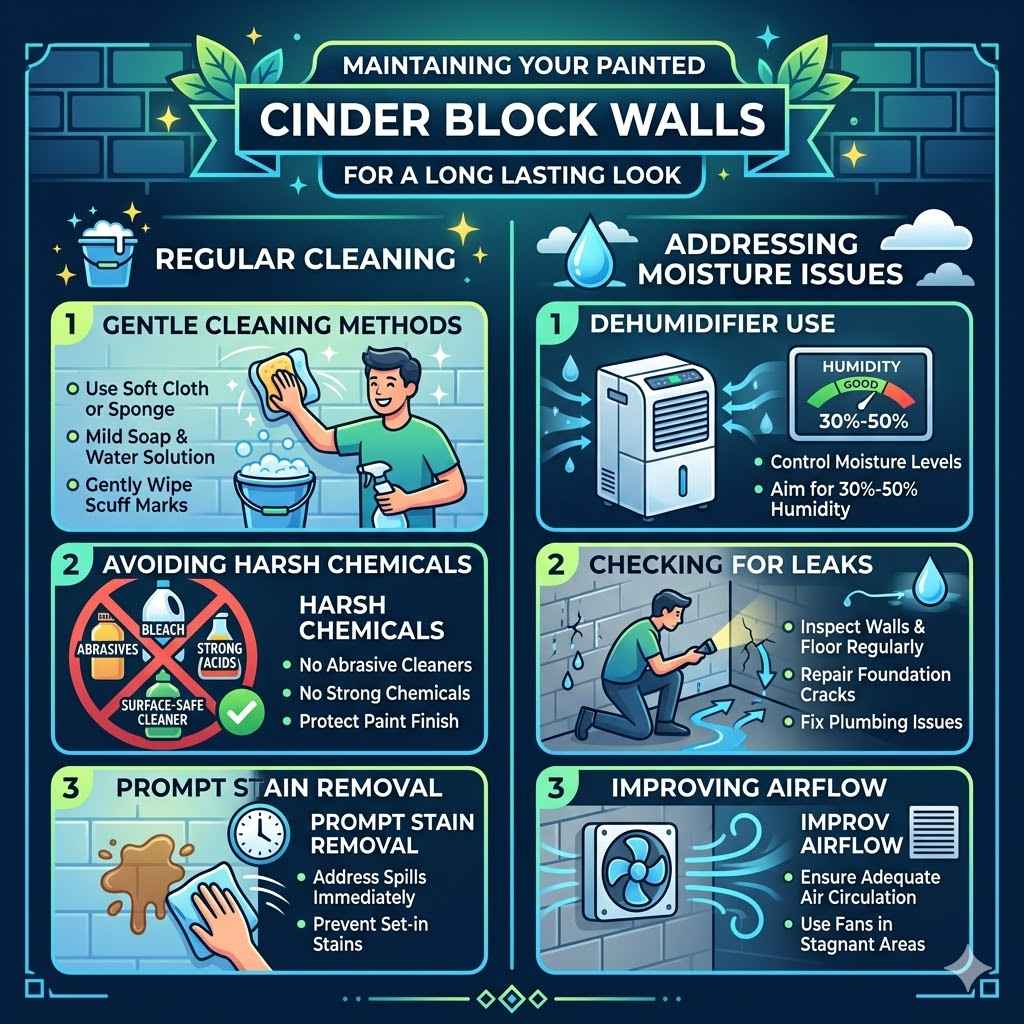
Gentle Cleaning Methods: For everyday cleaning, a soft cloth or sponge with a mild soap and water solution is usually sufficient. Wipe down any scuff marks or smudges gently.
Avoiding Harsh Chemicals: Try to avoid abrasive cleaners or harsh chemicals, as these can damage the paint finish. If you encounter tougher stains, try a targeted approach with a specific cleaner recommended for painted surfaces.
Prompt Stain Removal: Address spills or stains as soon as they happen. The longer a stain sits, the harder it will be to remove.
Addressing Moisture Issues
Even with the best paint, persistent moisture can still cause problems. It’s important to deal with any dampness issues promptly.
Dehumidifier Use: Running a dehumidifier in your basement is one of the best ways to control moisture levels. Aim for a humidity level between 30% and 50%.
Checking for Leaks: Regularly inspect your basement walls and floor for any signs of leaks or water intrusion. Address any plumbing issues or foundation cracks immediately.
Improving Airflow: Ensure there is adequate airflow in the basement. If certain areas feel stagnant, consider using a small fan to help circulate air.
Frequently Asked Questions
Question: What is the best type of paint for a damp basement wall?
Answer: For a damp basement wall, you’ll want a high-quality, moisture-resistant paint. Look for latex masonry paints with mold and mildew inhibitors, or consider an elastomeric coating for superior waterproofing, ensuring proper preparation and priming.
Question: Can I paint directly over cinder block without primer?
Answer: It is not recommended to paint directly over cinder block without primer. Cinder blocks are very porous, and primer seals the surface, prevents excessive paint absorption, blocks stains, and ensures better adhesion for your topcoat.
Question: How do I clean mold off cinder block before painting?
Answer: To clean mold, use a solution of one part bleach to three parts water or a commercial mold cleaner. Apply with a sponge or spray bottle, let it sit for about 10-15 minutes, scrub gently, and rinse thoroughly. Ensure the area is completely dry before painting.
Question: Will regular interior latex paint work on cinder block?
Answer: Regular interior latex paint is generally not ideal for cinder block walls. You should opt for paints specifically formulated for masonry or concrete, as they offer better adhesion, durability, and moisture resistance suitable for this type of porous surface.
Question: How many coats of paint do I need for cinder block walls?
Answer: Typically, two coats of paint are recommended for cinder block walls. The first coat acts as a good base after priming, and the second coat ensures full coverage, consistent color, and enhanced durability.
Wrap Up
Transforming your cinder block basement walls is achievable with the right approach. By selecting moisture-resistant paints, preparing surfaces thoroughly with cleaning and priming, and applying paint with care, you can create a durable and attractive finish. Focus on quality materials and proper technique for a basement that looks great and stands the test of time.