Bruce Hardwood Floor Cleaner Green Vs White Bottle
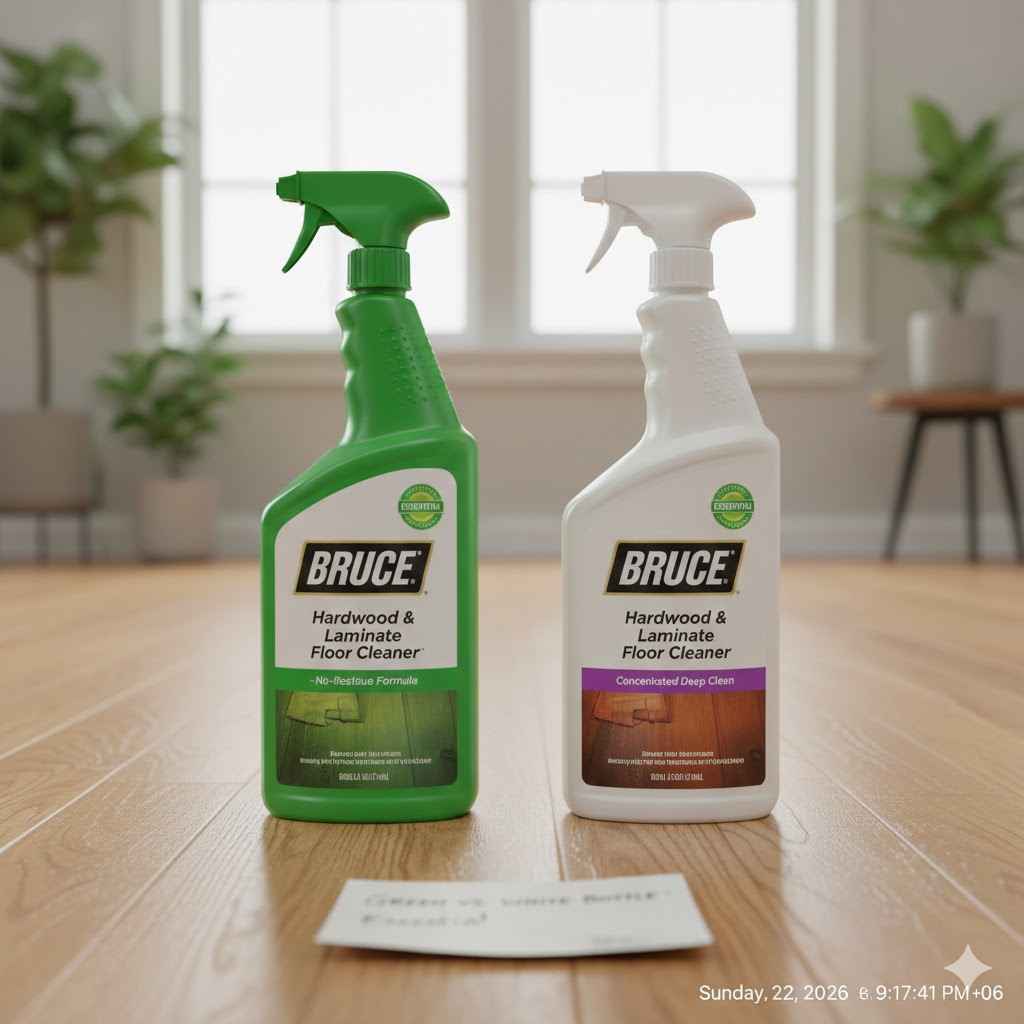
The green bottle Bruce cleaner is for modern, urethane-finished hardwood and laminate floors, which is what most homes have today. The white bottle was designed for older, wax-finished floors. Using the wrong one can leave your floors dull or sticky, so always match the cleaner to your floor’s finish.
Hello there! I’m Md Meraj, and I’ve spent years helping homeowners feel more confident with their DIY projects. Today, we’re tackling a question that pops up all the time: what’s the real story behind the Bruce hardwood floor cleaner green vs white bottle? It can be confusing standing in the store aisle, looking at two similar products from the same brand. You just want clean floors, not a chemistry lesson!
Don’t worry, you’re in the right place. Choosing the right cleaner is actually very simple once you know one little secret about your floors. We’re going to break it down together, step-by-step. By the end of this guide, you’ll know exactly which bottle to grab and how to get that beautiful, streak-free shine you’ve been hoping for. Let’s get those floors looking their best!
Understanding the Core Difference: It’s All About Your Floor’s Finish
Before we even look at the bottles, we need to talk about your floor. The single most important factor in choosing a cleaner is not the type of wood, but the type of finish on that wood. Think of the finish as a protective coat of armor for your beautiful hardwood.
Hardwood floors generally have one of two types of finishes:
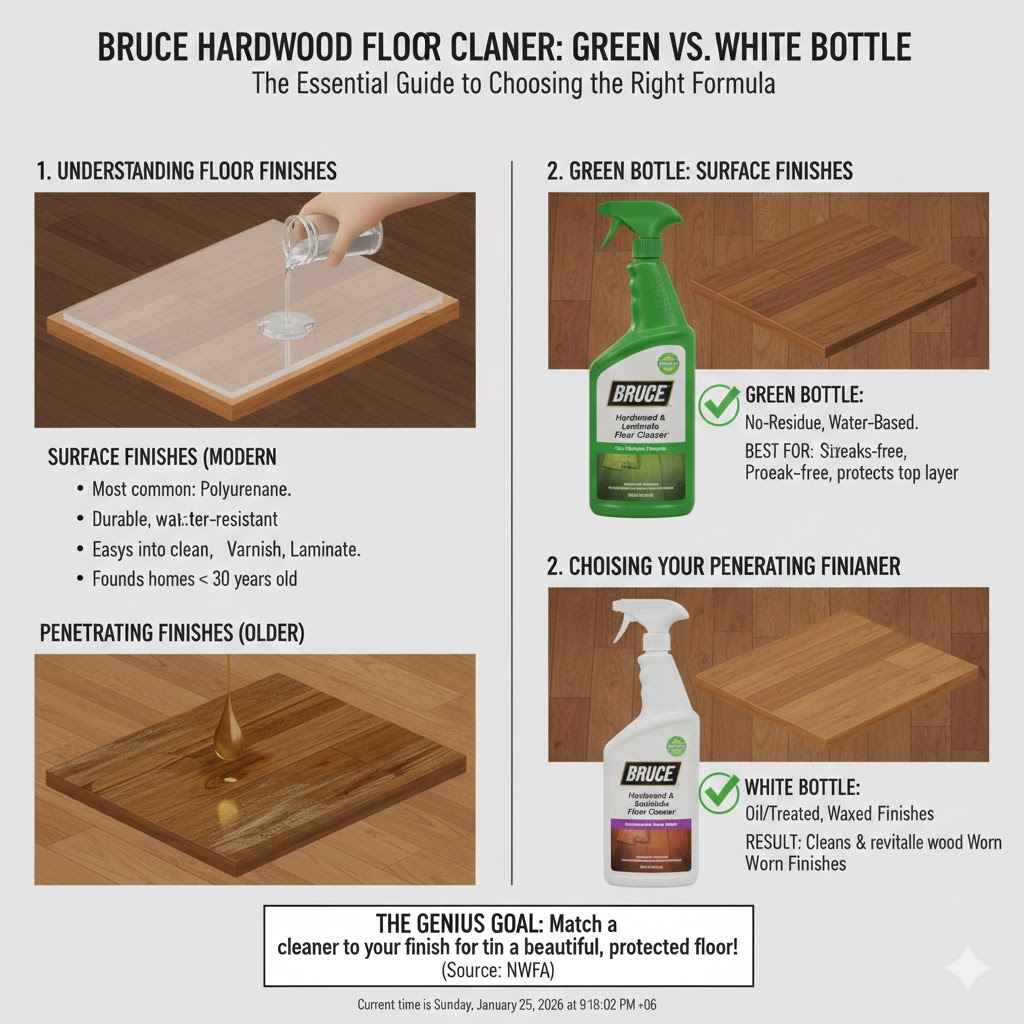
- Surface Finishes (Most Common Today): These are coatings that sit on top of the wood, forming a hard, protective layer. The most common type is polyurethane. These finishes are durable, water-resistant, and relatively easy to clean. If your home was built or your floors were refinished in the last 20-30 years, you almost certainly have a surface finish.
- Penetrating Finishes (Less Common Now): These are oil- or wax-based finishes that soak into the wood itself, hardening within the wood grain. These were popular in older homes. They give a more natural, low-sheen look but require more maintenance, including periodic re-waxing.
The green and white Bruce bottles are formulated for these two very different types of finishes. Using the wrong one can lead to a hazy film, a sticky residue, or even damage to your floor’s protective layer. According to the National Wood Flooring Association (NWFA), using the correct maintenance products is critical for the longevity of your floor.
How to Quickly Check Your Floor’s Finish
Not sure what you have? No problem! Here’s a simple test you can do in an inconspicuous spot, like inside a closet or under a large piece of furniture.
- The Water Drop Test: Place a single drop of water on the floor. If the water beads up and sits on the surface, you have a surface finish (like polyurethane). If the water slowly soaks into the wood, creating a dark spot, you likely have a penetrating oil or wax finish.
- The Feel Test: Run your hand over the floor. A surface finish will feel smooth and slick, like a plastic coating. A penetrating finish might feel softer, more natural, and you might be able to feel the wood grain more directly.
A Closer Look: The Green Bottle (Bruce Hardwood & Laminate Cleaner)
This is the workhorse of the Bruce cleaning line and the right choice for the vast majority of modern homeowners.
Who Should Use the Green Bottle?
You should use the green bottle if you have:
- Hardwood floors with a polyurethane or other urethane-based finish.
- Laminate flooring (which is not real wood but looks like it).
- Luxury Vinyl Tile (LVT) or vinyl flooring.
Essentially, if you have a hard surface floor with a sealed, non-porous top layer, the green bottle is your friend. It’s a water-based formula designed to clean this protective layer without damaging it.
Key Features and Benefits
- No-Rinse Formula: You just spray and wipe. There’s no need to follow up with water, which is great because excess water is an enemy of wood floors.
- Streak-Free Shine: It’s designed to evaporate quickly and cleanly, leaving behind no dulling film or sticky residue when used correctly.
- Ready-to-Use: No mixing or diluting required. Just grab the bottle and you’re ready to go.
- Safe for Modern Finishes: It gently lifts dirt without using harsh chemicals that could strip or etch a urethane finish.
How to Use the Green Bottle Cleaner for a Perfect Finish
Getting a beautiful result is all about the right technique. Follow these simple steps for a floor you can be proud of.
- Prep the Floor: First, sweep or vacuum your floor thoroughly. You want to remove all loose dirt, dust, and pet hair. Cleaning a gritty floor is like washing it with sandpaper! If you vacuum, be sure to use a hard floor head attachment, not a beater bar, which can scratch the finish.
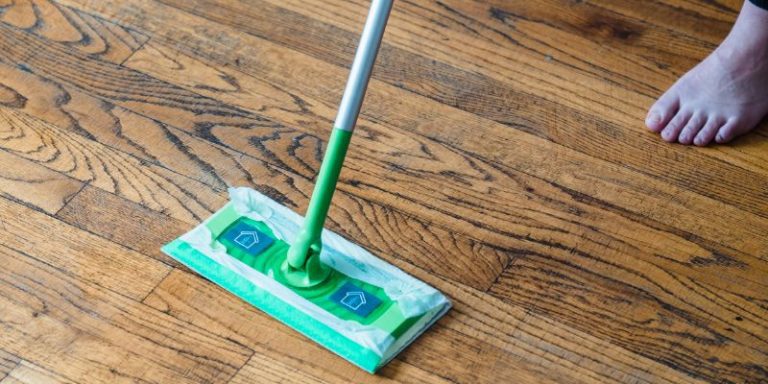
- Get Your Mop Ready: The best tool for the job is a microfiber flat mop. A traditional string mop holds too much water, which can damage your floors over time. A microfiber pad picks up dirt effectively and uses minimal liquid.
- Spray and Wipe in Sections: Work in small, manageable areas (about 4×4 feet). Lightly mist a section of the floor with the green bottle cleaner. Do not soak the floor! A fine mist is all you need.
- Mop with the Grain: Wipe the misted area with your clean, damp microfiber mop, moving in the same direction as the wood grain. This helps prevent streaks.
- Move to the Next Section: Once the section is clean, move on to the next one, repeating the process. There’s no need to rinse. The cleaner will dry on its own in just a few minutes.
The Mystery of the White Bottle (Bruce Hardwood Floor Cleaner)
Now, let’s talk about the white bottle. You might see this bottle online or have an old one under your sink. The truth is, this formula is for a much less common type of floor and has largely been phased out in favor of the more versatile green bottle.
Who Was the White Bottle For?
The white bottle was formulated specifically for floors with a wax or penetrating oil finish. These finishes require a different kind of care. Instead of simply cleaning the surface, products for these floors often contain solvents to dissolve old, dirty wax and conditioning agents to refresh the finish.
Using a cleaner like this on a modern urethane floor is a recipe for disaster. It would create a greasy, slippery, and hazy mess that is incredibly difficult to remove. This is why knowing your finish is so critical!
Why You Don’t See It As Often
As home building and renovation trends have changed, urethane surface finishes have become the industry standard due to their durability and low maintenance. As a result, wax-finished floors are now mostly found in historic homes. Because the demand for wax-based cleaners has dropped, Bruce and other manufacturers have focused their product lines on cleaners for the much more common urethane finishes, like the one in the green bottle.
What to Do If You Have Wax-Finished Floors
If you did the water test and confirmed you have an older, wax-finished floor, you should not use the green bottle cleaner. You will need a specific product designed for waxed wood. These are often labeled as “wax and stripper” or “cleaner for oiled floors.” They require a very different application process, often involving buffing. If you’re unsure, consulting a professional floor refinisher is a great idea to avoid costly mistakes.
Side-by-Side Comparison: Green Bottle vs. White Bottle
Let’s make it crystal clear. Here’s a simple table to show you the key differences at a glance.
| Feature | Green Bottle (Hardwood & Laminate Cleaner) | White Bottle (Legacy Cleaner) |
|---|---|---|
| Primary Floor Type | Modern hardwood, laminate, vinyl | Older, historic hardwood |
| Required Finish | Urethane, polyurethane, factory-finished | Penetrating wax or oil finish |
| Cleaning Action | Lifts dirt from the surface finish | Dissolves dirty wax and conditions |
| Formula Base | Water-based | Often solvent- or wax-based |
| Residue | None, when used correctly | Can leave a protective wax film |
| Modern Usage | Go-to cleaner for over 95% of homes | Specialty product for rare floor types |
Common Mistakes to Avoid When Cleaning Your Hardwood Floors
Even with the right cleaner, a few common mistakes can leave your floors looking less than perfect. As your friendly guide, let me help you steer clear of them!
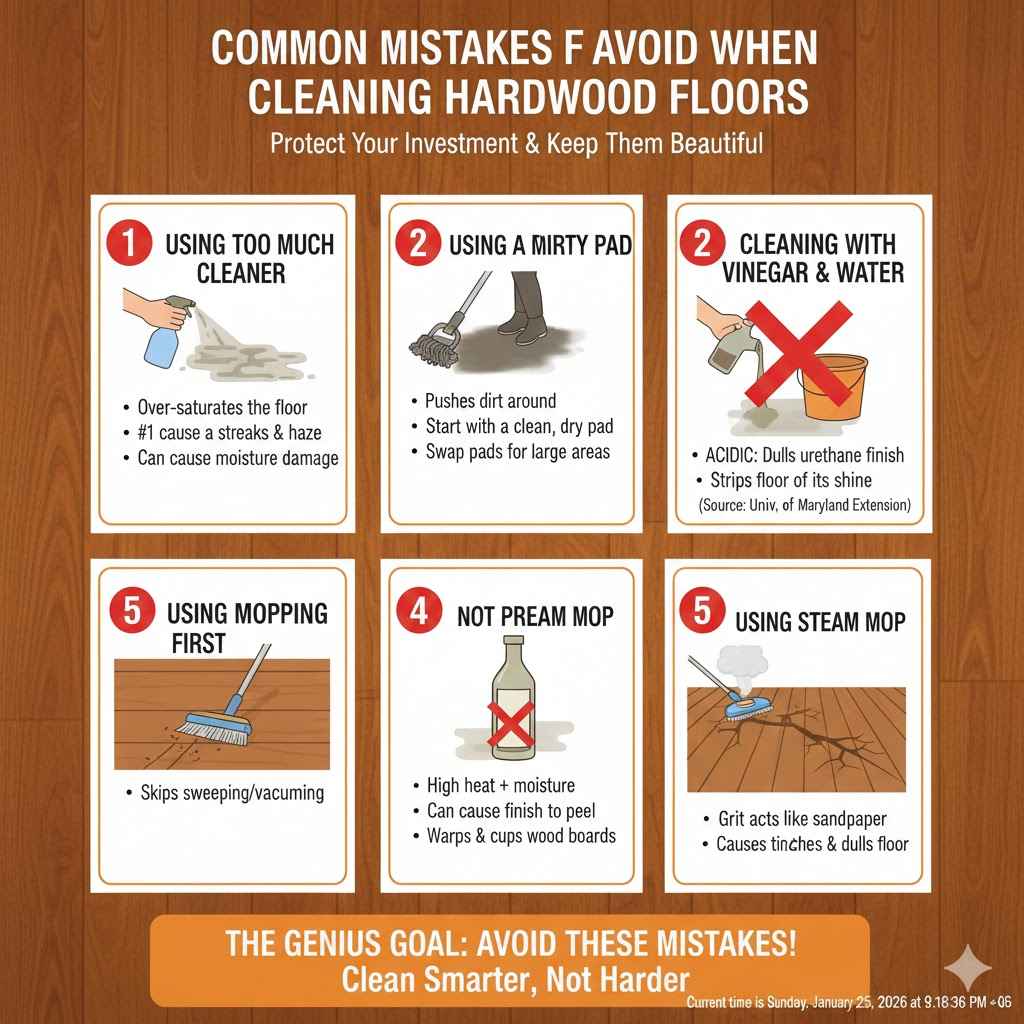
1. Using Too Much Cleaner
More is not better! Drenching your floor in cleaner is the number one cause of streaks and haze. A light mist is all it takes for the microfiber mop to do its job. Over-saturating the floor can also allow moisture to seep between the boards, potentially causing damage over time.
2. Using a Dirty Mop Pad
If your mop pad is already dirty, you’re just pushing dirt around the floor instead of picking it up. Start with a clean, dry microfiber pad. For large areas, it’s a good idea to have a few clean pads on hand so you can swap them out as they get soiled.
3. Cleaning with Vinegar and Water
This is a popular DIY cleaning hack, but it’s a very bad idea for modern hardwood floors. Vinegar is an acid. Over time, it can break down and dull the urethane finish, robbing your floor of its shine and its primary layer of protection. For more information on why this is risky, you can read research from university extensions like this one from the University of Maryland on proper wood floor care.
4. Using a Steam Mop
Steam mops work by forcing hot water vapor into surfaces. While great for tile or linoleum, this combination of high heat and moisture can be devastating to a wood floor’s finish and the wood itself. It can cause the finish to peel, cloud, and can even lead to the wood boards warping or cupping.
5. Not Prepping the Floor First
As mentioned before, skipping the initial sweep or vacuum is a critical error. Small particles of sand and grit act like sandpaper under your mop, creating tiny scratches in the finish that will accumulate and dull the floor over time.
FAQ: Your Bruce Floor Cleaner Questions Answered
1. Can I use the green bottle Bruce cleaner on floors other than Bruce brand?
Absolutely! The Bruce Hardwood & Laminate Cleaner (green bottle) is safe and effective for any brand of hardwood or laminate flooring that has a sealed urethane finish. The brand of the floor doesn’t matter as much as the type of finish on it.
2. How often should I clean my floors with Bruce cleaner?
For high-traffic areas like kitchens and entryways, a weekly cleaning is a good rule of thumb. For lower-traffic areas like bedrooms, cleaning every two to four weeks is usually sufficient. The most important thing is to sweep or dust mop daily to remove abrasive grit.
3. Does the Bruce cleaner have a strong smell?
The green bottle formula has a very light, fresh scent that dissipates quickly. It is not overpowering and is generally well-tolerated by people who are sensitive to strong chemical smells.
4. Where can I buy Bruce hardwood floor cleaner?
You can find Bruce cleaner at most major home improvement stores like Home Depot and Lowe’s, as well as many hardware stores and online retailers like Amazon.
5. What if I used the wrong cleaner on my floor? What do I do?
Don’t panic! If you used a wax-based cleaner (like the old white bottle) on a urethane floor, you’ll likely have a hazy, sticky mess. You will need to use a cleaner specifically designed to strip wax from urethane floors. This may take a few attempts. If you used a water-based cleaner (green bottle) on a wax floor, it may have caused some hazing or water spotting. Allow it to dry completely and then buff the area with a soft cloth to see if the shine can be restored.
6. Is the Bruce cleaner environmentally friendly?
The green bottle cleaner is a water-based formula. Bruce also offers a cleaner in its “Ecostrong” line, which is specifically formulated to be a more environmentally conscious choice. Always check the product label for the most current information on ingredients and certifications.
Conclusion: The Clear Choice for Clean Floors
So, when it comes to the Bruce hardwood floor cleaner green vs white bottle debate, the answer is refreshingly simple: it all comes down to your floor’s finish. For the vast majority of us with modern homes, the green bottle is the clear winner and the only one you’ll need. It’s designed specifically to care for the durable urethane finishes that protect our hardwood and laminate floors.
The white bottle is a relic from a time of wax finishes—a product for a specific job that is far less common today. By taking a moment to identify your floor’s finish, you can clean with confidence, knowing you’re not just making your floors shine, but also protecting your investment for years to come.
I hope this guide has cleared up any confusion and made you feel ready to tackle your floors like a pro. Remember, great results come from using the right tools and the right techniques. Happy cleaning!