Can a Hammer Drill Be Used as a Regular Drill? Expert Guide
Many people wonder, Can a Hammer Drill Be Used as a Regular Drill? Expert Guide. This is a common question for DIYers and beginners who own a hammer drill or are looking to buy one.
It can feel confusing to know if your tool can do more than just pound nails into concrete. This guide makes it simple. We will walk you through everything you need to know, step by step.
Get ready to learn how to use your hammer drill for everyday tasks without any worry.
Hammer Drill vs. Regular Drill Understanding the Difference
A hammer drill and a regular drill look alike, but they have a big difference. This difference is what makes a hammer drill special for tougher jobs. Knowing this helps you use your tools right.
We will explain exactly what sets them apart so you can pick the best drill for any job you have.
What Makes a Hammer Drill Different
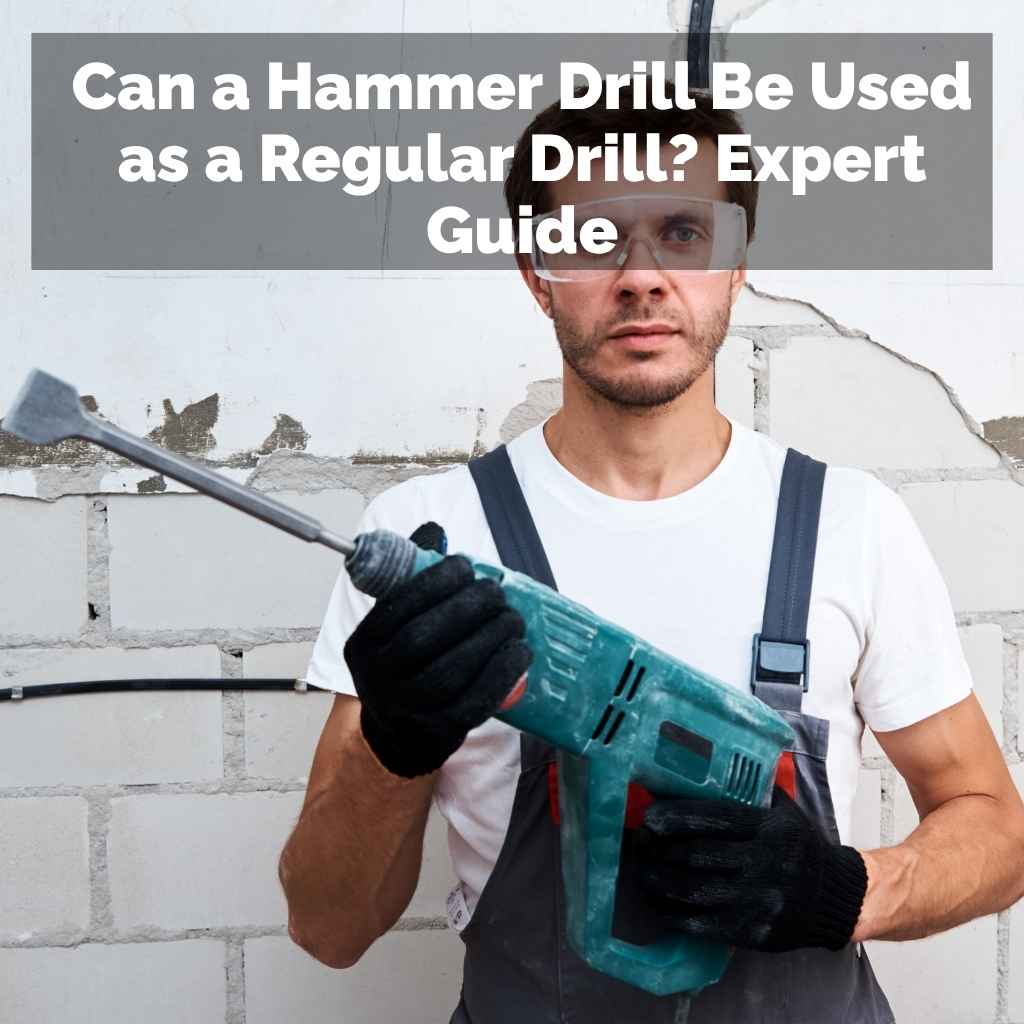
A hammer drill has two modes: drilling and hammer drilling. The hammer action adds a hammering motion to the spinning drill bit. This is great for drilling into hard materials like brick, concrete, or stone.
A regular drill only spins. It is meant for softer materials like wood, plastic, or metal.
The hammering action is not constant. It happens in short, sharp bursts. This helps the drill bit chip away at the hard material as it spins.
Think of it like a tiny jackhammer built into your drill. This makes it much easier and faster to make holes in tough surfaces. Regular drills do not have this feature.
They rely only on the spinning of the bit.
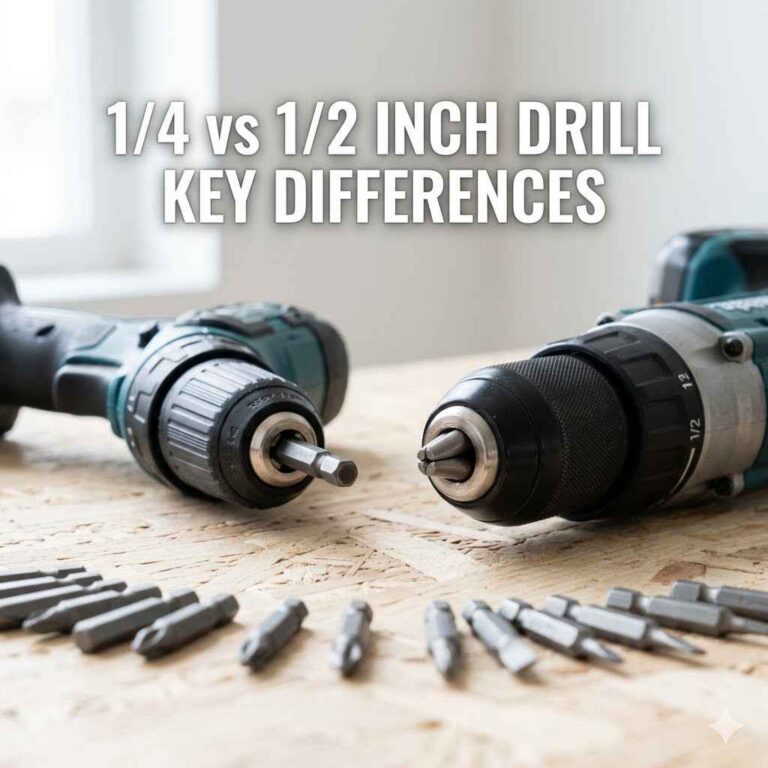
The main components that create this hammering action are the chuck and a cam mechanism. When in hammer mode, the chuck moves back and forth rapidly. This motion is powered by the motor.
The spinning of the bit combined with this back-and-forth pounding is what allows it to break through hard materials.
How a Regular Drill Works
A regular drill, also called a standard drill or a drill driver, focuses on rotation only. Its motor spins a chuck that holds a drill bit or a screwdriver bit. This rotation is smooth and consistent.
It is perfect for creating holes in wood, plastic, drywall, and sometimes thin metal. It also drives screws into these materials.
The speed and torque of a regular drill are adjustable. This lets you control how fast it spins and how much power it has. You can often adjust a clutch setting too.
This clutch prevents you from overtightening screws, which can strip the screw head or damage the material. It is a versatile tool for many home improvement tasks.
When you need to drill into wood, a regular drill is your go-to. You can easily switch between different drill bits. There are bits for making small pilot holes and bits for larger holes.
The smooth spinning action ensures a clean hole without damaging the surrounding material. It is designed for precision and control in softer applications.
When to Use Each Type of Drill
You use a hammer drill when you need to make holes in concrete, brick, masonry, or stone. Jobs like mounting shelves on a brick wall or installing a fence post in rocky ground require a hammer drill. The hammering action makes drilling through these hard surfaces possible and much faster.
A regular drill is best for woodworking, installing drywall, assembling furniture, and driving screws. If you are building a deck, framing a wall, or putting together a bookcase, a regular drill is the tool you need. It provides the control and finesse required for these types of projects.
Using a regular drill for these tasks prevents damage to the materials.
For example, if you are hanging a picture on a drywall-covered wall, a regular drill with a drywall bit is perfect. If you are trying to drill into the concrete foundation of your house to secure something, you will need to switch your hammer drill to hammer mode. It is about matching the tool to the material and the task.
Using a Hammer Drill as a Regular Drill Expert Advice
The good news is that a hammer drill can absolutely be used as a regular drill. Most hammer drills have a switch that allows you to turn off the hammer function. This lets them operate just like a standard drill.
This makes them very versatile tools for any home project.
Understanding the Mode Selector Switch
Almost all hammer drills have a mode selector switch. This switch is usually located near the chuck or on top of the drill body. It often has symbols indicating different modes.
One symbol looks like a drill bit spinning, which means regular drilling mode. Another symbol might show a hammer hitting a wall, which is for hammer drilling mode.
To use your hammer drill as a regular drill, you need to find this switch and set it to the drilling-only symbol. This deactivates the hammering mechanism. The drill will then function precisely like a standard drill.
You can use it for all the same tasks, such as drilling holes in wood or driving screws.
This feature is a major advantage of hammer drills. It means you do not need to own both a hammer drill and a regular drill if you occasionally need to drill into masonry. One tool can handle a wide range of jobs.
Always double-check the switch position before starting a new task to ensure you are using the correct mode.
Steps for Switching Modes
First, make sure the drill is turned off and unplugged if it is corded, or the battery is removed if it is cordless. Safety is always important. Locate the mode selector switch.
It is usually a slider or a rotating ring.
Look for the symbol that represents regular drilling. This is typically a simple icon of a drill bit, sometimes with lines indicating rotation. Move the switch to this position.
Once you have set it, you can plug in your drill or reinsert the battery. The drill is now ready to be used as a standard drill.
You can then select your desired speed and start drilling into wood, plastic, or metal. The clutch settings, if your drill has them, will also work in this mode. This allows you to control screw depth and prevent over-tightening.
It is a simple process that greatly expands the tool’s usefulness.
Benefits of Using a Hammer Drill for Regular Tasks
The main benefit is convenience. You have one tool that can handle most of your drilling needs. This saves space and money, as you do not need to buy two separate tools.
It is like getting two drills in one. This versatility is very appealing to homeowners.
Another advantage is that hammer drills often have more power than basic regular drills. This extra power can be helpful even in regular drilling mode. It might allow you to drill larger holes or work through denser materials more easily.
The motor in a hammer drill is typically more robust.
You also get the option to switch to hammer mode if needed. If you are working on a project and discover you need to drill into a brick wall, you can easily switch. You do not have to stop and go get another tool.
This saves time and keeps your project moving forward smoothly. It is an efficient way to work.
Hammer Drill Power and Performance Considerations
When considering a hammer drill for regular tasks, it’s good to know about its power and how it performs. While it can do the job, there are some things to keep in mind about its performance compared to a dedicated regular drill.
Motor Power and Speed Settings
Hammer drills typically have more powerful motors than standard drills. This is because they need to drive a hammering mechanism in addition to spinning the bit. This extra power can be beneficial even when the hammer function is off.
You might find it drills through wood or metal faster.
Most hammer drills offer variable speed settings. This is similar to regular drills. You can often adjust the speed using the trigger.
A lighter squeeze means a slower speed, ideal for starting holes or driving screws. A harder squeeze means higher speed for efficient drilling. Some models also have a speed selection switch, usually a slider on top, offering two or three different speed ranges.
The torque of a hammer drill is also important. Torque is the rotational force. A higher torque means more power to turn the drill bit.
This is useful for driving large screws or using large drill bits. Even in regular drill mode, the torque might be higher than a comparable regular drill, making it a beast for demanding tasks.
Chuck Type and Bit Holding
The chuck is the part that holds the drill bit. Hammer drills usually come with a keyless chuck. This means you can tighten and loosen the bit by hand.
This is convenient because you do not need a special key. It makes changing bits quick and easy, a feature common to most modern drills.
Some higher-end hammer drills might have metal chucks, which are more durable. Plastic chucks are common on less expensive models. The chuck size is also important, usually stated in millimeters, like 10mm or 13mm.
A larger chuck can accept larger drill bits and shank sizes, offering more versatility for bigger jobs.
When using it as a regular drill, ensure the bit is centered and gripped firmly. A loose bit can wobble, leading to inaccurate holes or potential damage. A good quality chuck will hold the bit securely, even under pressure.
This is crucial for safety and the quality of your work, regardless of the drill mode.
Weight and Ergonomics
Hammer drills are often heavier than regular drills. This is due to the added motor components and the hammering mechanism. The extra weight can make them a bit more tiring to use for extended periods, especially overhead.
However, manufacturers are always working to make them lighter and more comfortable to hold.
Ergonomics, or how comfortable a tool is to hold and use, is important. Look for drills with soft-grip handles. These provide better control and reduce vibration.
A well-balanced drill will feel natural in your hand, reducing fatigue. Many hammer drills are designed with comfort in mind, even with their added features.
For jobs that require a lot of drilling or driving, a lighter, well-balanced drill is a definite advantage. If you plan to use your hammer drill as a regular drill for many DIY projects, consider its weight and how it feels in your hand. This can make a big difference in your comfort and efficiency on the job.
Battery Life and Charging (Cordless Models)
Cordless hammer drills are very popular. Their battery life is a key consideration. Batteries are typically rated in Amp-hours (Ah).
A higher Ah rating means longer run time on a single charge. For heavy use, consider batteries with 4.0 Ah or higher.
Charging time is also a factor. Most cordless tools come with a charger. Some are fast chargers that can power up a battery in under an hour.
Others might take several hours. If you plan to use your drill extensively, having a spare battery is a good idea so you can keep working while one battery charges.
The type of battery technology also matters. Lithium-ion (Li-ion) batteries are the standard now. They hold their charge well and do not suffer from the “memory effect” that older battery types did.
This means you can recharge them at any time without harming their capacity.
When NOT to Use a Hammer Drill as a Regular Drill
While a hammer drill is versatile, there are specific situations where a dedicated regular drill might be a better choice. These situations often involve very fine detail work or prolonged use where weight is a major factor.
Precision Drilling in Delicate Materials
For extremely delicate materials, such as thin acrylic sheets or very soft woods where a clean finish is paramount, the added power and vibration of a hammer drill, even in its regular mode, could potentially be overkill. A lighter, less powerful regular drill might offer finer control for these tasks.
If you are working with very thin materials or need to drill tiny pilot holes for intricate projects, the precise control of a regular drill is often preferred. The torque and speed adjustments on a standard drill can be more finely tuned for these delicate operations. Over-powering a delicate material can lead to cracking or splintering.
Consider a scenario where you are drilling small holes for electronics or model making. In such cases, the margin for error is tiny. A regular drill allows for very slow, controlled drilling.
The slightest slip can ruin the workpiece. This is where the simplicity and fine control of a dedicated regular drill shine.
Extended Use and Fatigue
As mentioned earlier, hammer drills are generally heavier. If you have a long project that involves hundreds of holes or prolonged screw driving, the extra weight can lead to fatigue. This fatigue can affect your accuracy and the quality of your work.
Your arm and wrist might ache after a few hours.
A lighter regular drill would be much more comfortable for such marathon tasks. It would allow you to work longer without getting as tired. This is especially true for overhead work, where the weight is felt even more.
Comfort is key to productivity and avoiding strain.
Imagine a contractor who needs to install dozens of light fixtures, each requiring multiple screws. They would likely choose a lightweight regular drill for efficiency and comfort throughout the day. A hammer drill, while capable, would add unnecessary strain over that many hours.
When Weight is a Critical Factor
In certain tight spaces or awkward positions, the extra bulk of a hammer drill might be a hindrance. A more compact regular drill could fit where a hammer drill might not. This is particularly true for professional tradespeople who work in confined areas frequently.
Think about working inside a narrow cabinet or under a sink. The extra length or width of a hammer drill might make it difficult to maneuver. A smaller, more nimble regular drill would be easier to handle in these confined situations.
Accessibility is key to completing the job efficiently.
Even for a DIYer, working on a ladder can be precarious. A lighter tool reduces the strain on your arms and makes it easier to maintain balance. This added safety and ease of use can be a deciding factor for some tasks.
Comparing Hammer Drills and Regular Drills
Let’s look at a comparison to make the differences clear. This table shows the key features side by side.
| Feature | Hammer Drill | Regular Drill |
|---|---|---|
| Primary Function | Drilling in masonry, concrete, brick; also regular drilling | Drilling in wood, metal, plastic; driving screws |
| Hammer Action | Yes, with mode selector | No |
| Power | Generally higher, more robust motor | Varies, often less powerful than hammer drills |
| Weight | Typically heavier | Typically lighter |
| Best For | Hard materials, mixed projects (masonry & wood) | Woodworking, screw driving, light-duty drilling |
| Versatility | High, covers most drilling needs | Good for wood and general tasks, but not masonry |
As you can see, the hammer drill offers more versatility because it can perform the functions of a regular drill plus more. However, for tasks where only drilling wood or driving screws is needed, a regular drill might be more comfortable due to its lighter weight and simpler design.
Drill Bit Types for Each Tool
The type of drill bit you use is just as important as the drill itself. For regular drills, you’ll use wood bits, metal bits, and sometimes twist bits for plastic. These bits are designed for smooth cutting as they spin.
For hammer drills, when in hammer mode, you need special masonry bits. These bits have carbide tips designed to withstand impact and abrasion. They are much harder than standard bits.
They have flutes that help clear dust away from the hole as you work.
When using a hammer drill in regular mode, you can use the same bits you would use with a regular drill. So, a hammer drill can use wood bits, metal bits, and twist bits. The key is to match the bit to the material and the task.
Always ensure the bit is securely tightened in the chuck.
Here’s a quick guide to common bit types:
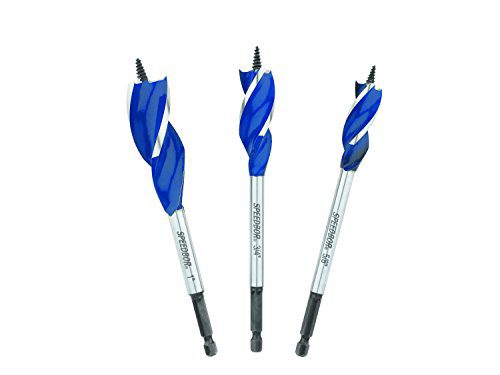
- Wood Bits: These come in various forms, like twist bits, spade bits, and Forstner bits. They are designed to cut wood cleanly and efficiently. Spade bits are good for larger holes, while twist bits are for general-purpose drilling.
- Metal Bits: Made from high-speed steel (HSS), these bits are harder and more durable. They are designed to cut through metal without overheating. Cobalt bits are even tougher for drilling into harder metals.
- Masonry Bits: These are essential for hammer drills in hammer mode. They feature a tungsten carbide tip, which is extremely hard. The tip pulverizes the material as the bit hammers and spins.
- Screwdriver Bits: These are not drill bits but attachments for driving screws. They come in various head types like Phillips, flathead, and Torx.
Safety Precautions
No matter which drill you use, safety is paramount. Always wear safety glasses to protect your eyes from flying debris. If drilling into masonry, dust can be a concern, so a dust mask is also a good idea.
Ensure your work area is well-lit and free of obstructions.
For cordless drills, remove the battery when changing bits or performing maintenance. For corded drills, unplug them. Always hold the drill with two hands for better control, especially when drilling into harder materials or using larger bits.
If the drill bit gets stuck, do not force it. Release the trigger and try to gently back the bit out. If using a hammer drill in hammer mode, be aware of the kickback potential.
Maintain a firm grip and keep your stance stable.
Real-World Examples and Scenarios
Let’s look at some practical examples to see how this works in everyday situations.
Example 1 Mounting a TV Wall Mount
You want to mount your new TV on a wall. The wall is made of brick. This means you definitely need the hammer function.
You would use your hammer drill in hammer mode with a masonry bit. This allows you to easily drill the large holes needed for the wall mount anchors into the brick. Without hammer mode, it would be nearly impossible and take forever.
After drilling the holes, you might need to drive large lag bolts to secure the mount. If your hammer drill has a strong torque setting and adjustable speed, you can switch it back to regular drill mode. Then, you can use a socket adapter to drive those lag bolts into the anchors.
This shows how one tool can do both parts of the job.
Example 2 Assembling Flat-Pack Furniture
You just bought a new bookshelf that needs to be assembled. The instructions require screwing together particleboard panels. This is a perfect job for a regular drill.
You would switch your hammer drill to regular drilling mode. Then, you can use a screwdriver bit to quickly drive all the screws. The adjustable clutch setting is very useful here.
It stops you from over-tightening the screws and stripping the particleboard.
If you were also installing small brackets on a wooden frame as part of the assembly, you would use a wood bit in regular drill mode. The lighter weight and controlled speed of your hammer drill in this mode make it ideal for repetitive screw driving and drilling small pilot holes.
Example 3 Installing Shelving on a Drywall and Stud Wall
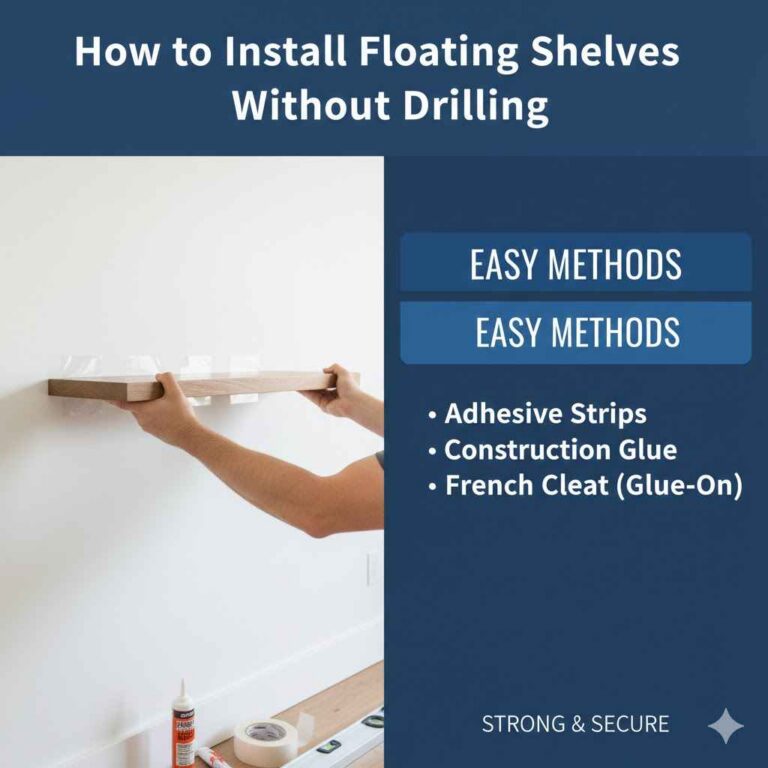
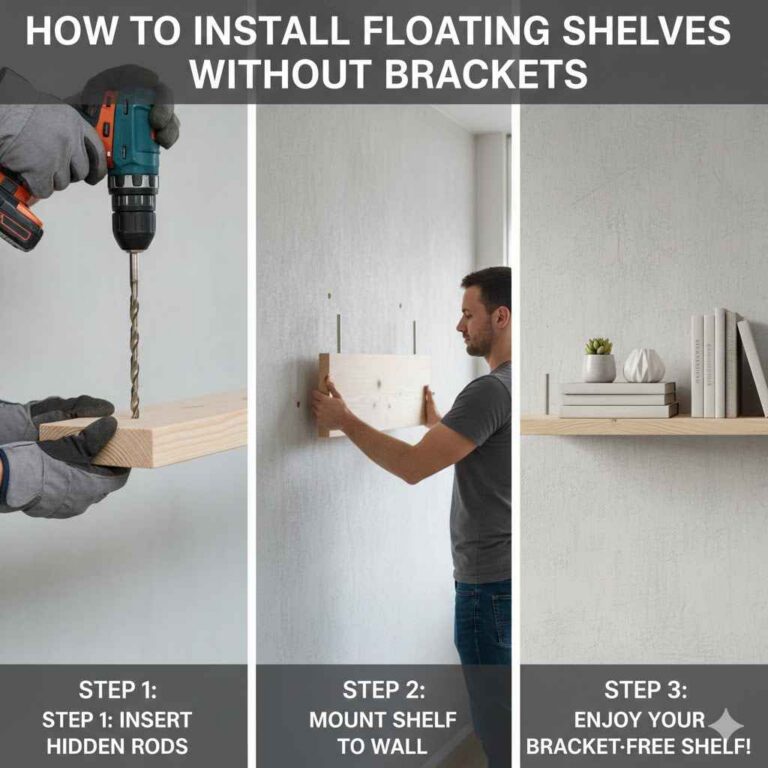
Let’s say you want to install some floating shelves. These shelves need to be secured to wall studs for strength. You will use your hammer drill in regular drill mode.
First, use a small wood bit to drill pilot holes into the studs. Then, switch to a screwdriver bit to drive long screws that go into the studs and hold the shelf bracket.
If, by chance, a bracket needs to be secured directly to a brick wall, you would switch to hammer mode. However, for the main structural support on studs, regular drilling is sufficient and often preferred for its precision. This highlights the flexibility of a hammer drill.
Sample Scenario 1 A Home Renovation Project
Imagine you’re renovating your kitchen. You need to drill into concrete to install new cabinets. You’ll use your hammer drill in hammer mode with a masonry bit.
Then, you need to drill pilot holes in wood for new drawer slides. You’ll switch your hammer drill to regular drill mode and use a wood bit. Finally, you’ll drive countless screws to attach hinges and drawer fronts.
Your hammer drill in regular drill mode handles this with ease.
Sample Scenario 2 Building a Garden Fence
You are building a new fence. This involves drilling holes for fence posts and securing wooden planks. For drilling the initial holes into the ground for posts, if the ground is hard or rocky, you might use your hammer drill in hammer mode.
However, for most wooden parts, like attaching the rails to the posts or securing pickets, you will use your hammer drill in regular drill mode with wood bits and screwdriver bits.
Frequently Asked Questions
Question: Can I use my hammer drill for all my DIY projects?
Answer: Yes, you can use your hammer drill for most DIY projects. You just need to remember to switch it to the regular drill mode when you are not drilling into hard materials like concrete or brick. This makes it a very versatile tool.
Question: Will using a hammer drill in regular mode damage my screws or materials?
Answer: No, as long as you use the correct mode and settings. When in regular drill mode, and using the clutch feature to control torque, it will not damage your screws or materials. It works just like a regular drill in this setting.
Question: Is it safe to use a hammer drill without safety glasses?
Answer: No, it is never safe to use any power drill without safety glasses. Always wear eye protection to prevent injury from flying debris or dust, especially when drilling into hard materials.
Question: How do I know which mode my hammer drill is in?
Answer: Look for a mode selector switch, usually on the top or side of the drill. It will have symbols indicating hammer drilling (often a hammer icon) and regular drilling (often a drill bit icon). Make sure it is set to the drill bit icon for regular use.
Question: Are hammer drills more expensive than regular drills?
Answer: Generally, hammer drills are slightly more expensive than comparable regular drills due to the added motor and mechanism for the hammering action. However, they offer more functionality, making them a good value if you need both capabilities.
Summary
A hammer drill is a fantastic tool because it can perform as a regular drill. Simply set the mode selector to the drill-only icon. This deactivates the hammer action.
Then, it functions like any standard drill for wood, plastic, and metal. You get the best of both worlds in one tool.