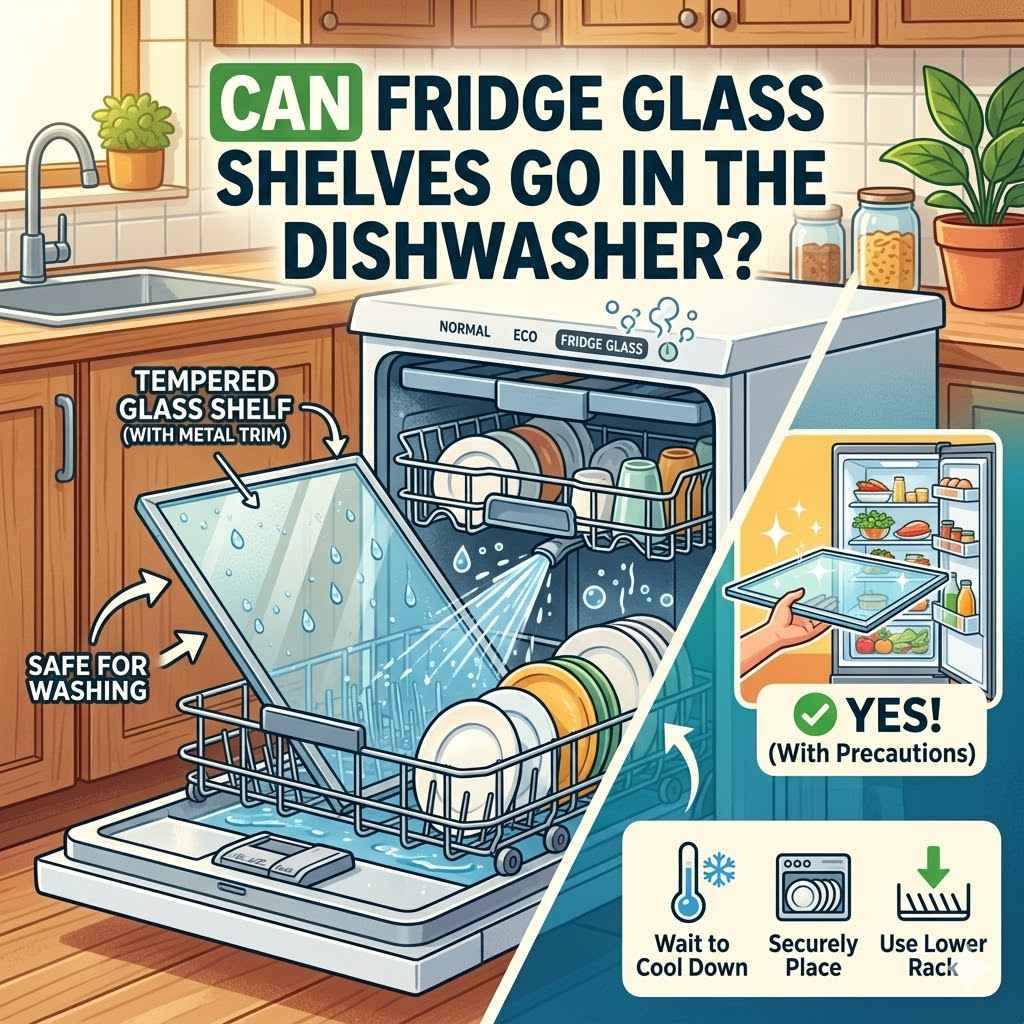
Can Fridge Glass Shelves Go in the Dishwasher
Lots of people wonder, Can Fridge Glass Shelves Go in the Dishwasher? It’s a common question when you’re trying to get your fridge sparkling clean. Sometimes, these shelves can get really grimy, and you just want the easiest way to fix it.
But is the dishwasher really the best or safest option? Don’t worry, figuring this out is simpler than you might think. We’ll walk through exactly what you need to know to keep your fridge shelves looking great without any damage.
Let’s find out what works best for cleaning them.
Are Fridge Glass Shelves Dishwasher Safe
Many people ask, Can Fridge Glass Shelves Go in the Dishwasher? This is a very popular question because cleaning refrigerator shelves can be a chore. Sometimes, a quick wipe-down just doesn’t cut it, and you might think tossing them in the dishwasher is the ultimate solution.
However, not all glass is created equal, and putting the wrong type of glass in a hot dishwasher cycle can lead to cracks or even shattering. It’s essential to know the specifics of your fridge shelves before making that decision. This section will help you understand the general rules and exceptions regarding dishwasher safety for these components.
Understanding Tempered Glass and Its Properties
Tempered glass, also known as toughened glass, is a type of safety glass processed by controlled thermal or chemical treatments to increase its strength compared with normal glass. When tempered glass breaks, it shatters into small, relatively harmless pieces, rather than shards. This is why it’s often used in applications where breakage could be a hazard.
However, the process that makes it strong also makes it more susceptible to thermal shock, which is a key consideration when deciding if it can go in a dishwasher.
The intense heat and sudden temperature changes within a dishwasher cycle can put a lot of stress on glass. Even tempered glass, while stronger than regular glass, can still be affected by rapid temperature fluctuations. For example, if a cold glass shelf is suddenly exposed to the very hot water and steam of a dishwasher, it could crack.
This is a primary reason why caution is advised.
One critical aspect of tempered glass is its ability to withstand pressure. This makes it durable for everyday use in a refrigerator. However, the structural integrity can be compromised by extreme and rapid temperature shifts.
The glass molecules expand and contract at different rates, creating internal stresses that can lead to failure, especially if there are any tiny imperfections already present in the glass.
The manufacturing process for tempered glass involves heating it to a high temperature and then rapidly cooling the outer surfaces. This creates compression on the outer layers and tension in the inner layers. While this makes the glass stronger against impacts and pressure, it also means that any sudden, extreme changes in temperature can exacerbate these internal stresses.
Think of it like bending a ruler; it can handle some bending, but a sudden sharp snap will break it.
In essence, tempered glass is chosen for its safety features when it breaks, but this safety comes with a specific vulnerability to thermal shock. Understanding this balance is key to knowing whether your fridge shelves are safe for a dishwasher. The dishwasher environment can be quite harsh on materials, and glass is no exception.
What Experts Say About Dishwasher Cleaning
Appliance manufacturers and cleaning experts often provide guidance on cleaning refrigerator components. Their advice generally leans towards caution when it comes to putting glass shelves directly into dishwashers. They typically emphasize hand washing as the safest method to prevent damage.
This is because the high heat and aggressive cleaning cycles of dishwashers can be too much for some types of glass.
Many manuals for refrigerators will specifically state whether the glass shelves are dishwasher safe. If it’s not explicitly mentioned, it’s usually best to assume they are not. This is a proactive approach to avoid costly replacements.
The complexity arises because some manufacturers use different types of glass or have different design specifications for their appliances. What might be safe for one brand could potentially damage another.
The consensus among many cleaning professionals is that while some tempered glass might survive a dishwasher cycle, the risk of thermal shock, etching from harsh detergents, or even breakage from items shifting in the wash is significant. They often recommend using mild dish soap and warm water for hand washing. This method is effective for most spills and grime without putting the glass at risk.
It’s also important to consider the metal components often found on fridge shelves, like support brackets or plastic edging. These might not be dishwasher safe either and could be damaged by the heat and moisture, or they could even damage the dishwasher itself. This adds another layer of complexity to the simple question of Can Fridge Glass Shelves Go in the Dishwasher?
Therefore, when in doubt, always check your appliance manual. If you can’t find the information there, err on the side of caution and opt for hand washing. This will ensure your refrigerator’s glass shelves remain intact and functional for years to come.

Testing Your Fridge Glass Shelves for Dishwasher Safety
So, you’re wondering, Can Fridge Glass Shelves Go in the Dishwasher? You’ve heard the general advice, but you want to be sure about your specific shelves. Before you risk it, there are a few steps you can take to determine if your fridge’s glass shelves are likely to survive a trip through the dishwasher.
It’s always better to be safe than sorry when it comes to appliance parts.
Checking Your Refrigerator Manual
The absolute first and most important step is to consult your refrigerator’s owner’s manual. This document is filled with information specific to your appliance model, including cleaning instructions for all its parts. If your glass shelves are dishwasher safe, it will almost certainly be stated clearly in the manual.
Look for sections on cleaning or maintenance. Manufacturers typically list which parts can be removed and how to clean them. If there’s no mention of the glass shelves being dishwasher safe, or if it explicitly states to hand wash them, then you should follow that advice.
Ignoring the manual can lead to damage and void your warranty.
Sometimes, manuals can be hard to find. If you don’t have the physical copy, most manufacturers provide digital versions on their websites. You’ll usually need to enter your appliance’s model number to find the correct manual.
This is a small step that can save you a lot of potential hassle and expense.
If you’ve thoroughly checked the manual and can’t find any definitive information regarding dishwasher safety for your glass shelves, it’s a strong indicator that they are not intended for that kind of cleaning. In such cases, the safest approach is always to hand wash them.
The goal is to protect your investment. Your refrigerator is a major appliance, and its parts are designed to last. Following the manufacturer’s guidelines is the best way to ensure longevity and optimal performance of all its components.
Looking for Manufacturer Labels or Markings
Even without a manual, there are often clues directly on the appliance parts themselves. Carefully inspect your glass shelves. Sometimes, manufacturers will etch or label their dishwasher-safe components.
Look for symbols or text directly on the glass or any attached plastic or metal trim.
Common symbols might include a dishwasher icon with water jets, or text like “Dishwasher Safe” or “DWS.” If you find such markings, it’s a good indication that the shelves are designed to withstand the dishwasher’s cleaning cycle. However, always be sure the markings are clear and not worn away.
Conversely, if you see any warnings or no markings at all, it’s best to assume they are not dishwasher safe. Some older models or certain brands might not have such labels, making the manual even more crucial in those instances. Don’t rely solely on the absence of a warning; the presence of a positive indicator is more definitive.
Consider the overall design. Are there any plastic parts attached to the glass that look like they might warp or melt in high heat? If the glass has any unusual coatings or finishes, these could also be sensitive to dishwasher detergents and heat.
These visual cues can help you make an informed decision.
Remember, these labels are there for your benefit. They are the manufacturer’s direct communication about how to properly care for their product. Take a few minutes to examine the shelves closely.
It’s a quick way to gather more information before deciding on the best cleaning method.
The Thermal Shock Test (Use with Extreme Caution)
This is a more advanced method and should only be considered if you are willing to accept a small risk, and if you still have no definitive answer from the manual or labels. The core idea behind the thermal shock test is to see how the glass reacts to gradual temperature changes, mimicking but not replicating a dishwasher cycle. Please note: this is NOT a guarantee and can still cause damage.
First, let the glass shelf sit at room temperature for at least an hour. Then, carefully wash it with warm (not hot) tap water and mild dish soap. Rinse it with more warm water.
After it’s clean, let it air dry completely. Observe it for any changes like fine cracks or cloudiness. If it passes this gentle test, you might consider a very short, low-heat dishwasher cycle with minimal detergent as a further test, but this is still risky.
A more cautious approach would be to skip the dishwasher entirely if you have any doubts. The cost of replacing a glass shelf can be significant, and the time and effort saved by a dishwasher cycle are often not worth the potential damage. Hand washing is a proven, safe method that guarantees the shelf’s integrity.
However, if you are determined to test it, ensure the shelf is completely dry and at room temperature before applying any water, hot or cold. Any sudden change from a significantly different temperature could be problematic. Pay close attention to any sounds the glass makes, such as tiny clicks or pops, which can indicate stress.
Ultimately, the best approach remains to rely on the manufacturer’s guidelines. If there’s ambiguity, the safest bet is always to avoid the dishwasher and stick to gentle, manual cleaning methods that are known to be effective and safe for refrigerator glass shelves.
Safe Ways to Clean Your Fridge Glass Shelves
You’ve confirmed that the answer to “Can Fridge Glass Shelves Go in the Dishwasher?” is likely no, or you’re still unsure. That’s perfectly fine! The good news is that cleaning your fridge glass shelves by hand is not only safe but also very effective.
With the right approach, you can get them sparkling clean without any worries about breakage or damage.
Hand Washing Method Step-by-Step
Cleaning your fridge glass shelves by hand is a straightforward process that takes just a few minutes. This method is universally recommended by appliance manufacturers and cleaning experts for its safety and effectiveness. It ensures that your shelves remain in pristine condition.
First, carefully remove the glass shelf from your refrigerator. It’s important to handle glass items with care. Place the shelf on a soft surface, like a folded towel or a mat, to prevent it from slipping or scratching during the cleaning process.
This also protects your countertop or sink area.
Next, prepare your cleaning solution. Mix a small amount of mild dish soap with warm water in your sink or a basin. Avoid using harsh detergents, abrasive cleaners, or scouring pads, as these can scratch or damage the glass surface.
Warm water is ideal for loosening grime without being so hot that it could cause thermal shock.
Gently wash the shelf using a soft cloth or sponge. Wipe away any spills, sticky residue, or food stains. For tougher spots, you might need to let the soapy water sit for a minute or two to soften the debris.
Work slowly and deliberately, paying attention to all corners and edges.
After washing, rinse the shelf thoroughly with clean, warm water. Make sure all soap residue is removed. Any leftover soap can leave streaks or a dull finish.
Finally, dry the shelf completely with a clean, lint-free towel. This prevents water spots and ensures the shelf looks its best before you put it back in the fridge.
This simple, methodical approach guarantees that your fridge glass shelves will be cleaned effectively and safely, preserving their appearance and structural integrity for long-term use. It’s a small effort that yields excellent results.
Dealing with Stubborn Stains and Residue
Sometimes, fridge shelves can accumulate particularly stubborn stains, like dried-on sauces or sticky spills that have been there for a while. When faced with these tougher challenges, you might wonder if your hand-washing routine is enough. Fortunately, there are simple, safe ways to tackle these residues without resorting to harsh chemicals or the dishwasher.
For dried-on food, the best initial approach is to let the shelf soak for a bit. After removing it from the fridge, fill your sink or a basin with warm water and add a tablespoon of white vinegar or a few drops of dish soap. Submerge the shelf and let it soak for 15-30 minutes.
The warm water and mild acidity from the vinegar can help to loosen even very dried-on messes.
Once soaked, use a soft sponge or cloth to gently scrub the affected areas. If a stain is still present, you can create a paste of baking soda and water. Apply this paste to the stain and let it sit for a few minutes.
Baking soda is a mild abrasive that can lift stubborn grime without scratching the glass. Gently rub the paste with your sponge or cloth, then rinse thoroughly.
Another effective method for sticky residue is using a mild degreaser. A solution of equal parts water and white vinegar is a great natural degreaser. Spray it onto the sticky areas, let it sit for a minute, then wipe clean.
This works well for sugary spills or greasy build-up.
Always remember to rinse the shelf completely after using any cleaning agent, even natural ones like vinegar or baking soda, to avoid any lingering odors or residue that could transfer to your food. After cleaning, dry the shelf thoroughly with a clean, soft towel to prevent water spots and streaks.
These methods are gentle yet effective for most common fridge messes. They ensure that your glass shelves are not only clean but also safe for storing food, all while avoiding the risks associated with dishwashers.
Using Natural Cleaning Solutions
Many people prefer to use natural cleaning solutions for their home appliances, especially for items that come into contact with food. This approach is not only eco-friendly but also ensures that no harmful chemical residues are left behind on your fridge glass shelves. These solutions are often just as effective as commercial cleaners.
White vinegar is a powerhouse natural cleaner. Its acidity helps to cut through grease, grime, and mineral deposits. You can use it in a few ways.
For general cleaning, mix equal parts white vinegar and water in a spray bottle. Spray the solution onto the glass shelf, let it sit for a minute, and then wipe clean with a soft cloth. Rinse with water and dry.
Baking soda is another excellent natural option. It acts as a gentle abrasive and a deodorizer. To clean tougher spots or remove odors, you can make a paste of baking soda and water.
Apply this paste to the stained area, let it sit, and then gently scrub with a soft sponge. Rinse thoroughly afterwards.
Lemon juice can also be used. Its citric acid can help to break down grease and leave a fresh scent. You can mix lemon juice with water, or even rub a cut lemon directly onto stubborn stains.
Be sure to rinse well, as lemon juice can be sticky.
When using these natural solutions, it’s still important to remember that the glass itself can be sensitive to extreme temperatures. So, while the cleaning agents are natural, the method of application should still be gentle. Always use warm, not hot, water, and a soft cleaning cloth.
Ensure the shelf is dry before returning it to the fridge to prevent any issues.
These natural cleaning methods are perfectly suited for ensuring your fridge glass shelves are clean, fresh, and safe for food storage, providing a worry-free alternative to dishwashing.
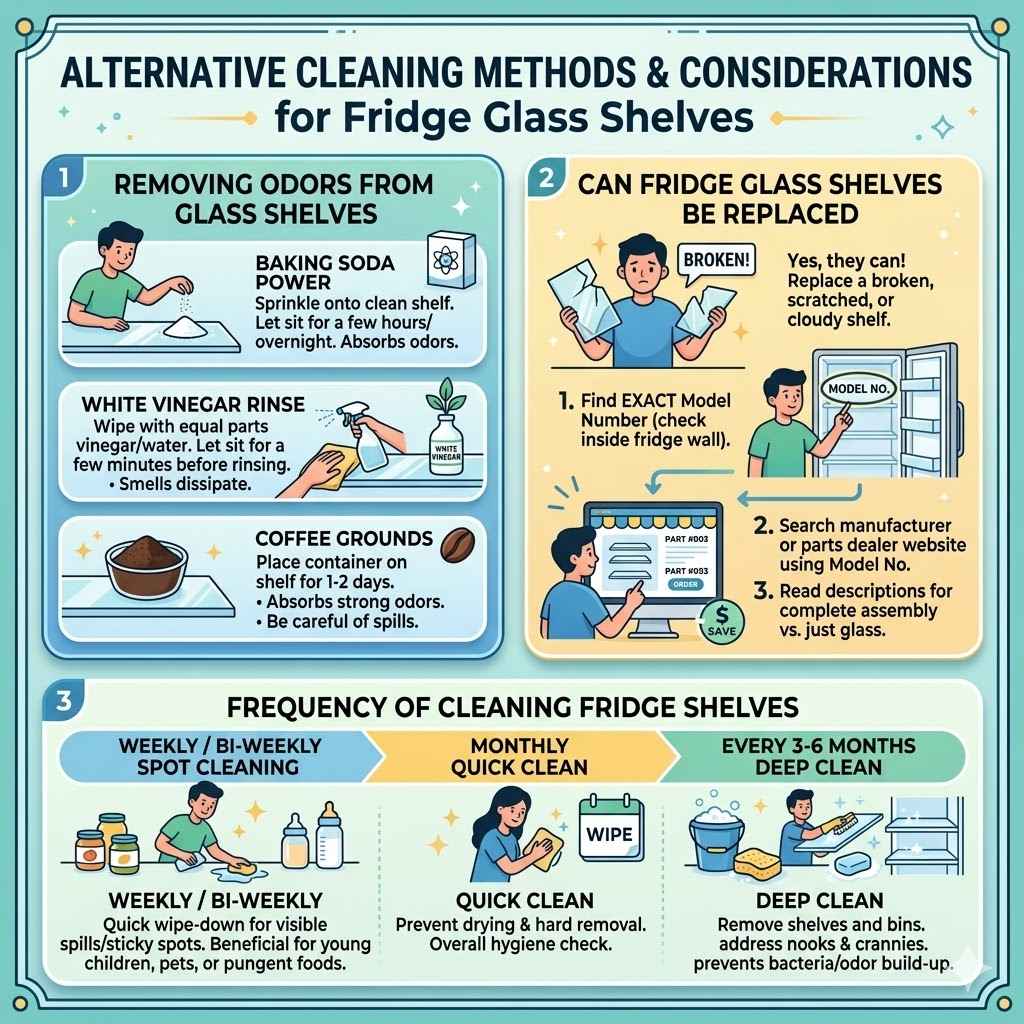
Alternative Cleaning Methods and Considerations
Beyond simple hand washing, there are a few other aspects to consider when cleaning your fridge glass shelves, especially if you’re looking for the most efficient or thorough approach. While the question “Can Fridge Glass Shelves Go in the Dishwasher?” often leads to a “no,” understanding these alternatives can help you maintain your refrigerator effectively.
Removing Odors from Glass Shelves
Sometimes, even after washing, glass shelves can retain unpleasant odors. This is common if strong-smelling foods have been stored on them. Fortunately, there are simple ways to eliminate these lingering smells without harsh chemicals.
One of the most effective natural deodorizers is baking soda. You can sprinkle a generous amount of baking soda directly onto the clean, dry glass shelf and let it sit for a few hours, or even overnight. Baking soda absorbs odors.
After it has had time to work, simply wipe or vacuum it off. This is a gentle yet powerful method.
Another great option is white vinegar. After washing and rinsing the shelves, you can wipe them down with a solution of equal parts white vinegar and water. Let this solution sit on the glass for a few minutes before rinsing thoroughly.
The vinegar smell will dissipate as it dries, taking other odors with it.
Placing an open box or bowl of baking soda inside your refrigerator is a common practice for overall odor control, but treating the shelves directly can also be very effective for localized smells. Ensure the shelves are completely dry before returning them to the fridge to prevent any moisture-related issues.
You can also use coffee grounds for odor absorption. Place a small, open container of dry, used coffee grounds on the shelf for a day or two. They are known for their ability to absorb strong smells.
Just be careful not to spill any grounds, as they can be messy.
The key is to address the odor source and use absorbent or neutralizing agents. These methods are safe for the glass and do not introduce any chemicals that could affect your food. Regular cleaning and immediate attention to spills will also prevent odors from becoming deeply ingrained.
Can Fridge Glass Shelves Be Replaced
It’s important to know that if your fridge glass shelves do get damaged, they can often be replaced. If you’ve accidentally broken a shelf, or if it has become too scratched or cloudy to clean effectively, purchasing a replacement is a viable option. The answer to “Can Fridge Glass Shelves Go in the Dishwasher?” could become moot if you decide to replace a damaged shelf.
The first step in replacing a shelf is to identify the exact model number of your refrigerator. This is crucial for ensuring you order the correct, compatible part. You can usually find the model number on a sticker located inside the refrigerator compartment, often on one of the side walls or near the crisper drawers.
Once you have the model number, you can search for replacement shelves through the appliance manufacturer’s official website or through authorized appliance parts dealers. Many online retailers specialize in appliance parts and can help you find the specific shelf you need.
When ordering, pay attention to the part number. Sometimes, shelves come with specific frame or bracket components. Make sure you order the complete assembly if needed, or just the glass insert if that’s all you require.
Reading product descriptions carefully is key.
Replacement can be a more cost-effective solution than buying a whole new refrigerator, especially if the rest of the appliance is still in good working order. It’s a practical way to restore your fridge’s functionality and appearance after damage.
If you’re unsure about ordering the correct part, don’t hesitate to contact customer support for the appliance manufacturer. They can often guide you to the right replacement part based on your model number. This ensures you get the perfect fit for your fridge.
Frequency of Cleaning Fridge Shelves
Deciding how often to clean your fridge glass shelves depends on a few factors, including how you use your refrigerator and how quickly spills happen. However, a general guideline can help you maintain a clean and hygienic environment.
For optimal hygiene, it’s recommended to perform a quick wipe-down of shelves and bins at least once a month. This involves quickly cleaning up any visible spills or sticky spots as soon as they occur. Addressing spills immediately prevents them from drying and becoming difficult to remove later.
A more thorough cleaning, where you remove all shelves and drawers for washing, should ideally be done every three to six months. This deep clean ensures that all nooks and crannies are addressed and helps to prevent the build-up of bacteria and odors. If you notice a strong smell or significant grime, it’s time for a deep clean regardless of the schedule.
The frequency can also increase if you have young children, pets, or if you frequently store pungent foods. In such cases, weekly or bi-weekly spot cleaning of shelves might be beneficial. Pay attention to your refrigerator’s condition and adjust your cleaning schedule accordingly.
The key is consistency. Regular, smaller cleaning tasks are much easier and more effective than infrequent, large cleaning sessions. By staying on top of it, you ensure your refrigerator remains a safe and pleasant place to store your food, and you won’t have to worry about whether “Can Fridge Glass Shelves Go in the Dishwasher?” becomes an issue due to extreme neglect.
Frequently Asked Questions
Question: What kind of glass are most fridge shelves made of
Answer: Most refrigerator glass shelves are made of tempered glass. This type of glass is designed to be stronger and safer than regular glass because when it breaks, it shatters into small, dull pieces rather than sharp shards.
Question: Can I use abrasive cleaners on my fridge glass shelves
Answer: No, you should avoid abrasive cleaners and scouring pads on your fridge glass shelves. These can cause scratches and permanent damage to the glass surface, making it look dull and potentially weakening it over time.
Question: What is thermal shock for glass
Answer: Thermal shock occurs when glass is subjected to rapid and extreme changes in temperature. This sudden expansion or contraction of the glass can create internal stress, leading to cracks or breakage.
Question: How do I remove a bad smell from my fridge glass shelves
Answer: To remove bad smells, try a paste of baking soda and water applied to the shelf, or wipe it down with a solution of equal parts white vinegar and water. Let it sit for a bit, then rinse and dry thoroughly.
Question: Where can I buy replacement fridge glass shelves
Answer: You can buy replacement fridge glass shelves from the appliance manufacturer’s website or from authorized appliance parts dealers online. Make sure to have your refrigerator’s model number handy when ordering.
Summary
When asking “Can Fridge Glass Shelves Go in the Dishwasher?”, the safest answer for most people is no. While some tempered glass might survive, the risk of thermal shock and damage from high heat and harsh detergents is significant. Always check your refrigerator manual first.
If unsure, hand washing with mild soap and warm water is the best and most reliable method to keep your shelves clean and intact.