Can I Use Pressure Treated Wood for Raised Beds?
Figuring out what to build your garden beds with can feel a little tricky sometimes. Many gardeners wonder, “Can I Use Pressure Treated Wood for Raised Beds?” especially when they see how long this wood lasts. It’s a common question, and the good news is, we can clear it up easily. Let’s look at the facts together and find the best way forward for your garden. We will break down exactly what you need to know to make a smart choice for your plants and your peace of mind.
Is Pressure Treated Wood Safe for Garden Beds
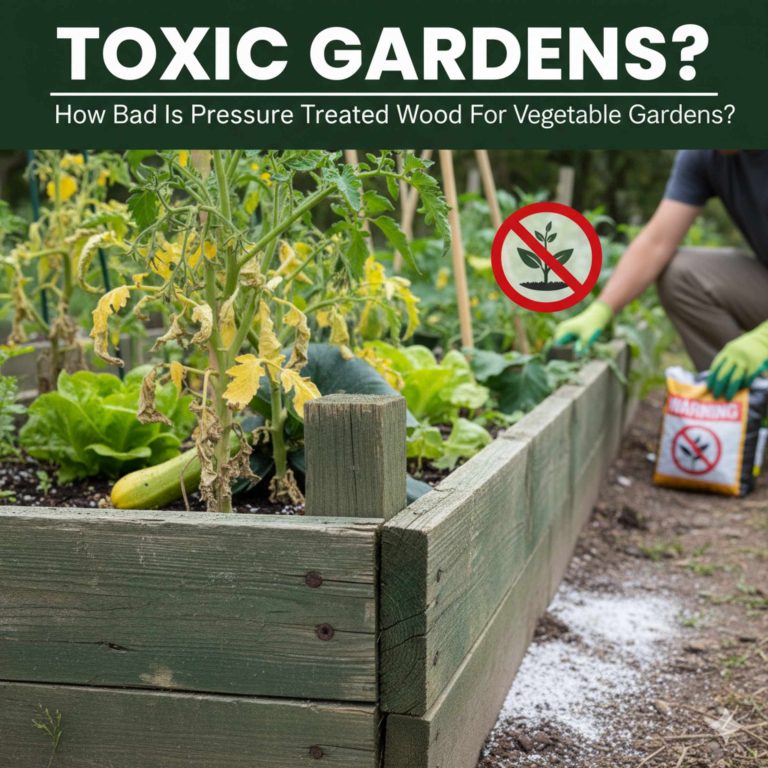
This is the main question many gardeners ask when they consider building raised garden beds. Pressure treated wood is a popular choice because it lasts a long time and resists rot and insects. This means your garden beds will stay strong for many seasons. However, there’s a concern about the chemicals used in the treatment process and if they can get into the soil and then into the food you grow.
Understanding if these chemicals are harmful is key to making an informed decision about building your raised beds. This section will explore the safety aspects, looking at the types of treatments and what official bodies say.
Understanding Pressure Treatment
Pressure treatment is a process where wood is placed in a sealed container and then infused with chemicals. This helps protect the wood from decay caused by fungi and insects. It’s a common way to make wood last much longer, especially when it’s exposed to moisture.
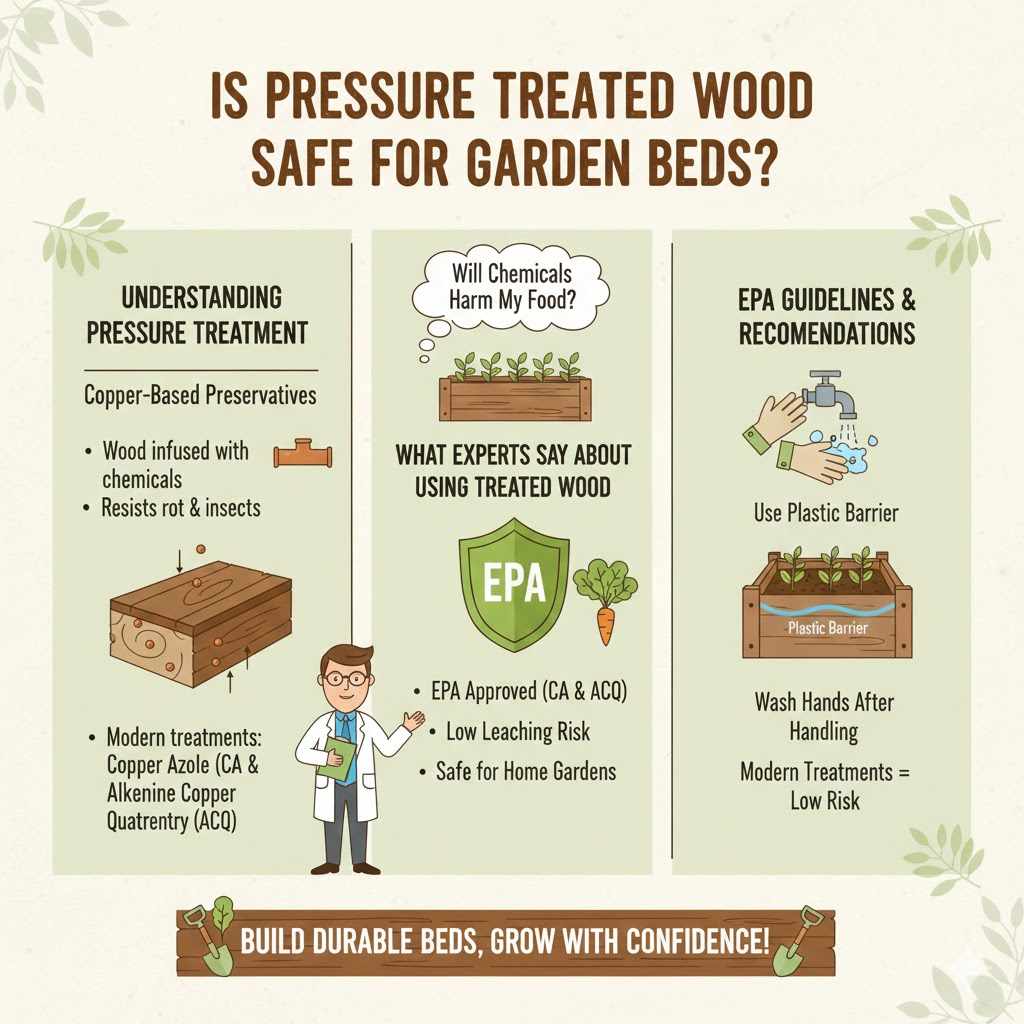
The chemicals used have changed over the years. Older treatments sometimes contained arsenic, which is a known toxin. Modern treatments typically use copper-based preservatives. These include copper azole (CA) and alkaline copper quaternary (ACQ). These are generally considered less harmful than older arsenic-based treatments.
The chemicals are forced deep into the wood fibers under high pressure. This ensures that the protection goes all the way through. This makes the wood very durable for outdoor projects.
Copper-Based Preservatives
Copper is a naturally occurring element. In pressure-treated wood, it’s combined with other chemicals to create effective preservatives. Copper azole and alkaline copper quaternary are the most common types today.
These preservatives work by making the wood toxic to fungi and insects that would otherwise cause it to rot or be eaten. The copper acts as the main protective agent, while the other chemicals help it bind to the wood and improve its effectiveness.
The concentration of these copper-based preservatives in the wood is carefully regulated. This is to ensure they are effective while also aiming to minimize any potential risks. The wood is treated to specific retention levels, meaning a certain amount of preservative must be present per cubic foot of wood.
This makes the wood ideal for outdoor uses where it will be in contact with the ground, like decks, fences, and yes, raised garden beds. The longevity it provides is a major benefit.
What Experts Say About Using Treated Wood
Many experts and government agencies have looked into the safety of using pressure-treated wood for gardens. For many years, concerns were raised about older chemicals like chromated copper arsenate (CCA). This type of treatment is no longer widely used for residential applications due to health concerns.
Current regulations and recommendations focus on the newer copper-based treatments. These are considered safe for most uses, including raised garden beds, by organizations like the Environmental Protection Agency (EPA) in the United States.
The risk of chemicals leaching into the soil is generally thought to be low, especially with newer treatments. The chemicals bind to the wood fibers, and the copper tends to stay in place. When wood is in contact with soil, some leaching can occur, but studies suggest it’s usually in very small amounts.
These amounts are typically far below levels that would pose a health risk to gardeners or consumers of the produce grown in the beds. The longevity and cost-effectiveness of treated wood are significant advantages for building garden beds that last.
EPA Guidelines and Recommendations
The United States Environmental Protection Agency (EPA) regulates pesticides, which include wood preservatives. They have evaluated the safety of various wood treatment chemicals. For residential use, especially in gardens, the EPA has approved certain types of treated wood.
Modern treatments, like those using ACQ and CA, have undergone extensive review. The EPA’s assessment is that these types of treated wood are safe for use in home gardens. They have not found significant risks from using them for raised beds.
The EPA also recommends ways to minimize any potential exposure. These include using a plastic barrier between the treated wood and the soil, and washing hands after working with the wood.
These guidelines aim to provide peace of mind for gardeners. They allow for the benefits of durable, long-lasting wood structures without undue health concerns. The focus is on modern, safer treatment methods.
Pros and Cons of Pressure Treated Wood for Raised Beds
Deciding whether to use pressure-treated wood for your raised garden beds involves weighing its advantages against potential drawbacks. It’s a popular material for good reason, but it’s important to know what you’re getting into. This way, you can choose the best option for your gardening needs and comfort level. We’ll break down the good and the not-so-good points to help you make that choice.
Advantages of Using Pressure Treated Wood
One of the biggest benefits of pressure-treated wood is its incredible durability. It is designed to resist rot, decay, and insect infestation. This means your raised beds will likely last for many years, even in damp soil conditions.
This longevity saves you money and effort in the long run. You won’t have to
The wood is also readily available at most lumber yards and home improvement stores. It comes in various sizes, making it easy to find the right materials for your project. Its affordability compared to other durable materials is another plus.
Durability and Longevity
Pressure-treated lumber is built to last. The chemicals infused into the wood actively prevent it from breaking down. Fungi and mold that cause rot have a much harder time growing on it.
Insects like termites and carpenter ants also find it unappealing. This resistance is crucial for structures that will be in constant contact with soil and moisture. Raised beds are prime candidates for these types of attacks.
A well-built raised bed made from pressure-treated wood can easily last 10 to 20 years, sometimes even longer. This is significantly longer than untreated wood, which might only last a few years before starting to rot.
This long lifespan means you invest once and enjoy your garden for a considerable time. It reduces the need for repairs or complete replacements, saving you both money and labor.
Cost Effectiveness
When you look at the total cost over time, pressure-treated wood is often more economical. While the initial purchase price might be slightly higher than untreated lumber, its extended lifespan makes it a cheaper option per year of use.
Consider the cost of building a bed with untreated wood and then having to rebuild it every few years. When you add up those costs, plus the labor involved, pressure-treated wood becomes a more budget-friendly choice.
Other materials like composite lumber or natural stone can be much more expensive upfront. Pressure-treated wood offers a good balance of affordability and performance for many DIY gardeners.
Resistance to Pests and Rot
The primary purpose of pressure treating wood is to protect it. The preservatives make the wood unattractive and toxic to wood-boring insects. This is a huge advantage for garden beds, which can be vulnerable to termites and other pests.
Rot is caused by fungi that thrive in damp environments. Raised beds, by their nature, hold moisture. Pressure-treated wood’s resistance to rot means it won’t break down quickly even when wet.
This resistance ensures the structural integrity of your garden beds. They will remain solid and functional, supporting your soil and plants without crumbling or collapsing. It’s a practical solution for areas with high humidity or rainfall.
Potential Drawbacks and Concerns
Despite its benefits, some people hesitate to use pressure-treated wood for raised beds due to potential chemical concerns. While modern treatments are considered safe, some gardeners prefer to avoid them altogether.
There’s a small risk of chemicals leaching into the soil over time. Although studies show these amounts are usually minimal, it’s a factor for those growing edibles. The visual appeal of treated wood can also be a drawback for some, though it can be painted or stained.
Chemical Leaching Concerns
The main concern for many gardeners is whether the preservatives can leach out of the wood and into the soil. If these chemicals enter the soil, they could potentially be absorbed by plants. This raises questions about the safety of eating produce grown in these beds.
However, extensive research has been conducted on this topic. For modern pressure-treated wood that uses copper-based preservatives, the leaching levels are generally very low. The chemicals bind tightly to the wood fibers.
When wood is in direct contact with soil, some minimal leaching can occur. But the amounts are typically so small that they are not considered a health risk. The copper compounds are also relatively immobile in soil, meaning they don’t spread easily.
For extra peace of mind, many people choose to use a barrier. This can be a thick plastic sheeting or landscape fabric placed between the wood and the soil. This further reduces any potential contact.
Aesthetic Considerations
Pressure-treated wood often has a greenish or brownish tint from the preservatives. Some people find this color less attractive than the natural look of unstained wood. It can make garden beds look less organic or rustic.
However, this is a purely visual concern and doesn’t affect the functionality of the wood. Many solutions exist to improve its appearance. You can paint or stain pressure-treated wood to match your desired garden aesthetic.
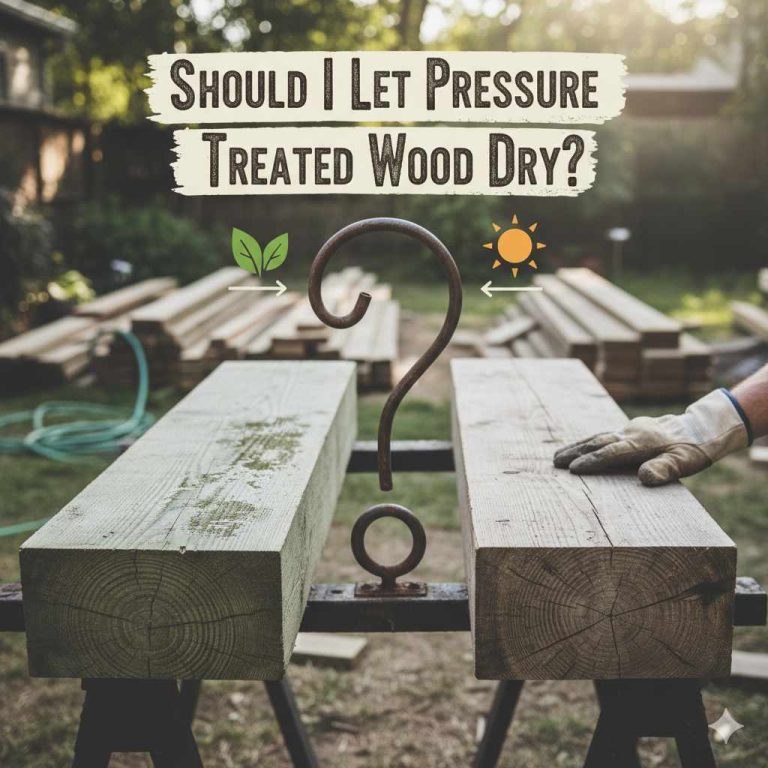
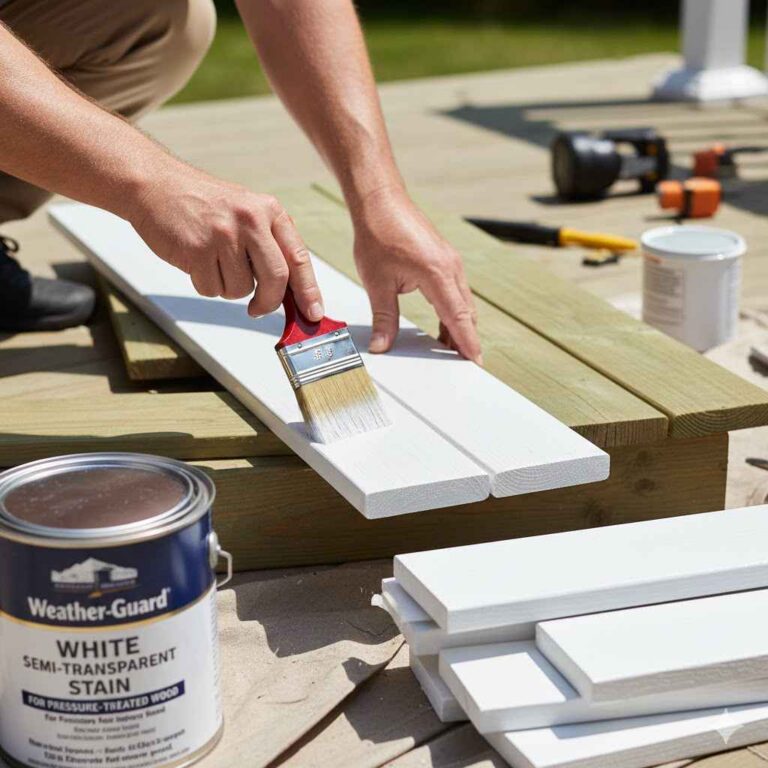
When painting or staining, it’s important to use products that are safe for outdoor use and compatible with treated wood. Allow the wood to dry out for a few weeks after purchase before applying any finish. This helps ensure good adhesion.
Environmental Impact
While pressure-treated wood is durable, the chemicals used in its production and eventual disposal can have environmental impacts. The manufacturing process involves chemicals, and the end-of-life disposal of treated wood requires careful consideration.
However, it’s important to weigh this against the impact of alternative materials. For example, untreated wood might need frequent replacement, leading to more waste and resource use over time.
Many manufacturers are also working to develop more environmentally friendly treatment processes. The focus is on reducing the toxicity of the chemicals and improving the recyclability of the treated wood.
Alternatives to Pressure Treated Wood for Raised Beds
If you’re still hesitant about using pressure-treated wood, there are many other excellent materials available for building raised garden beds. These alternatives offer different benefits in terms of appearance, durability, and environmental impact. Exploring these options can help you find the perfect fit for your garden’s needs and your personal preferences. Let’s look at some of the most popular choices.
Untreated Lumber Options
Untreated wood is a natural choice for gardeners who want to avoid chemicals entirely. However, it’s important to understand that untreated wood will not last as long as pressure-treated lumber. You’ll need to choose wood types that are naturally more resistant to rot and decay.
Cedar and redwood are excellent choices for untreated raised beds. They contain natural oils and compounds that make them resistant to insects and rot. While they are more expensive than pine or fir, they will last much longer.
You can also extend the life of untreated wood by using protective sealants or liners. Properly maintaining your beds will also help them last longer.
Cedar and Redwood
Cedar and redwood are naturally resistant to decay and insect damage. This is due to the presence of natural oils and tannins within their wood fibers. These compounds act as a built-in defense against rot and pests.
Because of this natural resistance, cedar and redwood are excellent choices for raised garden beds, especially if you want to avoid treated wood. They offer a beautiful, natural look that many gardeners prefer.
However, these woods are generally more expensive than pine or fir. The cost can be a significant factor for larger garden bed projects. Despite the higher initial cost, their longevity can make them a cost-effective choice over the long term, as they will outlast most untreated softwoods.
The appearance of cedar and redwood is also a major draw. They have a warm, inviting color that blends well with natural landscapes. Over time, they will weather to a soft gray, which many find aesthetically pleasing.
Douglas Fir and Pine
Douglas fir and pine are more affordable options for building raised garden beds. They are widely available and easy to work with. However, they are not naturally resistant to rot or insects.
If you choose to use these types of wood, you must take steps to protect them. Untreated pine or fir in direct contact with soil will likely rot within a few years.
To make them last longer, you can use a liner. A heavy-duty plastic sheeting or landscape fabric placed between the wood and the soil will help prevent moisture from reaching the wood. You can also treat the wood yourself with a food-safe sealant or oil.
These woods are a good choice if budget is a primary concern or if you plan to replace your beds every few years. They provide a functional structure for your garden beds at a lower initial cost.
Composite Lumber
Composite lumber is made from a mixture of wood fibers and plastic. It is often used for decks and outdoor furniture and can be a good option for raised garden beds. It is highly durable and resistant to rot, decay, and insect damage.
Composite lumber is also low maintenance. It doesn’t require painting or staining, and it’s easy to clean. The plastic component makes it very resistant to moisture.
However, composite lumber can be more expensive than traditional lumber. It’s also heavier and can be more challenging to cut and install. The aesthetic of composite lumber can also be a concern for some gardeners, as it may not look as natural as real wood.
Durability and Maintenance
Composite lumber is renowned for its durability and low maintenance requirements. It is resistant to warping, cracking, and splintering, which are common issues with natural wood. The plastic content in composite materials means it won’t rot or be damaged by insects.
This makes it an ideal material for raised garden beds that are exposed to the elements and soil moisture. You won’t have to worry about yearly sealing or staining. Cleaning is usually as simple as a rinse with water or a mild soap solution.
This longevity and lack of upkeep can save you time and money over the years. You invest in the material once, and it will perform well for a very long time without constant attention.
Environmental Considerations of Composites
The environmental impact of composite lumber is a mixed bag. On one hand, it often uses recycled materials, such as plastic bottles and wood scraps, which diverts waste from landfills. This can be a significant environmental benefit.
On the other hand, the production of composite materials involves plastic, which is derived from fossil fuels. The manufacturing process itself can also have an energy footprint.
When considering composite lumber, look for products that are made with a high percentage of recycled content and from responsible manufacturers. Some companies also offer take-back programs for their products at the end of their lifespan.
Metal Raised Beds
Metal raised beds have become increasingly popular in recent years. Materials like galvanized steel or corrugated metal offer a modern, industrial look. They are very durable and can last for many years.
Metal beds are resistant to rot and insects, and they don’t require much maintenance. They can also heat up in the sun, which can be beneficial in cooler climates by extending the growing season.
However, metal beds can be more expensive upfront than wood. They can also be prone to rust if the protective coating is damaged. You might also need to consider how the metal will affect soil temperature, especially in very hot climates.
Galvanized Steel and Corrugated Metal
Galvanized steel is a type of steel that has been coated with a layer of zinc. This zinc coating protects the steel from rust and corrosion, making it an excellent material for outdoor use. Corrugated metal sheets are often used to construct raised beds.
These beds are very sturdy and can withstand the weight of soil and plants. They are also resistant to pests and rot, offering a long lifespan. The modern aesthetic of metal beds appeals to many gardeners.
When choosing galvanized steel, look for higher gauge metal, which indicates thicker material and greater durability. Some concerns exist about the zinc coating potentially leaching into the soil over time, though this is generally considered minimal and less concerning than older wood treatments.
The metal can get quite hot in direct sunlight, which might be a benefit in cooler regions for extending the growing season. However, in very hot climates, this heat could potentially stress plant roots if not managed properly.
Durability and Rust Resistance
Metal raised beds are known for their exceptional durability. When made from materials like galvanized steel, they offer excellent resistance to rust and corrosion. The zinc coating acts as a sacrificial layer, corroding before the steel does.
This makes them ideal for garden environments where they are constantly exposed to moisture. Unlike wood, they won’t rot or become a target for insects. The structural integrity of metal beds can last for decades with proper care.
To ensure maximum lifespan, it’s wise to check the quality of the galvanization. If you notice any scratches or chips in the coating, consider touching them up with a suitable metal paint or sealant to prevent rust from starting.
Building Your Raised Beds Safely
If you decide to use pressure-treated wood for your raised garden beds, there are simple steps you can take to ensure safety. These methods help minimize any potential risks and give you peace of mind. It’s all about building smartly and protecting your garden. We will walk through these easy practices.
Choosing the Right Treated Wood
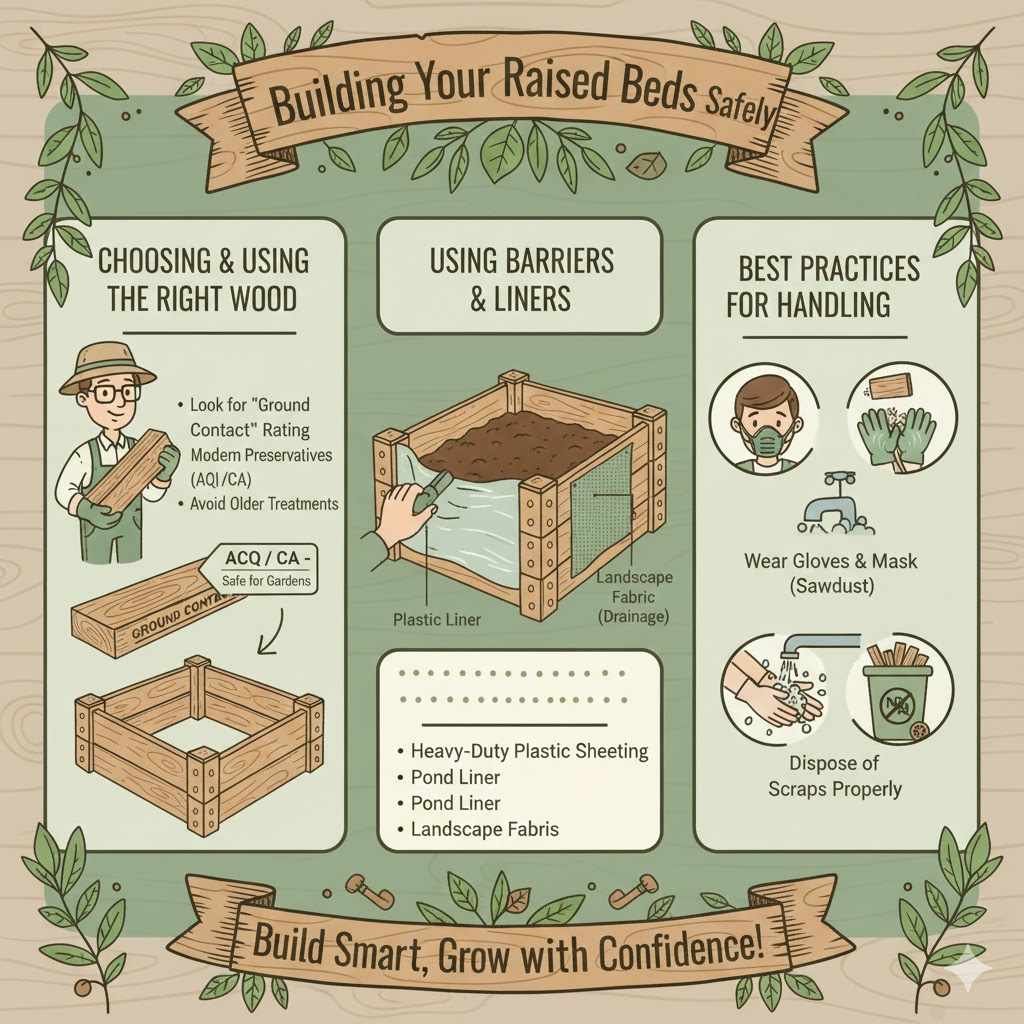
Not all pressure-treated wood is created equal, and it’s important to choose the right type for your garden. Look for wood that is rated for ground contact. This indicates it has been treated to a higher level of retention, making it more durable in your garden beds.
Most modern pressure-treated lumber available today uses copper-based preservatives like ACQ or CA. These are considered safe for garden use by regulatory agencies. Avoid older wood treatments that may contain arsenic.
Always check for the proper treatment stamps on the wood. These stamps indicate the type of treatment used and the retention level. This information helps you make an informed choice.
Modern Preservatives ACQ and CA
When you’re shopping for pressure-treated wood, you’ll want to look for lumber treated with ACQ (Alkaline Copper Quaternary) or CA (Copper Azole). These are the most common and widely approved preservatives for residential use today. They have replaced older treatments like CCA (Chromated Copper Arsenate) in many applications.
ACQ and CA use copper as their primary active ingredient. This copper, along with other co-biocides, makes the wood resistant to fungal decay and insect attack. These treatments are considered safe for use in contact with soil.
Regulatory bodies like the EPA have reviewed these treatments and found them to be suitable for garden beds. The copper in these preservatives binds well to the wood fibers, reducing the risk of significant leaching into the soil.
Ground Contact Ratings
When selecting pressure-treated wood for raised garden beds, it’s important to choose lumber rated for “ground contact.” This rating signifies that the wood has been treated to withstand direct and prolonged contact with soil.
Wood treated for ground contact has a higher retention of preservatives compared to wood treated for above-ground use. This higher level of treatment ensures better resistance to rot and insect damage in the challenging conditions of a garden bed.
This rating is typically indicated on the end tag or stamp of the lumber. Look for labels that specify “ground contact” or GC. Using wood rated for ground contact will ensure your raised beds are as durable and long-lasting as possible.
Using Barriers and Liners
To further ensure safety and prevent any potential chemical transfer, you can use barriers between the treated wood and the soil. A simple plastic liner is a very effective way to do this.
Heavy-duty plastic sheeting, like pond liner or thick polyethylene, can be stapled to the inside of the raised bed walls. This creates a physical barrier. It stops soil from coming into direct contact with the treated wood.
This simple step adds an extra layer of protection. It gives you extra confidence that your soil and the produce you grow will remain free from any unwanted chemicals. It also helps keep the soil contained within the bed.
Plastic Sheeting or Pond Liner
A very effective way to create a barrier between pressure-treated wood and your garden soil is by using heavy-duty plastic sheeting or pond liner. These materials are waterproof and impermeable, creating a solid shield.
Simply cut pieces of the plastic to fit the inside walls of your raised beds. Staple them securely to the wood. Ensure the liner extends from the top edge of the bed down to the bottom.
This physical barrier prevents direct contact between the soil and the treated wood. While modern treatments have low leaching rates, this method offers an additional layer of reassurance for gardeners concerned about chemical transfer. It also helps prevent soil from washing out through small gaps in the wood.
Landscape Fabric
Heavy-duty landscape fabric can also be used as a liner, though it’s generally less impermeable than plastic. While it allows for some drainage and air circulation, it still acts as a physical barrier between the wood and the soil.
It’s important to use a thick, high-quality landscape fabric designed for long-term outdoor use. This will ensure it holds up against the pressure of the soil and the moisture.
Staple the fabric securely to the inside of the raised bed walls. Make sure there are no large gaps where soil could escape or directly contact the wood. Landscape fabric is a good option if you’re also concerned about soil retention and want some level of drainage.
Best Practices for Handling Treated Wood
When working with pressure-treated wood, it’s important to follow safe handling practices. This includes wearing gloves and a mask when cutting or sanding the wood, and washing your hands thoroughly afterward.
Sawdust from treated wood can be irritating. It’s best to cut the wood outdoors or in a well-ventilated area. Avoid burning treated wood, as this can release harmful chemicals into the air.
Proper disposal of scraps is also important. Do not use them for mulch or compost. Check with your local waste disposal service for guidelines on how to dispose of treated wood properly.
Wearing Gloves and Masks
When cutting, drilling, or sanding pressure-treated wood, it’s crucial to wear protective gear. This includes sturdy work gloves to protect your skin from any potential chemical residue or splinters.
You should also wear a dust mask or respirator. Sawdust produced from treated wood can contain small amounts of the preservatives. Inhaling this sawdust should be avoided.
Working in a well-ventilated area, preferably outdoors, will further minimize exposure. These simple precautions help ensure your safety while you’re building your raised garden beds.
Washing Hands Thoroughly
After handling pressure-treated wood, it’s essential to wash your hands thoroughly with soap and water. This removes any residual dust or chemicals that may have come into contact with your skin.
Pay attention to washing under your fingernails as well. This practice is recommended by health organizations to prevent accidental ingestion of any lingering particles, especially before eating or drinking.
It’s a simple step that adds an important layer of safety. This ensures you are not carrying any potential contaminants from the wood to other surfaces or into your home.
Disposing of Scraps
Dispose of any leftover pieces or sawdust from pressure-treated wood responsibly. Do not burn treated wood, as this releases toxic chemicals into the air. Also, avoid adding them to your compost bin or using them as mulch.
Many local landfills or waste disposal centers have specific procedures for treated wood. Check with your local authorities for proper disposal methods in your area. This ensures that the treated wood waste is handled in an environmentally sound way.
Can I Use Pressure Treated Wood for Raised Beds Frequently Asked Questions
Question: Are modern pressure treated woods safe for vegetable gardens
Answer: Yes, modern pressure treated woods, especially those treated with copper-based preservatives like ACQ and CA, are generally considered safe for vegetable gardens by regulatory bodies like the EPA. Their use is often recommended for raised beds due to their durability.
Question: What if I am still worried about chemicals in my raised beds
Answer: If you are still concerned, you can use a barrier like heavy-duty plastic sheeting or pond liner between the treated wood and the soil. This creates a physical separation, further reducing any potential contact.
Question: How long do pressure treated wood raised beds usually last
Answer: Pressure treated wood raised beds, when properly constructed and maintained, can last for 10 to 20 years or even longer. Their resistance to rot and insects significantly extends their lifespan compared to untreated wood.
Question: Can I eat produce grown in raised beds made with pressure treated wood
Answer: Yes, numerous studies indicate that the amount of chemical leaching from modern pressure-treated wood into the soil is minimal and not considered a health risk to plants or people consuming the produce. Using a barrier provides additional reassurance.
Question: Where can I find information on the type of treatment used on my wood
Answer: Look for stamps or end tags on the lumber itself. These usually indicate the type of preservative used (e.g., ACQ, CA) and whether it’s rated for ground contact. Reputable lumber suppliers can also provide this information.
Summary
So, can I use pressure treated wood for raised beds? The answer is yes, with modern treatments. You can build durable, long-lasting garden beds using ACQ or CA preserved wood. For extra peace of mind, use plastic liners and follow safe handling practices. Your garden will thrive with these sturdy beds for years to come.