Is Severe Weather Wood the Same as Pressure-Treated Wood?
Severe Weather is Lowe’s own brand name for pressure-treated Southern Yellow Pine — it is pressure-treated wood, not a separate species, treated with the Ecolife preservative. Buying the wrong version costs real money: standard Severe Weather boards are rated AWPA Use Category UC3B for above-ground use only, and using one for a ground-contact post can void the lifetime warranty. This guide covers what Ecolife actually changes, which fasteners it requires, and when you need the Ground Contact version instead.
Is Severe Weather Wood a Different Type of Wood Than Pressure-Treated?
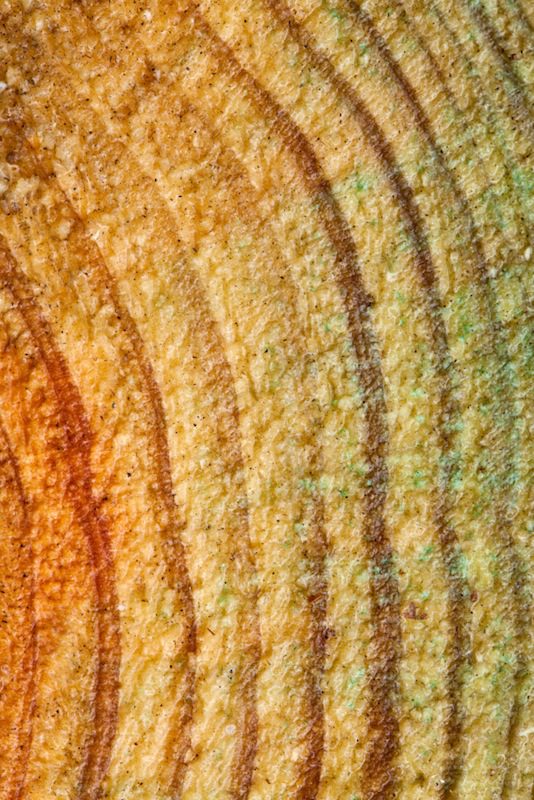
Severe Weather is a brand, not a species. It’s Southern Yellow Pine pressure-treated at the mill, then finished with Lowe’s exclusive Ecolife preservative system (active ingredient DCOI, a non-metallic wood preservative). “Pressure-treated wood” is the umbrella category — the process of forcing preservative into lumber under pressure in a sealed cylinder. Severe Weather is one specific branded product inside that category, sold only at Lowe’s, differentiated by an added water-repellent stabilizer that generic pressure-treated lumber does not include.
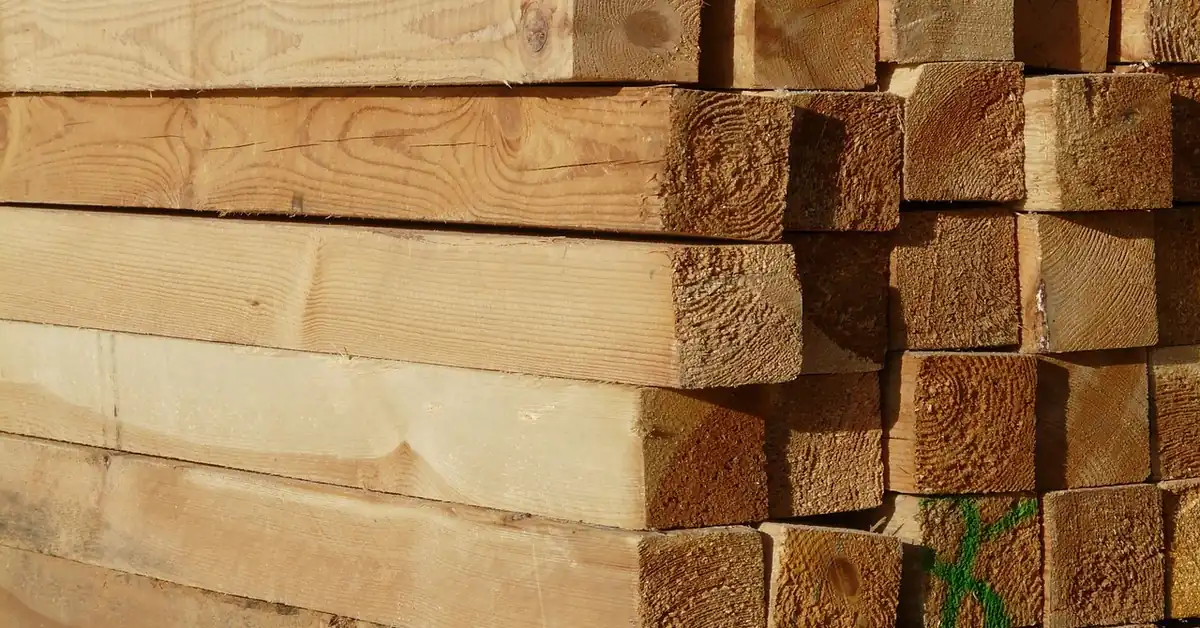
A generic 2×6 pressure-treated joist from any lumberyard and a Severe Weather 2×6 from Lowe’s went through the same basic pressure-treatment process — both fall under the broader treated wood category. The difference is the specific preservative chemistry and the added stabilizer — not whether the wood was “treated” at all. Lowe’s isn’t the only retailer with a branded treated-lumber line, either — see our Yellawood vs. pressure treated comparison for how a different branded product stacks up.
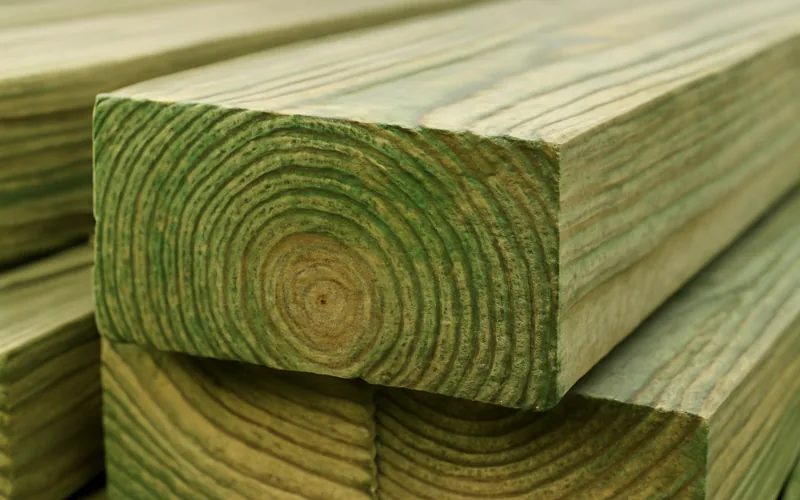
Above-Ground vs. Ground Contact: The Distinction Most Buyers Miss
Standard Severe Weather lumber (the Ecolife line) is rated AWPA Use Category UC3B — above-ground use only, per the manufacturer’s own product documentation. It is not approved for direct soil contact. Lowe’s sells a separate Severe Weather Ground Contact line, treated with a different preservative (typically MCA or CA-C) and rated UC4A, for posts, footers, and anything within 6 inches of the ground. Using the standard above-ground boards for a buried post is the single most common mistake buyers make with this product.
| Product | Preservative / AWPA Rating | Best For |
|---|---|---|
| Severe Weather (Ecolife) | DCOI, non-metallic — UC3B | Deck boards, railings, fence pickets (6"+ above grade) |
| Severe Weather Ground Contact | MCA / CA-C — UC4A | Deck posts, footers, anything touching soil |
| Generic pressure-treated lumber | ACQ or MCA (copper-based) — UC3B or UC4A per label | Framing, budget above-ground or ground-contact use |
📊 Ecolife-treated Severe Weather lumber reduces cracking, checking, and splitting by up to 50% versus standard treated wood, and doesn’t need resealing for up to 2 years. — Source: Treatedwood.com, Ecolife product page (Lonza)
What Fasteners Do You Need for Severe Weather Wood?
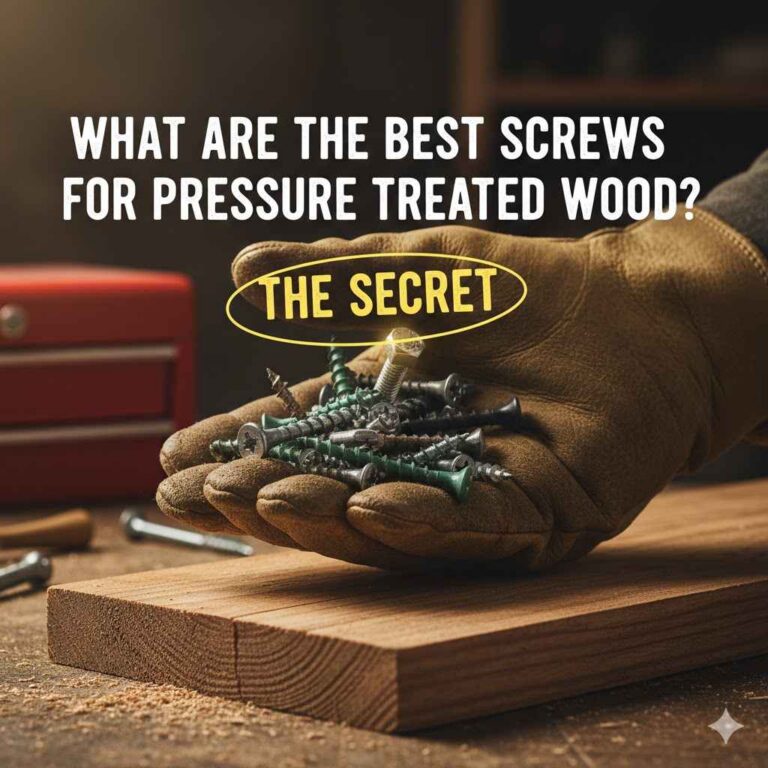
Use hot-dip galvanized or stainless steel fasteners in any pressure-treated lumber, including Severe Weather. The preservative chemistry that protects the wood is also what corrodes standard steel screws and nails over time. One real advantage of Ecolife specifically: the manufacturer states it is less corrosive to fasteners and connectors than older copper-based treatments, and it’s rated safe for direct contact with aluminum — but that only applies to the Ecolife line itself, not to generic ACQ-treated lumber, which still requires the same galvanized-or-stainless rule. For coastal installations, use code-approved stainless steel. See our guide to coated screws for pressure-treated wood for a full breakdown by coating type.
Best Deck Screw Pick for Pressure-Treated Wood
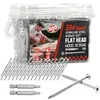
304 Stainless Steel Deck Screws (500-Pack) – $56.99
Rated for pressure-treated lumber and includes T25 star drive bits — matches the hot-dip galvanized/stainless requirement this guide covers for Severe Weather and generic PT boards alike.
- Best for: Full deck or fence builds where corrosion resistance matters most
- Why we picked it: 304-grade stainless outperforms coated steel in wet climates, and the bulk pack covers a full deck
- Main drawback: Costs more upfront than coated deck screws of the same count
Compare more deck screw options
 Option 1 304 SS Deck Screws (80-Pack) – $9.99
|
 Option 2 Power Pro Marine Screws (79-ct) – $29.99
|
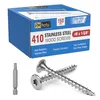 Option 3 410 Grade SS Screws (150-Pack) – $17.99
|
As an Amazon Associate we earn from qualifying purchases.
Durability in Extreme Weather
Both hold up well outdoors because both are pressure-treated — the preservative is what stops rot and insect damage, not the brand name. Severe Weather’s Ecolife treatment adds a water-repellent stabilizer on top of that base protection, which is why it markets specifically on reduced cracking, checking, and warping versus a bare, untreated-looking PT board. Southern Yellow Pine (the species used for both) is naturally dense and absorbs preservative deeply and evenly, which is part of why it was chosen as the base stock for both product lines.
Temperature swings affect any wood’s dimensional stability. The Ecolife stabilizer specifically targets this — reducing the checking and splitting that comes from repeated wet/dry, hot/cold cycles — which is the main functional upgrade Severe Weather offers over a generic treated board of the same species and thickness.
Environmental Considerations
Both products are chemically preserved — neither is “natural” or untreated. The real environmental difference is in preservative chemistry, not presence-or-absence of chemicals. Ecolife’s active ingredient (DCOI) is non-metallic, while older or generic pressure-treated lumber commonly uses copper-based preservatives like ACQ or MCA. Neither should be burned, and treated offcuts should go to a landfill rather than a wood-chipper or compost pile, since preservative residue can concentrate in sawdust and ash.
Cost Analysis
Severe Weather boards typically cost more upfront than a bare generic pressure-treated board of the same dimension — you’re paying for the added Ecolife stabilizer. Over a multi-year deck or fence life, that premium can offset itself through fewer repairs from cracking and warping, but it is not free money: a well-sealed generic PT board, resealed every year or two as recommended for any treated lumber, closes most of the durability gap. If your budget is the deciding factor, see our guide to affordable pressure-treated lumber options for lower-cost approaches.
Applications and Best Uses
Use standard Severe Weather (Ecolife) boards for anything at least 6 inches above grade: deck boards, railings, fence pickets, and above-ground framing. Switch to the Ground Contact version, or a generic UC4A-rated board, for posts, footers, and any structural member touching or buried in soil. Indoors, pressure-treated lumber of either kind is mainly used in basements and garages for sill plates and moisture-prone framing — it’s rarely used for visible interior trim because the preservative tint and texture don’t match typical interior finishes.
Safety Concerns
Wear gloves when handling any pressure-treated lumber, and wash your hands before eating or drinking. Keep treated offcuts away from food-contact surfaces and away from children. When cutting or sanding, wood dust — treated or not — can irritate lungs; wear a dust mask and cut outdoors or with dust collection where possible. Safety goggles protect your eyes from flying debris during cuts.
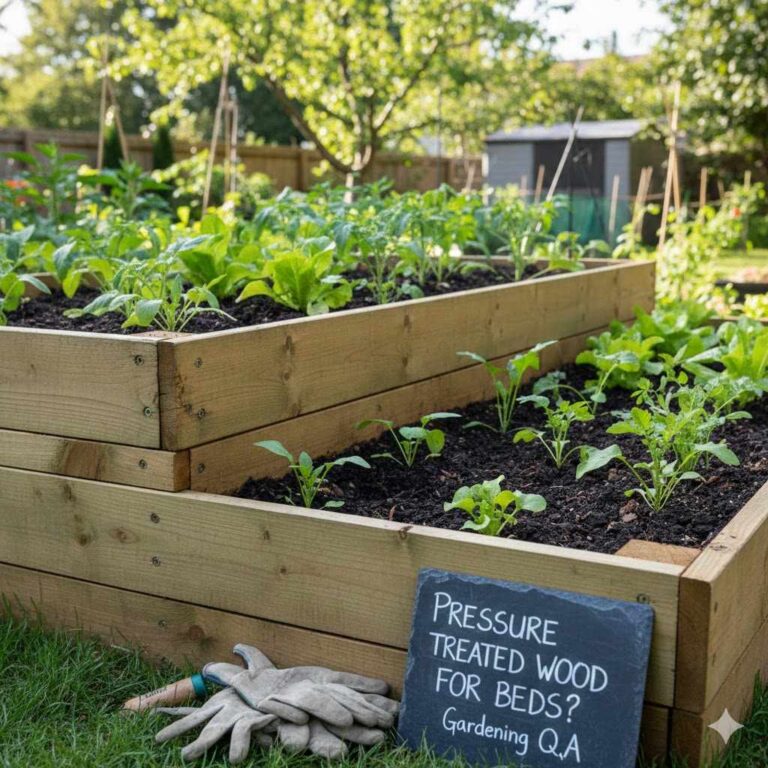
Long-term, repeated inhalation of any wood dust is linked to respiratory irritation, which is why dust control matters regardless of preservative type. Avoid using pressure-treated lumber of any brand for surfaces that will directly contact food (cutting boards, raised garden beds for edible crops) unless the product is specifically labeled food-safe.
“Ecolife significantly minimizes cracking, checking and splitting by up to 50%, and eliminates the need to reseal the wood for up to two years.”
— Lonza, official Ecolife/Severe Weather product documentation, treatedwood.com
Frequently Asked Questions
Is Severe Weather Wood the Same as Pressure-Treated Wood?
Yes. Severe Weather is Lowe’s own brand name for pressure-treated Southern Yellow Pine finished with the Ecolife preservative system. It is not a separate wood species or category — it’s one specific branded product inside the broader pressure-treated lumber category.
What Is Severe Weather Wood?
Severe Weather is Lowe’s exclusive line of pressure-treated lumber, treated with the Ecolife preservative (active ingredient DCOI) and a built-in water-repellent stabilizer. It’s rated AWPA Use Category UC3B for above-ground use in decks, railings, and fencing.
Can You Use Severe Weather Wood for Ground Contact?
No, not the standard Ecolife-treated version — it’s rated for above-ground use only. Lowe’s sells a separate Severe Weather Ground Contact line treated with a different preservative (MCA or CA-C) and rated UC4A for posts, footers, and anything touching soil.
What Fasteners Should You Use With Severe Weather Wood?
Use hot-dip galvanized or stainless steel screws and nails. The preservative that protects the wood also corrodes standard steel fasteners over time. Ecolife specifically is less corrosive to connectors than older copper-based treatments and is rated safe for direct contact with aluminum.
How Long Should You Wait Before Painting or Staining It?
Most pressure-treated lumber, including Severe Weather, needs about 60 days to dry before staining or painting, though this varies by climate and board moisture content. See our dedicated guide on staining vs. painting pressure-treated wood for the full timeline and prep steps.
Which Wood Lasts Longer Outdoors?
Properly rated pressure-treated wood — matched to its use category — lasts longer outdoors than untreated wood of the same species, typically 20-40 years depending on climate and maintenance. Between Severe Weather and generic pressure-treated lumber, longevity depends more on matching the product’s use-category rating to the application (above-ground vs. ground contact) than on brand alone.
Conclusion
Severe Weather wood is pressure-treated wood — specifically, Lowe’s branded Ecolife-treated Southern Yellow Pine, rated for above-ground use only. Choose the standard version for decking, railings, and fencing 6 inches or more off the ground; choose the Ground Contact version, or a generic UC4A-rated board, for posts and footers. Pair either one with hot-dip galvanized or stainless steel fasteners, and budget for the Ecolife premium only if reduced cracking and a longer reseal interval matter for your project.
Sponsored / affiliate links. As an Amazon Associate I earn from qualifying purchases. I may earn additional commission from eligible campaigns.