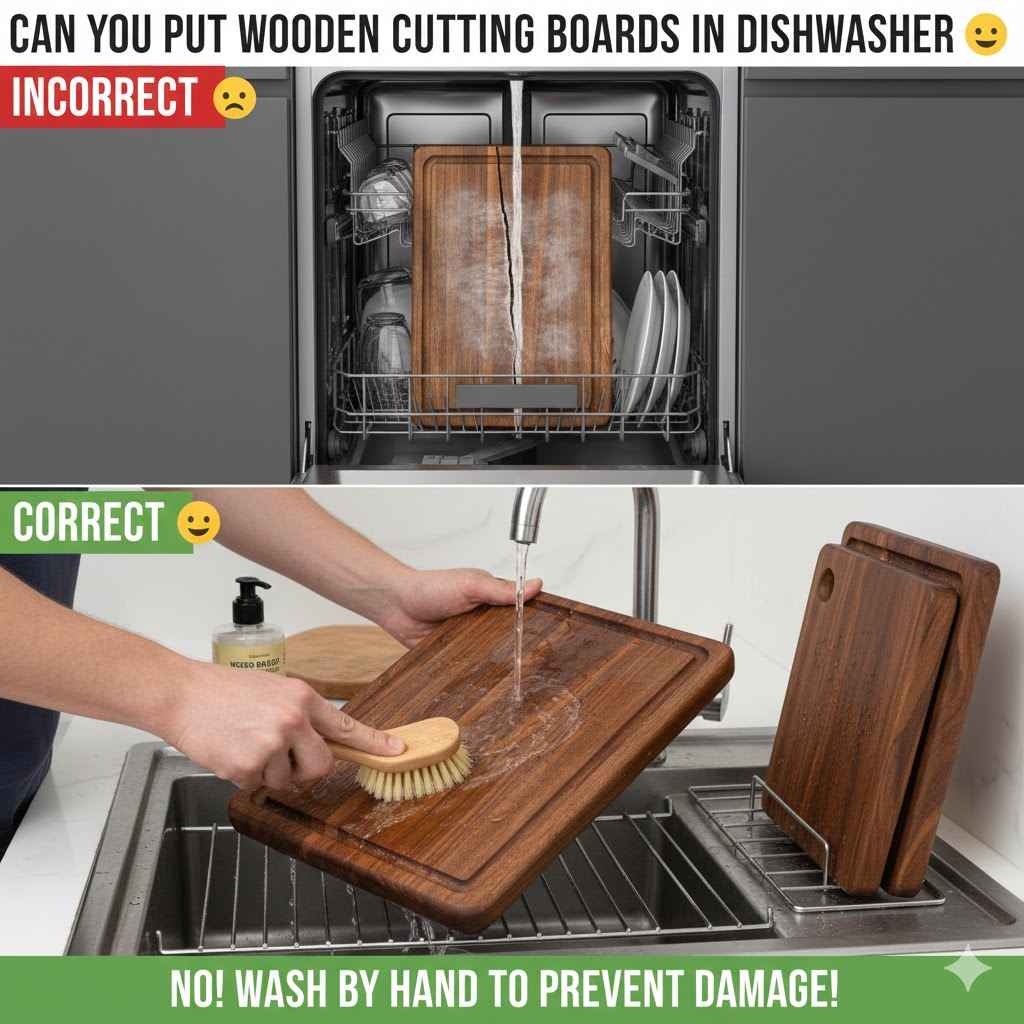
Can You Put Wooden Cutting Boards in Dishwasher
Many home cooks wonder, Can You Put Wooden Cutting Boards in Dishwasher? It might seem like a quick way to get them clean, but it’s not always the best idea for your favorite wooden boards. Beginners often face this question because they want the easiest cleaning method. Don’t worry, though!
We’ll show you exactly how to clean and care for your wooden cutting boards so they last for years. Get ready to learn some simple tips and tricks that will make keeping your kitchen tools in top shape super easy.
Why Dishwashers Are Risky for Wooden Cutting Boards
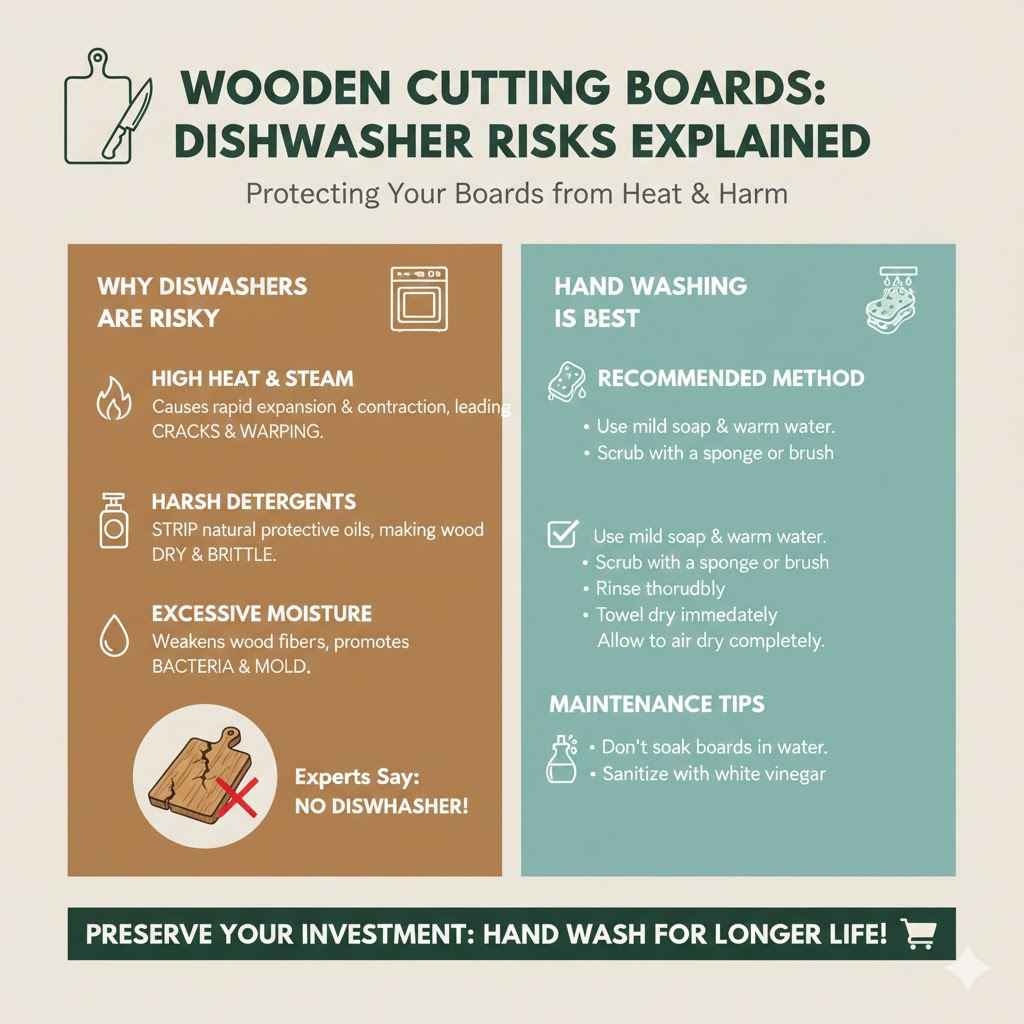
The question of whether you Can You Put Wooden Cutting Boards in Dishwasher is a common one because the dishwasher offers convenience. Dishwashers use high heat and strong detergents, which can be harsh on natural materials like wood. These conditions can strip away the natural oils in the wood, leading to drying out and cracking.
The intense moisture can also cause the wood to warp or split, ruining its shape and function. Furthermore, repeated exposure to hot water and soap can degrade the wood fibers over time, making them more prone to harboring bacteria. Many experts and woodworkers advise against it.
The Effects of Heat and Detergent on Wood
High temperatures in a dishwasher, often reaching over 150 degrees Fahrenheit, are detrimental to wood. This heat causes the wood to expand and contract rapidly. This constant shifting can create small cracks and fissures, especially if the wood isn’t properly seasoned.
Specialized detergents used in dishwashers are also a concern. These are designed to cut through grease and food residue, but they can also strip the wood of its natural protective oils. These oils are vital for keeping the wood moisturized and preventing it from drying out and becoming brittle.
The combination of heat and harsh chemicals can accelerate the aging process of a wooden cutting board. Instead of looking smooth and well-maintained, the board might start to appear dull, rough, and uneven. This not only affects its aesthetic appeal but also its performance.
A dry, cracked board is harder to clean thoroughly and can be a breeding ground for germs. This is why understanding the “Can You Put Wooden Cutting Boards in Dishwasher” question involves looking at the science behind wood and cleaning.
- Moisture Damage: Wood absorbs water. Dishwashers use a lot of water, even in heated drying cycles. This excess moisture can penetrate deep into the wood. Over time, this can lead to swelling and then shrinking as it dries. This cycle weakens the wood structure.
- Detergent Stripping Oils: Dishwasher detergents are powerful. They are made to remove tough food particles and grease. However, they also remove the natural oils that keep wood flexible and protected. Without these oils, the wood becomes dry and prone to damage.
- Warping and Cracking: The rapid changes in temperature and moisture within a dishwasher cause wood to expand and contract unevenly. This can result in the board warping, becoming uneven, or developing unsightly cracks. These imperfections can make the board unusable and unhygienic.
Why Hand Washing is Recommended
Hand washing is the preferred method for cleaning wooden cutting boards because it offers precise control over the cleaning process. You can use milder soaps and control the amount of water. This gentle approach helps preserve the wood’s natural oils and structural integrity.
It allows you to clean the board effectively without subjecting it to extreme conditions. This method ensures your cutting board remains functional and beautiful for a long time.
When you hand wash, you can easily rinse away food particles and soap residue. This thorough rinsing is crucial for hygiene. You also have the opportunity to inspect the board for any wear and tear.
This allows for timely maintenance, such as oiling, which is vital for wooden boards. The controlled environment of hand washing is key to prolonging the life of your cutting boards and answering the “Can You Put Wooden Cutting Boards in Dishwasher” question with a clear ‘no’.
The Durability of Different Wood Types
Not all wood is created equal when it comes to cutting boards. Some hardwoods, like maple, walnut, and cherry, are naturally dense and less porous. This makes them more resistant to absorbing moisture and bacteria.
They can withstand more use and occasional minor mishaps. However, even these durable woods can suffer damage if exposed to harsh dishwasher cycles. Softer woods or those with open grains are even more susceptible to harm from dishwashers.
For instance, bamboo, while often marketed as a sustainable option, can be manufactured in ways that make it more prone to splitting in dishwashers. End-grain cutting boards, known for their self-healing properties, are also best kept out of the dishwasher. Their construction involves gluing many small pieces of wood together, and this glue can weaken and fail under high heat and moisture.
Understanding the wood type helps clarify why the answer to “Can You Put Wooden Cutting Boards in Dishwasher” often depends on the material’s inherent properties.
Safe and Effective Wooden Cutting Board Cleaning Methods
When considering “Can You Put Wooden Cutting Boards in Dishwasher“, the safest answer is always no. Instead, opt for methods that preserve the wood. Hand washing is paramount.
Use a mild dish soap and warm water. Scrub gently with a soft sponge or brush. Rinse thoroughly.
For tougher stains or odors, a paste of baking soda and water can work wonders. After washing, dry it immediately with a clean towel. This prevents water from sitting on the surface.
Proper drying is as important as washing. Never let a wooden cutting board air dry completely, especially in a damp environment. This can still lead to warping or cracking.
Always follow up washing with immediate towel drying. Then, allow it to air dry in a well-ventilated spot. Leaning it against a wall or placing it on a drying rack works well.
This ensures all sides get exposed to air and dry evenly. This prevents moisture from getting trapped and causing issues.
Hand Washing Techniques Explained
To hand wash your wooden cutting board, start by scraping off any large food debris. Then, use a soft sponge or cloth with a small amount of mild dish soap and warm water. Gently scrub both sides of the board.
Pay attention to any deep grooves or areas where food might get stuck. Rinse the board thoroughly under running warm water. Ensure all soap residue is washed away.
This prevents soap from soaking into the wood. It also helps remove food particles effectively.
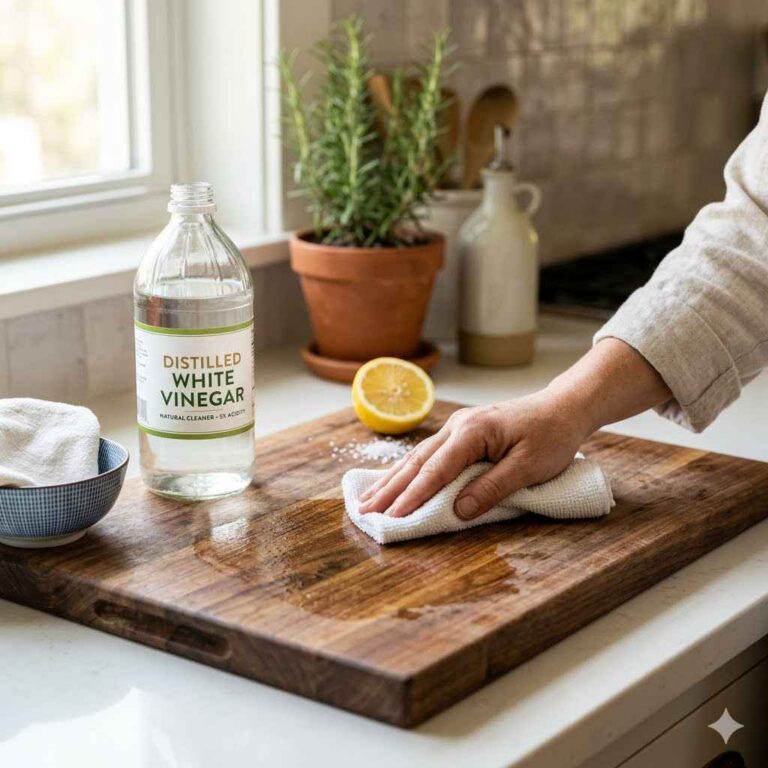
For sanitizing, you can use a diluted vinegar solution or lemon juice. White vinegar is a natural disinfectant. You can wipe down the board with a cloth dipped in a 1:1 solution of water and white vinegar.
Lemon juice can also help kill bacteria and remove odors. After applying, let it sit for a few minutes, then rinse again. These methods are effective without being harsh on the wood.
They are a key part of answering “Can You Put Wooden Cutting Boards in Dishwasher” with a safe alternative.
After washing and rinsing, it’s crucial to dry the board immediately and completely. Use a clean, absorbent towel to wipe down all surfaces. Get into any crevices.
Then, prop the board up on its side or use a drying rack. This allows air to circulate around the entire board. This ensures even drying and prevents any part of the wood from staying wet for too long.
Proper drying is a critical step in maintaining the board’s condition.
Dealing with Stains and Odors
Wood can absorb stains and odors from foods like garlic, onions, or berries. To tackle these issues, a paste made from baking soda and water is very effective. Apply this paste to the stained or smelly areas.
Let it sit for about 5-10 minutes. Then, scrub gently with a brush or sponge. Rinse thoroughly with warm water.
For persistent odors, you can also rub a halved lemon over the surface and let it sit before rinsing. This combination is a natural and safe way to refresh your board.
Another method for odor removal involves using coarse salt. Sprinkle a generous amount of salt over the entire surface of the cutting board. Then, use a damp sponge or cloth to scrub the salt into the wood.
The salt acts as a mild abrasive and helps lift away odor-causing particles. Rinse the board well and dry it as usual. These techniques are excellent alternatives to the harshness of a dishwasher and reinforce why “Can You Put Wooden Cutting Boards in Dishwasher” is generally not advised.
The Importance of Seasoning Wooden Cutting Boards
Seasoning, or oiling, is vital for the health and longevity of your wooden cutting board. It involves applying a food-safe mineral oil or a specialized cutting board conditioner to the wood. This process replenishes the natural oils that are lost over time.
It also creates a protective barrier on the surface. This barrier helps prevent the wood from drying out, cracking, and absorbing moisture or odors. Regular seasoning keeps the wood looking its best and prevents damage.
How often should you season? A good rule of thumb is to season your board once a month, or whenever it starts to look dry or dull. To season, apply a generous amount of oil or conditioner to all surfaces of the board.
Let it soak in for at least 15-20 minutes, or even overnight if possible. Then, wipe off any excess oil with a clean cloth. This simple step is key to making your board last for many years.
It’s also a crucial part of the answer to “Can You Put Wooden Cutting Boards in Dishwasher” – by taking care of it, you don’t need to risk the dishwasher.
When and How to Sanitize Wooden Cutting Boards
Sanitizing is essential for food safety, but it needs to be done carefully with wooden cutting boards. Because wood is porous, it can harbor bacteria. While regular cleaning removes most germs, deep sanitizing is sometimes necessary.
The key is to use methods that kill bacteria without damaging the wood. This is where many people ask, “Can You Put Wooden Cutting Boards in Dishwasher” for a powerful clean. However, there are better ways.
The goal of sanitizing is to eliminate harmful microorganisms that can cause foodborne illnesses. For wooden boards, this means finding a balance between effective sanitization and preserving the wood’s integrity. Overly aggressive methods can harm the wood, leading to premature wear and tear.
This is why understanding safe sanitizing practices is so important for anyone who uses wooden cutting boards regularly. We will explore methods that achieve this balance effectively.
Natural Sanitizing Agents
Several natural agents can effectively sanitize wooden cutting boards. White vinegar is a great option. Its acetic acid content helps kill bacteria and viruses.
You can use it diluted with water as a spray or apply it directly with a cloth. Another effective agent is hydrogen peroxide. A 3% solution is generally safe for wood and has strong antimicrobial properties.
Apply it to the surface, let it bubble for a few minutes, then rinse and dry. Lemon juice, while less potent than vinegar or peroxide, also has some antibacterial qualities and is excellent for deodorizing.
The process for using these agents is straightforward. After washing and rinsing your board, apply the chosen sanitizer. For vinegar, spray a 50/50 mix of vinegar and water.
Let it sit for about five minutes. For hydrogen peroxide, pour a small amount directly onto the board, let it foam, then wipe it away. For lemon juice, rub a cut lemon over the surface and then rinse.
These methods are practical and safe, offering a superior alternative to dishwashing for anyone asking “Can You Put Wooden Cutting Boards in Dishwasher“.
It’s important to remember that even with sanitizing, regular maintenance is key. After sanitizing, always rinse the board thoroughly to remove any residue. Then, dry it immediately and thoroughly with a clean towel.
Allow it to air dry completely in a well-ventilated area before storing it. Proper drying is crucial to prevent moisture buildup, which can encourage bacterial growth and damage the wood. This ensures your board remains hygienic and in good condition.
When to Use More Intensive Cleaning
You might need to use more intensive cleaning methods if your board has been used for raw meat and hasn’t been thoroughly cleaned immediately. Also, if you notice any persistent odors that regular washing doesn’t remove, it’s time for a deeper clean. Signs like visible grime embedded in the grain, or if the board feels rough or dry, indicate it’s time for more attention.
These are times when the question “Can You Put Wooden Cutting Boards in Dishwasher” might arise out of a desire for a deep clean.
However, instead of resorting to the dishwasher, consider specialized cleaning treatments. For instance, a light sanding can remove surface stains and rough patches, restoring the board to a smoother finish. After sanding, it’s crucial to re-season the board thoroughly.
This process revitalizes the wood and prepares it for future use. This approach tackles deep issues without the risks associated with dishwasher cleaning. It ensures the board remains functional and safe for food preparation.
For very stubborn stains or odors, a baking soda paste is often the best course of action. Mix baking soda with a little water to form a thick paste. Apply this paste to the affected areas of the cutting board.
Let it sit for at least 15-20 minutes. Then, scrub gently with a stiff brush. Rinse the board thoroughly and dry it immediately.
This method is highly effective for drawing out impurities and smells from the wood fibers. It is a safer option than dishwashing.
Preventing Cross-Contamination
Preventing cross-contamination is a primary concern in any kitchen. When using wooden cutting boards, especially for raw meats, poultry, or fish, it’s vital to clean and sanitize them immediately afterward. Consider having separate cutting boards for different food types.
For example, use one board for raw meats and another for vegetables and fruits. This simple practice significantly reduces the risk of transferring harmful bacteria from one food item to another.
After using a board for raw animal products, wash it with hot, soapy water. Then, sanitize it using one of the methods described earlier, like vinegar or hydrogen peroxide. Ensure the board is completely dry before storing it or using it for other foods.
This diligent approach is a crucial part of food safety and reinforces why the convenience of a dishwasher isn’t worth the risk to your wooden cutting board when asking “Can You Put Wooden Cutting Boards in Dishwasher“.
Long-Term Care and Maintenance for Wooden Cutting Boards
Proper long-term care ensures your wooden cutting board remains a functional and attractive kitchen tool for years. This involves consistent cleaning, regular oiling, and mindful storage. These practices go far beyond simply asking “Can You Put Wooden Cutting Boards in Dishwasher” and aim for preservation.
By following these steps, you can prevent common issues like drying, cracking, and warping. Investing a little time in maintenance will pay off significantly in the lifespan of your cutting board.
Think of your wooden cutting board as an investment. Like any quality tool, it requires attention to remain in peak condition. This isn’t about complicated routines, but rather simple, consistent habits.
These habits are what separate a cutting board that lasts a few years from one that becomes a cherished kitchen staple for decades. We will detail these practices to help you maintain your boards beautifully.
The Role of Mineral Oil and Cutting Board Conditioners
Mineral oil is the workhorse of wooden cutting board maintenance. Food-grade mineral oil is inexpensive, readily available, and highly effective at conditioning wood. It penetrates the wood, preventing it from drying out, cracking, or splintering.
It also helps to repel moisture and stains, making the board easier to clean and more hygienic. Cutting board conditioners are often a blend of mineral oil and beeswax, which provide a slightly more robust water-resistant finish.
When applying oil, ensure the board is clean and completely dry. Pour a generous amount of oil onto the surface. Use a clean cloth or paper towel to spread it evenly over all sides of the board.
Let it soak in for at least 20-30 minutes. For a deeper conditioning, you can leave it overnight. After soaking, wipe away any excess oil.
This process should be done regularly, typically once a month, or whenever the wood appears dry or dull. This prevents the need for harsh cleaning methods like dishwashing.
Some people wonder about alternatives to mineral oil, such as olive oil or vegetable oil. While these can be used in a pinch, they are not recommended for regular use. These oils can go rancid over time, leaving an unpleasant smell and taste on your cutting board.
Mineral oil, on the other hand, is inert and will not spoil. This makes it the ideal choice for maintaining the health and safety of your wooden cutting boards. It is the best answer to “Can You Put Wooden Cutting Boards in Dishwasher” by offering a superior preservation method.
Proper Storage Techniques
How you store your wooden cutting board can significantly impact its longevity. Always store your cutting board upright, on its side. This allows air to circulate around the entire board, ensuring it dries evenly and prevents moisture buildup.
Storing it flat, especially on a damp countertop or in a cabinet, can trap moisture. This can lead to the development of mold or mildew, and can also cause the board to warp over time.
Avoid storing wooden cutting boards in humid environments. For example, don’t place them directly next to the sink where they can constantly be exposed to steam or drips. If you have limited space, consider a cutting board rack or a wall-mounted holder.
These solutions keep the board elevated and allow for good air circulation. Proper storage is a simple but crucial step in maintaining your board, making it less likely you’ll ever ask, “Can You Put Wooden Cutting Boards in Dishwasher” out of desperation.
When to Consider Replacing Your Cutting Board
Even with the best care, wooden cutting boards will eventually show signs of wear. There comes a point when a board might be beyond repair and should be replaced. Look for deep, persistent knife marks that cannot be sanded out.
If the board has developed significant warping or is severely cracked, it’s time for a new one. These issues can make the board difficult to clean properly and may harbor bacteria.
Another indicator is if the wood has started to splinter or is excessively rough, even after sanding and oiling. A board that has absorbed strong, permanent odors that cannot be removed also warrants replacement. If you’re unsure, consider the age and condition of the board.
If it’s significantly deteriorated or compromises food safety, it’s time to invest in a new cutting board. This decision is the final step in responsible kitchen hygiene, ensuring you don’t risk damaging your tools by asking “Can You Put Wooden Cutting Boards in Dishwasher“.
Comparison of Cleaning Methods
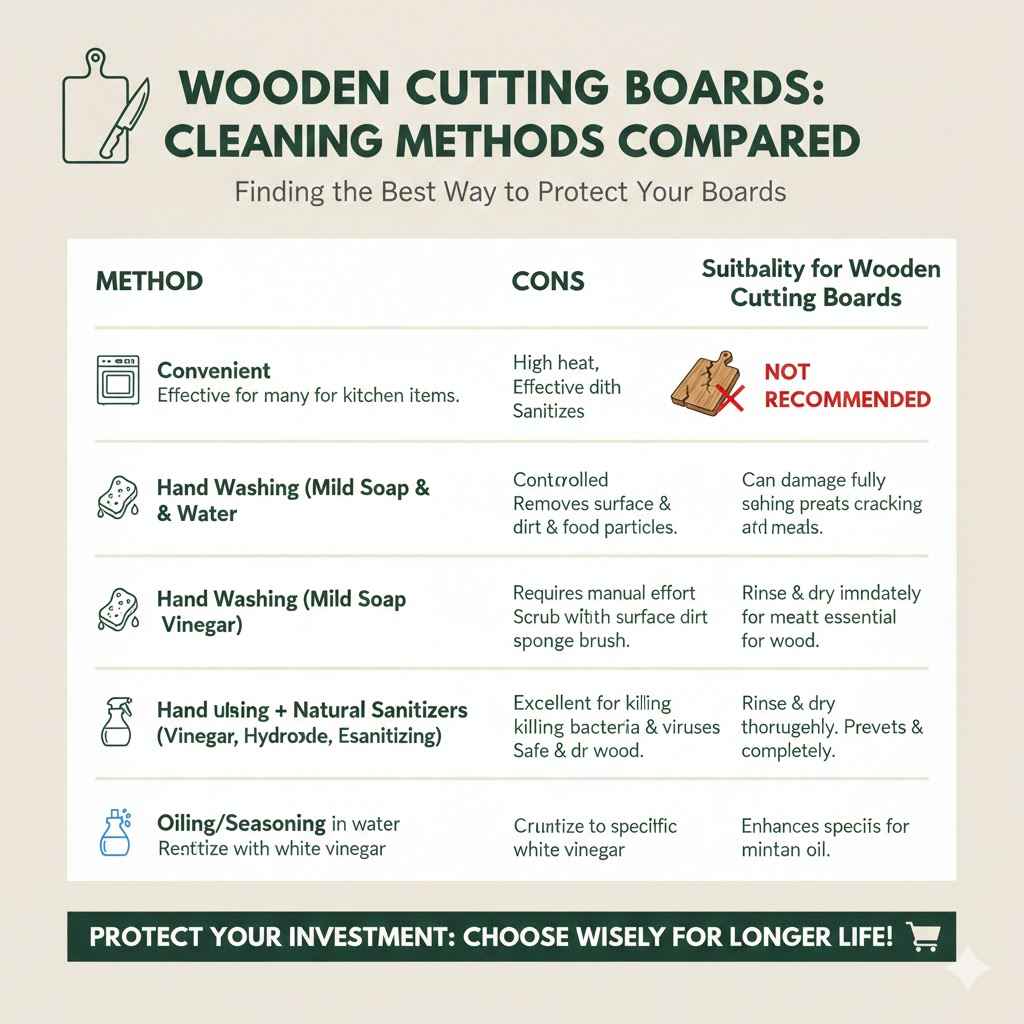
To clearly illustrate why dishwashers are not ideal for wooden cutting boards, let’s compare different cleaning methods. Each method has its pros and cons, but for wood, gentle and controlled approaches are always best. Understanding these differences helps make informed decisions about how to care for your kitchen essentials.
| Method | Pros | Cons | Suitability for Wooden Cutting Boards |
|---|---|---|---|
| Dishwasher | Convenient, effective for many kitchen items, sanitizes | High heat, harsh detergents, excessive moisture, can damage wood, warp, crack, strip oils | Not recommended. High risk of permanent damage. |
| Hand Washing (Mild Soap & Water) | Gentle, controlled, removes surface dirt and food particles | Requires manual effort, may not fully sanitize for raw meats without additional steps | Excellent for daily cleaning. Essential for wood. |
| Hand Washing + Natural Sanitizers (Vinegar, Hydrogen Peroxide) | Effective at killing bacteria and viruses, safe for wood, deodorizes | Requires additional steps after washing, need to rinse and dry thoroughly | Highly recommended for deeper cleaning and sanitizing. |
| Oiling/Seasoning | Restores moisture, protects wood, prevents cracking, enhances appearance | Time-consuming (soaking), requires specific products (mineral oil) | Crucial for long-term maintenance and preservation. Not a cleaning method. |
The table clearly shows that while dishwashers offer convenience, they come with significant risks for wooden cutting boards. Hand washing, especially when combined with natural sanitizers and regular oiling, provides a safe and effective way to maintain hygiene and longevity. This detailed comparison reinforces the answer to “Can You Put Wooden Cutting Boards in Dishwasher” with a resounding ‘no’.
Frequently Asked Questions
Question: Can I put a wooden cutting board in the dishwasher occasionally?
Answer: Even occasional exposure to the dishwasher can cause damage. The high heat and moisture can lead to warping, cracking, and stripping of natural oils, diminishing the board’s lifespan and integrity.
Question: How often should I oil my wooden cutting board?
Answer: It’s best to oil your wooden cutting board about once a month. You can also oil it whenever the wood starts to look dry, dull, or lighter in color. This keeps the wood hydrated and protected.
Question: What is the best way to remove deep knife marks from a wooden cutting board?
Answer: Deep knife marks can often be removed by lightly sanding the surface of the board with fine-grit sandpaper. After sanding, be sure to wash, dry, and re-oil the board thoroughly.
Question: Can I use bleach on my wooden cutting board?
Answer: It is not recommended to use bleach on wooden cutting boards. Bleach is a harsh chemical that can damage the wood fibers and leave behind harmful residues. Natural sanitizers like vinegar or hydrogen peroxide are safer alternatives.
Question: Why do wooden cutting boards need special care compared to plastic ones?
Answer: Wooden cutting boards are made from natural materials that absorb moisture and oils. They require careful cleaning and conditioning to prevent drying, cracking, and bacterial growth. Plastic boards are generally more durable and can withstand harsher cleaning methods like dishwashing.
Conclusion
So, to answer the question “Can You Put Wooden Cutting Boards in Dishwasher,” the clear and consistent advice is no. Dishwashers are too harsh and can cause irreparable damage. Instead, opt for gentle hand washing with mild soap and warm water, followed by thorough drying.
Regular seasoning with food-grade mineral oil will keep your wood healthy and protected. Proper care ensures your cutting boards remain a safe, hygienic, and beautiful part of your kitchen for years to come.
Sponsored / affiliate links. As an Amazon Associate I earn from qualifying purchases. I may earn additional commission from eligible campaigns.