Can You Use Bissell CrossWave on Hardwood Floors
Many people wonder, Can You Use Bissell CrossWave on Hardwood Floors? It’s a common question, especially for those new to this handy cleaning tool. Figuring out if a powerful cleaner is safe for delicate hardwood can feel a bit tricky. But don’t worry!
We’ll walk you through it step-by-step, making sure your floors stay looking great. Let’s find out the best way to clean your hardwood floors with your Bissell CrossWave.
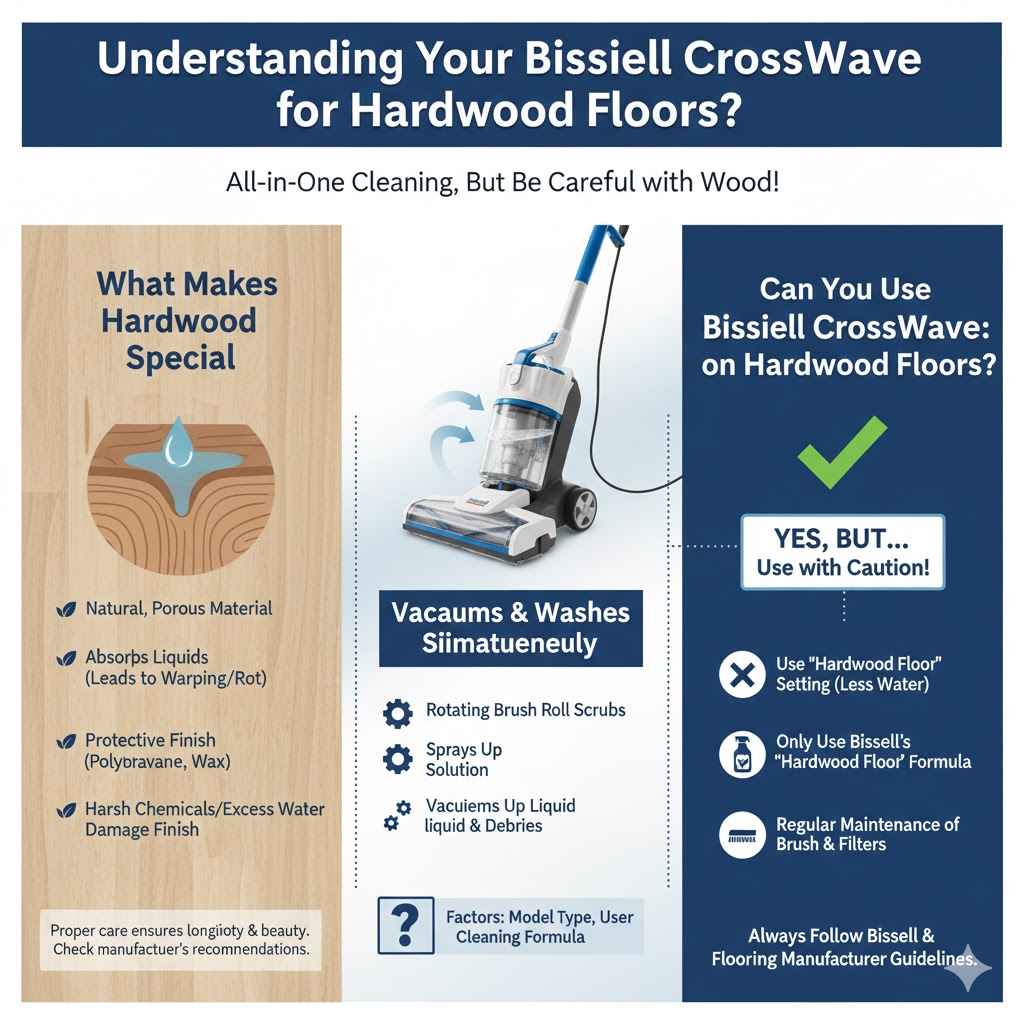
Understanding Your Bissell CrossWave for Hardwood Floors
The Bissell CrossWave is a popular all-in-one cleaning machine. It can vacuum and wash floors at the same time. This makes cleaning much faster.
But when it comes to hardwood floors, people often worry about using too much water or the wrong cleaning solution. These floors can be sensitive to moisture, and using the wrong products can cause damage like warping or dulling the finish. So, the question of Can You Use Bissell CrossWave on Hardwood Floors? is a very important one to answer correctly.
What Makes Hardwood Floors Special
Hardwood floors are made of real wood, which is a natural material. Unlike tile or laminate, wood is porous. This means it can absorb liquids.
When wood gets too wet, it can swell up, warp, or even rot. The finish on hardwood floors, like polyurethane or wax, also protects the wood. Using harsh chemicals or too much water can wear down this protective layer over time.
This can leave the wood exposed to stains and damage. Keeping the finish intact is key to a long-lasting, beautiful hardwood floor.
Proper care ensures your hardwood floors look good for years. This means being careful about what you use to clean them. Some cleaning tools can be too aggressive.
Others might leave behind residue that dulls the shine. Always checking the manufacturer’s recommendations for both your flooring and your cleaning appliance is a smart move.
How the Bissell CrossWave Works
The Bissell CrossWave uses a combination of vacuuming and wet cleaning. It has a brush roll that rotates to scrub the floor. At the same time, it sprays a cleaning solution.
This solution then gets vacuumed up along with the dirt and debris. Different models of the CrossWave exist, each with slightly different features. Some are designed for multiple floor types, while others are more specific.
The amount of water and cleaning solution used is controlled by the machine. However, user settings and the specific cleaning formula can impact the outcome. Understanding these elements helps in determining if it’s safe for your specific type of hardwood flooring.
It’s not just about the machine; it’s also about how you use it.
Can You Use Bissell CrossWave on Hardwood Floors Safely
The short answer is yes, you can use a Bissell CrossWave on sealed hardwood floors, but with important precautions. It’s not as simple as just filling it up and going. The key is to use the right settings, the right cleaning solution, and to avoid excessive moisture.
Many CrossWave models come with different modes or settings that can be adjusted. These adjustments are crucial for delicate surfaces like hardwood.
Using the correct cleaning solution is also vital. Bissell offers specific formulas for their machines. It is often recommended to use these, as they are designed to be safe for multiple floor types and won’t leave behind harmful residue.
Never use harsh chemicals or plain water alone, as these can cause damage.
Choosing the Right Cleaning Solution
The cleaning solution you use with your Bissell CrossWave is one of the most critical factors when cleaning hardwood floors. Using the wrong cleaner can lead to permanent damage. It can strip away the floor’s protective finish, leading to dullness or even a sticky residue that attracts more dirt.
Some cleaners can also cause the wood itself to swell or warp, especially if they contain harsh chemicals or too much water.
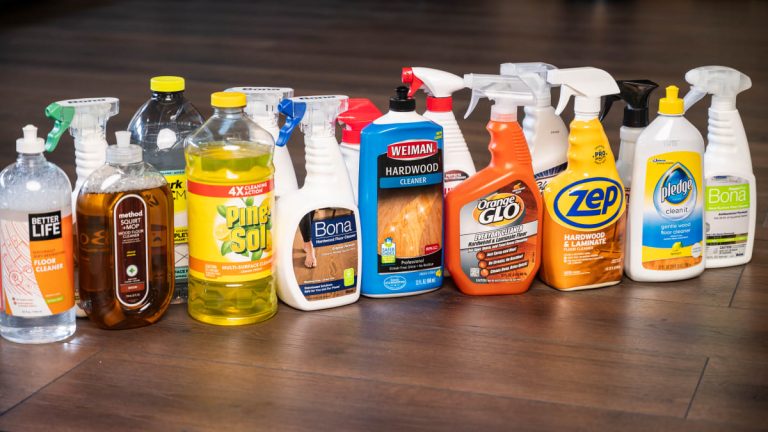
Bissell offers a range of cleaning formulas. For hardwood floors, it’s best to choose a formula specifically designed for hard floors or even hardwood. These are typically mild and formulated to dry quickly.
Always check the label of the cleaning solution to ensure it is safe for sealed hardwood. Avoid solutions with ammonia or bleach, as these can be too harsh for wood finishes.
Here are some types of solutions to consider and avoid:
- Bissell Hard Floor Solutions: These are often the safest bet as they are formulated to work with Bissell machines and are generally safe for sealed hard floors.
- pH-Neutral Cleaners: A cleaner with a neutral pH level is less likely to damage the wood’s finish.
- Avoid: All-purpose cleaners not designed for hardwood, vinegar solutions (can be too acidic for some finishes), ammonia-based cleaners, and bleach.
Water Usage and Moisture Control
Moisture is the biggest enemy of hardwood floors. Even sealed hardwood can be damaged by standing water. The Bissell CrossWave sprays water onto the floor, which is why careful control is essential.
You need to ensure the machine is set to use the minimum amount of water possible and that the floor dries quickly after cleaning.
Many CrossWave models have settings that allow you to adjust the amount of cleaning solution dispensed. For hardwood, you will want to use the lowest setting for water and solution. This ensures that the floor is damp, not wet.
The vacuum function of the CrossWave should also help to suck up most of the moisture immediately. If your floor still looks too wet after a pass, consider going over it with a dry mop or a towel.
Leaving water on hardwood floors for too long can cause several issues:
- Swelling and Warping: Wood absorbs moisture, which causes it to expand. This can lead to boards lifting or becoming uneven.
- Damage to Finish: Prolonged exposure to water can break down the protective seal, leaving the wood vulnerable.
- Staining: Water spots can appear, and if the water has picked up dirt, it can leave permanent marks.
Bissell CrossWave Settings for Hardwood
When using your Bissell CrossWave on hardwood, selecting the correct setting is paramount. Most CrossWave models have a “Hard Floor” setting, which is designed to use less water and cleaning solution compared to the “Area Rug” setting. Always ensure you are using this Hard Floor mode.
Some newer models might even have a specific “Hardwood” or “Wood” setting. If your model has this, definitely use it. These specialized settings are calibrated to provide the optimal balance of cleaning power and moisture control for wood surfaces.
Always consult your Bissell CrossWave user manual for specific instructions related to your model and its available settings.
Here’s a general guideline for settings:
- Mode Selection: Always choose the “Hard Floor” or “Wood Floor” setting.
- Solution Dispensing: Opt for the lowest setting for cleaning solution dispensed.
- Brush Roll Speed: If your machine offers brush roll speed control, a slower speed is usually better for hardwood to avoid excessive scrubbing or water spray.
Using the wrong setting, even with the right solution, can still introduce too much moisture. This is why double-checking your machine’s settings before you begin cleaning is so important. It’s a simple step that makes a big difference in protecting your floors.
Steps to Clean Hardwood Floors with Bissell CrossWave
Now that you know the precautions, let’s get to the actual cleaning. Following these steps will help ensure your Bissell CrossWave cleans your hardwood floors effectively and safely. The goal is to achieve a clean floor without causing any damage.
This process is designed to be straightforward and easy to follow for anyone.
Preparation is Key
Before you even think about filling your Bissell CrossWave, some preparation is necessary. This step ensures that you’re not just pushing dirt around and that the machine can do its best work. It also protects your floors from potential scratches caused by larger debris.
First, you’ll want to dry sweep or vacuum your hardwood floors. This removes loose dirt, dust, pet hair, and any larger particles like crumbs or small pebbles. These larger items could potentially scratch your hardwood floors if they get caught under the CrossWave’s brush roll.
Pay attention to corners and edges where dirt tends to accumulate.
Next, move any small rugs, mats, or furniture that you can easily move. This gives you clear access to the entire floor area. If you have furniture that is difficult to move, clean around it as best as you can.
Ensure all electrical cords are out of the way to prevent accidents.
Filling Your Bissell CrossWave
When filling your Bissell CrossWave, precision is important. Use the markings on the tank to add the correct amount of water and cleaning solution. For hardwood floors, it’s highly recommended to use distilled water if your tap water is hard.
Hard water can leave behind mineral deposits that dull the shine of your hardwood floors.
If you are using a Bissell cleaning formula specifically designed for hard floors, follow the dilution instructions on the bottle. If you are using a general hard floor cleaner, ensure it is safe for sealed hardwood. Never use plain water without a cleaning solution, as it won’t effectively remove grime and may leave streaks.
Always refer to your Bissell CrossWave’s manual for specific tank filling instructions for your model.
A typical fill process looks like this:
- Remove the clean water tank from the machine.
- Fill the tank with warm water up to the indicated line for the desired cleaning cycle (e.g., “Hard Floor” cycle).
- Add the recommended amount of Bissell hard floor cleaning formula to the tank.
- Securely reattach the clean water tank to the machine.
The Cleaning Process
Once your machine is filled and your floors are prepped, you can begin cleaning. Start by turning on your Bissell CrossWave and selecting the appropriate setting, which is typically “Hard Floor.” You will likely hear the brush roll start to spin, and the machine will begin to dispense cleaning solution.
Move the CrossWave slowly across the floor in an overlapping pattern. Do not rush the process. Allow the machine to do its work of vacuuming and washing.
Pay extra attention to high-traffic areas where dirt and grime tend to build up. Avoid letting water pool on the floor.
If you notice that the floor is too wet, you can make a second pass over the area with the machine turned on but without dispensing more solution (if your model allows for this). Alternatively, you can go over the damp areas with a clean, dry microfiber mop to help absorb excess moisture. This step is crucial for preventing damage to your hardwood.
Post-Cleaning Care
After you’ve finished cleaning, there are a few more important steps to take. These steps help to maintain your Bissell CrossWave and ensure your floors are left in the best possible condition. Proper maintenance of both your machine and your floors will extend their lifespan.
First, empty and rinse out the dirty water tank immediately. This prevents odors from developing and keeps your machine clean. Rinse the brush roll and any other removable parts that came into contact with dirty water.
Allow these parts to air dry completely before reassembling the machine. This prevents mold and mildew growth.
Ensure that your hardwood floors are completely dry before allowing foot traffic or placing furniture back. This might take anywhere from 30 minutes to a couple of hours, depending on humidity and airflow. Opening windows or using a fan can speed up the drying process.
Regularly inspect your floors for any signs of damage and address them promptly.
Alternative Cleaning Methods for Hardwood
While the Bissell CrossWave can be a convenient tool, it’s not the only way to clean hardwood floors. Sometimes, a simpler method might be more appropriate, especially for very delicate or older hardwood. Understanding alternative methods ensures you always have the right approach for your specific needs.
Using a Damp Mop
A traditional damp mop is a tried-and-true method for cleaning hardwood floors. This involves using a mop that is only slightly wet, not saturated. The key is to wring out the mop thoroughly so that it doesn’t leave excess water on the floor.
You can use a wood-floor-specific cleaner diluted with water. Apply the cleaner to the mop head, or lightly mist the floor with the cleaner and then mop. Work in sections, ensuring each section dries before moving to the next.
This method gives you a high degree of control over the moisture level, making it very safe for hardwood.
A good damp mopping process:
- Sweep or vacuum the floor to remove loose debris.
- Prepare a cleaning solution in a bucket, ensuring it is suitable for sealed hardwood floors.
- Dip your mop into the solution and wring it out until it’s just damp.
- Mop the floor in sections, working from the farthest point of the room towards the exit.
- Allow each section to dry completely before walking on it.
Microfiber Mops
Microfiber mops are excellent for hardwood floors. They are designed to trap dirt and dust effectively without scratching the surface. Many microfiber mops can be used dry for dusting or with a light spray of cleaning solution for damp mopping.
The absorbent nature of microfiber means it picks up a lot of dirt and moisture. This makes it ideal for controlling the amount of liquid on your floors. When using a spray bottle with a hardwood-safe cleaner, you can lightly mist the floor in front of you as you mop.
This provides just enough moisture to clean without saturating the wood.
Benefits of microfiber mops include:
- Superior Dust and Dirt Capture: Microfibers have tiny fibers that create static electricity, attracting and holding onto dust and debris.
- Scratch-Free Cleaning: The soft material is gentle on hardwood finishes.
- Controlled Moisture: They absorb excess liquid well, preventing over-wetting.
- Washable and Reusable: Microfiber pads can be washed and reused, making them an eco-friendly option.
Professional Cleaning Services
For very deep cleaning or for antique or particularly sensitive hardwood floors, professional cleaning services can be a good option. Professionals have specialized equipment and cleaning solutions designed for various types of wood flooring. They can often restore the shine and cleanliness of your floors without causing damage.
When hiring a professional, always ask about their experience with hardwood floors. Inquire about the cleaning methods and products they use. Ensure they use methods that control moisture and are safe for your specific type of wood and finish.
This can be a more expensive option, but for valuable or delicate floors, it might be the safest choice.
When Not to Use Bissell CrossWave on Hardwood
While the Bissell CrossWave can be a good option for many sealed hardwood floors, there are specific situations where it is best to avoid using it. Understanding these limitations will help you prevent costly damage to your beautiful floors.
Unsealed or Waxed Hardwood Floors
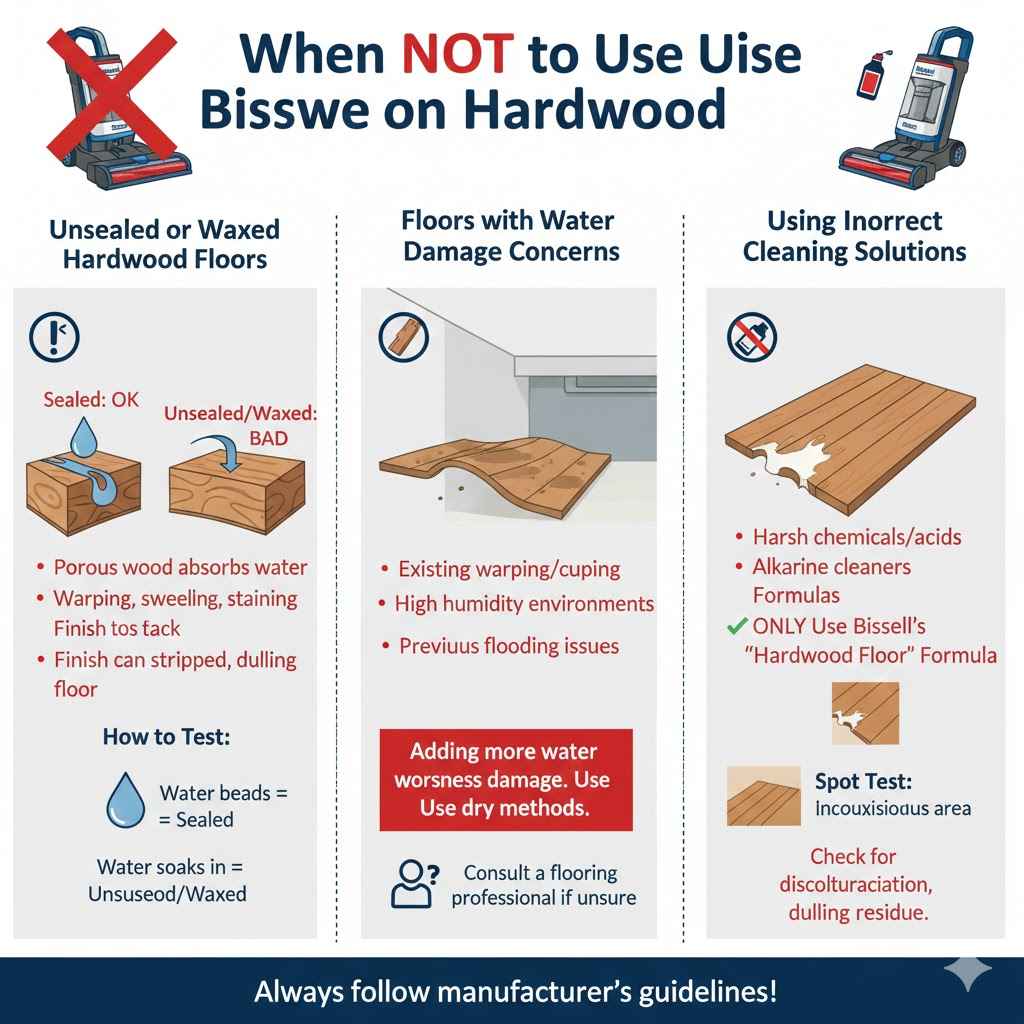
The Bissell CrossWave is designed for sealed hard floors. If your hardwood floors are unsealed or have a waxed finish, you should absolutely not use the CrossWave. Unsealed wood is porous and will absorb water directly, leading to severe damage like warping, swelling, and staining.
Waxed finishes can be stripped away by the cleaning solution and the machine’s scrubbing action, dulling the floor and potentially creating a slippery surface.
Identifying unsealed or waxed floors can sometimes be tricky. A common test is to drop a small amount of water onto the floor in an inconspicuous area. If the water beads up and sits on the surface, the floor is likely sealed.
If the water soaks into the wood within a few minutes, it is probably unsealed or has a finish that is no longer effective. For waxed floors, you might notice a slight sheen, and a clean cloth might pick up wax residue when rubbed firmly.
Floors with Water Damage Concerns
If your hardwood floors have existing water damage, or if you live in a very humid climate where moisture is a constant issue, using a wet cleaning system like the CrossWave might exacerbate the problem. Even with careful use, introducing more water, even in small amounts, could worsen any existing warping or cupping of the floorboards. In such cases, dry cleaning methods are much safer.
Consider the environment in your home. If your floors are in a basement that is prone to dampness or has had previous flooding issues, proceed with extreme caution. Always prioritize air circulation and dehumidification for such areas.
If you are unsure about the condition of your floors, it’s always best to consult with a flooring professional before using any wet cleaning appliance.
When Using Incorrect Cleaning Solutions
Even if your floors are sealed and in good condition, using the wrong cleaning solution in your Bissell CrossWave can cause significant damage. Harsh chemicals, acidic solutions like undiluted vinegar, or alkaline cleaners can strip the finish from your hardwood. This leaves the wood unprotected and susceptible to stains and wear.
Some cleaners can also leave a sticky residue that is difficult to remove and attracts dirt.
Always stick to cleaning solutions specifically recommended by Bissell for hardwood floors or general hard floor cleaners that explicitly state they are safe for sealed hardwood. If you are ever in doubt about a cleaner, perform a spot test in an inconspicuous area of your floor. Apply a small amount of the diluted cleaner, let it sit for the recommended time, and then wipe it clean.
Check for any discoloration, dulling, or damage to the finish before proceeding with full floor cleaning.
Frequently Asked Questions
Question: Can I use my Bissell CrossWave on laminate floors too
Answer: Yes, you can generally use your Bissell CrossWave on laminate floors, similar to hardwood floors. Always use the Hard Floor setting and ensure you are using a cleaning solution safe for laminate. Avoid excess moisture, as laminate can also be damaged by standing water.
Question: What is the difference between a CrossWave and a regular vacuum cleaner
Answer: A regular vacuum cleaner only sucks up dry debris. A Bissell CrossWave is an all-in-one machine that vacuums up dry debris while also washing the floor with a cleaning solution and water, and then vacuuming up the dirty water.
Question: How often should I clean my hardwood floors with the CrossWave
Answer: For most homes, cleaning hardwood floors with the Bissell CrossWave once a week or once every two weeks is sufficient. High-traffic areas might benefit from more frequent spot cleaning or a light sweep. Always assess your floor’s condition to decide the best cleaning schedule.
Question: Can I use any hardwood floor cleaner with my Bissell CrossWave
Answer: It’s best to use cleaning solutions specifically recommended by Bissell for their CrossWave machines and for hardwood floors. Using other cleaners may void your warranty and could potentially damage your floors or the machine. Always check the cleaner’s label for compatibility.
Question: My hardwood floors look dull after using the CrossWave what could have happened
Answer: A dull appearance can happen if too much cleaning solution was used, or if the solution was not rinsed properly, leaving a residue. It could also be from using a cleaner not suited for hardwood floors. Ensure you are using the correct solution and setting, and consider a rinse cycle if your model allows, or a thorough dry mop afterward.
Final Thoughts
So, Can You Use Bissell CrossWave on Hardwood Floors? Yes, you can, provided your floors are sealed and you follow the correct procedures. Always use the Hard Floor setting, appropriate cleaning solutions, and control moisture carefully. With these steps, your Bissell CrossWave will effectively clean your hardwood floors, keeping them looking beautiful and well-maintained.