Can You Use Swiffer Wet Pads on Hardwood Floors
Many people wonder, Can You Use Swiffer Wet Pads on Hardwood Floors. It’s a common question for folks new to cleaning or hardwood care. They worry about damaging their beautiful floors.
This guide will make it super simple. We will walk through it step-by-step so you know exactly what to do and what to avoid for sparkling, safe floors. Let’s get your hardwood looking its best!
Understanding Hardwood Floor Care
This section explores the specifics of using Swiffer wet pads on hardwood floors. It covers what makes them a popular choice for quick cleanups and the potential concerns homeowners might have. We will break down the types of Swiffer pads and their ingredients to help you make an informed decision.
The goal is to provide clear guidance so you can achieve clean floors without worry. We aim to answer the core question: Can you use Swiffer wet pads on hardwood floors safely and effectively.
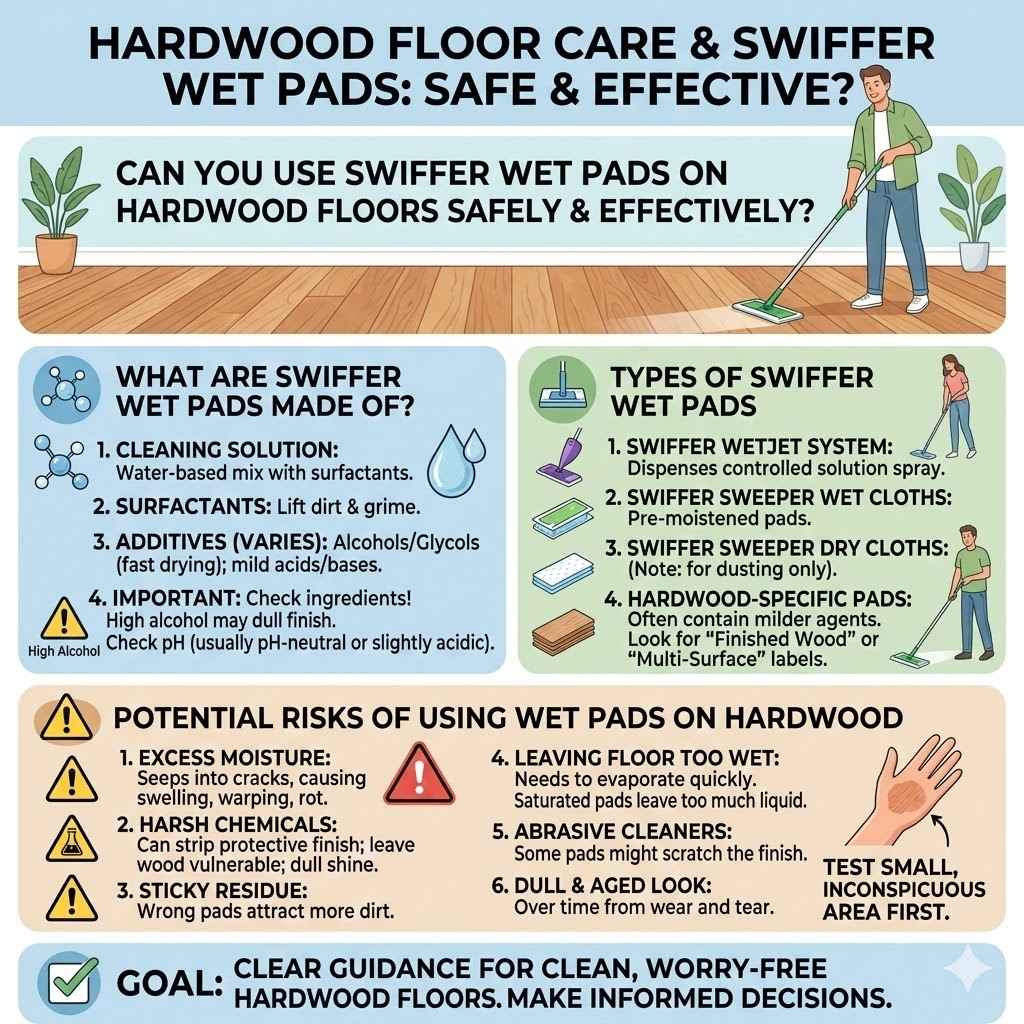
What Are Swiffer Wet Pads Made Of
Swiffer wet pads are designed for convenience, often containing water, cleaning agents, and sometimes a bit of fragrance. The cleaning solution is typically a mix of water and surfactants. Surfactants help lift dirt and grime from the floor surface.
Some pads might include alcohols or glycols to help the solution dry faster. Others might have mild acids or bases to tackle specific messes. It is important to check the ingredient list for anything that could be harsh on wood finishes.
The solution is usually pH-neutral or slightly acidic to avoid damaging most floor finishes. However, wood is a natural material and can be sensitive to excess moisture or harsh chemicals. Understanding the composition helps determine suitability.
For instance, if a pad contains a high concentration of alcohol, it might dull a wood finish over time. If it has a lot of water, it could seep into seams and cause swelling.
Types of Swiffer Wet Pads
Swiffer offers several types of wet pads. The most common is the Swiffer WetJet pad, which dispenses its own solution. There are also Swiffer Sweeper wet cloths.
These are designed to be used with a damp mop. They often have a slightly different cleaning formula. Some pads are specifically marketed for hardwood floors.
These usually contain milder cleaning agents. It’s best to pick the pads labeled for finished wood or multi-surface use. Always read the package to ensure compatibility with your floor type.
The Swiffer Sweeper dry cloths are for dusting. The wet cloths are for mopping. The WetJet system uses a spray function.
This allows for more control over the amount of liquid applied. The regular Swiffer Sweeper wet cloths are pre-moistened. You attach them to the mop head.
They are generally designed to be quick and easy to use. For hardwood, a less concentrated or faster-drying formula is usually preferred.
Potential Risks of Using Wet Pads on Hardwood
Wood floors can be damaged by too much moisture. Excess water can seep into the cracks between floorboards. This can cause swelling, warping, and even rot over time.
Harsh chemicals in some cleaning solutions can strip away the protective finish of your hardwood. This leaves the wood vulnerable to stains and damage. It can also dull the shine of the floor.
Using the wrong type of wet pad can lead to a sticky residue. This attracts more dirt.
A common mistake is leaving the floor too wet after cleaning. The moisture needs to evaporate quickly. If the pad is too saturated, it will leave too much liquid behind.
Another risk is using a pad with abrasive cleaners. These can scratch the finish. Over time, this wear and tear can make your floor look dull and aged.
Always test a small, inconspicuous area first. This helps you see how the pad and solution affect your specific floor finish.
Best Practices for Using Swiffer Wet Pads on Hardwood
This section details the safe and effective ways to use Swiffer wet pads on your hardwood floors. It provides actionable tips to prevent damage and ensure a good clean. By following these guidelines, you can enjoy the convenience of Swiffer while protecting your investment.
We’ll cover preparation, technique, and what to do afterward. The aim is to answer Can You Use Swiffer Wet Pads on Hardwood Floors with confidence.
Preparation is Key
Before you start, always sweep or vacuum your hardwood floors. This removes loose dirt, dust, and debris. Using a wet pad on a dirty floor can just push the dirt around.
It can also create muddy streaks. Make sure the area you plan to clean is clear of furniture or obstacles. This makes the process smoother and faster.
Also, check the weather. Avoid damp or humid days if possible. This helps the floor dry faster.
Ensure your Swiffer mop is clean. If you are using a refillable Swiffer type, make sure the cleaning solution is appropriate for hardwood. For pre-moistened pads, confirm they are designed for finished wood.
It is wise to check your flooring manufacturer’s recommendations. Some engineered hardwoods or very old finishes might have specific cleaning needs. Taking these simple steps ensures you start with a clean slate and the right tools.
The Right Technique Matters
When using Swiffer wet pads, don’t let the pad sit on one spot for too long. Move the mop in smooth, overlapping strokes. Work in small sections.
This allows the moisture to evaporate quickly. Avoid pressing down too hard. Let the pad do the work.
The goal is to lightly dampen the floor, not to saturate it. If the pad feels too wet, wring it out if possible or switch to a new one.
For Swiffer WetJet users, be mindful of how much solution is being sprayed. A light mist is usually sufficient for most messes. If you notice standing water or streaks, you are likely using too much liquid.
For Swiffer Sweeper wet cloths, ensure they are not dripping wet when you attach them to the mop head. A slightly damp cloth is ideal. This technique ensures you clean effectively without risking moisture damage to your wood.
Drying and Post-Cleaning Steps
After mopping, allow your hardwood floors to air dry completely. This usually takes about 10-15 minutes. Do not walk on the floors until they are fully dry.
If you notice any remaining moisture or dullness, you can gently buff the area with a clean, dry microfiber cloth. This helps restore shine and ensures no residue is left behind. Proper drying is crucial for preventing water damage.
Open windows or use fans to speed up the drying process. This is especially helpful in humid conditions. Check the seams between floorboards.
Make sure no water is pooling there. If you used too much liquid, you might need to go over the area with a dry mop or cloth. Regularly inspect your floors for any signs of damage.
This includes discoloration, swelling, or peeling finish. Prompt attention can prevent minor issues from becoming major problems.
When to Avoid Swiffer Wet Pads
You should avoid Swiffer wet pads if your hardwood floors are unfinished or waxed. These types of finishes can be easily damaged by the cleaning solutions and moisture. Unfinished wood will absorb liquids directly, leading to stains and warping.
Waxed floors can have their wax coating dissolved or streaked by the chemicals. Always check the type of finish on your hardwood. If you are unsure, it is best to stick with methods recommended by the flooring manufacturer.
Also, if your floors are very old or have delicate finishes, err on the side of caution. Test a small, hidden area first. If your floor has a history of water damage, it is probably best to avoid wet mopping altogether.
Consider dry dusting or using a slightly damp cloth instead. The key is to know your floor and its specific needs. When in doubt, a gentler approach is always safer.
Alternatives to Swiffer Wet Pads for Hardwood Floors
While Swiffer wet pads can be a convenient option for quick cleanups, there are many effective alternatives for hardwood floor care. These alternatives often provide a deeper clean and better protection for your floors. This section explores these options, helping you choose the best method for maintaining the beauty of your hardwood.
We will look at specialized cleaners and tools. This will give you a complete picture of hardwood floor maintenance beyond just convenience.
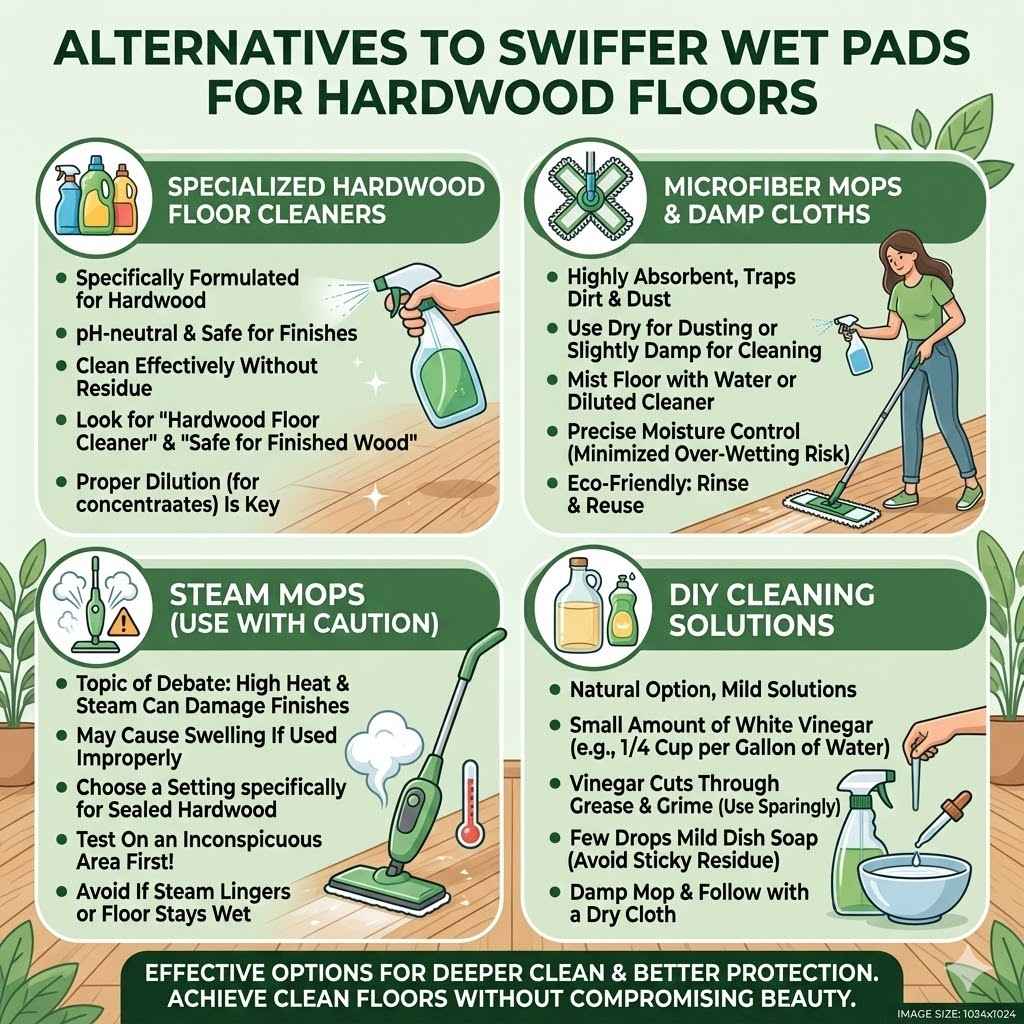
Specialized Hardwood Floor Cleaners
Many brands offer cleaning solutions specifically formulated for hardwood floors. These cleaners are designed to be pH-neutral and safe for most finishes. They often contain ingredients that clean effectively without leaving residue or damaging the wood’s protective layer.
Look for terms like “hardwood floor cleaner,” “pH-neutral,” or “safe for finished wood” on the label. Some are spray bottles you apply directly. Others are concentrates you mix with water.
Using a cleaner designed for hardwood is generally the safest bet. These products understand the specific needs of wood finishes. They are formulated to avoid common pitfalls like dulling the finish or causing water damage.
Some cleaners even add a bit of shine back to the floor. Always follow the instructions on the cleaner’s bottle. Proper dilution and application are key to achieving the best results and protecting your investment.
Microfiber Mops and Damp Cloths
A high-quality microfiber mop is an excellent tool for hardwood floors. Microfiber is highly absorbent and effective at trapping dirt and dust. You can use it dry for dusting or slightly damp for cleaning.
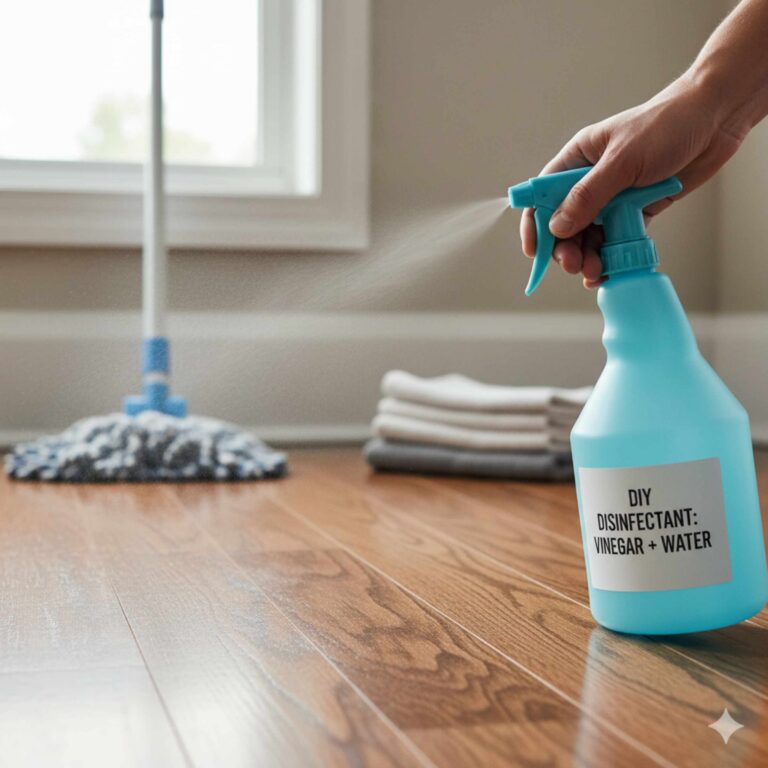
For damp cleaning, use a spray bottle filled with water or a diluted hardwood floor cleaner. Lightly mist the floor and then wipe with the damp microfiber mop. This method gives you precise control over the amount of moisture.
This approach is much gentler than using pre-saturated wet pads. It minimizes the risk of over-wetting the wood. You can rinse and reuse microfiber cloths and mop heads, making them an eco-friendly choice.
The key is to ensure the mop or cloth is only slightly damp, not soaking wet. This allows for quick evaporation and prevents any moisture from penetrating the wood.
Steam Mops and Their Suitability
Steam mops can be effective for cleaning, but their use on hardwood floors is a topic of debate. The high heat and steam can potentially damage certain finishes or cause swelling if used improperly. Some manufacturers advise against using steam mops on hardwood altogether.
If you choose to use a steam mop, ensure it has a setting specifically for sealed hardwood floors. Always test it on an inconspicuous area first.
The steam must be low and the mop head should be only lightly damp. The floor should dry almost instantly after being steamed. If you see steam lingering or the floor feels wet, it’s too much moisture.
Many experts recommend avoiding steam mops on hardwood to prevent long-term damage. For most homeowners, gentler methods are preferred for cleaning and maintaining hardwood.
DIY Cleaning Solutions
For a natural cleaning option, a mild DIY solution can work well. A common recipe involves mixing a small amount of white vinegar with water. Use about 1/4 cup of vinegar to a gallon of water.
Vinegar can help cut through grease and grime. However, use this sparingly. Too much vinegar can damage some finishes over time.
Always test this solution in a hidden spot first.
Another option is a few drops of mild dish soap in a bucket of water. Use only a very small amount of soap. Too much soap will leave a sticky residue that is hard to remove.
Again, damp mopping with this solution is key. Do not let the floor sit wet. After mopping, it is a good idea to follow up with a dry mop or cloth.
This ensures all moisture is removed and the finish is protected.
Frequently Asked Questions
Question: Can I use Swiffer Wet pads on my vinyl hardwood-look floors
Answer: Yes, Swiffer wet pads are generally safe for vinyl floors that look like hardwood. Vinyl is more resistant to moisture than real wood. However, always check the specific instructions for your vinyl flooring and the Swiffer pad packaging to be absolutely sure.
Question: How often should I use Swiffer wet pads on my hardwood floors
Answer: It is best to use Swiffer wet pads sparingly on hardwood floors, perhaps once a week or only when needed for spills or noticeable dirt. Overuse can lead to moisture damage. Dry dusting or vacuuming should be done more frequently.
Question: Will Swiffer wet pads leave my hardwood floors sticky
Answer: If you use too much liquid or the wrong type of pad, your hardwood floors might feel sticky. This can happen if the cleaning solution leaves a residue or if the floor is not dried properly. Using a pad designed for hardwood and moving the mop quickly can help prevent stickiness.
Question: Are Swiffer WetJet solutions safe for hardwood
Answer: Many Swiffer WetJet solutions are formulated to be safe for finished hardwood floors. However, it is always best to check the product label. Look for indications that the solution is safe for hardwood or multi-surface use.
If you are concerned, test it on a small, hidden area first.
Question: What if my hardwood floor has a matte finish can I still use Swiffer wet pads
Answer: For matte finishes, be extra cautious. Matte finishes can be more prone to showing streaks or dullness from cleaning products. If you choose to use Swiffer wet pads, ensure they are specifically for hardwood and use the least amount of moisture possible.
Always follow up with a dry buffing to restore the matte look.
Wrap Up
Final Thoughts
You can use Swiffer wet pads on hardwood floors if you do it carefully. Always sweep first. Use pads meant for finished wood.
Move the mop quickly and don’t oversaturate the floor. Let it dry fast. For frequent cleaning or delicate floors, consider other methods like microfiber mops.
Knowing your floor’s needs is key to keeping it beautiful for years.