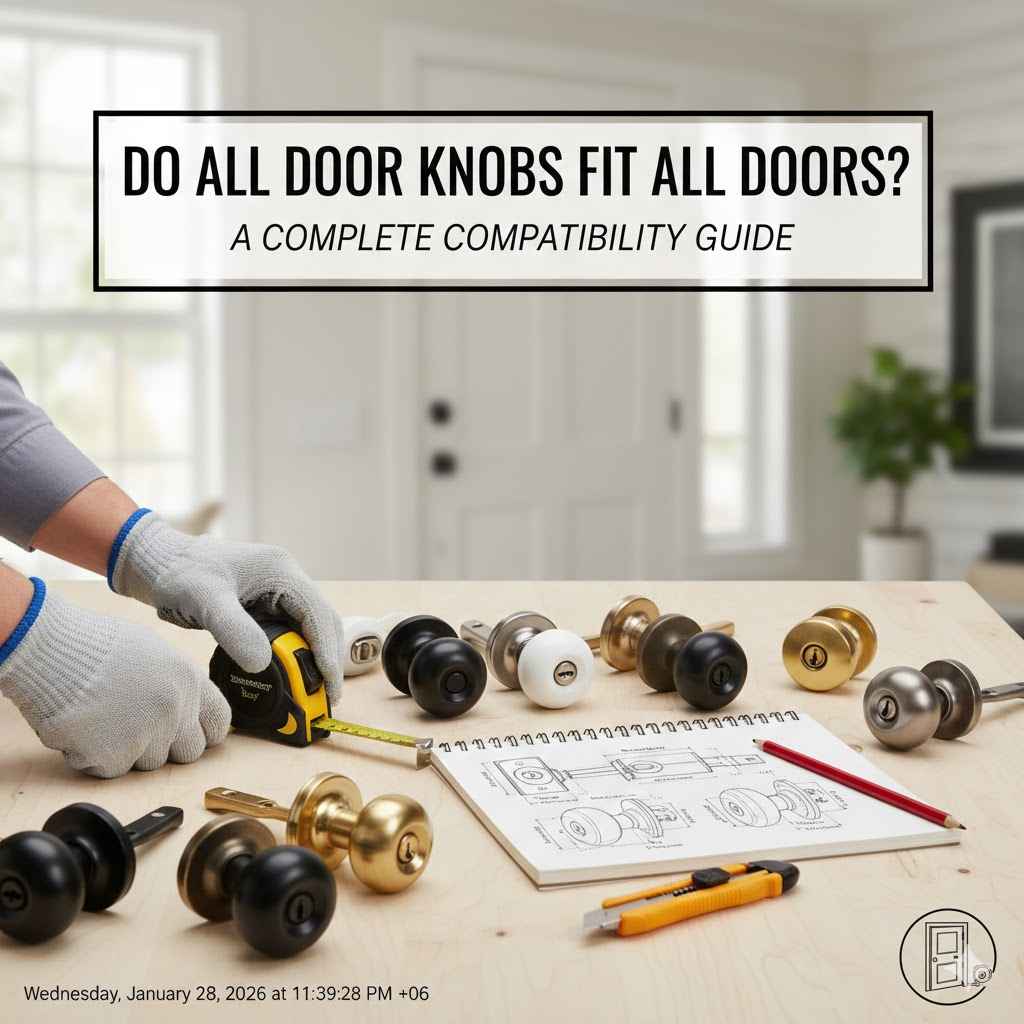
Do All Door Knobs Fit All Doors? A Complete Compatibility Guide
Choosing the right door knob can seem tricky. Many people ask, “Do All Door Knobs Fit All Doors? Compatibility Guide” This is a common question, especially for those new to home improvement or making simple updates. Luckily, it’s not as difficult as it might seem. This guide will make the process simple and clear. We’ll break down the important things, step-by-step, so you can find the perfect door knob. Keep reading to learn everything you need to know to make the best choice.
Understanding Door Knob Basics
Before buying a door knob, it’s helpful to know the basics. Door knobs might seem simple, but many different designs and sizes exist. Knowing a few key terms and measurements can prevent problems later. Understanding things like backset, bore hole size, and door thickness is super important. These measurements ensure your new door knob fits correctly and works smoothly. It’s like knowing the right shoe size before buying new sneakers; it just makes life easier.
Key Terms and Components
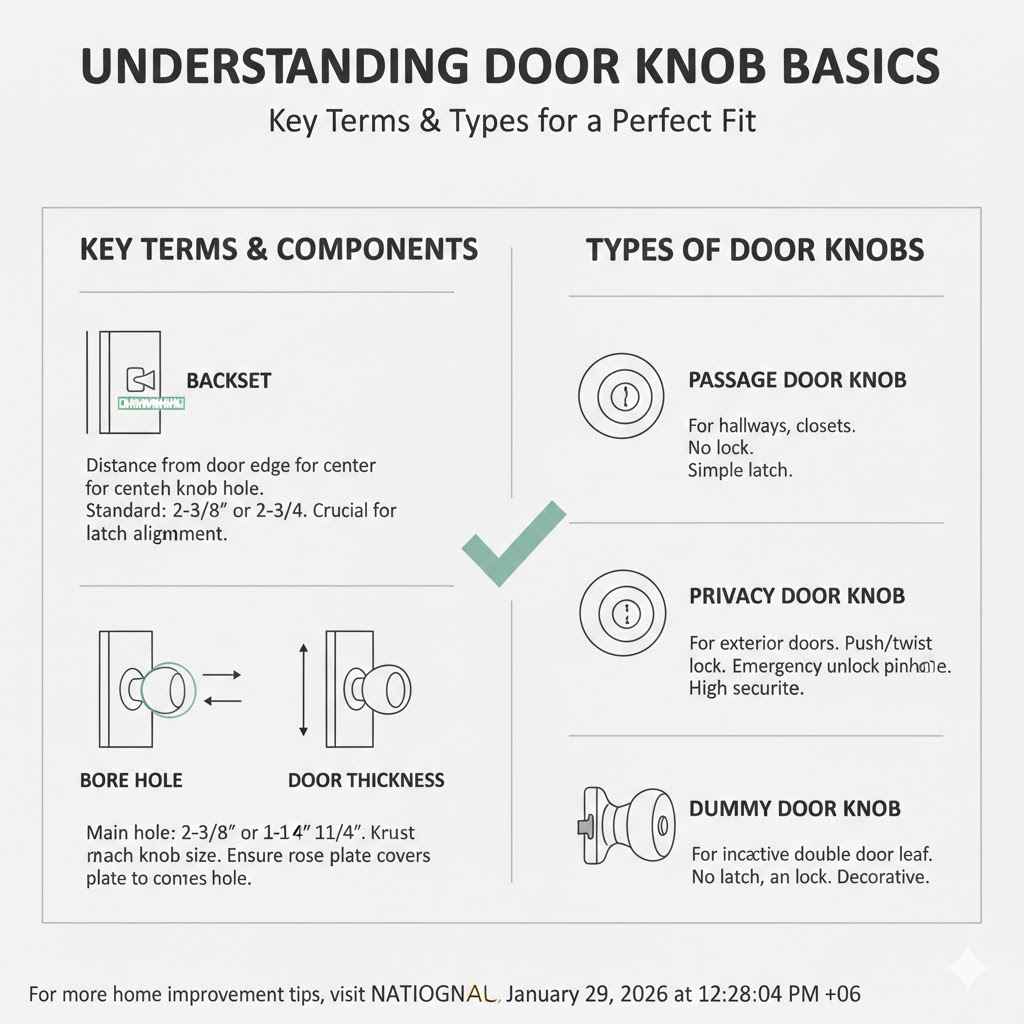
Let’s begin with some important terms you’ll encounter. Backset refers to the distance from the edge of the door to the center of the bore hole (where the doorknob mechanism sits). The bore hole is the hole drilled through the door to accommodate the door knob’s components, including the latch and the handle. The door thickness is another crucial measurement, as knobs are designed to fit different door thicknesses. These details are critical to a good fit. Also, understand the latch mechanism itself. It is the part that slides into the door frame to lock or hold the door closed. A clear idea of these terms ensures you choose the proper door knob, avoiding any issues.
Backset: This is the distance from the door edge to the center of the doorknob hole. Standard backset sizes are 2 3/8 inches and 2 3/4 inches. Measure this carefully, as the knob must match this measurement to function correctly.
If you choose a knob with the wrong backset, the latch may not align with the strike plate on the door frame. This means the door won’t close correctly, or the knob might not latch at all. It is a fundamental measurement.
Bore Hole: This is the main hole drilled through the door to hold the doorknob mechanism. The size can vary. Check the specifications of the new doorknob and ensure it is compatible with the existing hole.
If the new knob’s rose (the decorative plate around the knob) is too small, it may not cover the existing bore hole. This can lead to an unattractive appearance and require extra work to repair. A proper fit is important for the look and function of the door.
Door Thickness: Door thicknesses vary, commonly 1 3/8 inches or 1 3/4 inches. Door knobs are designed for specific thicknesses. Be sure to measure your door correctly.
If the door knob does not fit the door thickness, the handles might not connect or secure correctly. This means the door may not stay closed or be difficult to lock. It can make installing a new knob very difficult. Measuring the thickness ensures a good fit.
Latch Mechanism: This component latches the door to the door frame. It engages when the door closes and disengages when the handle is turned. Latch mechanisms come in various shapes and sizes.
The latch mechanism must fit into the door frame’s strike plate. If they are incompatible, the door will not close properly or will not latch. Always check the latch mechanism’s compatibility. It ensures the door functions as intended.
Types of Door Knobs
There are many different types of door knobs. They’re not just about looks; they have different locking mechanisms and styles. Choosing the right type depends on where you plan to use the door knob (bedroom, bathroom, exterior door) and how much security you need. It is important to know the options before you shop. They range from simple passage knobs to more secure entry and smart locks. Each type offers different functionalities and levels of security. Let’s look at the many variations.
Passage Door Knobs: Designed for doors that do not need to lock, like hallways or closets. They usually have a simple latch mechanism for closing the door.
Passage door knobs don’t have a locking mechanism, making them ideal for doors where security isn’t a high priority. They are simple to install and operate, offering basic functionality. These are useful in areas where a simple door closure is enough. They come in many designs.
Privacy Door Knobs: Used for bathrooms or bedrooms. These knobs have a locking mechanism, usually a push-button or a twist-button. They can be unlocked from the outside with a small tool, like a pin or paper clip.
Privacy door knobs offer a layer of security by allowing the door to be locked from the inside. They are often used in bathrooms and bedrooms for private spaces. The emergency release feature ensures that you can open the door from the outside if needed. Always consider this feature.
Entry Door Knobs: Designed for exterior doors, entry door knobs offer more security. They come with a keyed lock and a deadbolt, or the deadbolt may be a separate component.
Entry door knobs are designed to give high security. They use a keyed lock for the main knob or incorporate a separate deadbolt. This provides protection against forced entry. These knobs often come with strong construction and are meant for security.
Dummy Door Knobs: These door knobs don’t have any latch or locking mechanism. They’re often used on the inactive leaf of double doors to match the look of the working door knob.
Dummy door knobs are simply for looks. They are not functional. They are typically used for decorative purposes to match the other door hardware. These can be a simple way to create a consistent look across the door.
Checking Door Measurements
The key to successful door knob installation is knowing the measurements. Accurate measurements ensure that the new knob fits properly. You’ll need a few simple tools, such as a measuring tape, a screwdriver, and possibly a template. You can find templates online to assist in measuring and installing. It’s important to take your time and measure carefully. If you are replacing an existing door knob, remove the old one first. You’ll see the parts you need to measure. The bore hole, backset, and door thickness are critical. Let’s explore how to take these measurements.
Measuring Backset
The backset is one of the most important measurements. This is the distance from the edge of the door to the center of the bore hole. Standard backsets are 2 3/8 inches and 2 3/4 inches, but some doors may have other sizes. Incorrect backset measurement leads to the doorknob’s latch not aligning with the strike plate. This means the door won’t close correctly, which could be very irritating. Correct measurement ensures the new doorknob works with the existing door frame. Get an accurate reading.
Locate the Bore Hole: This is the hole where the doorknob’s mechanism sits. Find the edge of the door.
Identify the main hole drilled into the door. It will contain the latch mechanism. From the edge of the door, measure inward to the center of the hole.
Use a Measuring Tape: Place the end of the measuring tape on the door’s edge. Measure to the center of the bore hole. Record the measurement.
Use a measuring tape and measure from the edge of the door to the center of the hole. Record your measurement, and be as precise as possible. It is a critical measurement.
Check Existing Knobs: If you are replacing an old knob, you can measure the backset of the existing one. This can give you a quick check.
The latch mechanism should also have the backset stamped or printed on it. It can save time and confirm the measurement. This confirmation makes matching easier. It helps you find the correct replacement.
Common Backset Sizes: 2 3/8 inches and 2 3/4 inches are the common sizes. Ensure the knob matches the door’s backset.
Check the packaging of the new doorknob. Make certain it matches the measurement you took. Using the correct backset is important to the proper function of your door.
Measuring Bore Hole and Door Thickness
In addition to the backset, you must measure the bore hole and door thickness. The bore hole’s size is important for the knob’s components to fit correctly. The door thickness ensures that the knob’s handles and mechanism are compatible with your door. These measurements need to be accurate. When buying new door knobs, always double-check these measurements. They are a necessary step. Now, let’s go over how to measure these key parts.
Measure the Bore Hole: Use a ruler or measuring tape to measure the diameter of the hole. This measurement helps confirm that the new doorknob will fit.
Determine the diameter of the hole drilled through the door. Use a ruler or measuring tape. Check to see that your new doorknob fits into this space. Record your measurement.
Measure Door Thickness: This is the door’s thickness from one side to the other. Use a measuring tape or ruler. This is crucial for selecting the right doorknob.
Use a measuring tape to measure the distance from one side of the door to the other. Most doors have standard thicknesses such as 1 3/8 inches or 1 3/4 inches. The new doorknob needs to fit your door’s thickness.
Check Knob Specifications: Examine the new doorknob’s specifications to ensure it matches both the bore hole size and door thickness. This helps avoid compatibility issues.
Review the doorknob’s packaging or product description. Verify that the knob is designed to fit the measurements you just took. Proper matching of measurements prevents installation problems.
Double-Check Measurements: Always double-check your measurements to prevent any errors. Measurement mistakes can lead to problems during installation.
Always measure twice to make certain. This step ensures that your measurements are accurate. This gives you confidence when you begin to install your new doorknob. You can eliminate a great deal of trouble by doing this.
Door Knob Compatibility Considerations
When selecting a new door knob, several factors go beyond simple measurements. The type of door and your needs, such as security and style, play a big role. Make certain to consider how the door knob will fit into your home’s overall design. It’s about combining functionality with the right look. Be mindful of these elements to ensure the door knob not only works well but also adds to the aesthetic appeal of your home.
Matching Hardware
It’s important to match the new hardware to the style of the existing hardware. This is especially true if you are changing multiple knobs in a home. The finish and style should coordinate with your house’s style. Selecting the right finish and style makes your home more cohesive. Remember to compare the different hardware finishes and styles to create a uniform and harmonious look. Choosing knobs that match your existing door hardware improves your home’s visual appeal. It helps to elevate the style of your home.
Finish Compatibility: Consider the finish of your existing door hardware. Match it. Options include brass, nickel, chrome, and oil-rubbed bronze.
Match the finish of the new doorknobs to your existing hardware, like hinges. It’s best to keep a unified look. It prevents the space from looking mismatched. Proper matching creates consistency throughout the home.
Style Matching: Choose a style that complements your interior design. Consider traditional, modern, or rustic styles to match your home decor.
The style of your doorknobs should match the architectural style of your home. It’s best to choose door knobs that match other interior elements. A consistent style creates a balanced and visually appealing space.
Handle and Lever Types: Consider handles or levers. Make sure they fit the style and design of your other hardware.
Choose hardware that matches. This may be related to the style of the home or the existing hardware on other doors. This design consistency makes the home more appealing.
Consider Brands: Some brands offer matching hardware for a consistent look. Research brands that provide a complete line of door hardware.
When you have a complete hardware set from a single brand, you can simplify the process. Matching hardware reduces the need to hunt for compatible products. Using a single brand is easier to implement.
Door Frame and Door Type
The type of door can impact your door knob choice. Interior doors and exterior doors require different security and durability levels. Exterior doors may need to resist weathering and tampering. This is to ensure the door knob lasts a long time and keeps your home safe. It is important to know which style best suits your doors. Select a door knob that can stand up to the environmental effects. This will increase the lifespan of your door knob. Let’s delve into this.
Interior Doors: Interior doors may need passage or privacy knobs. There is often less concern about security than with exterior doors.
For interior doors, you can consider aesthetic appeal more. Consider the style and function of each door knob. Use passage knobs for hallways and closets. Privacy knobs are best for bedrooms and bathrooms.
Exterior Doors: Exterior doors need stronger, more secure knobs. Entry door knobs are designed for security and weather resistance.
Entry door knobs are your best bet for security. Choose knobs with deadbolts. Ensure the exterior door knob has a durable finish. It must withstand the weather. Use high-quality materials.
Door Material: The door material impacts the type of knob you use. Different materials include wood, metal, and composite materials. This is key to long life.
Door materials impact the hardware you can install. Ensure the door knob is designed for your door material. The finish and durability of the hardware needs to be considered. Proper hardware selection helps with the longevity of the installation.
Consider the Weather: Exterior doors need weather-resistant hardware. Consider the environment. You want hardware that will not rust or corrode.
In humid areas, select hardware made from rust-resistant materials. The weather can wear down the door and hardware. Use door knobs with appropriate coatings to give them added protection. Proper hardware selection extends the life of your door.
Installing a Door Knob
Installing a door knob is a manageable task, even for beginners. You’ll need the correct tools. Follow the manufacturer’s instructions. A little patience ensures a successful result. Before you start, remove the old door knob. Then, install the new parts one by one. Check that the door knob aligns with the door frame. Installing a door knob is a rewarding project that can improve the security and appearance of your doors. Let’s look at the simple steps to ensure a smooth, successful experience.
Step-by-Step Instructions
Here’s a basic guide to help with the installation of a door knob. The process varies, so check the specific instructions provided with your new door knob. You must be certain of your measurements before starting. Gather the right tools. It’s better to go slowly and be careful. Double-check your work to ensure everything aligns correctly. With a bit of care, you can
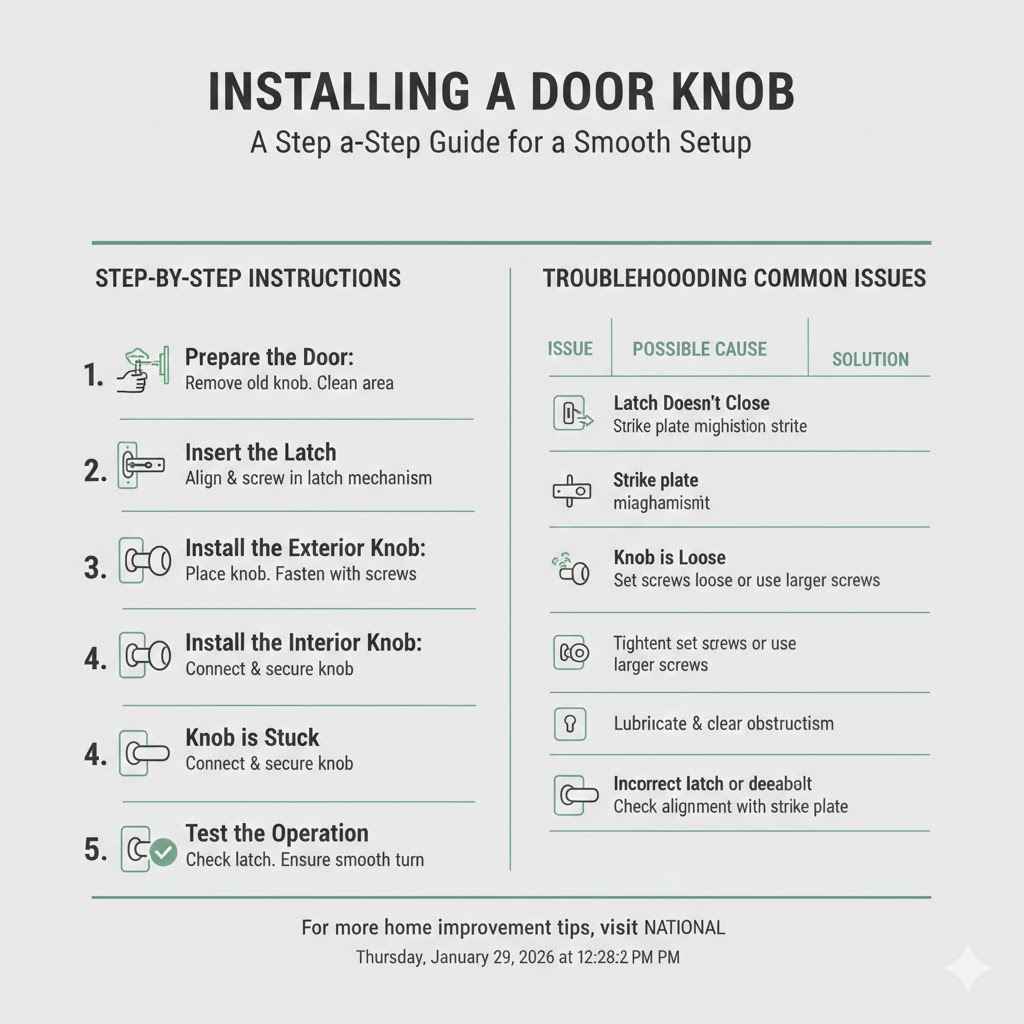
Prepare the Door: Remove the old door knob. Clean the area. Make certain you have your new door knob and tools.
If you’re replacing a door knob, remove the old one first. This includes unscrewing the old knobs and latch. Clean the door and prepare for the new hardware.
Insert the Latch: Insert the new latch mechanism into the door. Secure it with screws. Ensure the latch is aligned correctly.
Put the new latch into the door’s edge. Use screws to secure it. Be certain the latch projects in the correct direction. This is important for the door to close properly.
Install the Exterior Knob: Place the exterior knob through the bore hole. Attach it to the latch mechanism. Fasten it with screws.
Put the exterior knob through the main hole in the door. Align it with the latch. Secure it with screws. It should fit snugly against the door’s surface.
Install the Interior Knob: Place the interior knob on the other side of the door. Connect it to the exterior knob. Secure it with screws.
Place the interior knob. Ensure it lines up with the exterior knob. Attach it, securing it with screws. It should fit properly. Then, secure with screws.
Test the Operation: Test the knob and latch to verify it opens and closes properly. Check that the latch engages and disengages smoothly.
Test the operation of the knob to ensure it works properly. Make sure the latch engages when the door closes. Ensure it releases when the handle is turned. Do not skip this important step.
Troubleshooting Common Issues
During door knob installation, you may run into a few common problems. Knowing these issues will make it easier to fix them. Sometimes, the latch might not align with the strike plate. This means the door may not close or latch properly. You may have a stuck knob or a loose handle. You can adjust the strike plate or screws. The proper troubleshooting can save you time and prevent frustrations. Take action as needed. Here is a troubleshooting list.
Latch Not Aligning: The latch may not align with the strike plate. Adjust the strike plate position.
If the latch does not line up with the strike plate, the door may not latch. Loosen the strike plate screws. Adjust the plate. Tighten the screws. This alignment fixes the latching issue.
Loose Knobs: If the knobs are loose, tighten the set screws. If they don’t hold, the screws are stripped. Use larger screws.
Loose doorknobs are often because of loose set screws. Tighten these screws to secure the knobs. If the holes are stripped, use larger screws. They can provide a more secure fit.
Stuck Knob: If a knob gets stuck, check for obstructions in the mechanism. Lubricate the moving parts.
A stuck doorknob is often due to an obstruction or lack of lubrication. Inspect the mechanism for blockages. Apply lubricant to the moving parts. These actions free the knob.
Incorrect Backset: If the backset is incorrect, the latch may not work properly. Measure. Ensure the correct backset is used for the door.
The latch mechanism may not function correctly. Measure and confirm the backset. This is the distance from the edge of the door to the center of the bore hole. This ensures that the latch aligns with the strike plate on the door frame.
| Issue | Possible Cause | Solution |
|---|---|---|
| Latch Doesn’t Close | Strike plate misalignment | Adjust or reposition the strike plate. |
| Knob is Loose | Set screws loose | Tighten set screws or |
| Knob is Stuck | Obstruction in mechanism | Lubricate the mechanism and clear any obstructions. |
| Door Won’t Lock | Incorrect latch or deadbolt | Check the latch or deadbolt alignment. Ensure it matches the strike plate. |
Frequently Asked Questions
Question: What is a backset, and why is it important?
Answer: A backset is the distance from the edge of the door to the center of the doorknob hole. It’s crucial because the doorknob’s latch must align with the strike plate on the door frame for the door to close and lock properly.
Question: What are the common door knob sizes?
Answer: Common door knob sizes include standard backsets of 2 3/8 inches and 2 3/4 inches, and door thicknesses of 1 3/8 inches and 1 3/4 inches. The diameter of the bore hole is also an important dimension to consider.
Question: How do I measure my door for a new door knob?
Answer: Measure the backset (from the door edge to the center of the hole), the bore hole diameter, and the door thickness. Also, measure the distance between the center of the handle hole and the center of the deadbolt, if applicable.
Question: Can I use any door knob on any door?
Answer: No, not all door knobs fit all doors. Compatibility depends on factors like backset, bore hole size, door thickness, and the type of door (interior or exterior).
Question: What should I do if the new door knob doesn’t fit?
Answer: Double-check your measurements to ensure they match the specifications of the new door knob. If the knob still doesn’t fit, you might need to adjust the door or the strike plate, or choose a different knob.
Final Thoughts
Successfully installing a door knob requires careful consideration of the Do All Door Knobs Fit All Doors? Compatibility Guide. You now know that taking the proper measurements, understanding the types of door knobs, and matching your existing door hardware are all essential. Learning about backset, door thickness, and bore hole size is the first step.
You can confidently choose and install a new door knob by following simple steps and knowing the details. With your new knowledge, the process becomes less complex. You can improve the look and function of your doors with confidence. So, gather your tools, follow the steps, and begin your next home improvement project!