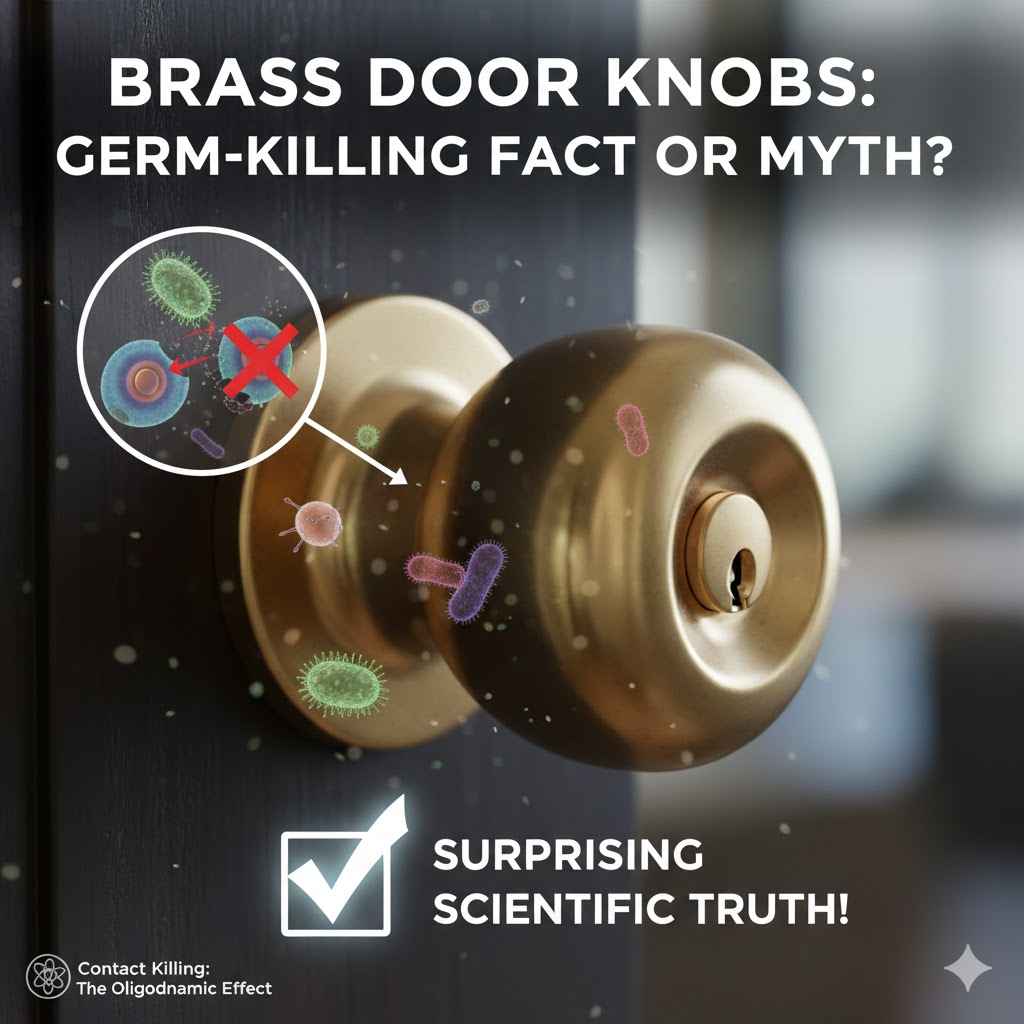
Do Brass Door Knobs Kill Germs? Surprising Facts
Ever wondered if touching that shiny brass doorknob really helps keep germs away? It sounds like a simple question, but the answer can be a bit tricky to figure out. Many people hear that brass is special for fighting off little creepy crawlies, but what does that actually mean in our everyday lives?
We’re going to break down the Do Brass Door Knobs Kill Germs? Surprising Facts in a way that’s super easy to get. Think of it as a friendly chat where we’ll go through it step by step, so by the end, you’ll know exactly what’s going on.
Let’s start by looking at why brass is even talked about when it comes to germs.
Brass And Its Natural Antimicrobial Properties
Brass has a special ability to fight off germs all by itself. This isn’t magic; it’s all about how the metal is made. When tiny germs, like bacteria and viruses, land on brass, something interesting happens.
The copper in the brass reacts with the germ’s cells. This reaction causes damage to the germ’s outer layer and its inner workings. Eventually, the germ can’t survive anymore.
This natural process means that brass is a bit like a self-cleaning surface for germs, making it a helpful material in places where cleanliness is important.
How Brass Fights Germs
The way brass defeats germs is through a process called oligodynamic action. This means that even very small amounts of certain metals, like copper, can have a strong effect on living organisms. When germs touch the brass surface, copper ions are released.
These ions are like tiny attackers that break through the germ’s cell walls. They then interfere with important functions inside the germ, like how it breathes or makes energy. This process leads to the germ’s death.
The quicker the germ dies, the less chance it has to spread to someone else.
Think about it this way: a germ lands on brass. Copper ions are released from the brass. These ions poke holes in the germ’s shell and mess up its insides.
The germ can’t fix itself and dies off pretty quickly. It’s a natural defense mechanism built into the metal itself.
- Copper Ion Release: When germs contact brass, copper from the alloy dissolves slightly into the moisture on the surface. This released copper then becomes active. It’s like the brass is shedding tiny defenders. These copper ions are highly reactive and seek out and attack the microbial cells. The rate of release can depend on factors like humidity and the specific alloy composition.
- Cell Wall Damage: Once released, copper ions work by disrupting the cell membranes of bacteria and viruses. They can create pores or holes in the cell wall, which is like the germ’s protective shield. This damage causes vital components within the cell to leak out. It also prevents the germ from maintaining its internal environment, which is essential for survival.
- Enzyme Inactivation: Inside the germ, copper ions can also interfere with essential enzymes. Enzymes are like tiny workers that help the germ perform its life functions, such as reproduction and metabolism. By binding to these enzymes, copper ions prevent them from working correctly. This stops the germ from functioning and reproducing, leading to its demise.
- Oxidative Stress: Copper ions can also cause oxidative stress within the germ’s cells. This happens when there are too many reactive molecules, called free radicals, which damage cell parts like DNA and proteins. The germ’s natural defense systems can be overwhelmed by this stress, leading to cell death. This is a strong way the metal combats the microbes.
The Role of Copper In Brass
Brass is an alloy, meaning it’s a mix of different metals. The main metals in brass are copper and zinc. Copper is the star player when it comes to fighting germs.
Most brass alloys contain a good amount of copper, often between 55% and 95%. The higher the copper content, generally, the stronger the antimicrobial effect. The zinc in brass helps to make it stronger and easier to work with, but it’s the copper that does the heavy lifting against microbes.
Different types of brass have varying percentages of copper and zinc. For example, cartridge brass has about 70% copper and 30% zinc. Naval brass has around 60% copper, 39% zinc, and 1% tin.
The exact blend influences both the metal’s appearance and its germ-fighting power. Even a small amount of copper can make a difference, but higher concentrations are more effective.
Speed Of Germ Death On Brass
One of the most surprising facts is how quickly germs can die on brass. Studies have shown that many common bacteria can be reduced by more than 99% within minutes or a few hours of landing on a clean brass surface. This is much faster than on materials like stainless steel or plastic.
For example, certain strains of E. coli have been observed to be killed within 2 to 4 hours on brass. This rapid die-off is a key reason why brass has been used in healthcare settings and public spaces.
Imagine a busy hospital waiting room or a public restroom. Door handles are touched by many people throughout the day. If these handles are made of brass, they can start breaking down germs almost as soon as they appear.
This helps prevent the spread of infections from person to person. It’s a silent but effective defense.
Comparing Brass To Other Common Materials
It’s helpful to see how brass stacks up against the materials we see every day. Most door handles are made from things like stainless steel, aluminum, nickel, or plastic. These materials don’t have the same natural germ-killing abilities as brass.
While they can be cleaned, they don’t actively destroy microbes that land on them. This means germs can stay alive on these surfaces for much longer periods, potentially spreading.
Brass Versus Stainless Steel
Stainless steel is very common for door handles because it’s strong, looks nice, and is easy to clean. However, stainless steel does not have inherent antimicrobial properties. Germs can survive on stainless steel for days or even weeks.
This is a major difference compared to brass, where many germs die within hours. So, while stainless steel is great for durability and hygiene with regular cleaning, it doesn’t offer the same level of passive germ protection.
For instance, if someone with a cold touches a stainless steel doorknob, viruses can remain viable on the surface for a considerable time. This means the next person to touch it is at a higher risk of getting sick. Brass, on the other hand, would significantly reduce the viral load on the handle much more quickly.
Brass Versus Plastic
Plastic is another popular choice for doorknobs, often because it’s inexpensive and can be molded into many shapes. Like stainless steel, plastic is not antimicrobial. In fact, some types of plastic can actually harbor and encourage the growth of bacteria.
This makes them a less ideal choice for high-touch surfaces in environments where germ transmission is a concern. Regular and thorough cleaning is essential for plastic surfaces to maintain any level of hygiene.
Consider a children’s playground or a public school. Many components there are made of plastic. While easy to maintain, their surface can become a breeding ground for germs if not cleaned frequently.
Brass surfaces in similar environments would provide an added layer of protection against microbial spread.
Brass Versus Other Alloys
While brass is known for its antimicrobial qualities due to its copper content, other copper alloys also exhibit similar properties. For example, bronze, another copper alloy, also shows some germ-killing capabilities, though generally less potent than brass. Other metals like aluminum and iron do not possess significant natural antimicrobial effects.
The key factor is the presence and concentration of copper.
Think about historical uses of copper. Ancient civilizations knew that water stored in copper vessels stayed cleaner. This was an early observation of copper’s germ-fighting power.
Modern science has explained why this happens, confirming the benefits of copper-rich materials.
Real-World Applications And Benefits
Because of its germ-fighting abilities, brass has been used in many places where hygiene is crucial. Hospitals, schools, and public buildings have benefited from using brass for doorknobs, railings, and other high-touch surfaces. This helps to reduce the spread of infections and keep people healthier.
Even in homes, choosing brass can offer a small but meaningful advantage in creating a cleaner living space.
Brass In Healthcare Settings
In hospitals and clinics, infection control is paramount. Using brass for doorknobs, push plates, and bed rails can significantly contribute to reducing the transmission of healthcare-associated infections (HAIs). Studies have shown that surfaces made from copper alloys can lead to a noticeable decrease in the presence of harmful bacteria like MRSA and VRE.
This makes the environment safer for patients, staff, and visitors alike.
A case study from a hospital in Ohio found that by replacing stainless steel surfaces with copper alloy surfaces, they saw a 58% reduction in bacterial contamination. This led to fewer infections and improved patient outcomes. It demonstrates the practical impact of using antimicrobial materials in critical environments.
Brass In Public Spaces
Public transport, schools, and airports are places where germs can spread very quickly. Installing brass doorknobs on public restrooms, subway doors, or classroom doors can help slow down this spread. It’s a passive way to improve public health.
Even though people still need to wash their hands, having a surface that actively works to kill germs can make a big difference.
Imagine a busy train station during flu season. Hundreds of thousands of people touch the same surfaces every day. By using brass for ticket counter handles or restroom doors, the risk of transferring germs from one person to another is lowered.
This offers a layer of public health protection that other materials don’t provide naturally.
Brass In Homes
While not every homeowner opts for brass doorknobs, their use can offer a subtle benefit. If you’re concerned about germs in your household, especially if you have young children or elderly family members, brass can be a good choice. It’s an attractive material that also provides an extra line of defense against everyday germs.
Regular cleaning is still important, but brass offers a little something extra.
For example, consider a doorknob on a bathroom door that is frequently used by guests. If that doorknob is brass, it can help reduce the chance of germs spreading from visitors to family members. It’s a small detail that can contribute to a healthier home environment.
Understanding The Limitations Of Brass
While brass is great at killing germs, it’s not a perfect solution. It’s important to remember that brass doesn’t eliminate the need for good hygiene practices. You still need to wash your hands regularly and clean surfaces.
Brass works best when it’s clean and not covered in dirt or grime, which can prevent the copper from doing its job effectively.
Brass Needs To Be Clean
The effectiveness of brass’s antimicrobial properties relies on direct contact between the germs and the metal surface. If a doorknob is covered in dirt, grease, or other debris, it can create a barrier. This barrier prevents the copper ions from interacting with the microbes.
Therefore, regular cleaning of brass surfaces is still necessary to ensure they can function optimally. Cleaning also removes aesthetic grime, keeping the brass looking its best.
Think of it like a filter. If the filter is clogged, it can’t do its job. Similarly, if a brass surface is dirty, it can’t effectively kill germs.
A simple wipe down with a soft cloth can make a big difference. Avoid abrasive cleaners that might damage the surface.
Brass Does Not Kill All Microbes Instantly
While many germs die quickly on brass, some might take longer. The speed at which microbes are eliminated can depend on the specific type of germ, the environmental conditions (like temperature and humidity), and the exact composition of the brass alloy. It’s not an instant sterilization process for every single microbe.
However, the overall reduction in microbial load is significant and rapid compared to non-antimicrobial surfaces.
For example, some hardy viruses might survive for a few hours on brass, while common bacteria might be gone in minutes. This means that while brass helps, it’s not a magical shield that makes surfaces completely germ-free at all times. It’s about reducing the risk, not eliminating it entirely.
The Importance Of Hand Washing
The most effective way to prevent the spread of germs is still through diligent hand washing. Brass doorknobs can supplement this practice by reducing the number of germs present on frequently touched surfaces. However, they cannot
Imagine you’ve just touched a brass doorknob. While many germs on the knob might have died, there’s still a chance some remain. If you then touch your eyes, nose, or mouth without washing your hands, you can still get sick.
Hand washing removes any remaining germs from your skin.
Maintaining Your Brass Door Knobs
To get the most out of your brass door knobs, proper care is essential. This means cleaning them correctly and understanding how to maintain their finish. With a little attention, your brass hardware can look great and continue to offer its germ-fighting benefits.
Cleaning Brass Surfaces
For regular cleaning, a soft, damp cloth is usually sufficient. If you need to remove more stubborn grime or tarnish, you can use a mild soap and water solution. Gently wipe the surface and then dry it thoroughly with a clean, soft cloth.
Avoid using harsh chemicals, abrasive scrubbers, or strong acids, as these can damage the brass finish and reduce its effectiveness.
For a more thorough cleaning, you can use a specialized brass cleaner. Apply a small amount to a soft cloth and rub the brass in the direction of the grain. Always follow the product instructions carefully.
After cleaning, rinse the brass with clean water and dry it completely to prevent water spots.
Polishing And Protection
Many people choose brass for its warm, classic look, which often involves a polished finish. Over time, brass can develop a patina, which is a natural darkening or tarnish. Some people prefer this aged look, while others like to keep their brass shiny.
If you want to restore the shine, you can use a brass polish.
When polishing, use a soft cloth and apply the polish sparingly. Rub gently in a circular motion until the desired shine is achieved. After polishing, you might consider applying a protective coating, such as a wax or lacquer.
This can help slow down the tarnishing process and keep your brass looking its best for longer. However, be aware that some protective coatings might slightly reduce the direct antimicrobial action of the copper.
Lacquer Vs. Unlacquered Brass
Brass door knobs come in both lacquered and unlacquered finishes. Unlacquered brass, also known as raw or living brass, will naturally tarnish and develop a patina over time. This unlacquered surface allows for the full antimicrobial benefits of the copper to be active.
Lacquered brass has a clear coating applied to protect it from tarnishing and maintain a constant shine.
While lacquer provides a consistent look and reduces maintenance, it can also act as a barrier to the copper’s germ-killing properties. If your primary concern is germ reduction, unlacquered brass is generally more effective. If you prefer the low maintenance and consistent shine, lacquered brass is a good choice, but you rely more on regular cleaning for hygiene.
Frequently Asked Questions
Question: Do brass door knobs actually kill germs?
Answer: Yes, brass door knobs can kill germs due to the copper content in the alloy, which has natural antimicrobial properties that damage and kill microbes.
Question: How quickly do germs die on brass?
Answer: Many common germs can be reduced by over 99% within minutes to a few hours on a clean brass surface, much faster than on materials like stainless steel or plastic.
Question: Do I still need to wash my hands if I have brass door knobs?
Answer: Absolutely. While brass helps reduce germs on surfaces, hand washing is the most effective way to prevent germ spread and is still essential after touching any surface.
Question: Will brass door knobs tarnish?
Answer: Unlacquered brass will naturally tarnish and develop a patina over time. Lacquered brass is coated to prevent tarnishing and maintain its shine.
Question: Is brass safe to touch for everyone?
Answer: Yes, brass is safe to touch for everyone. Its antimicrobial properties are a benefit, not a hazard, and do not pose a risk to human health.
Summary
So, do brass door knobs kill germs? The surprising fact is yes, they have a natural ability to reduce microbes thanks to their copper content. This metal actively works to damage and destroy germs, often much faster than other common materials like stainless steel or plastic.
While regular cleaning and hand washing remain critical for hygiene, brass offers an extra layer of germ-fighting power, especially in high-traffic areas. Choosing brass means opting for a surface that contributes to a cleaner environment.