How to Change a Door Knob (Visible or Hidden Screws)
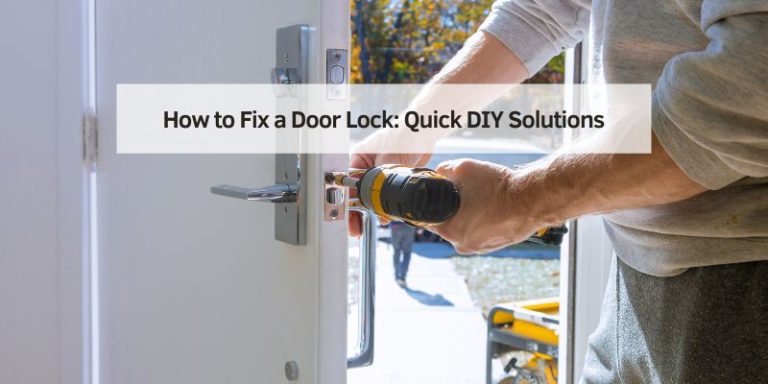
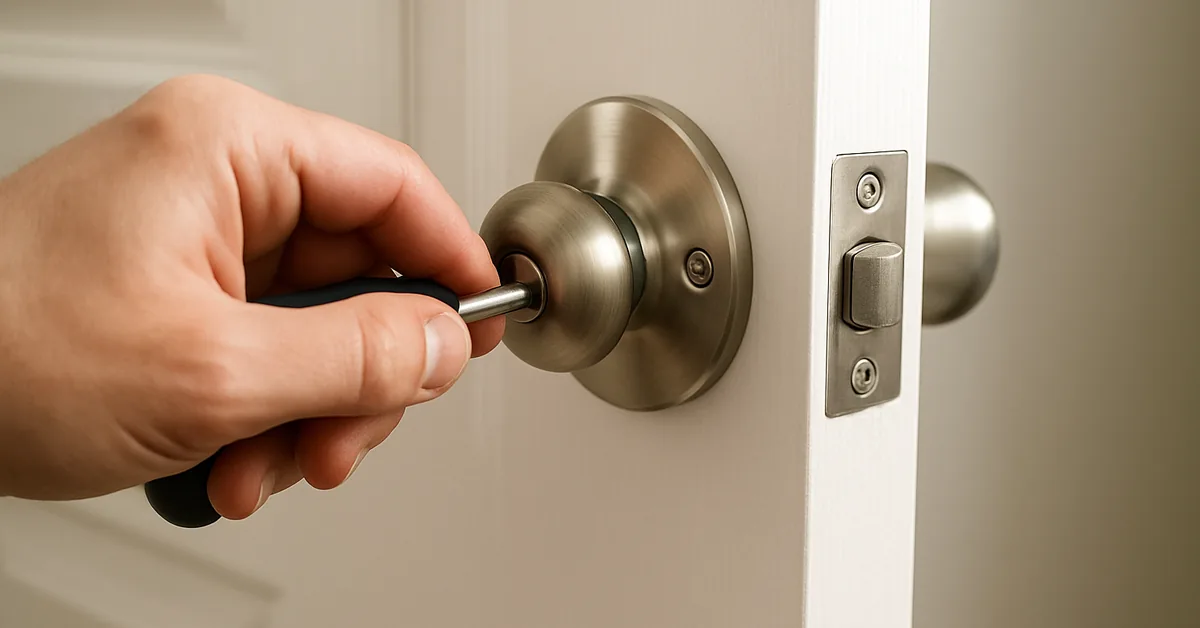
Changing a door knob takes about 15-30 minutes with just a screwdriver, whether you’re upgrading the style or fixing one that’s broken, stuck, or won’t turn. Hidden-screw models need a different removal method than visible-screw knobs, so identifying your type first saves a trip back to the hardware store. This guide covers removing the old knob (visible or hidden screws), installing the new one, and fixing a broken or misaligned latch.
Tools And Materials Needed
Changing a door knob is easy with the right tools. You need a screwdriver to remove screws. A new door knob is necessary. Tape can help keep small parts together. Pliers are useful for gripping. Make sure to have a drill ready. A level is good for checking alignment. Safety glasses protect your eyes. Measuring tape helps check sizes. Keep a pen and paper handy for notes. A dust cloth is useful for cleaning. Lubricant helps parts move smoothly. Flashlight is useful for dark areas. Old rags can be used to clean dust.
📊 Most residential door knobs use an adjustable 2-3/8″ to 2-3/4″ backset, so a standard replacement knob fits without redrilling — Source: Kwikset, residential door hardware specifications
Choosing The Right Door Knob
Door knobs come in different types. There are round and lever knobs. Round knobs are common and easy to use. Lever knobs are more stylish and modern. Both types work well, but some people like one more than the other.
Another type is the privacy knob. It has a lock for bathrooms or bedrooms. There’s also the passage knob, which doesn’t lock. It’s great for hallways or closets. Choose the type that fits your needs best.
Think about the style of the knob. It should match your room’s look. Knobs come in many colors and shapes. Some are shiny, others are matte. Choose what looks good in your home.
Also, consider the functionality. A door knob should be easy to turn. Make sure it fits your hand well. It should also work smoothly when you lock or unlock it. The right knob makes your home look and feel better.
“Every Schlage lock undergoes intensive testing to determine its ANSI grade level including: cycle, resistance, door impact, warped door and bolt strength tests.”
Best Door Knob Pick
Kwikset Tylo Interior Privacy Door Knob with Lock – $13.34
A genuine privacy knob for the bathroom or bedroom doors this guide covers – twist-lock inside with an emergency-release outside, and ANSI/BHMA Grade 3 certified like the testing standard referenced above.
- Best for: bedrooms and bathrooms that need a real locking privacy knob, not just a passage knob
- Why we picked it: ANSI/BHMA Grade 3 certified – the same grade-testing standard this guide’s lock-testing quote references – and installs with just a screwdriver in minutes
- Main drawback: only available in satin nickel, no matte black or brass finish option
Compare more door knob options
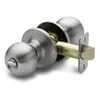 Option 1 Copper Creek Privacy Door Knob – $7.34
|
 Option 2 Plustool 10-Pack Door Knobs – $40.99
|
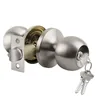 Option 3 BESTTEN Keyed Entry Door Knob – $8.69
|
As an Amazon Associate we earn from qualifying purchases.
Removing The Old Door Knob
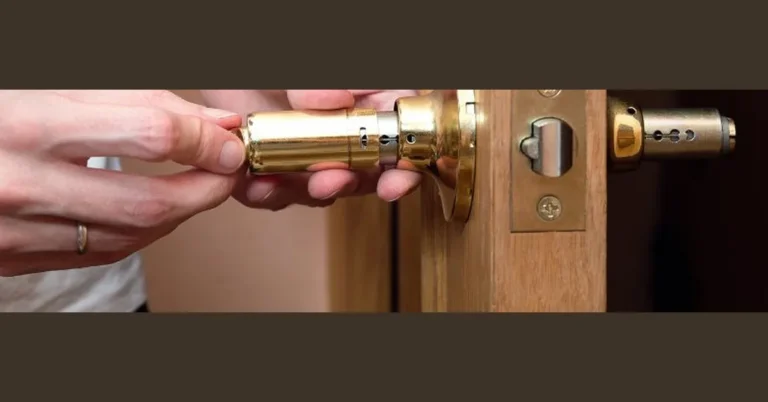
Find the screws on the door knob. Use a screwdriver to turn them. Make sure the screws are completely loose. Hold the knob firmly. Pull the knob away from the door. Be careful not to damage the door.
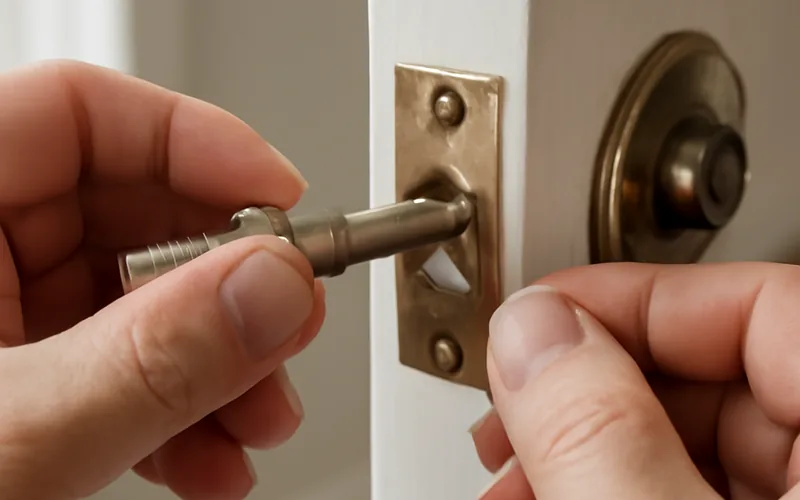
Locate the latch on the door edge. Unscrew the latch plate with your screwdriver. Gently pull out the latch. Check for any stuck parts. Remove them if needed. Ensure the latch hole is clear. Clean the area if dirty.
Preparing The Door For Installation
First, make sure the door surface is clean. Use a damp cloth to remove dust. Dirt and grime can make the job harder. Dry the surface with another cloth. This will help the knob fit better. A clean door also looks nice.
Check if the door is straight. Use a level tool for this. The door should not lean to one side. If it does, it may not close properly. Fix any issues before installing the knob. Proper alignment makes the knob work well.
Installing The New Door Knob
First, hold the latch in the hole on the door edge. Make sure the flat side faces the door frame. Push it gently until it fits snugly. Use a screwdriver to secure the latch with screws. Check if it is firm and does not move.
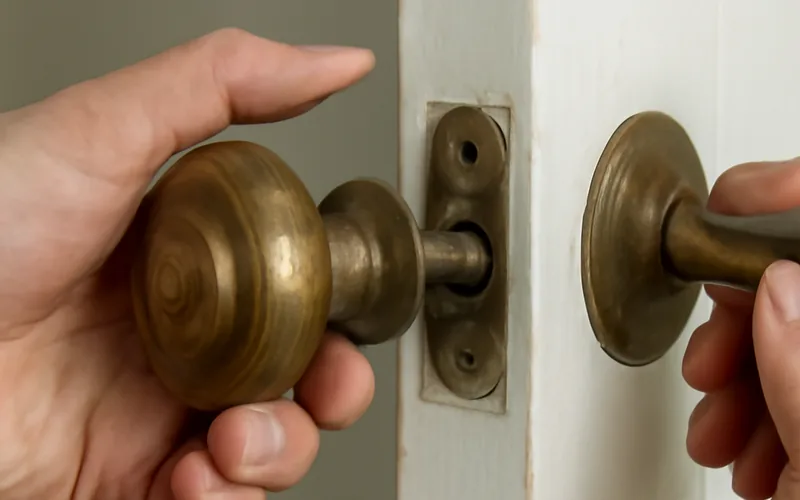
Take one knob piece and line it up with the holes. Insert the spindle through the latch. Attach the other knob on the opposite side. Tighten the screws to hold both knobs together. Ensure the knob turns smoothly. Test the latch by twisting the knob.
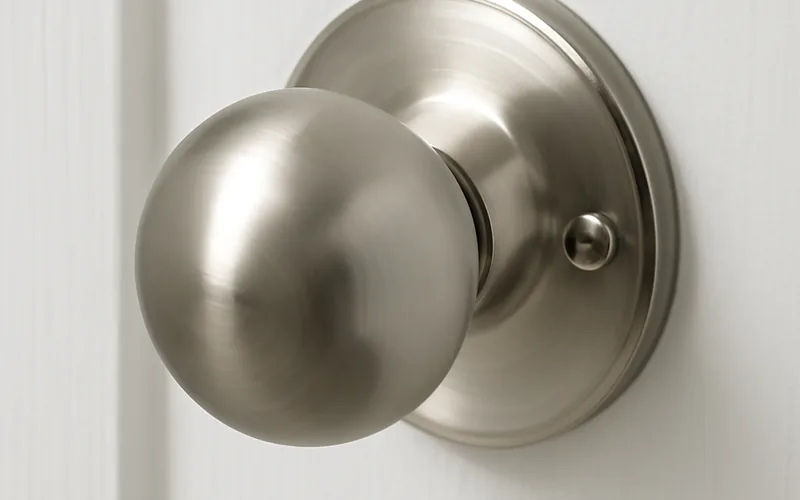
Testing The New Door Knob
Make sure the door knob locks and unlocks easily. Turn the knob to lock the door. Then, unlock it. Repeat this step several times. The lock should work smoothly. If not, adjust the door knob. Make sure the door closes tightly.
Turn the knob to open the door. Close it again. Check if the knob turns without sticking. It should move freely. If there is resistance, check the alignment. Adjust the screws if needed. Test the door knob again. It should work perfectly now.
Troubleshooting Common Issues
Changing a door knob can be tricky. Common issues include misalignment, loose screws, and stuck latch mechanisms. Follow basic troubleshooting steps to ensure a smooth installation.
Adjusting Misalignment
Sometimes, a door knob does not line up well. This can make it hard to close the door. Check if the latch and the hole match up. If not, you may need to move the strike plate. Loosen the screws a bit. Tap the plate gently with a hammer. Then, tighten the screws again. This might fix the misalignment problem.
Fixing Loose Screws
A door knob can feel wobbly if the screws are loose. Use a screwdriver to tighten them. Turn the screws to the right. Make sure they are snug. Do not make them too tight. This can strip the screw holes. If the screws do not hold, use bigger ones. This should secure your knob well.
How to Replace a Broken Doorknob
A broken doorknob usually falls into one of three problems: the spindle is snapped or stripped, the latch won’t retract, or the knob spins freely without engaging the latch. If the knob spins loose, the spindle’s D-shaped end has likely worn round or sheared – there’s no fixing this, the whole knob assembly needs replacing rather than just tightening a screw. If the latch won’t retract at all, check for a bent or rusted latch bolt before assuming the knob itself is bad; a full replacement kit (knob plus latch) is usually cheaper than sourcing a matching replacement part alone.
Maintenance Tips For Longevity
Replacing a door knob is a simple task that can extend its lifespan. Start by removing the screws and old knob. Install the new knob securely, ensuring it functions smoothly. Regularly check for loose screws to maintain its longevity. Proper installation prevents wear, keeping your door knob in good shape for years.
Regular Cleaning
Clean the door knob often to keep it shiny. Use a damp cloth with mild soap. Remove dirt and grime gently. Avoid harsh chemicals as they can damage the knob. Dry the knob with a soft cloth to prevent rust. This will help it last longer.
Lubrication Advice
A squeaky door knob needs some oil. Use a light lubricant like WD-40. Spray a small amount on the moving parts. Turn the knob a few times to spread the oil. Wipe off any excess to keep it clean. This keeps the knob working well and smooth.
Frequently Asked Questions
Is It Easy To Change A Door Knob?
Changing a door knob is generally easy. Basic tools like a screwdriver are usually needed. Follow instructions on the new knob’s packaging. Remove the old knob and install the new one, ensuring alignment. Most people can complete the task in under an hour.
How To Remove A Door Knob With Hidden Screws?
Locate the small hole or slot on the knob’s side. Use a flathead screwdriver or paperclip to press the release button inside. This unlocks the knob, allowing you to pull it off. Remove the rose cover to access hidden screws, then unscrew them to detach the entire assembly.
Is It Easy To Change Door Handles?
Changing door handles is typically straightforward. Most handles come with a simple installation guide. Basic tools like a screwdriver are often needed. Ensure compatibility with your door before purchasing. This DIY task enhances home aesthetics and functionality. Always follow the manufacturer’s instructions for best results.
How To Remove Old Door Knob Latch?
To remove an old door knob latch, unscrew the door knob, detach the faceplate, and pull out the latch. Use a screwdriver for easier removal. Ensure screws and latch are kept safely. This task is simple and requires only basic tools, making it manageable for most DIY enthusiasts.
Conclusion
Changing a door knob is a simple task. With basic tools, anyone can do it. Start by removing the old knob. Use a screwdriver for this step. Next, install the new knob. Make sure everything fits well. Tighten screws to secure the knob.
Test the knob by opening and closing the door. It should work smoothly. No more struggles with a faulty door knob. A small task can make a big difference. Enjoy the ease of a functioning door knob in your home.
It’s a quick fix with satisfying results.
Sponsored / affiliate links. As an Amazon Associate I earn from qualifying purchases. I may earn additional commission from eligible campaigns.