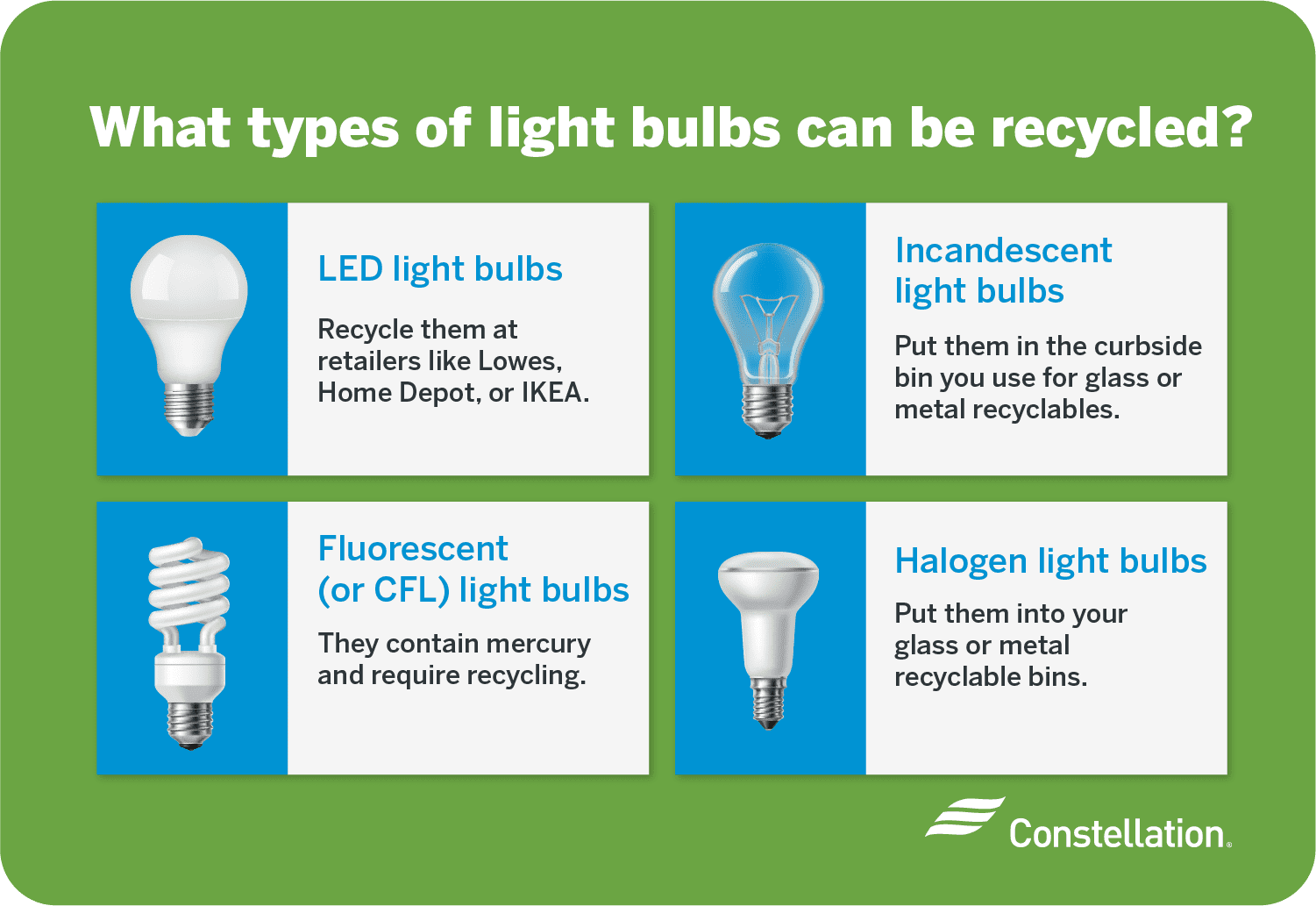
Do LED Bulbs Need to Be Recycled? Essential Insights
Have you ever wondered what happens to your old LED bulbs once they flicker their last light? You might be surprised to learn that simply tossing them in the trash might not be the best option.
You care about the environment and want to make sure you’re doing your part, right? Recycling is often a buzzword tossed around when it comes to sustainability, but do LED bulbs actually need to be recycled? This question can leave you in a bit of a dilemma, especially when you consider how many LED bulbs you use in your home or office.
By the end of this article, you’ll have clear answers and actionable steps that align with your eco-friendly mindset. Let’s illuminate the path forward together and discover the real impact of recycling LED bulbs.
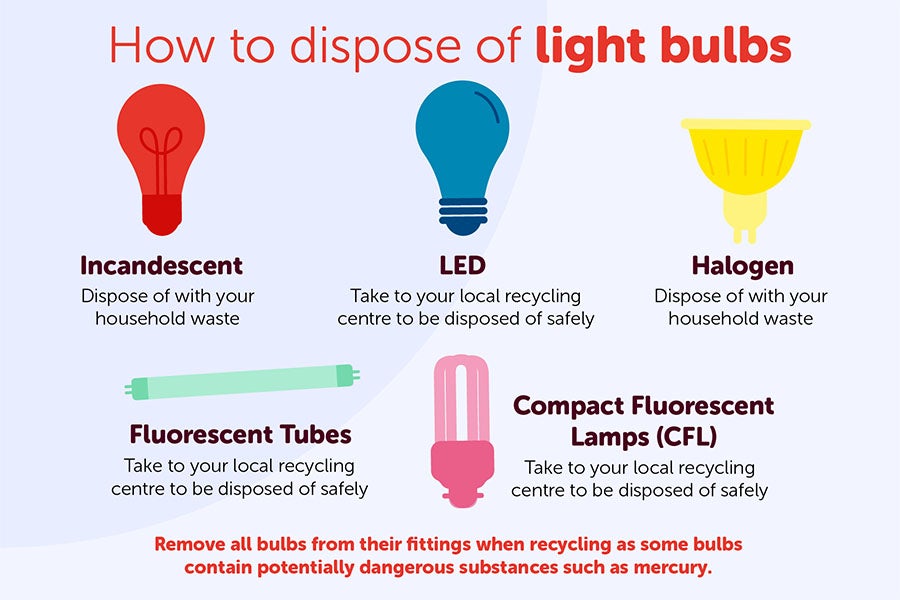
Credit: www.homeserve.co.uk
LED Bulbs And Environmental Impact
LED bulbs are better for the environment. They use less energy and last longer. This means less waste over time. But, they still need to be recycled. Recycling helps keep harmful materials out of the earth. Some LED bulbs have small amounts of toxic metals. These metals can harm the soil and water. Recycling centers know how to handle them.
It’s easy to recycle LED bulbs. Many stores offer recycling bins. You can also find special recycling programs online. It’s important to check local rules. Not all places recycle the same way. Help the planet by recycling your old LED bulbs. It makes a big difference.
Components Of LED Bulbs
LED bulbs have many parts. The main part is the LED chip. This chip makes the light. Housing is the outside cover. It protects the bulb. Heat sink keeps the bulb cool. The bulb won’t overheat. Driver helps control the bulb. It manages electricity flow. Lens spreads the light. It helps the light shine better. Base connects the bulb to the lamp. It holds the bulb in place.
Each piece has its job. Together, they make the bulb work. Understanding these parts is important. We see why recycling matters. Each part can be reused. This helps save resources. It’s good for the Earth.
Why Recycling Matters
Recycling helps save the planet. It keeps harmful waste out of landfills. LED bulbs contain valuable materials like glass and metal. Recycling these materials reduces the need for new resources. Old LED bulbs can be turned into new products. This saves energy and natural resources. Recycling also prevents pollution. It stops toxic substances from harming the earth.
Many people throw away LED bulbs. But recycling them is better. LED bulbs last long. But when they break, they should be recycled. Recycling is easy. Some stores take old bulbs. They send them to recycling plants. Recycling makes a big difference. Everyone can help by recycling their old bulbs.
Hazardous Materials In LEDs
LED bulbs have small amounts of hazardous materials. These materials can harm the environment. Some LEDs have leadand arsenic. These elements are dangerous if not disposed of properly. Recycling helps keep these materials out of landfills. It ensures they do not pollute our planet. Always check local rules for recycling. Sometimes, stores offer recycling programs. They make it easy to recycle old bulbs. Proper disposal is important for safety. It protects nature and our health.
Recycling Process For LED Bulbs
LED bulbs are better for the earth. They use less energy. But they still need to be recycled. Inside LED bulbs, there are small parts. These parts can be reused. Recycling helps keep our planet clean.
The first step is collecting old bulbs. People bring them to special places. These places are called recycling centers. Workers at the center take the bulbs apart. They sort the parts into different bins. Glass, metal, and plastic are separated.
Each part is handled carefully. Glass gets cleaned and melted. Metal gets melted too. Plastic is crushed and reused. This makes new products. Recycling helps save resources. It is important for the future.
Credit: www.co.burlington.nj.us
Challenges In LED Recycling
LED bulbs have valuable materialsinside. These include metalsand plastics. Recycling helps recover these resources. But there are challenges. LED bulbs have different parts. Each part needs special handling. This makes recyclingcomplex.
Some partsare hard to separate. This takes time and skills. Recycling centersneed special tools. These tools are often costly. Not many centers have them. So, they can’t recycleall LED bulbs.
LED bulbs contain hazardous materials. These can harm the environment. Proper disposalis important. But many people don’t know how to disposeof them. This leads to improper disposal. It’s a big problem.
Benefits Of Recycling LEDs
Recycling LED bulbsis very important. It helps keep the planet clean. These bulbs have materials that can be reused. Glass, metal, and plasticare in them. Recycling keeps these materials out of the trash. This saves space in landfills. Recycling also saves energy. Making new materials uses a lot of power. Using old materials uses less power. This helps save money. Recycling is good for everyone. It protects nature. It helps people. It’s easy and smart.
Legislation And Recycling Policies
Many countries have recycling lawsfor LED bulbs. These laws help the environment. LED bulbs contain valuable materials. Recycling saves these materials. Some laws make recycling LED bulbs a requirement. Failing to recycle can lead to fines.
Different places have different rules. In some areas, you can recycle bulbs at local stores. Other places have special centersfor recycling. Always check local rules before disposing of LED bulbs. This helps keep the planet cleanand safe.
Consumer Responsibility
LED bulbs are not like regular bulbs. They contain valuable materials. These materials can be recycled. Recycling helps the environment. It reduces waste and pollution. Consumers play a big role. They need to be responsible. Proper disposal is important. Don’t throw LED bulbs in the trash. Find a recycling center near you. Many stores offer recycling services. Check their policies. It’s easy to recycle LED bulbs. Proper recycling saves resources.
LED bulbs have parts that can be reused. Recycling helps save energy. It also protects our planet. Every small action counts. Teach kids about recycling. It helps them learn responsibility. Responsible choices make a big difference. Recycling is a smart choice. It shows you care about the earth. Together, we can make a change.
Future Of LED Recycling
LED bulbs are becoming very popular. They use less energy. They last longer than regular bulbs. But LED bulbs have tiny parts that can be harmful. Proper recycling is important for these. It keeps harmful things out of the earth. It helps save important materials. Recycling LEDs is a growing topic. People are thinking about better ways to do it. This can help the planet. It also helps keep our future safe.
Some countries have special places for LED recycling. They make sure it’s done right. More people are learning about this. It’s important to tell others. Everyone can help by recycling their old LEDs. Let’s keep our world clean and green!
Frequently Asked Questions
Do LED Bulbs Need Special Recycling Methods?
Yes, LED bulbs require special recycling due to their electronic components. They contain materials like metals and plastics that need proper disposal. Recycling helps in recovering valuable materials and prevents environmental contamination. Always check local recycling guidelines for LED bulb disposal.
What Materials In LED Bulbs Need Recycling?
LED bulbs contain materials like metals, glass, and plastics that need recycling. Recycling these materials helps conserve resources and reduces landfill waste. Proper disposal ensures that hazardous substances do not harm the environment. Always follow local recycling procedures for safe disposal.
Are LED Bulbs Harmful If Not Recycled?
If not recycled, LED bulbs can contribute to environmental harm. They contain components like metals and plastics that can pollute the environment. Proper recycling prevents these materials from entering landfills, reducing pollution and conserving resources. Always recycle LED bulbs responsibly.
Where Can I Recycle LED Bulbs?
You can recycle LED bulbs at local recycling centers or participating retailers. Many stores offer recycling programs for electronic waste, including LED bulbs. Check online for nearby recycling facilities or collection events. Ensure to follow local guidelines for proper recycling.
Conclusion
Recycling LED bulbs is important for the environment. They contain valuable materials. Proper disposal helps conserve resources and reduce waste. Many recycling centers accept LED bulbs. Check local guidelines for disposal options. Recycling also prevents harmful substances from entering landfills.
It’s a small step with big benefits. By recycling, you contribute to a cleaner planet. Make the choice to recycle LED bulbs today. Every effort counts in protecting our world. Spread awareness about recycling LED bulbs. Encourage others to join this eco-friendly practice.
Together, we can make a difference. Let’s protect our environment for future generations.