Do LED Light Bulbs Save Energy? A Deep Dive into Efficiency and Savings
Hey there! If you’re like me, you’ve probably wandered down the lighting aisle at a hardware store, staring at rows of bulbs and wondering which ones are worth your money. A few years ago, I was in that exact spot, trying to figure out if LED light bulbs really live up to the hype about saving energy. Spoiler alert: they do, and I’ve spent a lot of time digging into why.
In this article, I’m going to walk you through everything I’ve learned about LED bulbs, from how they work to how much they can save you on your energy bill. Whether you’re a homeowner looking to cut costs or just curious about greener options for your car or home, I’ve got you covered. Let’s dive in and explore why LEDs are such a game-changer.
What Are LED Light Bulbs and How Do They Work?
I remember the first time I picked up an LED bulb. It felt like holding the future—lightweight, sleek, and promising big savings. LED stands for Light Emitting Diode, a fancy way of saying it’s a tiny electronic device that lights up when electricity flows through it. Unlike old-school incandescent bulbs that burn a filament to glow, LEDs use a semiconductor to convert electricity into light. This process is super efficient because it produces very little heat.
When I started swapping out my old bulbs for LEDs, I noticed they were brighter and didn’t get hot to the touch. That’s because LEDs turn most of their energy into light, not heat. Incandescent bulbs, on the other hand, waste about 90% of their energy as heat. Think about it: when you’re paying for a bulb to light up your room, you don’t want most of that energy warming up the air instead! LEDs are designed to focus on light output, which is why they’re so good at saving energy.
Why Energy Efficiency Matters in Lighting
Energy efficiency isn’t just a buzzword—it’s a real way to save money and help the planet. When I first started looking into LEDs, I was shocked to learn how much energy lighting uses in the average American home. According to the U.S. Department of Energy, lighting accounts for about 10% of a household’s electricity bill. That might not sound like much, but it adds up, especially if you’re using outdated bulbs.
For car enthusiasts like me, efficient lighting is just as important. Whether it’s headlights, interior lights, or underglow, the lights in your vehicle draw power from the battery or alternator. Using energy-hungry bulbs can strain your car’s electrical system, especially in older models. LEDs, with their low power draw, are a lifesaver for keeping your car running smoothly while looking sharp. Plus, who doesn’t want to save a few bucks on their electric bill or fuel costs?
Comparing LEDs to Other Bulbs: A Clear Winner
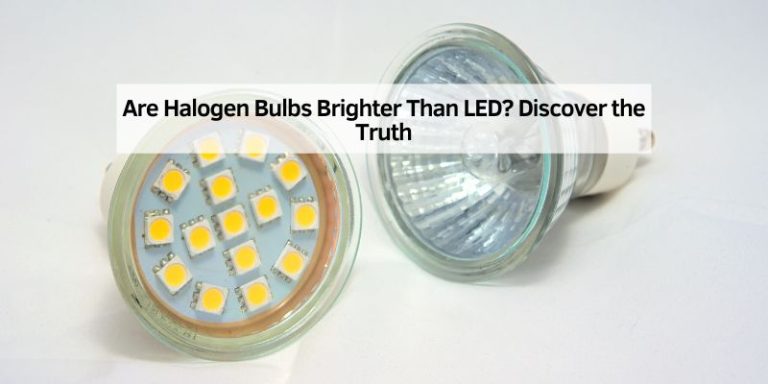
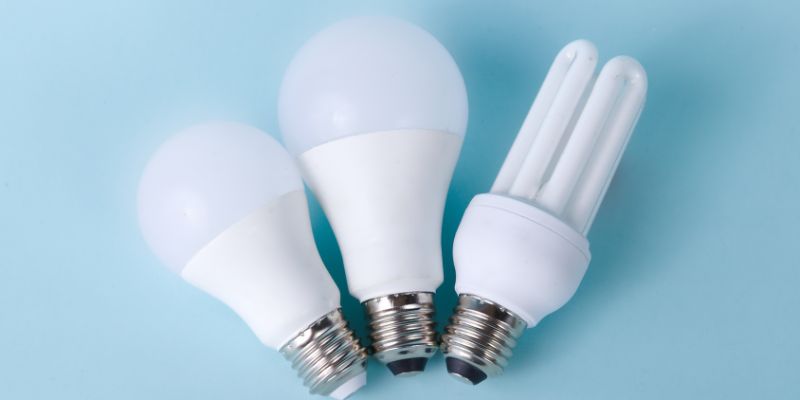
To really understand why LEDs save energy, I decided to compare them to other common bulbs: incandescent, CFL (compact fluorescent), and halogen. I even made a little chart to keep things straight in my head. Here’s what I found:
| Bulb Type | Energy Use (Watts) | Lifespan (Hours) | Light Output (Lumens per Watt) |
|---|---|---|---|
| LED | 8-15 | 25,000-50,000 | 80-100 |
| Incandescent | 60-100 | 1,000-2,000 | 10-17 |
| CFL | 13-25 | 8,000-15,000 | 50-70 |
| Halogen | 40-70 | 2,000-4,000 | 15-20 |
When I saw these numbers, it was like a light bulb went off (pun intended). LEDs use way less power to produce the same amount of light. For example, a 10-watt LED can shine as brightly as a 60-watt incandescent. That’s a huge difference! Plus, LEDs last so much longer. I’ve had some LEDs in my house for over five years, and they’re still going strong. Compare that to incandescent bulbs, which I used to replace every few months.
How Much Money Can You Save with LEDs?
Okay, let’s talk dollars and cents because that’s what really got my attention. When I switched to LEDs in my home, I wanted to know exactly how much I’d save. So, I did some math (don’t worry, I’ll keep it simple). Let’s say you have ten 60-watt incandescent bulbs in your house, each running for 5 hours a day. That’s about 3,000 watt-hours of energy daily. At an average U.S. electricity rate of 13 cents per kilowatt-hour, you’re spending around $142 a year on lighting.
Now, swap those for 10-watt LEDs. You’re down to 500 watt-hours daily, which costs about $24 a year. That’s a savings of $118 annually, just for ten bulbs! In my case, I have way more than ten lights in my house and garage, so the savings added up fast. For cars, the savings are less about dollars and more about reducing strain on your battery, which can mean fewer alternator repairs over time.
LEDs in Automotive Lighting: A Bright Idea
As someone who loves tinkering with cars, I was thrilled to discover how LEDs transform automotive lighting. A few years back, I upgraded my truck’s headlights to LEDs, and the difference was night and day (sorry, another pun). LED headlights use less power than traditional halogen bulbs, which means less strain on my truck’s electrical system. They also produce a crisp, white light that makes night driving safer and easier on the eyes.
I also added LED interior lights and some accent lighting under the chassis. Not only do they look cool, but they barely sip power compared to older bulbs. For example, a typical halogen headlight uses 55-65 watts, while an LED headlight might use 20-30 watts for the same or better brightness. If you’re into off-roading or long drives, that efficiency can extend your battery life, especially when you’re running multiple accessories.
Environmental Benefits of LED Lighting
I’m not a hardcore environmentalist, but I do care about doing my part. LEDs are a win for the planet because they use less electricity, which means power plants burn less fuel. Less fuel burned equals fewer greenhouse gas emissions. When I learned that switching to LEDs could reduce my home’s carbon footprint by hundreds of pounds of CO2 per year, I felt pretty good about my choice.
In cars, LEDs help too. A more efficient electrical system means your engine doesn’t have to work as hard to power the alternator, which can slightly improve fuel economy. It’s not a huge difference, but every little bit counts, right? Plus, LEDs contain no toxic materials like mercury, which is found in CFLs. When I toss an old LED bulb, I don’t have to worry about special recycling rules.
Are There Any Downsides to LEDs?
I’ll be honest—LEDs aren’t perfect. When I first started using them, I ran into a couple of issues. For one, they can be pricier upfront. A good LED bulb might cost $5-$10, compared to $1-$2 for an incandescent. But with the energy savings and long lifespan, they pay for themselves pretty quickly. I figured my LEDs paid off in less than a year.
Another thing I noticed is that not all LEDs are dimmable. If you have a dimmer switch, you need to check the packaging to make sure the bulb is compatible. I learned this the hard way when I installed some non-dimmable LEDs in my living room and got a flickering mess. Also, some people don’t love the bright, white light of LEDs. I found that choosing “warm white” LEDs (around 2700K color temperature) gives a cozy vibe similar to incandescent bulbs.
Choosing the Right LED Bulb for Your Needs
Picking the right LED bulb can feel overwhelming with all the options out there. I’ve spent hours reading labels, and here’s what I’ve learned. First, check the lumens, not watts. Lumens tell you how bright the bulb is. For example, 800 lumens is about the same as a 60-watt incandescent. Second, look at the color temperature. Warm white (2700 K- 3000 K) is great for living spaces, while cool white (3500 K- 4500 K) works well for garages or workspaces.
For automotive use, make sure the LED bulbs are compatible with your vehicle’s make and model. Some cars require specific bulb sizes or have computer systems that don’t play nice with aftermarket LEDs. I always double-check my owner’s manual or ask at the auto parts store to avoid headaches. Also, look for LEDs with good heat sinks—those metal fins on the bulb—because they help keep the bulb cool and extend its life.
Installing LEDs: Easy as Changing a Light Bulb
One thing I love about LEDs is how easy they are to install. For home lighting, it’s literally just screwing in a new bulb. I swapped out every bulb in my house in less than an hour. For cars, it’s a bit more involved, especially for headlights. I had to pop the hood and remove a couple of clips to access the headlight housing, but it was still a 20-minute job. If you’re not comfortable doing it yourself, most auto shops can handle it for a small fee.
One tip: always handle LED bulbs carefully. They’re more durable than incandescent bulbs, but the electronics inside can be sensitive to rough handling. And if you’re installing LED headlights, make sure they’re properly aligned so you don’t blind other drivers. I learned that one after a few honks on the highway!
Long-Term Savings and Durability
The longevity of LEDs is what really sold me. I used to dread changing bulbs in hard-to-reach places, like my garage’s high ceiling. With incandescent bulbs, I was up on a ladder every few months. LEDs? I haven’t touched them in years. Most LEDs are rated for 25,000 to 50,000 hours. If you use a bulb for 5 hours a day, that’s 13-27 years of life. That’s insane compared to the 1,000 hours you get from incandescent bulbs.
This durability is a big deal for cars, too. Headlights and taillights take a beating from vibrations and weather, but LEDs are built tough. I’ve driven my LED-equipped truck through rain, snow, and dusty trails, and the lights still work like new. Plus, the lower energy use means less wear on your car’s electrical system over time.
Why LEDs Are the Future of Lighting
After years of using LEDs, I’m convinced they’re the way to go. They save energy, cut costs, and last forever (well, almost). The technology keeps getting better, too. I’ve seen new LEDs that are even more efficient and offer smart features like color-changing or app control. For car lovers, LED lighting kits are getting more affordable, letting you customize your ride without breaking the bank.
Switching to LEDs feels like a small choice that makes a big impact. Every time I get my electric bill or drive at night with crystal-clear headlights, I’m reminded why I made the switch. It’s not just about saving energy—it’s about making life easier, brighter, and a little greener.
Conclusion
So, do LED light bulbs save energy? Absolutely, and then some. From slashing your electric bill to making your car more efficient, LEDs are a no-brainer. I’ve seen the difference in my own home and vehicle, and I’m hooked. They’re efficient, long-lasting, and versatile enough for any lighting need. Whether you’re lighting up your living room or upgrading your car’s headlights, LEDs deliver brightness without the waste. If you haven’t made the switch yet, give it a try. I promise you’ll wonder why you didn’t do it sooner. Here’s to brighter days and smaller bills!
Frequently Asked Questions
Do LED bulbs really save energy compared to other bulbs?
Yes, they do! LEDs use up to 80% less energy than incandescent bulbs and about 40% less than CFLs. I’ve seen my electric bill drop since switching, and the math checks out—LEDs are way more efficient.
Can I use LED bulbs in my car?
Definitely! LED bulbs are great for headlights, taillights, and interior lighting. Just make sure they’re compatible with your car’s electrical system and properly aligned to avoid dazzling other drivers.
Are LED bulbs worth the higher upfront cost?
In my experience, yes. They cost more upfront, but the energy savings and long lifespan make them pay for themselves in a year or two. I haven’t regretted a single LED purchase.
Do LEDs work with dimmer switches?
Some do, but not all. Check the packaging for “dimmable” LEDs. I made the mistake of buying non-dimmable ones once, and the flickering was annoying. Always double-check!
Are LEDs better for the environment?
They are! LEDs use less electricity, which means fewer emissions from power plants. Plus, they don’t contain nasty stuff like mercury, so they’re easier to recycle.
How long do LED bulbs actually last?
Most LEDs last 25,000 to 50,000 hours. I’ve had some in my house for over five years with no issues. That’s way longer than any other bulb I’ve used.
Can I use LEDs in any light fixture?
Usually, yes, but check the bulb size and socket type. For older fixtures or dimmers, make sure the LED is compatible. I’ve had no trouble in standard fixtures, but specialty ones might need a specific bulb.