Do Pocket Doors Lock? A Comprehensive Guide to Pocket Door Locks
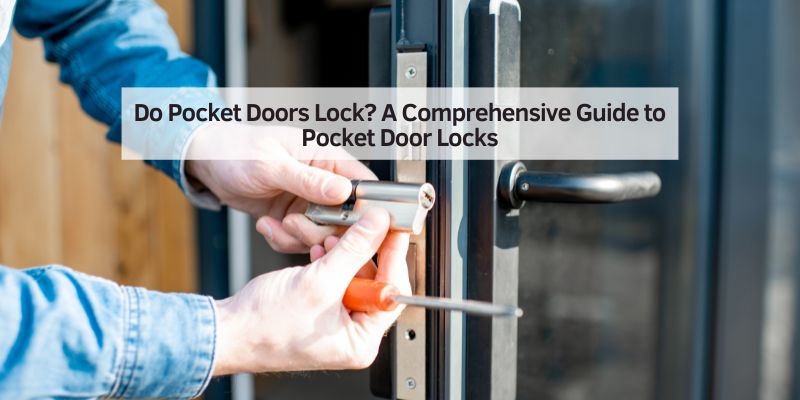
Hey there! If you’re reading this, chances are you’re curious about pocket doors and whether they can lock. I’ve been down this road myself, exploring the ins and outs of pocket doors for my own home renovation. They’re sleek, space-saving, and add a modern touch to any room, but the question of security always pops up: Do pocket doors lock? Spoiler alert—they absolutely can! In this article, I’m going to walk you through everything I’ve learned about pocket door locks, from how they work to the best options for your home. Whether you’re a homeowner, renter, or just dreaming up your next DIY project, I’ve got you covered with practical advice and insights. Let’s dive in!
What Are Pocket Doors, Anyway?
Before we get into locks, let’s talk about what makes pocket doors so special. I first fell in love with pocket doors when I saw them in a friend’s home. They slide right into the wall, disappearing completely when open. It’s like magic! Unlike traditional hinged doors, pocket doors don’t swing out, so they save a ton of floor space. They’re perfect for small rooms, bathrooms, or closets where every square inch counts.
In my own home, I installed a pocket door between my living room and home office. It’s been a game-changer for creating a quiet workspace without sacrificing style. But here’s the thing: I wanted to make sure my office could be private when needed. That’s when I started digging into whether pocket doors can lock—and trust me, they can, but it’s not as simple as slapping a lock on a regular door.
Can Pocket Doors Lock? The Short Answer
Yes, pocket doors can lock! But it’s not always as straightforward as a standard door lock. Since pocket doors slide into a wall cavity, the locking mechanism has to be designed to fit within that slim space. I learned this the hard way when I tried to install a regular door knob on my pocket door—spoiler: it didn’t work! Pocket doors require special hardware, and there are several types of locks that work beautifully. Let’s break down the options so you can find the right one for your home.
Types of Pocket Door Locks
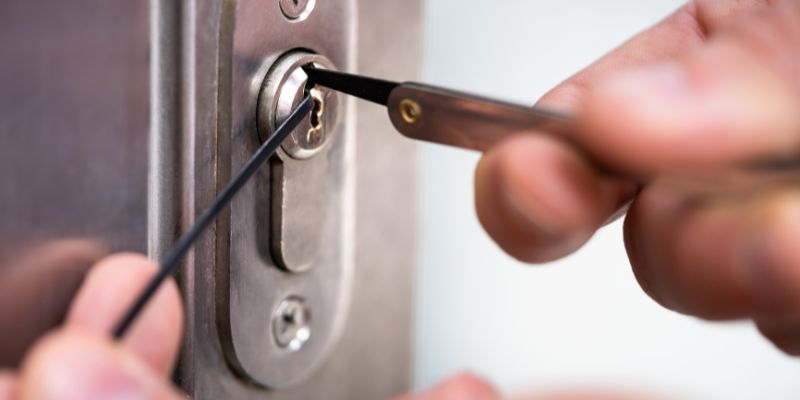
When I started shopping for pocket door locks, I was surprised by the variety. There’s something for every need, whether you want basic privacy or heavy-duty security. Here’s what I found:
Privacy Locks
Privacy locks are perfect for rooms like bathrooms or bedrooms where you want a little seclusion but don’t need Fort Knox-level security. These locks are usually simple to install and operate with a thumb-turn or push-button mechanism. I put a privacy lock on my bathroom pocket door, and it’s been great for keeping things, well, private.
- How they work: You turn a knob or push a button on the inside to lock the door. Some have a small slot or key on the outside for emergency access.
- Best for: Bathrooms, bedrooms, or home offices.
- Pros: Easy to use, affordable, and widely available.
- Cons: Not super secure against forced entry.
Keyed Locks
If you need more security, keyed locks are the way to go. These require a key to lock or unlock the door, just like a traditional front door. I considered a keyed lock for my home office but decided against it since I didn’t need that level of protection. Still, they’re great for exterior pocket doors or rooms with valuable items.
- How they work: A cylinder lock is installed in the door, and you use a key to lock or unlock it.
- Best for: Exterior doors, home offices with expensive equipment, or storage rooms.
- Pros: High security, durable, and reliable.
- Cons: More expensive and may require professional installation.
Magnetic Locks
Magnetic locks were a new discovery for me, and I’m kind of obsessed with how sleek they are. These use magnets to hold the door in place and often come with a latch that locks when engaged. I saw one in a modern home tour, and it felt so futuristic!
- How they work: A magnet in the door aligns with a strike plate in the wall to secure it. Some have a latch or bolt for extra locking.
- Best for: Modern homes or minimalist designs.
- Pros: Quiet, stylish, and easy to operate.
- Cons: Can be pricey and may not feel as secure as keyed locks.
Hook Locks
Hook locks are another option I came across. They use a hook-shaped bolt that slides into a strike plate in the wall. I didn’t go with this one, but they’re popular for their simplicity and reliability.
- How they work: A hook bolt extends from the door into a receiver in the wall when you turn the lock.
- Best for: Interior doors needing moderate security.
- Pros: Simple design, affordable, and easy to install.
- Cons: Not as common, so options may be limited.
Here’s a quick comparison table to help you choose:
| Lock Type | Best For | Security Level | Ease of Installation | Price Range |
|---|---|---|---|---|
| Privacy Lock | Bathrooms, Bedrooms | Low | Easy | $10-$30 |
| Keyed Lock | Exterior Doors, Offices | High | Moderate | $30-$100 |
| Magnetic Lock | Modern Homes | Medium | Moderate | $50-$150 |
| Hook Lock | Interior Doors | Medium | Easy | $20-$50 |
How Do Pocket Door Locks Work?
Now that you know the types, let’s talk about how these locks actually function. I was curious about this myself because pocket doors are so different from regular doors. The key is in the design. Since the door slides into a wall pocket, the lock has to be recessed or flush with the door’s edge. Most pocket door locks are mortise locks, meaning they’re installed inside the door rather than on the surface.
Here’s the basic process, based on my experience installing one:
- The Lock Body: The lock is housed in a small metal box that fits into a cutout in a door. This keeps it flush and hidden.
- The Mechanism: Depending on the lock type, you’ll either turn a knob, insert a key, or engage a latch to secure the door.
- The Strike Plate: This is a metal plate installed in the wall or door frame that the lock’s bolt or hook slides into.
- Operation: When you lock the door, the bolt extends into the strike plate, holding the door in place. To unlock, you reverse the action.
I found that privacy locks are the easiest to use—just a quick twist and you’re good. Keyed locks take a bit more effort, but they give peace of mind for sensitive spaces.
Why Would You Want a Locking Pocket Door?
You might be wondering why locking a pocket door even matters. For me, it was about creating boundaries in my home. My office needed to be a private space where I could focus without interruptions. But there are plenty of other reasons to consider a locking pocket door:
- Privacy: Perfect for bathrooms, bedrooms, or home offices where you want to keep things personal.
- Security: If you have an exterior pocket door or a room with valuables, a lock adds protection.
- Child Safety: Locks can keep curious kids out of certain areas, like a home gym or workshop.
- Aesthetics: A locking pocket door lets you maintain a sleek, modern look without sacrificing function.
When I installed my pocket door, I loved how it blended into the wall, but I also wanted to know my space was secure. That’s why finding the right lock was so important.
Choosing the Right Lock for Your Pocket Door
Picking a lock can feel overwhelming, but I’ve got some tips to make it easier. Here’s what I considered when choosing mine:
- Purpose: Think about why you need the lock. Is it for privacy, security, or both? For my bathroom, a simple privacy lock was enough. For an exterior door, I’d go with a keyed lock.
- Door Thickness: Pocket doors are often thinner than standard doors, so check the lock’s specifications. Most are designed for doors between 1-3/8” and 1-3/4” thick.
- Finish: Locks come in finishes like brushed nickel, oil-rubbed bronze, or chrome. I chose brushed nickel to match my door handle for a cohesive look.
- Budget: Prices range from $10 for basic privacy locks to over $100 for high-end keyed or magnetic locks. Set a budget and stick to it.
- Ease of Installation: If you’re a DIYer like me, look for locks with clear instructions and minimal tools required. Some keyed locks might need a pro.
I spent hours browsing hardware stores and online retailers to find the perfect lock. My advice? Take your time and read reviews to make sure you’re getting something reliable.
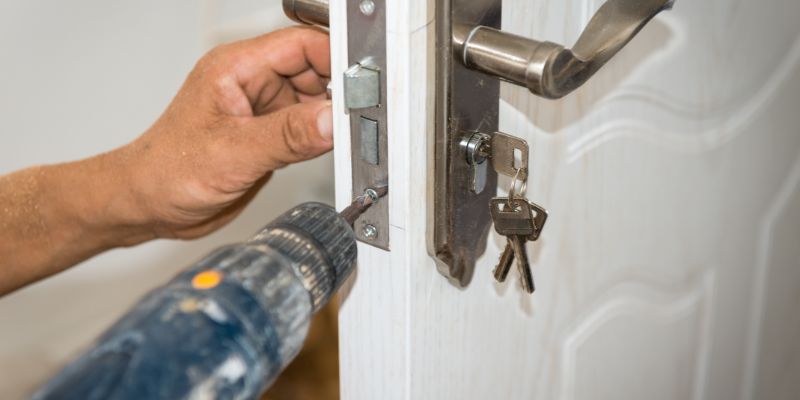
Installing a Pocket Door Lock: My DIY Experience
Installing a pocket door lock was one of my prouder DIY moments, but it wasn’t without challenges. Here’s a step-by-step look at what I did, so you can avoid my mistakes:
- Measure Twice, Cut Once: I measured my door’s thickness and the space available in the wall pocket. This ensured the lock would fit properly.
- Choose the Right Tools: You’ll need a drill, chisel, screwdriver, and maybe a jigsaw for cutting the mortise. I already had most of these in my toolbox.
- Cut the Mortise: This was the trickiest part. I used a template (included with my lock) to mark where to cut. A steady hand and patience are key!
- Install the Lock Body: I inserted the lock into the cutout and secured it with screws. Make sure it’s flush with the door’s edge.
- Attach the Strike Plate: I aligned the strike plate with the lock’s bolt and screwed it into the wall frame.
- Test It Out: I slid the door back and forth to make sure the lock engaged smoothly. It took a couple of adjustments to get it just right.
Pro tip: If you’re not comfortable with power tools, consider hiring a professional. It’s worth it to avoid damaging your door or wall.
Common Challenges with Pocket Door Locks
I’ll be honest—pocket door locks aren’t perfect. I ran into a few issues during my research and installation. Here are some common challenges and how to tackle them:
- Alignment Issues: If the lock and strike plate aren’t perfectly aligned, the door won’t lock properly. I fixed this by double-checking measurements and using a level.
- Limited Space: The wall pocket can make it hard to fit larger locks. Stick to mortise-style locks designed for pocket doors.
- Wear and Tear: Over time, the lock mechanism can loosen. I tighten the screws every few months to keep things secure.
- Sticking Doors: If your door doesn’t slide smoothly, the lock might not engage. I lubricated the track with silicone spray to fix this.
If you run into trouble, don’t panic. Most issues have simple fixes, and there are plenty of online tutorials to guide you.
Are Pocket Door Locks Secure Enough?
This was a big question for me, especially for exterior doors. The truth is, pocket door locks can be secure, but it depends on the type. Keyed locks offer the most protection, comparable to standard door locks. Privacy locks, on the other hand, are more about keeping people out temporarily than preventing break-ins.
For my home office, a privacy lock was enough since it’s an interior door. But if I had an exterior pocket door, I’d invest in a high-quality keyed lock and maybe even a deadbolt. It’s also worth checking if your lock meets ANSI (American National Standards Institute) standards for security.
Where to Buy Pocket Door Locks
Finding the right lock took some legwork, but I found great options at these places:
- Home Depot and Lowe’s: Both carry a range of pocket door locks, from basic to high-end. I liked browsing in-store to see the finishes.
- Amazon: Tons of options with customer reviews to guide you. Just double-check the seller’s reputation.
- Specialty Hardware Stores: Places like Build.com or DoorHardwareCenter.com have a wider selection of premium locks.
- Local Locksmiths: If you want custom or high-security locks, a locksmith can help.
I ended up buying mine online because I found a great deal on a brushed nickel privacy lock. Just make sure to check the return policy in case it doesn’t fit.
Maintenance Tips for Pocket Door Locks
Once your lock is installed, a little TLC goes a long way. Here’s what I do to keep mine in tip-top shape:
- Clean Regularly: Dust and debris can build up in the lock mechanism. I wipe it down with a soft cloth every few months.
- Lubricate the Track: A smooth-sliding door makes the lock work better. I use a silicone-based lubricant on the track.
- Check Screws: Vibrations from sliding can loosen screws. I tighten them with a screwdriver as needed.
- Test the Lock: Every so often, I lock and unlock the door to make sure everything’s working smoothly.
These small steps have kept my lock functioning perfectly for years.
Why I Love My Locking Pocket Door
After all the research and effort, I can say my locking pocket door was worth it. It’s not just about security—it’s about the peace of mind and flexibility it brings to my home. Whether I’m working in my office or relaxing in the bathroom, I know I have the privacy I need. Plus, the sleek design makes my home feel modern and spacious.
If you’re considering a pocket door, don’t let the lock question hold you back. With the right hardware, you can have both style and security. I hope my journey helps you make the best choice for your home!
Conclusion
So, do pocket doors lock? Absolutely, and now you know all the ins and outs! From privacy locks for your bathroom to keyed locks for extra security, there’s a solution for every need. I’ve shared my own experiences—both the wins and the challenges—to help you navigate this process with confidence. Whether you’re a DIY newbie or a seasoned renovator, installing a pocket door lock is totally doable with the right tools and know-how. My pocket door has transformed my home, and I’m betting it can do the same for you. Ready to get started? Grab a lock, roll up your sleeves, and make your space both stylish and secure!
FAQs
Can I install a pocket door lock myself?
Yes, you can! I installed mine with basic tools like a drill and screwdriver. Most locks come with a template and instructions. Just measure carefully and take your time. If you’re not handy, a professional can do it in no time.
Are pocket door locks as secure as regular door locks?
It depends on the lock. Keyed pocket door locks can be just as secure as standard door locks, especially if they meet ANSI standards. Privacy locks are less secure but great for interior rooms.
What’s the easiest type of pocket door lock to install?
In my experience, privacy locks are the easiest. They require minimal cutting and usually come with clear instructions. Hook locks are also pretty straightforward.
Can I use a pocket door lock on an exterior door?
Yes, but choose a keyed lock designed for exterior use. I’d also consider adding a deadbolt for extra security. Make sure the lock is weather-resistant if it’s exposed to the elements.
How much do pocket door locks cost?
Prices vary. Basic privacy locks start around $10-$30. Keyed locks can run $30-$100, while magnetic locks might cost $50-$150. I found great deals online, but always check reviews for quality.