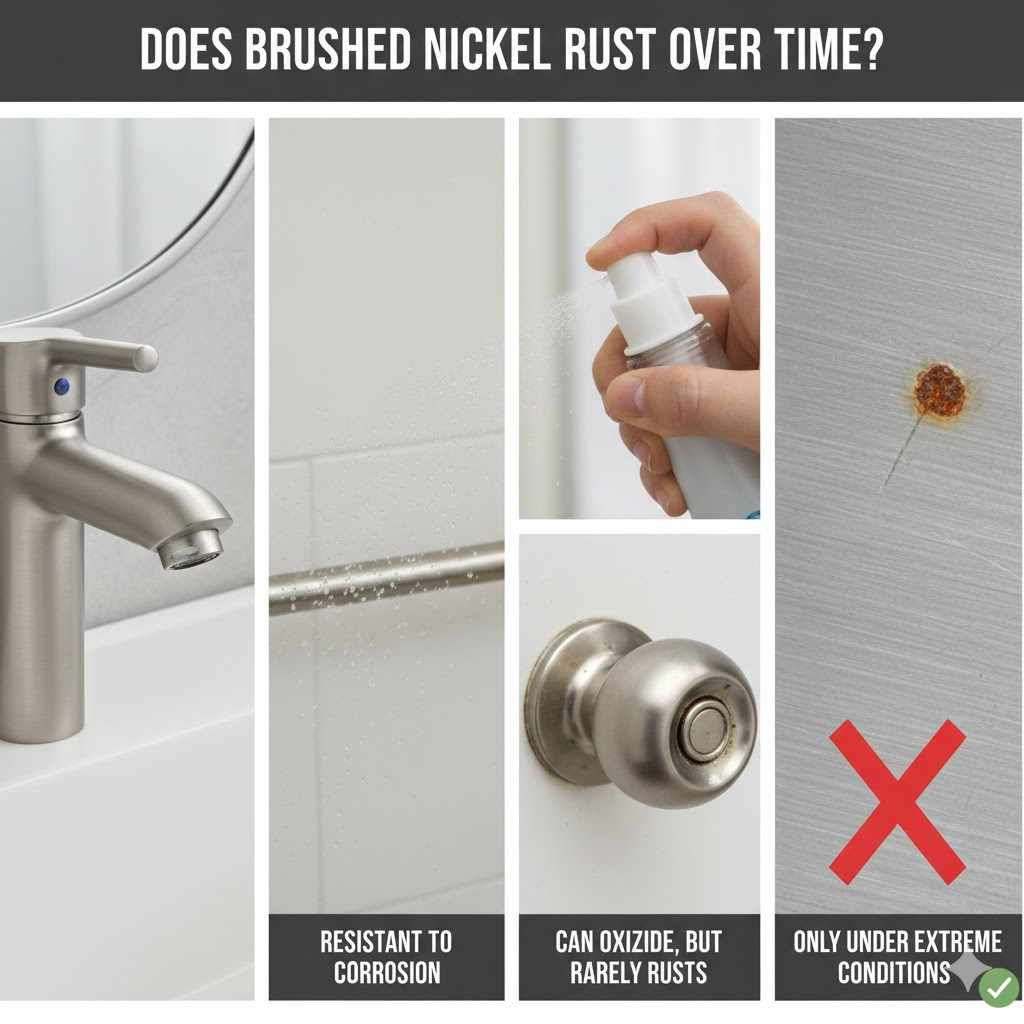
Does Brushed Nickel Rust Over Time
Many folks wonder about their faucets and fixtures. They see that nice, matte finish and think it will stay that way forever. But then, questions pop up, like “Does Brushed Nickel Rust Over Time?” It can be a bit tricky for new homeowners or people doing DIY projects.
This guide will make it super simple. We’ll break down exactly what you need to know, step by step, so you can keep your brushed nickel looking its best. Get ready for clear answers and easy tips.
Understanding Brushed Nickel Finishes
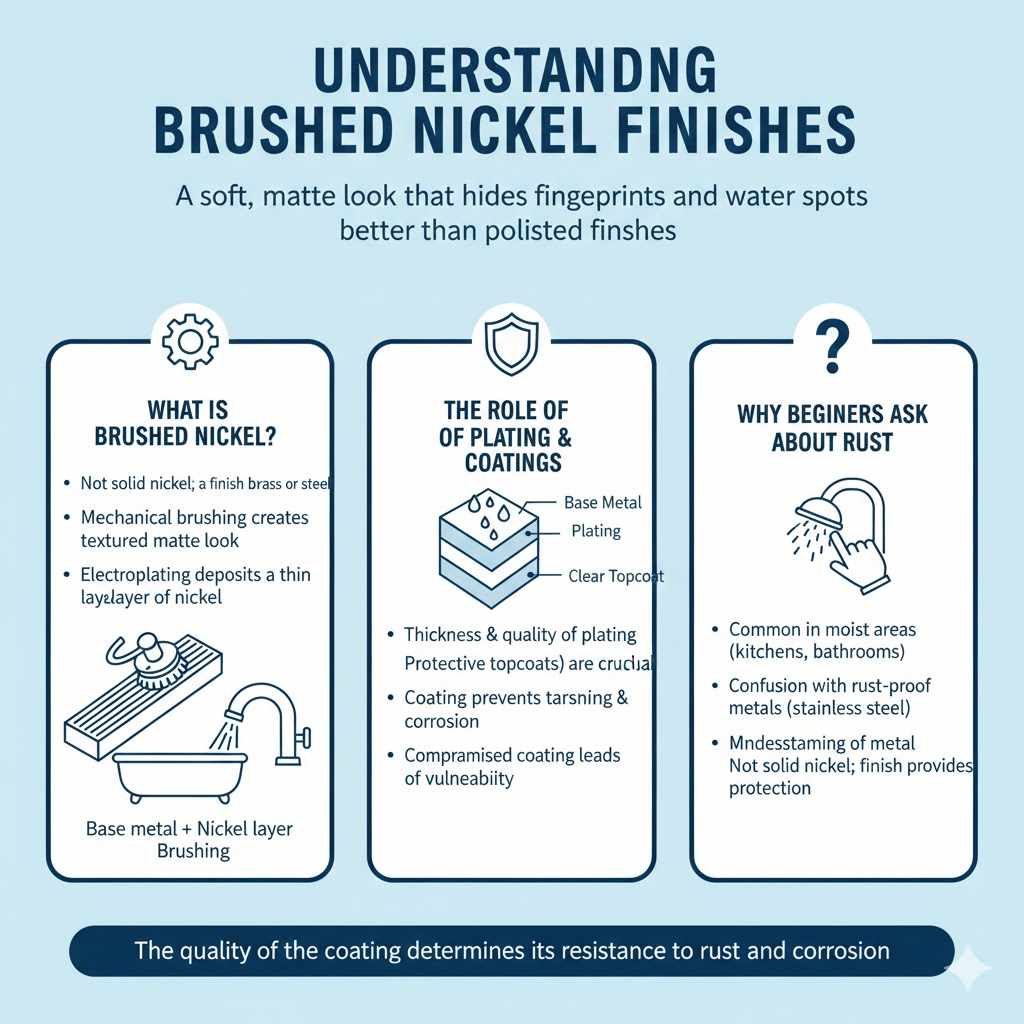
Brushed nickel is a popular choice for many home fixtures because it offers a soft, matte look that hides fingerprints and water spots better than polished finishes. It’s created by mechanically brushing the metal surface, giving it a textured appearance. This process often involves plating a base metal, like brass or steel, with a layer of nickel.
The key to its appearance and durability lies in this plating and the protective topcoats that are applied. Understanding these basics helps explain why you might see different reactions to moisture and wear over time.
What Is Brushed Nickel?
Brushed nickel isn’t a solid block of nickel; it’s typically a finish applied over another metal. The base metal provides the structural integrity, while the nickel layer gives it that characteristic silvery-gray hue. The “brushed” part comes from a special manufacturing process.
Imagine a brush with fine abrasive materials moving across the metal’s surface. This creates a series of fine lines, giving it a soft, matte look. This look is very different from the shiny, reflective surface of polished chrome or polished nickel.
The creation process involves electroplating. This is where a thin layer of nickel is deposited onto the base metal using an electrical current. After plating, the surface undergoes mechanical brushing.
This isn’t done with a household brush; it’s a controlled industrial process. Abrasive materials are used to create the desired directional grain, hence the “brushed” appearance. This texture is what makes it appealing because it diffuses light, making it less prone to showing smudges.
The Role of Plating and Coatings
The nickel layer itself is quite durable, but its effectiveness against rust and corrosion heavily depends on its thickness and the quality of the plating process. A thicker, well-applied nickel layer offers better protection. However, nickel is still a metal that can react with its environment.
Beyond the nickel plating, manufacturers apply protective topcoats. These are often clear sealants or lacquers designed to act as a barrier. They shield the nickel and the base metal from moisture, chemicals, and physical abrasion.
The quality and type of this coating are critical. A robust coating can significantly extend the life and appearance of the brushed nickel finish, preventing tarnishing and corrosion. When this coating is compromised, the underlying metal becomes more vulnerable.
Why Beginners Ask About Rust
For those new to home maintenance or redecorating, the question “Does Brushed Nickel Rust Over Time?” is a common one. People often see it used in bathrooms and kitchens, areas with a lot of moisture. They might have experienced rust on other metal items and wonder if brushed nickel will suffer the same fate.
It’s challenging because the term “nickel” sometimes gets confused with materials that are naturally rust-proof, like stainless steel.
The confusion often stems from a misunderstanding of how metal finishes work. Many assume that if it looks like metal and is used in wet areas, it should be immune to corrosion. However, most brushed nickel fixtures are not solid nickel, and the finish is what provides the aesthetic appeal and a degree of protection.
Without knowing about the plating and coatings, it’s hard to predict its long-term behavior. This guide aims to clear up that confusion and provide simple answers.
Factors Affecting Brushed Nickel Durability
The lifespan and appearance of brushed nickel are influenced by several factors. While it’s designed to be durable, certain conditions can lead to wear and tear, including potential issues that mimic rust or actual corrosion of the base metal. Understanding these influences helps in proper care and maintenance.
Exposure to Moisture
Constant or prolonged exposure to water is the primary enemy of any metal finish. Even finishes that are resistant to corrosion can eventually be affected if water is allowed to sit on them. In bathrooms, this means shower spray, condensation, and dripping faucets.
In kitchens, it includes splashes from sinks and dishwashers.
When water sits on the surface, it can slowly degrade the protective coating. If the coating is thin or has microscopic imperfections, water can seep through. This moisture can then reach the nickel plating or even the base metal underneath.
Over time, this can lead to oxidation, which is often what people refer to when they ask if brushed nickel rusts. While pure nickel doesn’t rust in the same way iron does, the base metals can corrode, and the nickel plating can tarnish or discolor.
Chemical Cleaners and Abrasives
The cleaning products you use can have a significant impact on the brushed nickel finish. Harsh chemicals, especially those containing ammonia, bleach, or strong acids, can break down the protective topcoats. This compromises the finish, making it more susceptible to damage.
Similarly, abrasive cleaning tools like steel wool, scouring pads, or even stiff brushes can scratch and wear away the protective layer. These scratches create tiny openings through which moisture and chemicals can penetrate. Once the protective barrier is breached, the underlying metal can begin to react with the environment.
It’s best to use soft cloths and mild, pH-neutral cleaners.
Wear and Tear Over Time
Like any surface, brushed nickel can show signs of age and use. Frequent touching, accidental bumps, and daily use can gradually wear down the finish. The mechanical brushing creates a texture, and this texture can become smoother or develop different sheen levels in high-traffic areas.
This wear is not the same as rust, but it can alter the appearance. In some cases, if the base metal is prone to corrosion and the protective coating is worn away in spots, you might see discoloration or even small pits that look like rust spots. This is more common if the base metal is steel or brass that hasn’t been properly treated or if the nickel plating is thin.
Quality of Manufacturing
Not all brushed nickel finishes are created equal. The quality of the base metal, the thickness and uniformity of the nickel plating, and the durability of the topcoat all play a role. High-quality fixtures from reputable brands typically use better materials and manufacturing processes, resulting in a more durable and longer-lasting finish.
Cheaper alternatives might use thinner plating or less durable coatings. These finishes are more likely to show wear, tarnish, or develop corrosion issues much sooner. When you’re shopping for fixtures, looking at reviews and brand reputation can give you a good idea of expected durability.
A good quality brushed nickel finish should resist rust and corrosion for many years with proper care.
Does Brushed Nickel Actually Rust? The Science Explained
The direct answer to “Does Brushed Nickel Rust Over Time?” is a bit nuanced. Pure nickel, by itself, does not rust in the way that iron or steel does. Rust is specifically the oxidation of iron.
However, brushed nickel fixtures are not made of pure nickel. They are typically made of a base metal, like brass or zinc alloy, that is electroplated with a layer of nickel. The question then becomes about the corrosion of the base metal or the tarnishing of the nickel itself.
The Nature of Rust
Rust is a chemical compound, iron oxide, formed when iron or alloys containing iron are exposed to oxygen and moisture. This process causes the metal to weaken, flake, and turn reddish-brown. It’s a form of corrosion specific to iron.
Since nickel is a different element, it does not undergo the same chemical reaction to form rust. Nickel can oxidize, but this typically forms a protective oxide layer that prevents further corrosion. This is why nickel is often used in alloys and plating for its corrosion resistance.
However, this protective layer can be affected by certain environmental conditions.
Corrosion of Base Metals
As mentioned, most brushed nickel fixtures are plated over other metals like brass, copper, or steel. If the nickel plating is compromised—through scratches, wear, or poor application—the underlying base metal is exposed.
Brass and copper can tarnish, developing a patina that can range from greenish to dark brown. Steel, especially if it’s not stainless steel, is susceptible to rust. If a steel base metal is exposed, it will indeed rust.
This rust can then spread beneath the intact nickel plating, causing it to bubble or peel, and it can appear as reddish-brown spots on the fixture. This is the most common scenario when people observe what they believe to be “rust” on brushed nickel.
Tarnishing and Discoloration of Nickel
Even when the base metal is not the issue, the nickel plating itself can tarnish or discolor. Tarnishing is a surface reaction that dulls the metal’s shine. It can be caused by exposure to sulfur compounds in the air, certain chemicals, or even prolonged contact with moisture.
The brushed finish is less prone to showing tarnish as obviously as a polished finish, but it can still occur. Discoloration can also happen if the protective topcoat breaks down. This might lead to patchy areas or a general dulling of the finish.
While this isn’t technically rust, it alters the appearance and can be mistaken for it.
The Protective Layer’s Role
The clear topcoat applied over the brushed nickel is crucial. It acts as the first line of defense against moisture, chemicals, and abrasions. If this layer remains intact, it provides excellent protection for the nickel plating and the base metal underneath.
However, if this coating is scratched, worn away, or was poorly applied, water can reach the nickel. Over extended periods, especially in humid environments like bathrooms, this can lead to issues. The nickel might start to corrode slightly at a molecular level, or the underlying base metal may begin to react.
This is why maintaining the integrity of the protective coating is so important for the long-term look of brushed nickel.
Preventing Rust and Maintaining Brushed Nickel
Keeping your brushed nickel fixtures looking their best involves simple yet effective preventative measures. By understanding how to protect the finish, you can significantly extend its lifespan and avoid issues like rust or corrosion. The focus is on gentle care and minimizing exposure to damaging elements.
Regular Cleaning Routine
A consistent cleaning schedule is vital. For everyday upkeep, gently wipe down fixtures with a soft, damp cloth. This removes water spots and prevents them from drying and leaving mineral deposits.
A dry microfiber cloth can then be used to buff the surface and restore its matte sheen.
For more thorough cleaning, use a mild soap and water solution. Apply the cleaner to the cloth, not directly to the fixture. This prevents excess liquid from pooling.
Gently wipe the surface, then rinse with a clean, damp cloth to remove any soap residue. Always finish by drying thoroughly with a soft, dry cloth. This simple routine prevents the buildup of grime and moisture that can lead to problems over time.
Choosing the Right Cleaners
When selecting cleaning products, always opt for mild, non-abrasive options. pH-neutral cleaners are ideal. Avoid anything containing bleach, ammonia, strong acids, or abrasive particles.
These chemicals can strip away the protective coating on brushed nickel, leaving the metal vulnerable.
Commercial cleaners specifically designed for plated finishes are usually safe, but it’s always wise to test them on an inconspicuous area first. You can also make your own gentle cleaner by mixing a few drops of mild dish soap with warm water. For tougher water spots, a paste made of baking soda and water can sometimes be used, but apply it very gently and rinse thoroughly.
The key is to remove dirt and grime without damaging the finish.
Protective Measures Against Moisture
Minimizing prolonged contact with water is a key preventative step. After using a sink or shower, take a moment to wipe down the fixtures. This is especially important in high-humidity environments.
If you notice any dripping faucets or showerheads, get them repaired promptly.
In bathrooms, ensuring good ventilation can help reduce condensation. Using exhaust fans during and after showers can make a significant difference. For areas prone to heavy water splash, consider using coasters or trays if applicable, though this is less common for fixtures like faucets.
The goal is to prevent water from sitting on the surface for extended periods.
Dealing with Scratches and Wear
Scratches are inevitable with daily use, but how you handle them can prevent further damage. Small scratches are often just cosmetic and don’t immediately compromise the finish. However, deep scratches can expose the base metal.
If a scratch is deep enough to reveal a different colored metal underneath, it’s a good idea to address it. For minor surface scratches, sometimes a brushed nickel repair kit or touch-up paint can be used. These kits are designed to blend with the existing finish.
For deeper damage, or if the base metal is exposed and showing signs of corrosion, professional repair or replacement of the fixture might be necessary. Always avoid abrasive tools that can cause more scratches.
When to Consider Replacement
If your brushed nickel fixtures show significant signs of corrosion, peeling plating, or deep pitting that cannot be repaired, it might be time to consider replacement. Persistent rust spots, especially if they are spreading, indicate that the protective layers have failed.
Replacing old, damaged fixtures not only improves the appearance of your space but also prevents potential water damage or further deterioration. When choosing new fixtures, investing in higher-quality brands known for durable finishes can save you trouble in the long run. Always check manufacturer warranties for peace of mind.
Real-Life Examples and Scenarios
Seeing how brushed nickel performs in everyday situations can offer valuable insights. These examples illustrate the real-world effects of care and environment on the finish.
Example 1 The Newly Renovated Bathroom Faucet
Sarah recently renovated her bathroom, opting for a sleek brushed nickel faucet. She committed to a strict cleaning routine, wiping it down with a microfiber cloth after each use and using only mild soap and water for deeper cleans. After two years, the faucet still looks brand new, with no signs of tarnishing or corrosion.
Her proactive care prevented any moisture from lingering or harsh chemicals from damaging the finish.
Example 2 The Older Kitchen Sink
Mark inherited a kitchen with an older brushed nickel sink. He noticed some dullness and small, dark spots around the drain. He assumed it was rust and didn’t know how to clean it, so he just let it be.
Over the next year, these spots grew, and the nickel finish started to look patchy. This was because the protective coating had worn away from years of dishwashing and scrubbing, allowing moisture and cleaning agents to corrode the base metal underneath. A simple cleaning with the right product might have helped, but the damage was too extensive.
Scenario 1: High-Humidity Bathroom
Imagine a small guest bathroom that gets very little ventilation. The shower runs every day, and condensation forms on the mirror and fixtures. A brushed nickel showerhead in this environment is likely to experience issues sooner than one in a well-ventilated bathroom.
Moisture might be trapped in the tiny grooves of the brushed finish, and prolonged dampness can weaken the protective lacquer. Over time, this could lead to dulling, spotting, or even corrosion of the underlying metal if the plating is not exceptionally robust.
Scenario 2: Low-Maintenance Kitchen Faucet
Consider a busy family kitchen with a brushed nickel faucet. The faucet is used constantly for washing hands, dishes, and vegetables. If the family doesn’t take a moment to wipe it dry after use, water splashes and cleaning solutions can sit on the surface.
If abrasive sponges are used for cleaning, they can scratch the finish. Without consistent, gentle maintenance, this faucet is at higher risk of developing tarnishing or corrosion, especially around the handle and spout where daily wear is highest.
Comparing Brushed Nickel to Other Finishes
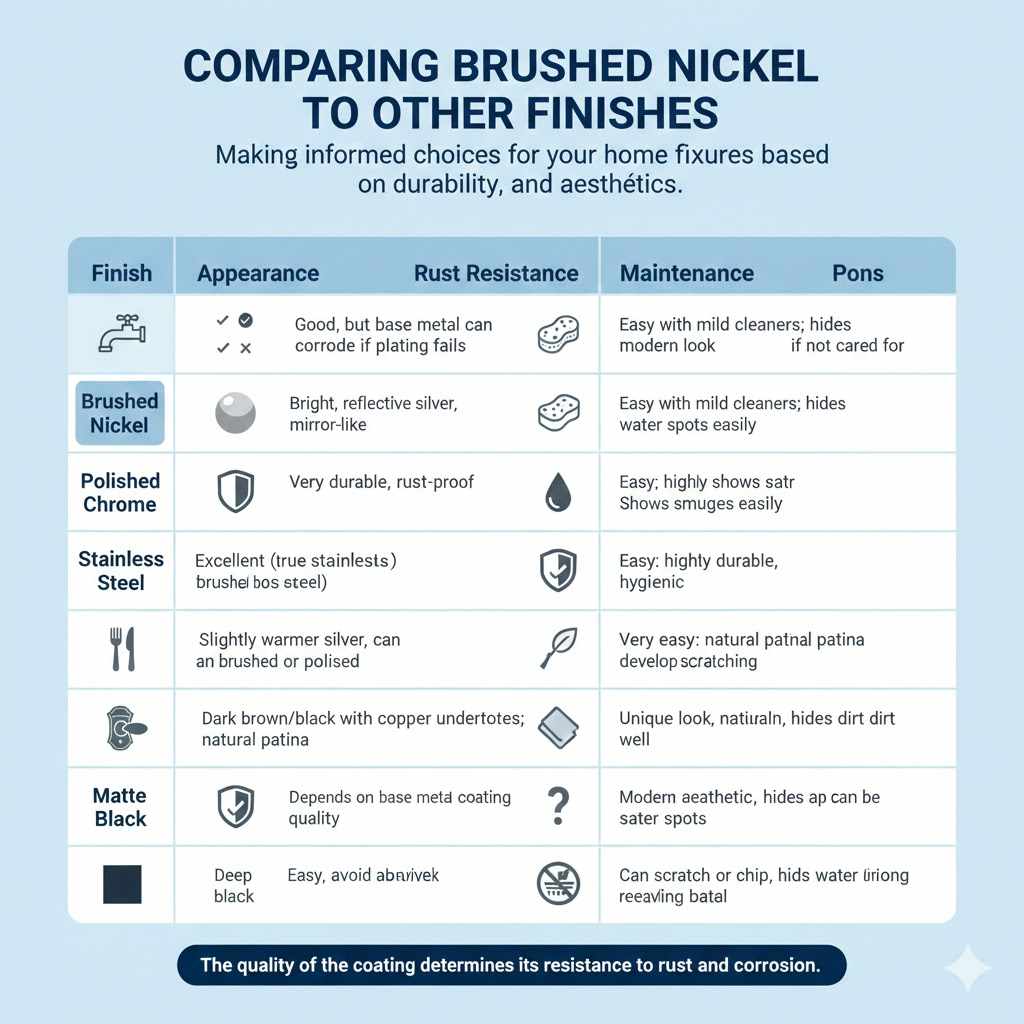
Understanding how brushed nickel stacks up against other common finishes can help in making informed choices for your home. Each finish has its own set of pros and cons regarding durability, maintenance, and resistance to elements like rust.
| Finish | Appearance | Rust Resistance | Maintenance | Pros | Cons |
|---|---|---|---|---|---|
| Brushed Nickel | Matte, soft silver | Good, but base metal can corrode if plating fails | Easy with mild cleaners | Hides fingerprints, modern look | Can tarnish/corrode if not cared for |
| Polished Chrome | Bright, reflective silver | Excellent | Easy, but shows water spots | Very durable, rust-proof | Shows smudges easily |
| Stainless Steel | Slightly warmer silver, can be brushed or polished | Excellent (if true stainless steel) | Easy | Highly durable, rust-proof, hygienic | Can be prone to scratching (especially polished) |
| Oil-Rubbed Bronze | Dark brown/black with copper undertones | Good (surface patina is natural) | Very easy, natural patina | Unique look, hides dirt well | Patina can change over time, not rust-proof |
| Matte Black | Deep, non-reflective black | Depends on base metal and coating | Easy, avoid abrasives | Modern aesthetic, hides water spots | Can scratch or chip, revealing base metal |
Polished Chrome vs. Brushed Nickel
Polished chrome is known for its exceptional rust resistance. It’s a very hard and durable finish that is highly resistant to corrosion. It rarely tarnishes or rusts.
The main drawback is that its highly reflective surface shows every fingerprint, water spot, and smudge, requiring frequent wiping to maintain its shine.
Brushed nickel, while generally good, is not as inherently rust-proof as polished chrome. Its strength lies in its ability to hide smudges and its softer aesthetic. However, if the nickel plating is compromised or the topcoat fails, the underlying base metal can become susceptible to corrosion, which might be mistaken for rust.
Stainless Steel Finishes
True stainless steel is highly resistant to rust and corrosion. It’s an alloy that contains chromium, which forms a protective oxide layer on the surface. Brushed stainless steel offers a similar look to brushed nickel but with superior rust-fighting properties.
If rust is a major concern and you like the matte look, brushed stainless steel is often a better choice, though it can be more expensive.
The challenge with stainless steel is ensuring it is genuine and not a plated finish that mimics stainless steel. The quality of the “brushed” effect can also vary, leading to differences in appearance.
Other Common Finishes
Finishes like oil-rubbed bronze develop a natural patina over time, which is a desired characteristic and not a sign of corrosion. Matte black finishes offer a modern look and hide water spots well, but their durability against rust depends entirely on the quality of the base metal and the coating applied. Some matte black finishes can chip or scratch, exposing the base metal, which could then corrode.
When comparing, it’s always important to consider the base material and the quality of the plating and coating, not just the name of the finish. For a balance of aesthetics and good performance, brushed nickel can be a great option when properly cared for.
Frequently Asked Questions
Question: Can brushed nickel fixtures be repaired if they start to rust?
Answer: If small rust spots appear, they are likely due to corrosion of the base metal where the nickel plating has failed. Sometimes, a mild abrasive cleaner used very gently and followed by thorough drying can remove minor surface issues. However, if the rust is significant or the plating is peeling, professional repair or replacement of the fixture is usually the best option.
Question: Is brushed nickel safe to use in a shower?
Answer: Yes, brushed nickel is commonly used in showers. However, its longevity depends on regular wiping down to remove water and preventing prolonged moisture exposure. Good ventilation in the bathroom also significantly helps.
Question: Does brushed nickel tarnish like other metals?
Answer: Brushed nickel can tarnish, especially if exposed to certain chemicals or air pollutants. The matte finish helps to mask tarnish better than polished finishes, but it can still occur over time. Gentle cleaning with mild soap and water can usually restore its appearance.
Question: What is the main reason brushed nickel might show rust-like spots?
Answer: The most common reason for “rust-like” spots on brushed nickel is the corrosion of the base metal (like steel) that is exposed when the nickel plating or protective coating wears off or is damaged. Pure nickel itself does not rust.
Question: How can I tell if my brushed nickel fixture is high quality?
Answer: Higher quality brushed nickel fixtures typically have thicker nickel plating, a more uniform brushed pattern, and a durable, well-adhered topcoat. They often come from reputable brands with good warranties. They will also feel heavier and more solid.
Conclusion
So, does brushed nickel rust over time? Pure nickel does not rust. However, the base metal underneath can corrode if the nickel plating or protective coating fails.
Regular cleaning with mild products and prompt drying are key to preventing this. Keeping fixtures dry and avoiding harsh chemicals will help your brushed nickel look great for years.