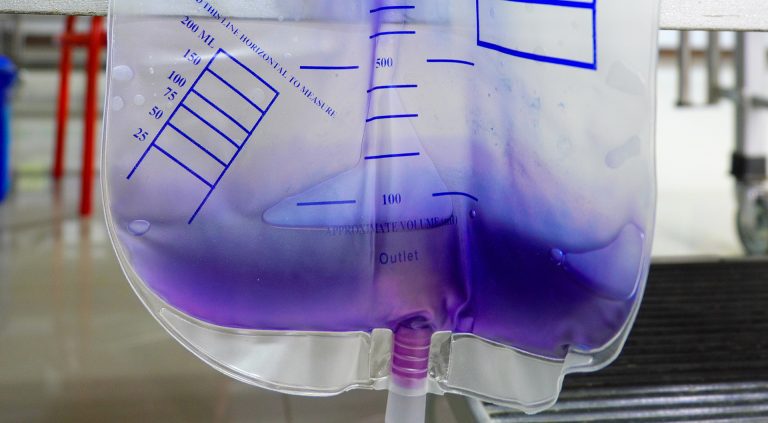
Does Cranberry Juice Make Your Urine Red? Essential Guide
Cranberry juice typically does not make your urine red. Normal urine color after drinking cranberry juice should remain pale yellow to amber. If you see truly red urine, it usually signals a medical issue, not just the juice, which is an important distinction for your health.
Have you ever finished a big glass of cranberry juice, maybe to help with a cold, and then noticed a strange color in the toilet later? That slight shift in color can make anyone pause and wonder, “What is happening down there?” It’s a super common question, especially when we drink something deeply pigmented like cranberry juice. It’s easy to think the color must pass through, turning things red. But here’s the good news: in almost all cases, cranberry juice will not make your urine bright red. If you see red, it means it’s time to check in with a doctor. We are going to break down exactly what that juice does to your system and what truly causes red urine, so you can feel confident about your health and hydration.
Understanding Urine Color: What’s Normal After Juice?
When you drink anything, your body takes the water and nutrients it needs and then flushes out the waste. The color of your urine is really a report card on how hydrated you are and what you’ve consumed.
The Role of Pigments in Your Diet
Foods and drinks with strong, natural colors—like beets, blackberries, or even very dark purple grape juice—contain powerful pigments. When your body can’t fully process these pigments quickly, they sometimes exit through your urine, leading to a temporary reddish or brownish tint.
Cranberry juice is deeply colored, often a rich red or deep ruby shade in the glass. This is due to natural compounds called anthocyanins, which are powerful antioxidants.
So, why doesn’t this vibrant color usually show up in the bathroom?
- Metabolism: Your liver and kidneys are excellent at breaking down most of these fruit pigments. They change the structure of the anthocyanins before they are filtered out.
- Dilution: Think about how much water you drink versus how much juice. Unless you drink a huge amount of pure, undiluted cranberry concentrate, the juice gets diluted quickly in your system.
- Excretion Form: The compounds that are excreted are usually converted into colorless or pale yellow metabolites, not the original vibrant red color you see in the fruit.

What Color Should Urine Be After Drinking Cranberry Juice?
If you’ve just had a glass or two of standard store-bought cranberry juice cocktail, your urine should look exactly as it normally does, perhaps slightly lighter if the juice helped you hydrate more.
The normal range for healthy urine color includes:
- Pale straw yellow
- Light yellow
- Clear (if heavily hydrated)
If you are drinking highly concentrated, pure, artisanal cranberry juice (the kind that costs a lot and tastes very tart), you might notice a very slight pinkish tinge, but it should never be mistaken for actual blood. This slight tint is due to the high concentration of those natural fruit pigments before full processing.
When Cranberry Juice Fails: What Truly Causes Red Urine?
This is the most important part of our discussion. If you see urine that is unmistakably red, pink, or rust-colored, you must treat it seriously. Cranberry juice is usually not the culprit; it is usually a sign that something else is going on in your urinary tract or kidneys. This is known as hematuria (the presence of blood in the urine).
Identifying Hematuria vs Dietary Staining
It can be tricky for a beginner to tell the difference between a harmless stain and something serious. Here is a quick guide to help you evaluate what you are seeing:
| Appearance | Likely Cause | Urgency |
|---|---|---|
| Slightly darker yellow/amber | Dehydration or concentrated cranberry juice | Drink more water |
| Pinkish tint (after eating beets/blackberries) | Dietary pigments (beeturia) | Observe, usually harmless |
| Clearly red, smoky, or brownish-red | Blood in urine (Hematuria) | See a doctor soon |
Common Causes of Red Urine (When It Isn’t Juice)
If you haven’t eaten anything that naturally stains urine (like beets), and you see true red urine, the cause is usually related to bleeding somewhere along the urinary tract. As a DIY enthusiast, you know that when a pipe leaks, you need to find the source right away. The same principle applies here.
Here are the main reasons why your urine might turn red:
1. Urinary Tract Infections (UTIs)
UTIs are incredibly common, especially for women. Bacteria irritate the lining of the bladder or urethra, causing small amounts of blood to leak into the urine. This often comes with other clear symptoms.
Look out for these tell-tale signs alongside the red color:
- Burning sensation when urinating (dysuria)
- Frequent need to urinate, even if little comes out
- Cloudy or strong-smelling urine
- Pelvic pain or pressure
2. Kidney Stones
These hard mineral deposits can form in your kidneys. As they move through the narrow ureters (the tubes connecting the kidneys to the bladder), they can scratch the delicate lining, causing bleeding. This pain is often severe and comes in waves.
3. Intense Exercise (Exercise-Induced Hematuria)
Believe it or not, intense physical activity, especially long-distance running or heavy weightlifting, can cause temporary blood in the urine. This happens because of trauma to the bladder or sometimes due to the breakdown of red blood cells during prolonged exertion. This is usually temporary and resolves quickly.
If you’re training for something tough, remember to stay well-hydrated! Proper hydration is key to preventing many issues. For tips on staying hydrated during home renovations, check out best practices from organizations focused on occupational safety, like guidance from CDC on heat stress and hydration.
4. Prostate Issues (In Men)
For men, an enlarged prostate (Benign Prostatic Hyperplasia or BPH) can sometimes cause microscopic or visible bleeding into the urine.
5. More Serious, Less Common Causes
While we don’t want to alarm anyone, it’s important to know that persistent, unexplained red urine can sometimes signal more serious conditions affecting the kidneys, bladder, or prostate, including certain cancers. This is why seeing a doctor for persistent red urine is non-negotiable—early detection is everything.
The Cranberry Connection: Why We Think It Causes Red Urine
The idea that cranberry juice makes urine red is a persistent myth, likely fueled by two main factors: its strong color and its well-known health benefits.
Myth 1: The Color Transfer
As we discussed, our bodies are good at processing fruit pigments. When you see the deep red color in the glass, your mind naturally connects that to what comes out later. However, unlike eating a handful of blueberries which might leave traces, cranberry anthocyanins are chemically modified by your digestive system so they don’t show up as bright red.
Myth 2: Treating UTIs
Cranberry juice is famous for being a home remedy for UTIs. The theory is that compounds called proanthocyanidins (PACs) prevent E. coli bacteria from sticking to the walls of the urinary tract. While this has shown some benefit, especially in prevention, it is not a cure for an active infection.
Because people often drink cranberry juice when they have a UTI, they might mistakenly attribute any color change they observe to the juice, rather than realizing the UTI itself might be causing mild bleeding.
The Power of Proanthocyanidins (PACs)
If you are drinking cranberry products for health reasons, you want to ensure you are getting enough of the active ingredients. This is where product selection matters, much like choosing the right sandpaper for a project.
Here is a breakdown of common cranberry products:
| Product Type | PAC Concentration | Likelihood of Color Change |
|---|---|---|
| Cranberry Juice Cocktail (Sweetened) | Very Low | Extremely Low |
| 100% Pure Cranberry Juice (Unsweetened) | Medium | Low (may cause slight tint if concentrated) |
| Cranberry Supplements/Capsules | High (Standardized Dose) | None (Pills are encapsulated) |
If your goal is UTI prevention, supplements containing standardized PAC levels are usually more effective and predictable than relying solely on juice.
How to Check Your Hydration Level (The Easy Way)
A great way to ensure your urine color is healthy is to monitor your hydration. This is just as important in home projects—staying hydrated prevents fatigue and mistakes!
Follow these simple steps to monitor your hydration status:
- Grab a Clear Glass: Always check your urine in a clear toilet bowl or, if necessary, in a clear glass container. Don’t rely on memory in a dark bathroom.
- Look at the Time of Day: Urine is naturally darker first thing in the morning because you haven’t had fluids all night. This is normal.
- Assess the Color: Compare your color to the chart below. Aim for the pale yellow/straw color range throughout the day.
- Note Intake: Did you just finish a large meal, a cup of coffee, or a big glass of juice? Factor that in. If you drank a large amount of clear water recently, the urine should be very pale or clear.
Hydration Color Chart
Use this visual guide to check if your hydration levels are optimal:
- Clear: You might be drinking too much water, too fast. (Rarely a problem, but excessive intake can deplete electrolytes.)
- Pale Yellow (Best): Just right! You are well-hydrated.
- Yellow/Amber: Normal, but time to drink a glass of water soon.
- Dark Yellow/Honey: Dehydrated. Drink water immediately.
- Brownish/Tea-Colored: Potentially severe dehydration, or a sign of liver issues. See a doctor if it persists.
Remember, consistent hydration keeps your entire plumbing system, including your kidneys, running smoothly. Think of it like lubricating your power tools; when everything is well-oiled, things run cleaner and last longer.
When to Call the Doctor: A Safety Checklist
As a homeowner, you know that ignoring a small leak can lead to a huge repair bill later. The same logic applies to your body. If you notice true red urine, do not try to self-diagnose or wait it out for too long.
You should call your healthcare provider immediately if you notice red or pink urine and have any of the following accompanying symptoms:
- Pain: Severe back pain, side pain (flank pain), or significant burning during urination.
- Fever/Chills: Signs of a systemic infection.
- Persistent Changes: The red color lasts longer than 24 to 48 hours, even after increasing water intake.
- Cloudiness or Odor: Urine that looks cloudy, murky, or smells foul along with the red color suggests a strong infection.
- Visible Clots: Passing actual visible clots or tissue in the urine.
Even if you feel fine otherwise, if the urine is undeniably red (not just a faint orange or yellow tint), a simple urinalysis test can quickly pinpoint the cause, whether it’s infection, stones, or something else. It’s a fast, easy check-up that brings huge peace of mind.
Quick Fixes vs Real Solutions: Cranberry Juice Myths Debunked
It is tempting to rely on simple dietary changes to solve complex internal issues. While nutrition is vital, it’s not always the complete solution.
Dietary vs Medical Interventions
If you are using cranberry juice to manage recurrent UTIs, understand its limitations. Cranberry products are best used as a preventative measure when taken consistently in concentrated forms. They are generally not effective for treating an established, active infection.
If you suspect a UTI, a medical professional will likely prescribe antibiotics to clear the active infection. Once the infection is cleared, continuing with high-quality cranberry supplements can help support the urinary tract lining and potentially reduce recurrence rates. This dual approach—medical intervention followed by dietary support—is often the most effective path forward.
Tips for Choosing Safe, Effective Juices
If you decide to stick with juice for hydration and antioxidants, here’s how to choose wisely, just like picking quality lumber for a project:
- Read the Label: Avoid anything labeled “Cranberry Juice Cocktail.” This is mostly sugar and water with very little actual cranberry content.
- Look for “100% Juice”: This is better, but be prepared—it is very tart! You may need to dilute it with sparkling water or a splash of apple juice.
- Check for PACs: The best indication of therapeutic value is when the label specifies the amount of proanthocyanidins (PACs), although this is rare on standard grocery store bottles.
Remember, what you put into your body matters. Just as you choose high-quality, durable materials for your home projects, choose beneficial, low-sugar options for your health.

Frequently Asked Questions (FAQ)
Q1: If I drink a huge pitcher of cranberry juice, will my urine definitely turn red?
A: No, it is highly unlikely. Your body efficiently metabolizes the pigments. While it might make your urine a slightly darker shade of yellow or amber due to concentration, it should not appear truly red unless there is underlying bleeding.
Q2: How long after drinking cranberry juice does it affect my urine?
A: Any slight change in urine color from consuming the juice would happen within a few hours, as the fluid passes through your system relatively quickly. However, as noted, these changes are usually subtle color shifts (like darker yellow), not a drastic red.
Q3: Can beets make my urine look redder than cranberry juice?
A: Yes, absolutely. Beets contain a pigment called betanin, which is much more potent and less easily metabolized than cranberry pigments. Beets very commonly cause urine to turn bright pink or reddish-purple (a condition called beeturia).
Q4: I am seeing pink urine, but I haven’t had cranberry juice. What should I do?
A: Pink urine strongly suggests the presence of a small amount of blood. Since you haven’t consumed coloring agents, you should call your doctor for advice. They will likely recommend monitoring it closely or coming in for a simple urine test.
Q5: Does cranberry juice help prevent blood from showing up in my urine if I have a UTI?
A: No. If you have a UTI causing bleeding, cranberry juice might help prevent the bacteria from adhering, but it will not stop the active bleeding caused by the current inflammation or infection. You need medical treatment for an active infection.
Q6: What is the simplest way to tell if red urine is dangerous?
A: The simplest rule of thumb is to review your recent diet. If you ate beets or blackberries, it’s likely harmless. If you haven’t eaten those foods, or if the redness is accompanied by pain, fever, or lasts more than a day, it is considered potentially dangerous and requires a medical consultation.
Conclusion: Cranberry Juice Isn’t the Culprit—Your Urine Color Is a Health Signal
Cranberry juice may look deep red in the glass, but it almost never turns urine red. In a healthy body, its pigments are broken down and excreted in forms that don’t dramatically change urine color. At most, cranberry juice might slightly darken urine due to hydration or concentration—but true red, pink, or brownish urine is not normal and should not be blamed on juice.
That color change is your body sending a message. Red urine usually points to blood in the urine (hematuria), which can come from common and treatable issues like UTIs or kidney stones—or, more rarely, more serious conditions that need prompt medical attention. That’s why recognizing the difference between harmless dietary effects (like beets) and warning signs matters so much!