Does leaving a ceiling fan on waste electricity? Let’s find out!
I remember hot summer days at my grandma’s house. We’d sit under her big ceiling fan, feeling the cool breeze. But she always said, “Turn it off when you leave the room!” I wondered, does leaving a ceiling fan on waste electricity? Now, as someone who’s studied energy use, I’m excited to share what I’ve learned. This article will explain how ceiling fans work, if they waste power, and how to save money. You’ll get easy tips, fun examples, and clear answers to make your home cooler and your bills lower.
What Is a Ceiling Fan and How Does It Work?
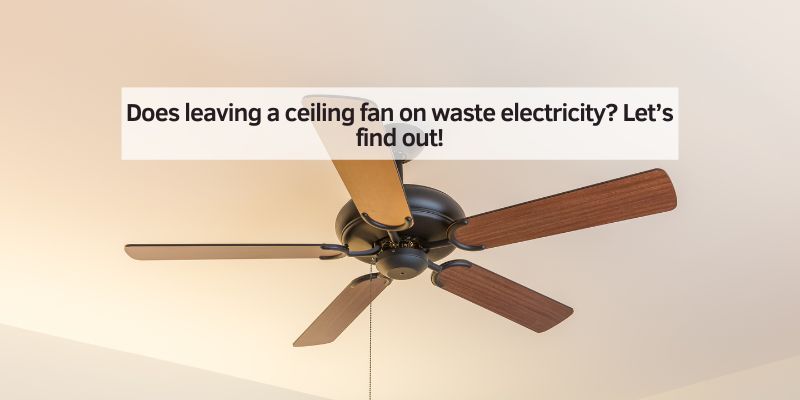
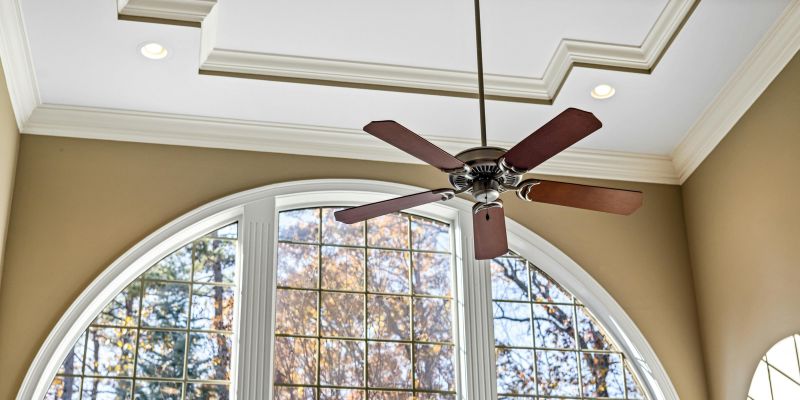
Ceiling fans spin blades to move air. They don’t cool the room like an air conditioner. Instead, they make you feel cooler by blowing air on your skin. This is called the wind chill effect. It helps sweat dry faster, so you feel nice and cool. Fans use a small motor that runs on electricity. But they use much less power than air conditioners. Knowing this helps us understand if leaving them on is wasteful.
Does Leaving a Ceiling Fan On Waste Electricity?
Yes, leaving a ceiling fan on in an empty room wastes electricity. Fans only cool people, not rooms. If no one’s there, the fan’s spinning for nothing. A typical ceiling fan uses 15-100 watts per hour, which costs about 1-5 cents per hour to run. Leaving it on all day in an empty room could add $10-20 to your monthly bill. Turning it off when you leave saves money and energy.
Why It Matters
Wasting electricity means higher bills. It also uses more power from plants that might harm the environment. By turning off fans when not needed, you save cash and help the planet. Small habits, like flipping the switch, make a big difference over time.
How to Use Ceiling Fans to Save Electricity
Ceiling fans can save energy if used smartly. Here’s how I make the most of my fans at home. These steps are simple and work for anyone.
- Turn off fans when you leave. If no one’s in the room, the fan’s breeze is useless. Flip the switch off, just like you do with lights.
- Use fans with air conditioning. Fans let you set your AC to a higher temperature, like 74°F instead of 70°F. This saves energy.
- Choose the right fan speed. Low or medium settings use less power than high. Pick what feels good.
- Set the fan direction. In summer, make it spin counterclockwise for a cool breeze. In winter, switch to clockwise to push warm air down.
Picking the Right Fan Size
A fan that’s too big or small wastes energy. Here’s a quick guide to choose the right size:
| Room Size | Fan Diameter | Why It Works |
|---|---|---|
| Small (up to 100 sq ft) | 36-42 inches | Moves enough air for cozy spaces. |
| Medium (100-200 sq ft) | 42-52 inches | Perfect for bedrooms or living rooms. |
| Large (over 200 sq ft) | 52-60 inches | Covers big areas like open-plan homes. |
Caption: This table helps you pick a fan size to save energy and stay comfortable.
Comparing Ceiling Fans to Air Conditioners
Ceiling fans use way less electricity than air conditioners. A fan might use 75 watts per hour, while an AC can use 2,400-4,500 watts. That means fans cost about 1% of what ACs do. But fans don’t cool the air—they just make you feel cooler. ACs lower the room’s temperature and remove humidity. For hot days over 95°F, fans alone might not be enough. Using both together is the best way to save money.
Cost Comparison Table
Here’s how fans and ACs stack up:
| Device | Watts per Hour | Cost per Hour | Best For |
|---|---|---|---|
| Ceiling Fan | 15-100 | $0.01-$0.05 | Mild days, with AC |
| Air Conditioner | 2,400-4,500 | $0.06-$0.88 | Hot, humid days |
Caption: Fans are cheaper to run, but ACs cool rooms better on hot days.
My Personal Tips for Saving Energy
When I moved into my apartment, my electric bill was high. I learned to use my ceiling fan wisely. Here are my favorite tips:
- Dust the blades. Dusty blades make the fan work harder, using more power. Clean them monthly with a damp cloth.
- Use a timer. I set my fan to turn off after I leave the room. Smart fans with timers or sensors are great.
- Pair with LED lights. If your fan has a light, use energy-efficient LED bulbs to save more.
These small changes cut my bill by about $15 a month. Try them and see!
Common Mistakes to Avoid
It’s easy to make mistakes with ceiling fans. Here are some to watch out for:
- Leaving fans on 24/7. This wastes electricity in empty rooms.
- Wrong fan direction. Clockwise in summer won’t cool you—it pushes warm air down.
- Picking the wrong size. A tiny fan in a big room won’t help much. Check my table above.
Avoid these, and your fan will work better and save money.
Visual Ideas for Better Understanding
To make this easier, imagine these visuals (not included):
- A simple diagram showing how a fan’s breeze cools your skin.
- A room layout with fan sizes for small, medium, and large spaces.
- A chart comparing fan and AC costs over a month.
These would help you see how fans work and save energy.
Other Ways to Stay Cool and Save Energy
Fans aren’t the only way to beat the heat. Try these ideas:
- Close curtains. Block sunlight to keep rooms cooler.
- Use a portable fan. They’re great for small spaces and use even less power.
- Check your AC filter. A clean filter saves energy. Change it monthly in summer.
I love combining these with my ceiling fan for max comfort and savings.
Energy-Saving Tools Table
Here’s a quick look at tools to help you save:
| Tool | Purpose | Cost |
|---|---|---|
| Smart Fan | Auto-off timers | $100-$300 |
| LED Bulbs | Energy-efficient lighting | $5-$15 |
| Thermostat | Controls AC temp | $50-$200 |
Caption: These tools pair with fans to cut your electric bill.
Conclusion
Ceiling fans are awesome for staying cool and saving money. But leaving them on in empty rooms wastes electricity. Turn them off when you leave, use them with your AC, and pick the right size for your room. My grandma was right—small habits make a big difference! Try one tip from this article, like setting your fan to counterclockwise in summer. You’ll feel cooler and save cash. Share your favorite energy-saving trick with a friend or on social media. Let’s keep our homes comfy and our planet happy!
Frequently Asked Questions
Does leaving a ceiling fan on waste electricity?
Yes, it does. Ceiling fans cool people, not rooms. If no one’s there, the fan uses power for nothing. A typical fan costs 1-5 cents per hour to run. Turning it off when you leave the room saves about $10-20 a month. It’s an easy habit to start
Can ceiling fans lower my electric bill?
Yes! Fans use way less power than air conditioners. Pairing a fan with your AC lets you set the thermostat higher, saving 3-5% per degree. I set my AC to 74°F with a fan and still feel cool, cutting my bill noticeably.
Should I leave my fan on all day?
No, don’t leave it on all day. Fans only help when you’re in the room. Running them 24/7 in empty rooms wastes electricity and wears out the motor. Turn it on when you enter and off when you leave.
Do ceiling fans work in hot weather?
Fans work best when it’s under 95°F. Above that, they might blow hot air, which isn’t helpful. On super hot days, use your AC with the fan to stay cool without cranking the AC too low.
How much does it cost to run a ceiling fan?
A ceiling fan costs about 1-5 cents per hour, depending on its size and speed. For 24 hours, that’s 24-72 cents a day. Compare that to an AC, which can cost $4 a day. Fans are a cheap way to stay cool
Can fans help in winter?
Yes! In winter, set your fan to spin clockwise on low. This pushes warm air down from the ceiling, keeping you cozy. It helps your heater work less, saving energy.
Are energy-efficient fans worth it?
Yes, energy-efficient fans, like those with DC motors, use 20-30 watts per hour. They cost less to run than older fans. I switched to an Energy Star fan and saved a few bucks a month.