Does Mold Smell Like Urine? A Complete Guide
Hey there! I’m so thrilled you’re here to dive into a question that’s puzzled me before: does mold smell like urine? A while back, I noticed a weird smell in my bathroom that I couldn’t quite place. Was it mold? Something else? I rolled up my sleeves, sniffed around (literally!), and did some serious research, talking to cleaning pros and even a mold inspector. Let me tell you, it was quite the adventure!
Let’s sit down together, and I’ll share everything I’ve learned about mold smells, urine odors, and how to figure out what’s stinking up your space. I’ll keep it simple and friendly, like we’re chatting over a cup of coffee. Whether you’re a homeowner or just curious, you’ll know how to tackle those mystery smells by the end. Ready? Let’s get sniffing!
What Is Mold and Why Does It Smell?
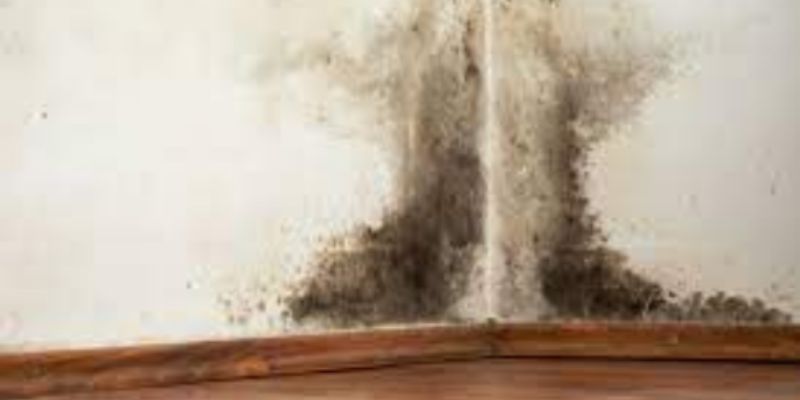
First, let’s talk about mold. Mold is a type of fungus that grows in damp, warm places. I found it in my bathroom where the shower leaked. It loves moisture, like in basements, kitchens, or near windows. Mold spreads by sending tiny spores into the air, and that’s often what causes the smell.
The smell comes from chemicals mold releases as it grows. I learned these are called microbial volatile organic compounds (MVOCs). They give mold that musty, earthy odor. When I sniffed my bathroom, it was like wet socks left in a gym bag. Not pleasant! Mold smells vary, though, depending on the type and where it’s growing. Knowing this helped me start narrowing down my mystery smell.
Does Mold Smell Like Urine?
Now, to the big question: does mold smell like urine? Sometimes, it can. I was surprised when I learned this. Certain molds, like black mold, can produce a sharp, ammonia-like smell that reminds people of urine. My bathroom’s odor had a faint cat-pee vibe, which made me wonder.
But it’s not a perfect match. Mold’s smell is usually musty or earthy, while urine is more pungent and chemical. I noticed my bathroom smell was stronger near the tiles, hinting at mold, not a pet accident. If the smell is strictly like urine, it might not be mold at all. I had to investigate further to be sure.
Other Sources of Urine-Like Smells
Before I blamed mold, I checked other culprits. Urine-like smells can come from surprising places. Here’s what I found:
- Pet Accidents: My neighbor’s cat peed on her rug, and it smelled awful. Pets can leave urine odors in carpets or corners.
- Plumbing Issues: A leaky toilet seal or clogged drain can smell like urine. I had a plumber check my bathroom, and he found a bad seal.
- Bacteria in Drains: Bacteria in sink or shower drains can produce ammonia smells. I poured vinegar down my drain, and it helped.
- Cleaning Products: Some cleaners, like ammonia-based ones, mimic urine. I switched to vinegar to avoid confusion.
- Sweaty Clothes or Towels: Damp towels left in a pile can smell like urine. I found this in my laundry hamper.
These helped me rule out mold at first. I sniffed around to pinpoint the source, and it led me back to the shower tiles.
How to Identify a Mold Smell
Figuring out if it’s mold took some detective work. Here’s how I did it:
- Sniff Carefully: I got close to the suspect area. Mold smells musty, like a damp basement. My shower had that exact odor.
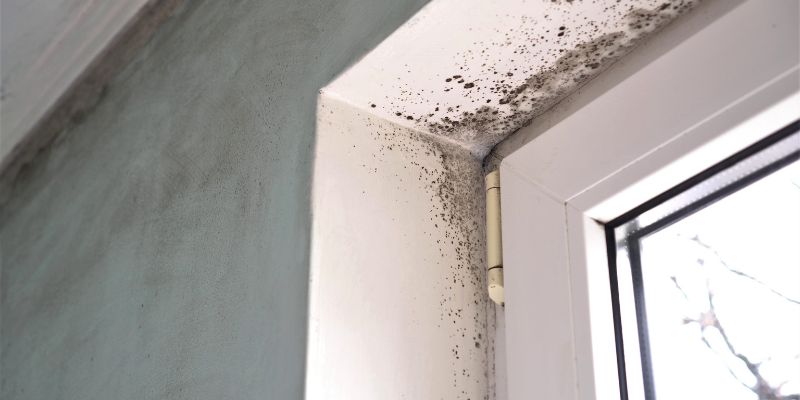
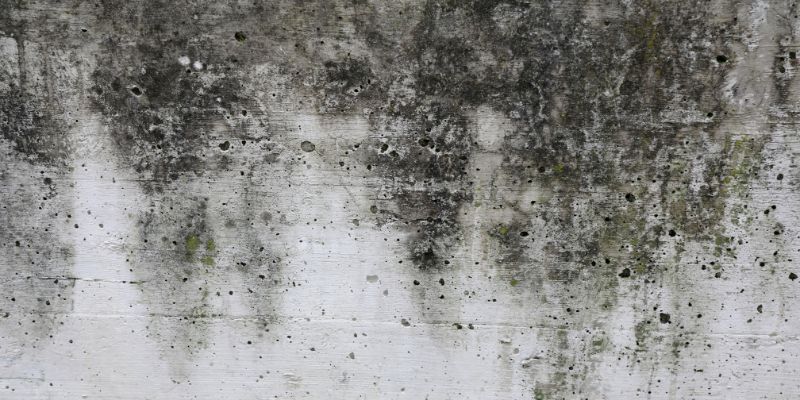
- Check for Visual Signs: Mold looks fuzzy, black, green, or white. I spotted black spots on my caulk.
- Test with Water: I dried the area and checked if the smell went away. If it’s mold, moisture brings it back. My smell got stronger after a shower.
- Compare Areas: I sniffed other rooms. The smell was only in the bathroom, pointing to a local issue.
- Use Your Nose: If it’s sharp like urine but not musty, it might not be mold. I noticed a mix of both in my case.
This process made me pretty sure it was mold, but I wanted to confirm.
Where Mold Grows and Why It Smells
Mold needs the right conditions to grow, and I learned where to look. Here’s where I found it:
- Bathrooms: My shower tiles and caulk were moldy due to steam. Poor ventilation made it worse.
- Basements: My friend’s basement smelled musty from a leaky pipe. Mold loves damp concrete.
- Kitchens: Under sinks or near dishwashers, mold can grow. I checked my kitchen and found none.
- Attics: Roof leaks can cause mold. I inspected my attic after a storm, but it was clear.
- Carpets or Walls: Wet carpets or drywall from spills can harbor mold. I had a spill in my living room once.
Mold smells stronger in these spots because it thrives on moisture. I used a flashlight to check tight spaces and found hidden growth.
Table: Mold Smell vs. Urine Smell
Here’s a table I made to compare the smells:
| Characteristic | Mold Smell | Urine Smell |
|---|---|---|
| Odor Type | Musty, earthy, damp | Sharp, ammonia-like, pungent |
| Common Source | Damp walls, tiles, caulk | Pets, plumbing, drains |
| Persistence | Stronger with moisture | Consistent, may fade with cleaning |
| Visual Clues | Black, green, or white spots | Wet spots, stains |
| Location | Bathrooms, basements | Floors, carpets, bathrooms |
This helped me decide my bathroom’s smell was mostly mold, with a urine-like hint.
Health Risks of Mold Exposure
I got worried about mold’s impact on my family. Mold isn’t just smelly—it can be harmful. I learned it can cause:
- Allergies: Sneezing, itchy eyes, or rashes. My son’s allergies acted up near the bathroom.
- Asthma: Mold can trigger attacks. My friend with asthma avoided my house until I fixed it.
- Infections: Some molds, like aspergillus, can cause lung issues. I was careful not to disturb big patches.
- Irritation: Headaches or sore throats. I felt this after cleaning without a mask.
- Toxic Effects: Black mold can produce mycotoxins, though rare. I had a pro check for this.
I wore a mask and gloves while cleaning to stay safe. If you have health issues, mold is a big reason to act fast.
How to Test for Mold
To be sure it was mold, I tested it. Here’s what I did:
- Visual Inspection: I checked for spots or fuzz. My caulk had black mold.
- Smell Test: I confirmed the musty odor was strongest near the shower.
- DIY Test Kits: I bought a $10 kit from a hardware store. It confirmed mold spores in my bathroom.
- Professional Inspection: For peace of mind, I paid $200 for a pro to check. He found mold but no toxic types.
- Tape Test: I pressed clear tape on a spot and sent it to a lab. It was mold, not dirt.
DIY kits are cheap, but pros are thorough. I used both to be certain.
How to Get Rid of Mold Smell
Once I knew it was mold, I wanted that smell gone. Here’s how I did it:
- Clean Small Areas: I sprayed vinegar on my caulk, let it sit for 20 minutes, and scrubbed. The smell faded.
- Use Baking Soda: I sprinkled it on tiles, scrubbed, and rinsed. It absorbed some odor.
- Ventilate: I ran a fan and opened windows. Fresh air helped clear the musty smell.
- Replace Caulk: I removed moldy caulk and added new for $15. It stopped the smell from returning.
- HEPA Vacuum: I vacuumed carpets near the bathroom to catch spores. My vacuum was $50.
For big mold problems, I called a pro. They used special cleaners for $500, but it was worth it.
Cleaning Solutions for Mold
I tried different cleaners to fight mold. Here’s what worked:
- Vinegar: Cheap and safe, it killed mold on my tiles. I used a $2 gallon.
- Hydrogen Peroxide: Great for tough spots. I sprayed 3% solution for $1 and wiped it off.
- Baking Soda: Absorbs odors and scrubs stains. A $1 box lasted weeks.
- Bleach: Kills mold but is harsh. I used it on porcelain for $3, with good ventilation.
- Commercial Mold Killers: I tried Concrobium for $10. It worked on walls but smelled strong.
I always tested cleaners on a small spot and wore gloves. Vinegar was my favorite for daily use.
Preventing Mold and Smells
I didn’t want mold back, so I focused on prevention. Here’s my routine:
- Ventilate: I run the bathroom fan for 20 minutes after showers. It cost $30 to install.
- Fix Leaks: I repaired a dripping faucet for $10. No leaks, no mold.
- Dry Surfaces: I squeegee my shower daily. A $5 squeegee does the trick.
- Use a Dehumidifier: I got a $50 unit for my basement. It keeps humidity low.
- Clean Regularly: I wipe tiles weekly with vinegar to stop mold early.
These habits keep my home smelling fresh and mold-free.
When to Call a Professional
I handled small mold patches, but some jobs were too big. I called a pro when:
- Large Areas: Mold covered more than 10 square feet in my friend’s basement.
- Health Issues: My son’s allergies worsened, so I wanted it gone fast.
- Hidden Mold: Smells persisted after cleaning. A pro found mold in my walls.
- Toxic Mold: I worried about black mold. A pro tested for $200.
- Water Damage: After a flood, I paid $1,000 for full remediation.
Pros cost $200-$2,000, but they’re worth it for safety. I found one through my local hardware store.
Costs of Dealing with Mold
Money was a concern, so I tracked costs. Here’s what I spent:
- DIY Supplies: Vinegar ($2), baking soda ($1), peroxide ($1), gloves ($3). Total: $10-$20.
- Test Kits: DIY kits were $10-$30. I used a $10 one.
- Professional Testing: $100-$300. I paid $200 for a full check.
- Mold Removal: $200-$2,000. Small jobs were $500 for me.
- Prevention Tools: Dehumidifier ($50), fan ($30), squeegee ($5). Total: $85.
I spent $300 total, including a pro visit. DIY is cheaper, but pros handle big jobs.
Safety Tips for Mold Cleaning
Cleaning mold can be risky, so I stayed safe. Here’s how:
- Wear Protective Gear: I used gloves, a mask, and goggles. My mask was $10.
- Ventilate: I opened windows and used a fan. It kept air fresh.
- Avoid Mixing Cleaners: I never mixed bleach and ammonia—it’s toxic.
- Seal Off Areas: I closed doors to keep spores from spreading.
- Dispose Properly: I bagged moldy caulk and threw it out. No spores escaped.
These kept me healthy while cleaning. I always showered after to wash off spores.
Why Mold Smells Are a Warning Sign
That urine-like smell was my wake-up call. Mold smells mean it’s growing, and that’s bad for your home and health. I learned a small patch can spread fast if ignored. Fixing it early saved me money and kept my family safe. If you smell something odd, don’t wait—check it out. It’s a sign your home needs help.
Environmental Impact of Mold
I care about the planet, so I looked into mold’s impact. Mold can damage homes, leading to waste from repairs. I used eco-friendly cleaners like vinegar to reduce chemicals. Recycling moldy materials, like caulk, was tough, but I bagged them safely for trash. Preventing mold with ventilation cuts energy use from dehumidifiers. It’s a small way to keep my home and Earth healthy.
What If It’s Not Mold?
If the smell isn’t mold, I checked other sources. Pet urine needs enzyme cleaners—I used one for $8 on my rug. Plumbing fixes cost $50-$200; my toilet seal was $75. Drain bacteria clears with vinegar or a $10 cleaner. I also washed towels weekly to stop sweaty smells. Sniffing around and testing helped me find the real culprit.
Wrapping It Up
So, does mold smell like urine? Sometimes, it can, with that sharp, ammonia-like whiff, but it’s usually musty and earthy. I went from puzzled by my bathroom’s odd smell to a mold-busting pro, armed with vinegar and a good nose. By sniffing out the source, testing for mold, and cleaning or calling pros, you can banish that smell and keep your home safe. Grab a flashlight, check those damp spots, and take charge—you’ve got this!
Your home will smell fresh, and you’ll feel proud of your clean, healthy space. Thanks for diving into this with me—here’s to odor-free living and happy noses!
FAQ
Does mold always smell like urine?
No, it doesn’t. I found mold usually smells musty, like damp clothes. Some types, like black mold, can have a urine-like ammonia smell.
How do I know if it’s mold or urine?
I sniff for musty odors and check for black or green spots. Urine smells sharper and comes from pets or drains. Testing with a kit helped me confirm.
Can I clean mold myself?
For small patches, yes. I used vinegar and scrubbed my caulk. For big areas, I called a pro to be safe.
How much does mold removal cost?
DIY is $10-$20 for supplies. I spent $200 on a pro test and $500 for removal. Big jobs can hit $2,000.
How do I stop mold smells from coming back?
I ventilate with a fan, fix leaks, and wipe tiles weekly with vinegar. A $50 dehumidifier keeps my basement dry.