Door Handle Parts Explained: Complete Guide
Figuring out all the pieces of a door handle can seem tricky at first. Lots of names for different parts might make your head spin. But don’t worry, it’s simpler than it looks!
This guide will walk you through everything step by step. We’ll break down the Door Handle Parts Explained: Complete Guide so you can see exactly what makes your door work. Get ready to learn about each part and how they fit together.
Understanding Your Door Handle Components
Knowing the parts of a door handle helps a lot when you need to fix or replace something. It’s like understanding the engine of a car; when you know what each piece does, you can better solve problems. This section covers the main parts you’ll find on most common door handles, explaining what they are and their basic function.
We’ll keep it simple so you can easily identify each component.
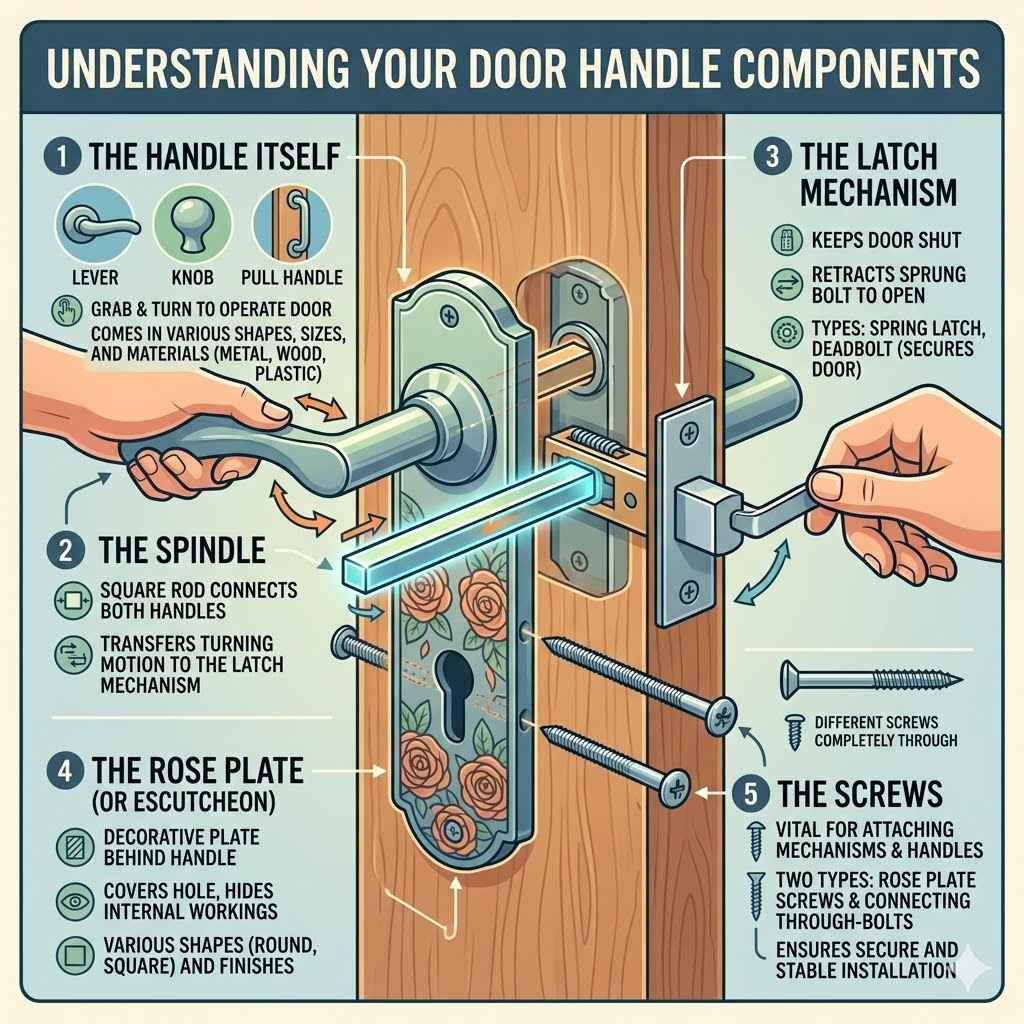
The Handle Itself
The handle is what you grab and turn to open or close a door. It’s the most visible part and comes in many shapes and sizes. Think of levers, knobs, or pull handles.
The design matters not just for looks but also for how easy it is to use, especially for kids or people with limited hand strength.
Handles are usually made from metal like brass, stainless steel, or aluminum, but can also be wood or plastic. The material affects durability and feel. A good handle feels solid and comfortable in your hand.
The Spindle
The spindle is a square rod that connects the two handles on a door. When you turn one handle, the spindle turns too. This turning motion is what activates the latch mechanism inside the door.
It’s a crucial part that transfers your action to the inner workings.
Spindles are typically made of metal and are designed to be strong enough to withstand repeated use. Their length needs to match the thickness of the door so that both handles are properly aligned and function smoothly.
The Latch Mechanism
The latch mechanism is the part that actually keeps the door shut. It has a sprung bolt that extends into a strike plate on the door frame. When you operate the handle, the spindle retracts this bolt, allowing the door to open.
There are different types of latches, like spring latches (the most common) and deadbolts for extra security. The type of latch determines how the door secures and how it’s operated.
The Rose Plate or Escutcheon
The rose plate, also called an escutcheon, is the decorative plate that sits behind the handle against the door. It covers the hole in the door and hides the internal workings of the latch and spindle. It adds a finished look and protects the door surface from wear.
Roses can be round, square, or other shapes, and they come in various finishes to match the handle and the overall decor of your home. Some roses also house the screws that hold the handle assembly together.
The Screws
Screws are vital for attaching the handles and internal mechanisms to the door. There are usually two main types of screws involved. One set attaches the rose plates to the door, while another set, often longer and thicker, goes through the door and connects the two sides of the handle mechanism together, pulling it tight.
Using the correct screws is important for a secure and stable installation. If the screws are too short, the handle might feel loose or wobbly. If they’re too long, they could interfere with other door components.
Common Door Handle Types and Their Parts
Different doors often have different types of handles, and each type might have slightly varied parts. Understanding these common types helps you identify what you have and what you might need. We will look at the most common ones you’ll find in homes and offices.
Lever Handles
Lever handles are popular for their ease of use. They consist of a handle lever, a spindle, a latch mechanism, and often a rose plate. The lever is typically mounted on a spindle that passes through the door.
The design allows for easy operation, often requiring just a slight push down. This makes them ideal for accessibility.
- Lever: The main part you push down. Available in many designs, from simple bars to more decorative curves.
- Spindle: The square rod that connects the two levers.
- Latch Bolt: The part that slides into the door frame to keep the door closed. Operated by turning the spindle.
- Rose Plate: The circular or shaped plate behind the lever. It covers the door hole and mounting hardware.
- Mounting Screws: Used to secure the entire assembly to the door.
Knob Handles
Knob handles are the traditional choice for many doors. They are round or oval and are twisted to operate the latch. Like lever handles, they have a spindle, a latch, and often a rose or cover plate.
Knobs can sometimes be harder to grip for people with arthritis or small children.
- Knob: The round or oval grip that you twist.
- Spindle: Connects the two knobs.
- Latch Mechanism: Retracts when the knob is twisted.
- Escutcheon Plates: These often surround the knob base. They can be simple or ornate.
- Set Screw: Sometimes a small screw secures the knob to the spindle.
Mortise Lock Handles
Mortise lock handles are part of a more complex lock system. This system is installed within a pocket (mortise) cut into the edge of the door. They offer greater security and durability.
These often involve a larger lock body that contains the bolt mechanism and a separate thumbturn or key cylinder for operation.
- Handle/Lever: Operates the latch or bolt.
- Escutcheon/Trim Plate: Covers the lock body on the door face.
- Mortise Lock Body: The main housing containing the lock mechanism and deadbolt.
- Spindle: Connects handles to the lock body.
- Thumbturn/Key Cylinder: Used to engage or disengage the deadbolt, often from the inside or with a key from the outside.
Technical Details of Door Handle Parts
To truly understand door handles, let’s look closer at the technical aspects of their components. This includes the materials, how they are measured, and the mechanics behind their operation. Knowing these details can help with repairs or choosing new hardware.
Backset Measurement
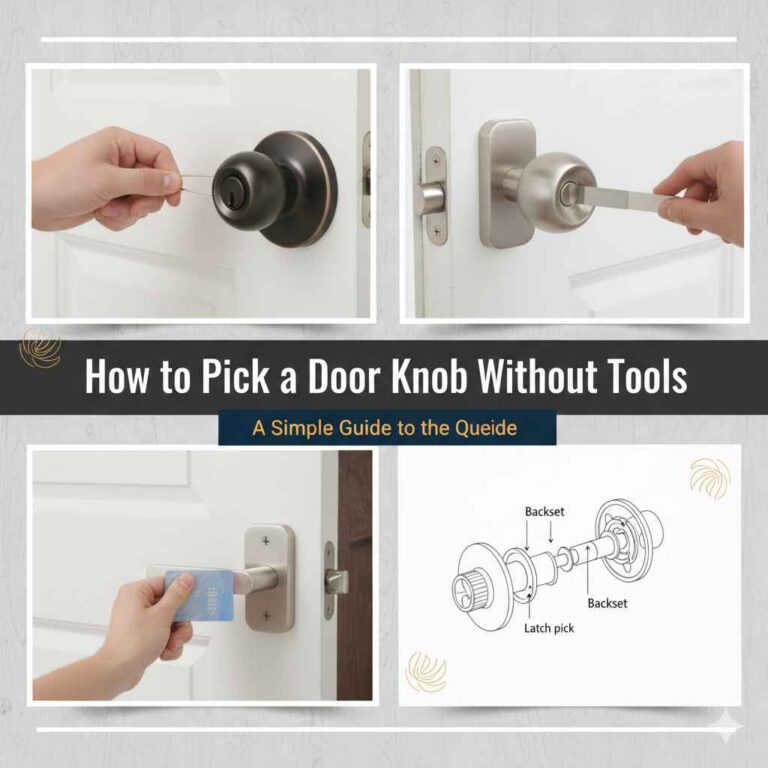
The backset is a critical measurement for door hardware. It is the distance from the edge of the door to the center of the doorknob spindle hole or the edge of the latch. This measurement determines which hardware will fit your door properly.
Common backsets include 2 3/8 inches and 2 3/4 inches, but other sizes exist. It’s essential to measure your existing door or the door you plan to install hardware on before purchasing.
A door handle that is not compatible with the door’s backset will not install correctly and will likely not function. For example, if you have a 2 3/4 inch backset, a latch with a 2 3/8 inch backset will not reach far enough into the door to be properly seated and secured.
Latch Bolt Types
The latch bolt is the part that extends from the edge of the door to keep it closed. Understanding its types is key to knowing how your door operates.
- Spring Latch: This is the most common type. It’s spring-loaded and held in place by a beveled edge. When the door closes, the bevel hits the strike plate, pushing the bolt back, and it then springs out into the strike plate hole to hold the door closed. A turn of the handle retracts the bolt.
- Dead Latch: Similar to a spring latch, but it has a small plunger that, once thrown, locks the beveled edge from being pushed back. This prevents “latching” the door by simply pushing it shut; you usually need to turn the handle to retract it. This adds a layer of security.
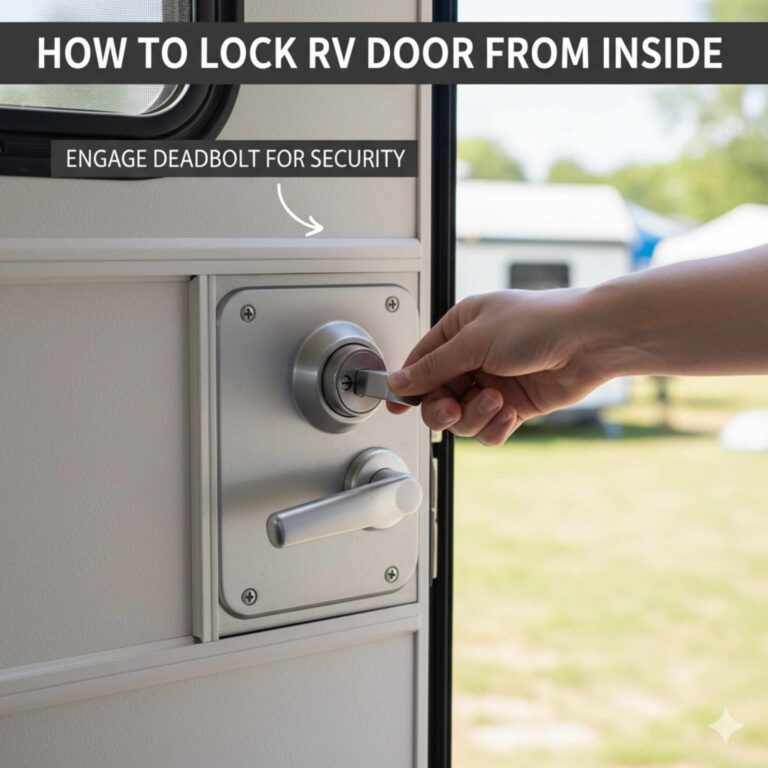
- Deadbolt: This is a separate locking mechanism that provides much higher security. It has a solid bolt that extends further into the door frame and is operated by a key cylinder or a thumbturn. It is not spring-loaded but is manually engaged and disengaged.
Materials and Finishes
The materials and finishes used for door handles affect their durability, appearance, and cost. Common materials include brass, stainless steel, zinc alloy, and aluminum.
Finishes range from polished chrome and brushed nickel to oil-rubbed bronze and matte black. The finish not only changes the look but also provides a protective layer against corrosion and wear.
- Brass: A traditional material, often used for its beauty. It can be plated or solid. Solid brass is more durable and resistant to corrosion.
- Stainless Steel: Known for its strength, durability, and resistance to rust and corrosion. It’s a popular choice for modern designs and high-traffic areas.
- Zinc Alloy: A cost-effective option that can be cast into intricate shapes. It is often plated to achieve various finishes.
- Aluminum: Lightweight and corrosion-resistant. Often used for more modern or minimalist designs.
How the Mechanism Works
When you turn a door handle, you are engaging a simple mechanical system. The handle is attached to a spindle, which is a square metal rod. This spindle passes through the interior of the door and connects to the back of the latch mechanism.
As the spindle turns, it rotates a cam or lever inside the latch mechanism. This action pulls the bolt backwards, out of the strike plate on the door frame. Releasing the handle allows the spring to push the bolt back out.
For keyed entry, the key turns a cylinder, which then operates a cam or rod to retract the latch or engage a deadbolt.
Common Issues and Troubleshooting
Even the best door handles can develop problems over time. Understanding common issues can save you time and money on repairs. Most problems are related to wear and tear or improper installation.
Loose Handle
A common problem is a loose door handle. This usually happens because the mounting screws have worked themselves loose over time due to frequent use.
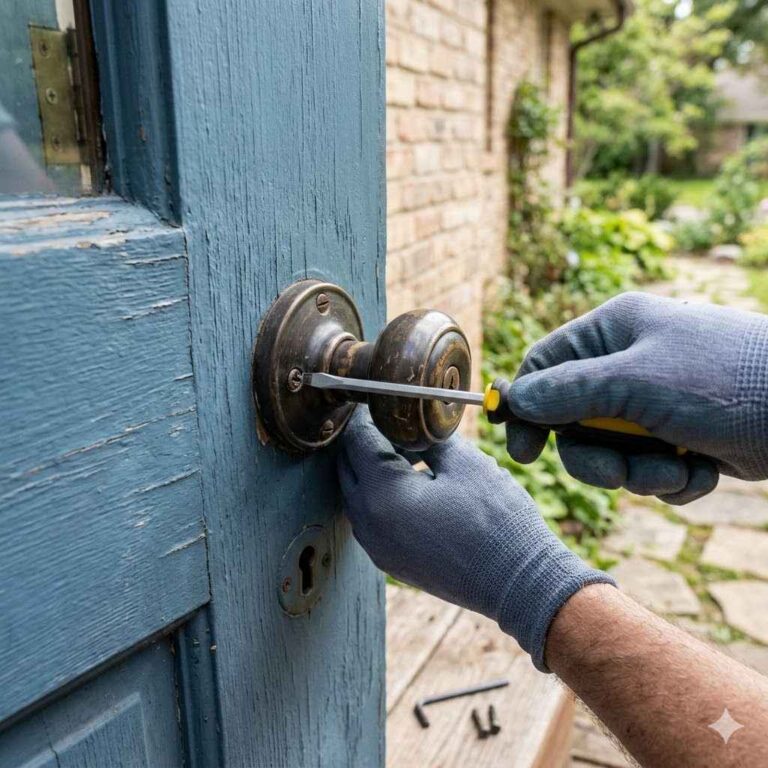
Solution: Locate the mounting screws, which are often on the inside rose plate. Tighten them firmly with a screwdriver. If there are no visible screws, you might need to remove the rose plate cover to access them.
Some handles have a small set screw on the neck of the handle that needs tightening onto the spindle.
Stiff Operation
If your door handle is stiff or hard to turn, it could be due to a few reasons. The internal parts might be dirty or dry, or the latch mechanism might be misaligned.
Solution: First, try lubricating the latch mechanism with a dry lubricant like graphite spray or a silicone-based lubricant. Avoid using oily lubricants, as they can attract dust. If lubrication doesn’t help, check that the spindle is straight and not bent.
Also, ensure the latch bolt moves freely in its housing and isn’t binding.
Latch Not Retracting Fully
This happens when the handle is turned, but the latch bolt doesn’t pull back enough to clear the strike plate. This can prevent the door from opening or closing smoothly.
Solution: Inspect the spindle and its connection to the latch mechanism. Ensure it’s properly seated and rotating correctly. Sometimes, the latch mechanism itself can become worn or damaged internally.
In such cases, replacing the latch mechanism is often the best course of action. Check that the door is not warped, which can cause the latch to bind.
Door Won’t Latch
If the door doesn’t stay shut, the latch bolt isn’t engaging properly with the strike plate. This could be due to misalignment of the strike plate or a problem with the latch bolt itself.
Solution: Check the alignment of the strike plate on the door frame. If it’s slightly off, you can often adjust it by filing the opening larger or repositioning it. Ensure the latch bolt is extending fully and is not obstructed.
If the latch bolt is damaged or worn, it might need replacement.
Advanced Door Handle Features
Beyond basic functionality, door handles can include advanced features for security, convenience, and smart home integration. These add layers of usability and protection.
Keyed Entry Handles
These handles have a key cylinder that allows you to lock and unlock the door from the outside. They are common for exterior doors.
- Key Cylinder: Contains pins that align with a specific key.
- Cam Mechanism: Connects to the cylinder and retracts the latch or engages a deadbolt.
- Thumbturn: Located on the inside, allowing for keyless locking and unlocking.
Keyed entry handles provide a good balance of accessibility and security for entry points.
Privacy Handles
Often used for bathrooms and bedrooms, privacy handles have a locking mechanism that can be operated from the inside, usually with a small push-button or turn-latch. They also have a small hole on the outside that can be used to unlock them with a thin tool in emergencies.
- Push-Button Lock: Activated by pushing a button on the inside knob or lever.
- Turn-Latch Lock: Operated by turning a small knob or lever on the inside.
- Emergency Release Slot: A small hole on the exterior escutcheon for emergency access.
These offer convenience and basic privacy without needing a key.
Smart Handles
Smart door handles integrate with smart home systems. They can offer features like keyless entry via keypad, smartphone app control, remote locking/unlocking, and activity logs.
- Keypad: Allows entry using a PIN code.
- Bluetooth/Wi-Fi Connectivity: Enables control via a smartphone app.
- Activity Tracking: Records who enters and when.
- Auto-Locking: Can be programmed to lock automatically after a set time.
These smart features provide enhanced security and convenience, allowing for greater control over who accesses your home.
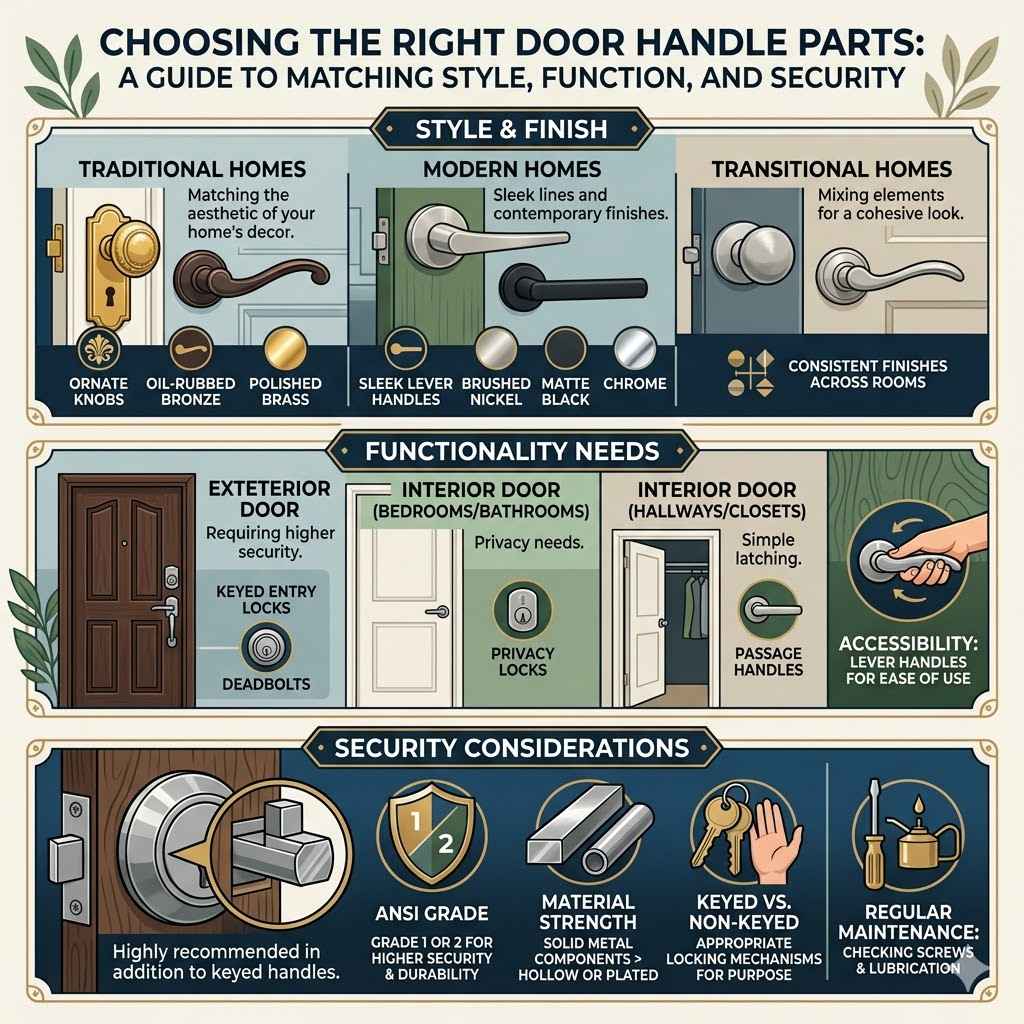
Choosing the Right Door Handle Parts
Selecting the correct door handle parts involves considering several factors. You need to match the style, function, and security needs of your door. Making the right choice ensures a good fit and long-lasting performance.
Matching Style and Finish
The aesthetic of your door hardware should complement your home’s decor. Consider the finish of other hardware in the area, such as light fixtures or cabinet pulls.
- Traditional Homes: Might suit ornate knobs, oil-rubbed bronze, or polished brass finishes.
- Modern Homes: Often look best with sleek lever handles, brushed nickel, matte black, or chrome finishes.
- Transitional Homes: Can mix elements, perhaps a simple lever with a more classic finish.
Consistency in finish across different rooms can create a cohesive look.
Functionality Needs
Think about how the door will be used. An exterior door needs more security than an interior closet door.
- Exterior Doors: Require keyed entry locks and potentially deadbolts for security.
- Interior Doors (Bedrooms, Bathrooms): Need privacy locks.
- Interior Doors (Hallways, Closets): Can use passage handles, which simply latch the door.
Accessibility is also a factor; lever handles are often preferred for ease of use.
Security Considerations
For security, especially on exterior doors, a deadbolt is highly recommended in addition to a keyed entry handle. The strength of the materials and the complexity of the lock mechanism play a significant role.
- ANSI Grade: Look for ANSI Grade 1 or Grade 2 for higher security and durability.
- Material Strength: Solid metal components are more robust than hollow or plated ones.
- Keyed vs. Non-Keyed: Ensure appropriate locking mechanisms for the door’s purpose.
Regular maintenance, like checking screw tightness and lubrication, also contributes to ongoing security.
Frequently Asked Questions
Question: What is the main part that retracts the latch on a door handle?
Answer: The spindle is the square rod that connects the handles. When you turn the handle, the spindle turns, which pulls the latch bolt back inside the door.
Question: Why is my door handle loose?
Answer: A loose door handle usually means the mounting screws have loosened over time. You can often tighten them with a screwdriver from the inside of the door.
Question: What is a backset and why is it important?
Answer: The backset is the distance from the edge of the door to the center of the doorknob spindle hole. It’s important because you need to match your door handle’s backset to your door for it to fit correctly.
Question: Can I replace just the handle if the rest of the lock works?
Answer: Yes, often you can. If your latch mechanism and spindle are fine, you might only need to replace the handles and rose plates to update the look.
Question: What does “passage knob” mean?
Answer: A passage knob or handle is one that latches the door shut but does not have a locking mechanism. It’s used for interior doors where privacy or security isn’t needed, like hallways or closets.
Wrap Up
You now have a clear picture of all the parts that make up a door handle. From the simple spindle to the complex smart lock features, each component plays a role. Knowing these parts helps with repairs, replacements, and choosing new hardware that fits your needs perfectly.
You can confidently identify and address issues with your door handles.