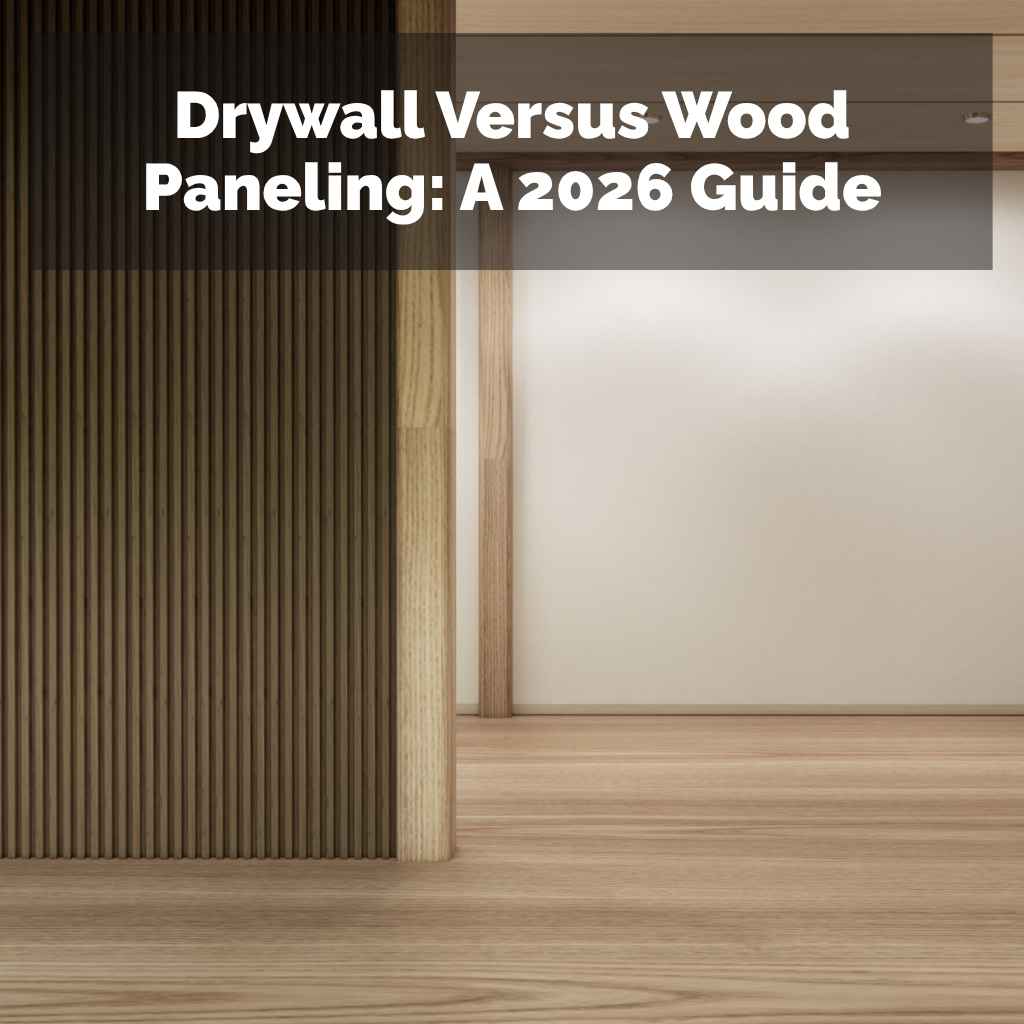
Drywall Versus Wood Paneling: A 2026 Guide
Choosing between drywall and wood panelling for your home can seem tricky, especially when you’re just starting out with design projects. It’s a big decision that affects how your rooms look and feel. Many people wonder which one is better for their space or their budget.
Don’t worry, we’re here to make it super simple. This guide will walk you through everything you need to know about Drywall vs Wood Panelling: 2026 Interior Design Guide. We’ll break it down step-by-step so you can choose the best option for your home.
Drywall vs Wood Panelling Interior Design Choices
This section will explore the fundamental differences between drywall and wood panelling, covering their core characteristics and how they are commonly used in home interiors. We will look at what makes each material unique, setting the stage for understanding their respective strengths and weaknesses in design applications. By examining their basic properties, you can begin to see why this choice is often a point of consideration for homeowners and designers alike.
This helps build a solid foundation for making an informed decision for your next renovation or new build project.
What Is Drywall
Drywall, also known as gypsum board or plasterboard, is a common building material used for interior walls and ceilings. It consists of a panel made of calcium sulfate dihydrate (gypsum) pressed between two thick sheets of paper. This creates a strong, rigid board that is then attached to wall studs or ceiling joists.
Drywall is favored for its smooth finish, which allows for easy painting, wallpapering, or texturing. It’s relatively inexpensive and quick to install, making it a popular choice for most residential and commercial construction projects. The clean, seamless look it provides is a blank canvas for any interior design style.
The manufacturing process involves mining gypsum, crushing it, and then heating it to remove water molecules. This heated gypsum is then mixed with additives and water to form a slurry, which is spread between continuous sheets of paper. The resulting sandwich is cut to standard lengths and dried.
This method ensures a consistent product that is easy to handle and work with on a job site.
Key Features of Drywall
Smooth Finish: Drywall provides an incredibly smooth and even surface. This makes it ideal for creating clean, modern aesthetics or for applying decorative finishes like paint or wallpaper without showing imperfections in the underlying structure. This smooth surface is a major reason why it’s the standard for most homes.
Cost-Effectiveness: Compared to many other wall materials, drywall is quite affordable. The raw materials are abundant, and the manufacturing process is efficient, which keeps production costs low. This makes it a budget-friendly option for large areas and projects with tight financial constraints.
Ease of Installation: Drywall panels are relatively lightweight and easy to cut and fit. Skilled installers can cover large areas quickly, reducing labor time and overall construction duration. This speed of installation is a significant advantage in many building projects where timelines are critical.
Fire Resistance: Gypsum contains water molecules that are released as steam when heated, which helps to slow the spread of fire. This makes drywall a valuable safety feature in buildings, contributing to fire safety regulations and building codes. It provides an important layer of protection in case of a fire emergency.
What Is Wood Panelling
Wood panelling, also known as wainscoting or timber cladding, involves attaching wooden boards or panels to interior walls. These can range from solid wood planks to engineered wood products like plywood or MDF covered with a wood veneer. The aesthetic possibilities with wood panelling are vast, offering warmth, texture, and character to any room.
Historically, wood panelling was used for insulation and to add a decorative, upscale feel to homes. Today, it’s often chosen for its natural beauty, ability to add depth and visual interest, and its unique textural qualities. It can create a cozy atmosphere or a sophisticated, elegant look depending on the type of wood and the finishing applied.
The installation of wood panelling can be more labor-intensive than drywall, and the cost can vary significantly based on the type of wood used, its source, and the complexity of the design. However, the rich, natural look and feel of wood often justify the investment for many homeowners seeking a distinctive interior.
Key Features of Wood Panelling
Natural Beauty and Warmth: Wood brings an unparalleled natural beauty and warmth to interior spaces. The unique grain patterns, colors, and textures of different wood species create a rich, inviting atmosphere that synthetic materials often struggle to replicate. This organic quality makes spaces feel more grounded and comfortable.
Durability and Longevity: High-quality wood panelling can be extremely durable and last for decades, even centuries, with proper care and maintenance. It is resistant to impacts and wear, making it a robust choice for high-traffic areas or for creating a lasting design statement. The aging process of wood can even add to its character over time.
Variety of Styles and Finishes: Wood panelling offers an immense range of design possibilities. From rustic reclaimed barn wood to sleek, modern walnut, there’s a wood for every aesthetic. Finishes can range from natural oils to high-gloss lacquers, further expanding the customization options to match specific design visions.
Sound Absorption: Wood has natural sound-dampening qualities. Installing wood panelling can help to reduce echoes and absorb sound, contributing to a quieter and more peaceful indoor environment. This acoustic benefit is particularly valuable in spaces like home offices, media rooms, or bedrooms.
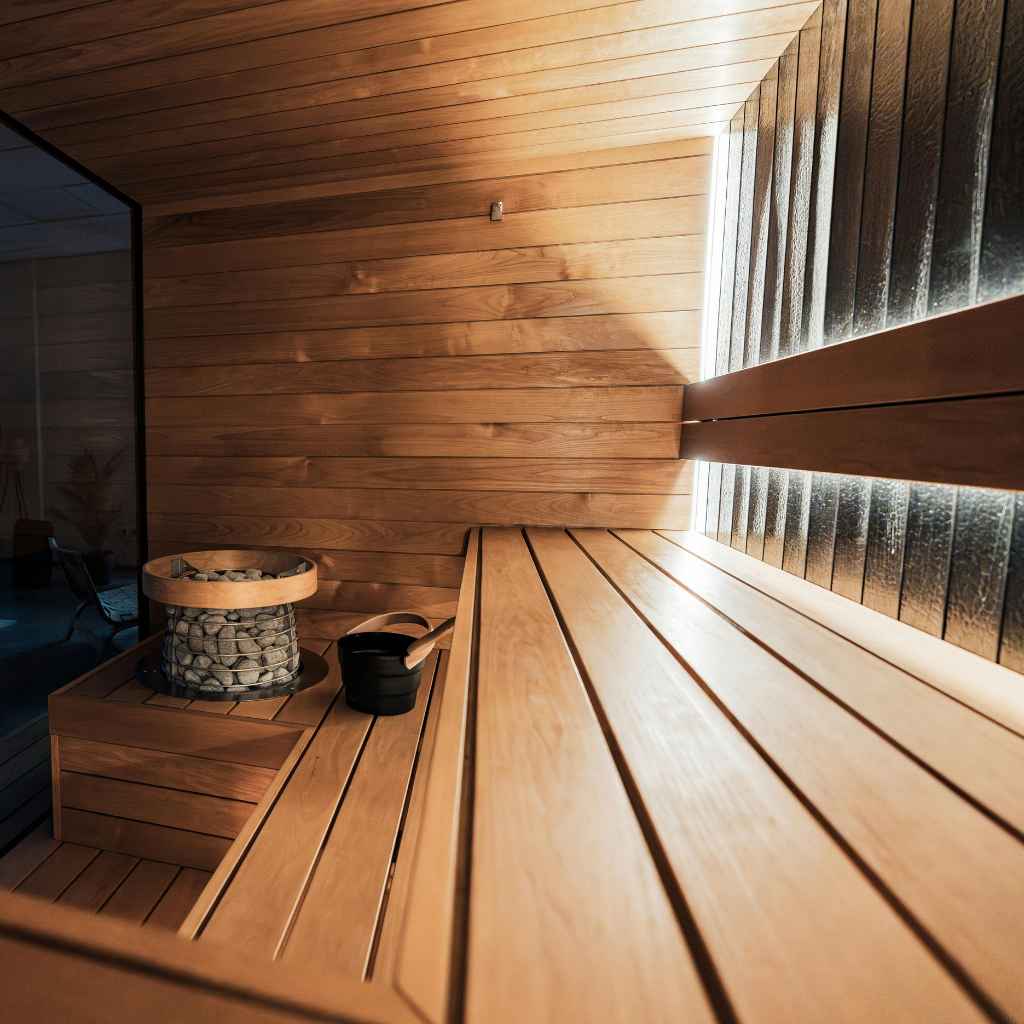
Comparing Drywall and Wood Panelling For Your Home
This section will delve into a direct comparison of drywall and wood panelling, highlighting the key differences that influence their suitability for various interior design projects. We will examine factors such as cost, installation, maintenance, aesthetic appeal, and durability. Understanding these comparisons is crucial for making an informed decision that aligns with your budget, design goals, and lifestyle.
This detailed look will help clarify which material might be the better fit for your specific needs and preferences.
Cost Considerations
The cost comparison between drywall and wood panelling is a significant factor for many homeowners. Drywall is generally the more budget-friendly option. A standard sheet of drywall costs significantly less than most types of wood panels, especially solid hardwoods or premium veneers.
The labor cost for installing drywall is also typically lower due to its simpler application process and the faster pace at which it can be covered. This makes it the go-to choice for large-scale projects or for those on a tight budget.
Wood panelling, on the other hand, can be considerably more expensive. The price varies widely depending on the wood species, whether it’s solid wood or veneer, and the complexity of the design or pattern. Installation costs can also be higher due to the increased labor involved in cutting, fitting, and finishing the wood panels.
However, some homeowners view wood panelling as an investment, considering its potential for longevity and the unique aesthetic value it adds to a home.
For example, installing drywall in a standard 12×12 foot room might cost around $600-$1000 for materials and labor. In contrast, installing a mid-range wood panelling in the same room could range from $2000-$5000 or even more for exotic woods or intricate designs. This price difference is often a deciding factor for many homeowners.
| Feature | Drywall | Wood Panelling |
|---|---|---|
| Material Cost | Low | Medium to High |
| Installation Cost | Low | Medium to High |
| Overall Project Cost | Lower | Higher |
| Value for Money | Excellent for a smooth finish | Excellent for aesthetic appeal and warmth |
Installation Process
The installation process for drywall and wood panelling differs significantly in terms of complexity and time. Drywall installation involves hanging large sheets of gypsum board onto wall studs or ceiling joists. These sheets are then taped and mudded, followed by sanding to create a seamless surface ready for finishing.
This process, while requiring skill to achieve a smooth finish, is generally straightforward and can be completed relatively quickly by experienced contractors.
Wood panelling installation often requires more precision and attention to detail. Depending on the type of panelling, it might involve measuring and cutting individual boards or panels to fit the room precisely. They are then attached to the wall studs, often with specialized fasteners or adhesives.
Some types of panelling may require a specific substrate or vapor barrier. The fitting around windows, doors, and electrical outlets needs to be exact. This can be a more time-consuming and skill-intensive process.
A sample scenario for drywall installation might involve a team of two workers hanging and finishing a room in 1-2 days. For wood panelling, a similar sized room might take 2-4 days or more, depending on the complexity of the pattern and the type of wood. This difference in installation time directly impacts labor costs and project timelines.
Maintenance and Durability
When considering maintenance and durability, both drywall and wood panelling have their unique aspects. Drywall is generally easy to maintain; most dirt and smudges can be wiped away with a damp cloth. However, it is more susceptible to damage from impact, such as dings and dents from furniture or accidental knocks.
Repairing drywall damage usually involves patching the affected area with joint compound, sanding, and repainting, which is a relatively simple DIY task.
Wood panelling, especially if made from solid hardwood, can be very durable and resistant to minor impacts. However, it requires more specific care. It may need periodic cleaning with wood-specific cleaners to maintain its finish and prevent drying or cracking.
Depending on the wood and finish, it might also require occasional re-sanding and re-varnishing or waxing over time to preserve its appearance and protect it from moisture or UV damage. Scratches and dents on wood can be more challenging to repair seamlessly than on drywall, sometimes requiring professional refinishing.
A real-life example: A family with young children might find that their drywall walls in high-traffic areas get scuffed more often and require touch-up paint. On the other hand, a homeowner with a more serene lifestyle might find their hardwood panelling holds up beautifully for years with minimal attention. However, if a heavy item falls on wood panelling, the repair might be more involved than a simple drywall patch.
Aesthetic Appeal and Design Versatility
The aesthetic appeal and design versatility are where the differences between drywall and wood panelling truly shine. Drywall offers a blank canvas. Its smooth, uniform surface is perfect for achieving a minimalist look, or it can be painted in any color imaginable, textured, or covered with wallpaper to suit any design theme.
It’s the standard for modern, clean-lined interiors and provides a foundation for a wide array of decorative styles.
Wood panelling, conversely, brings inherent character, warmth, and texture to a space. It can evoke a rustic cabin feel, a sophisticated mid-century modern vibe, or a classic, traditional elegance, depending on the wood species, cut, and finish. Different patterns like shiplap, beadboard, or geometric wood designs offer unique visual interest.
This makes wood panelling ideal for creating accent walls, adding depth to living rooms, or bringing a cozy feel to bedrooms and studies. It’s a material that often becomes a focal point in its own right.
Consider these design scenarios: For a sleek, contemporary living room with a pop of color, painted drywall is ideal. For a cozy reading nook with a rich, inviting atmosphere, dark-stained wood panelling would be a perfect choice. The ability of each material to transform a room’s mood and style is a key differentiator.
Environmental Impact and Sustainability
The environmental impact and sustainability of both materials can be a significant consideration for eco-conscious consumers. Drywall, while widely used, has an environmental footprint associated with the mining of gypsum and the energy-intensive manufacturing process. However, many drywall products are made with recycled content, and used drywall can often be recycled rather than sent to landfills, helping to mitigate its impact.
The paper facing also often comes from recycled sources.
Wood panelling can be a sustainable choice if sourced responsibly. Look for wood products certified by organizations like the Forest Stewardship Council (FSC), which ensures the wood comes from sustainably managed forests. Using reclaimed wood for panelling is another excellent eco-friendly option, giving old materials a new life and reducing the need for new timber.
The production of wood itself is a renewable process, and wood sequesters carbon dioxide from the atmosphere as it grows.
For instance, opting for reclaimed barn wood for a feature wall not only offers a unique rustic aesthetic but also diverts waste from landfills. Similarly, choosing drywall made with a high percentage of recycled gypsum and paper contributes to a more sustainable building practice. The lifecycle assessment of both materials highlights different areas of environmental concern and opportunity.
Drywall vs Wood Panelling: Which Is Right For You
This section will guide you in making the final decision between drywall and wood panelling by helping you evaluate your specific needs and preferences. We’ll consider how each material fits into different design styles, functional requirements, and personal tastes. By thinking through these points, you can confidently choose the wall treatment that best suits your home and lifestyle.
This will empower you to move forward with your design project with clarity and assurance.
Choosing For Different Room Styles
The style of the room you are designing is a primary factor in deciding between drywall and wood panelling. For minimalist, modern, or Scandinavian-inspired interiors, smooth, painted drywall is often the preferred choice. Its clean lines and unobtrusive nature allow other design elements, such as furniture, art, or minimalist fixtures, to take center stage.
It provides a neutral backdrop that enhances the overall simplicity and elegance of such spaces.
If you are aiming for a more traditional, rustic, farmhouse, or even a mid-century modern look, wood panelling can be an excellent fit. For a cozy cabin feel, consider knotty pine or reclaimed wood. For a sophisticated mid-century modern aesthetic, walnut or teak panelling can add warmth and depth.
Beadboard panelling is popular for bathrooms and mudrooms, offering a touch of classic charm and durability. Shiplap is a versatile option that can lean rustic or modern depending on the finish.
For example, a high-rise apartment might benefit from the sleekness of drywall to maintain a modern, airy feel. In contrast, a country cottage would likely feel more authentic and inviting with wood panelling, perhaps in the living room or bedroom, to enhance its inherent charm and warmth.
Budget And Long-Term Investment
Your budget plays a crucial role in the decision-making process. Drywall is almost always the more economical choice upfront. If you need to cover a large area quickly and affordably, drywall is hard to beat.
It’s an excellent option for new constructions, major renovations, or when you need to create a large number of rooms efficiently without breaking the bank.
Wood panelling represents a greater initial investment but can be seen as a long-term design asset. The rich visual appeal and potential durability of quality wood can add significant value and character to your home. If you are looking for a statement piece, an accent wall, or a material that will stand the test of time both in terms of style and wear, wood panelling can be a worthwhile investment.
The cost of maintenance for wood might be higher than for drywall, but its aesthetic payoff can be substantial.
Consider this scenario: A first-time home buyer on a tight budget might choose drywall for their entire home, knowing they can add wood accents later. An established homeowner looking to add luxury and unique character to a primary bedroom might opt for higher-end wood panelling as a lasting design feature.
DIY vs Professional Installation
The ease of installation is another key consideration, especially if you plan to tackle the project yourself. Drywall installation can be a challenging DIY project, particularly achieving a perfectly smooth, seamless finish that is ready for paint. While hanging the sheets might seem manageable, the taping and mudding stages require practice and patience to avoid visible joints and imperfections.
Many homeowners opt to hire professionals for the finishing stages of drywall to ensure a high-quality result.
Wood panelling installation can also be done by DIYers, but it often requires more precision with tools like saws, measuring tapes, and levelers. Cutting and fitting panels around corners, doors, and windows can be tricky. However, some types of panelling, like shiplap or beadboard, are designed for easier interlocking installation.
For complex patterns or high-end wood, professional installation is usually recommended to ensure a flawless finish and proper structural integrity.
A typical DIYer might feel comfortable painting over installed drywall but would likely hire a professional for the initial drywall finishing. For wood panelling, a DIYer might tackle a simple shiplap wall but would likely consult a carpenter for an intricate herringbone pattern.
Drywall vs Wood Panelling: 2026 Interior Design Guide Considerations
This section focuses on future trends and advanced considerations for the Drywall vs Wood Panelling: 2026 Interior Design Guide. We’ll touch upon emerging styles, sustainable practices that are gaining traction, and how technology might influence our choices. Understanding these forward-looking aspects will help you make a decision that is not only current but also anticipates the evolving landscape of interior design.
This peek into the future ensures your design choices remain relevant and stylish.
Emerging Design Trends
As we look towards 2026, design trends are leaning towards a blend of natural elements, personalized spaces, and a focus on well-being. For drywall, this means embracing textured finishes and custom plaster effects that add a handmade, organic feel, moving away from perfectly smooth, factory-like surfaces. Think limewash, Tadelakt, or Venetian plaster for a more tactile and artisanal look.
These textures can create subtle depth and visual interest without the rigidity of wood.
Wood panelling is also evolving. While classic styles remain popular, we’re seeing a rise in geometric wood patterns, curved panels, and innovative uses of reclaimed or ethically sourced woods. Sustainability is a major driver, so expect to see more panelling made from bamboo, cork, or recycled materials that mimic wood.
The integration of lighting within wood panels is another trend to watch, creating ambient and dramatic effects. Even within a predominantly drywall home, accent walls of creatively finished wood will continue to be a powerful design statement.
A specific trend to observe is the use of textured drywall in home offices to create a calming and inspiring environment, conducive to focus. Simultaneously, curved wood panelling in living areas is emerging as a way to soften architectural lines and create a more flowing, organic feel to the space.
Sustainable and Eco-Friendly Options
Sustainability continues to be a dominant force in interior design, influencing material choices for both drywall and wood panelling. For drywall, the focus is on manufacturers incorporating higher percentages of recycled gypsum and paper. Additionally, research is ongoing for bio-based gypsum alternatives that could reduce the environmental impact of mining.
Low-VOC (Volatile Organic Compound) paints and finishes for drywall are also essential for improving indoor air quality.
Wood panelling’s sustainability story is primarily tied to responsible sourcing and innovative materials. FSC-certified wood remains the gold standard, ensuring that forests are managed for long-term ecological health. Reclaimed wood is increasingly popular, offering unique character and diverting waste.
Emerging options include engineered wood products made from recycled wood fibers or rapidly renewable resources like bamboo and cork, which offer durability and aesthetic appeal with a lower environmental footprint.
A statistic from the National Association of Home Builders indicates that about 70% of new homes built in the US use drywall, and while specific numbers for wood panelling vary, the demand for sustainable wood products is steadily increasing. This suggests a growing awareness of the environmental impact of building materials across the board.
Integrating Smart Home Technology
The integration of smart home technology with wall surfaces presents interesting possibilities for both drywall and wood panelling. For drywall, the ease of creating seamless surfaces makes it an ideal candidate for concealing wiring for smart devices, integrated lighting systems, or even hidden screens and speakers. Recessed smart lighting can be easily incorporated into drywall ceilings and walls, offering a clean, minimalist aesthetic.
Wood panelling can also accommodate smart technology, though it might require more careful planning. Custom-designed wood panels can be created with hidden channels for wiring. Some modern wood panelling systems are even designed with integrated LED lighting strips or the ability to mount smart displays discreetly.
The natural warmth of wood can also complement the often sleek and futuristic look of smart home devices, creating a balanced and inviting technological environment.
Imagine a modern living room with a drywall accent wall designed to seamlessly house a large smart TV and integrated sound system. In contrast, a study with wood panelling could feature custom-built shelves with hidden wiring for smart desk lamps and charging stations, blending technology with a cozy atmosphere.
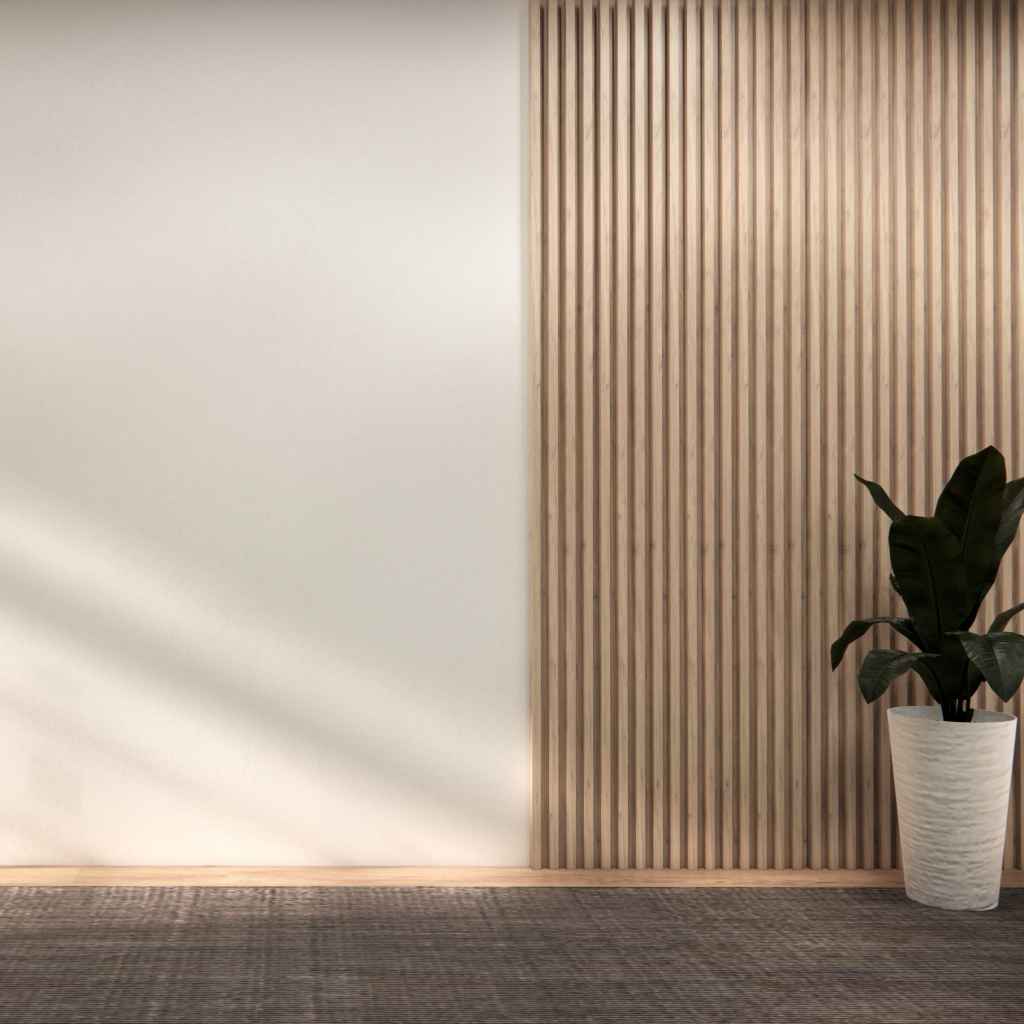
Frequently Asked Questions
Question: Is wood panelling more durable than drywall
Answer: Generally, high-quality wood panelling, especially solid hardwood, can be more resistant to minor impacts and dents than drywall. However, both can be damaged. Drywall is easier to patch, while wood damage might require more extensive refinishing.
Question: Which is cheaper drywall or wood panelling
Answer: Drywall is significantly cheaper than wood panelling in terms of both material costs and installation. Wood panelling represents a larger investment.
Question: Can I paint over wood panelling
Answer: Yes, you can paint over wood panelling. It often requires proper preparation, including cleaning, sanding, and priming, to ensure the paint adheres well and provides a smooth finish. This can transform the look of a room.
Question: Is wood panelling still in style
Answer: Yes, wood panelling is definitely still in style, though its application and types have evolved. Modern interpretations include geometric patterns, unique finishes, and accent walls, moving beyond the full-room applications of the past.
Question: Which material is better for soundproofing
Answer: Wood panelling generally offers better natural sound absorption than drywall. However, for significant soundproofing, both materials might require additional insulation or specialized acoustic panels.
Conclusion
Choosing between drywall and wood panelling comes down to your design vision, budget, and desired aesthetic. Drywall offers a versatile, budget-friendly base for any style. Wood panelling brings natural beauty, warmth, and character.
Both have their pros and cons, but understanding them empowers your decision. Make the choice that best fits your home’s personality and your lifestyle for lasting satisfaction.