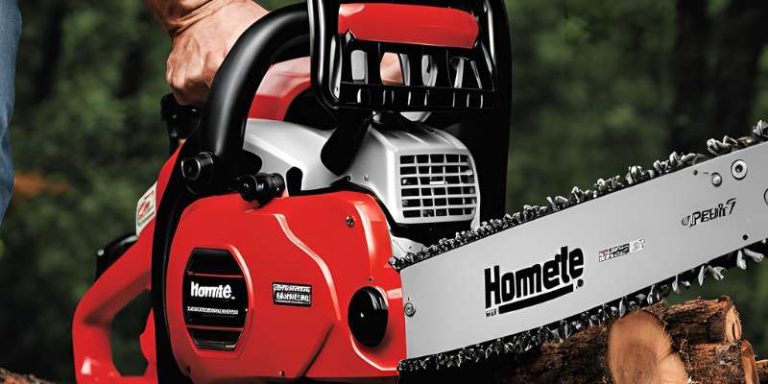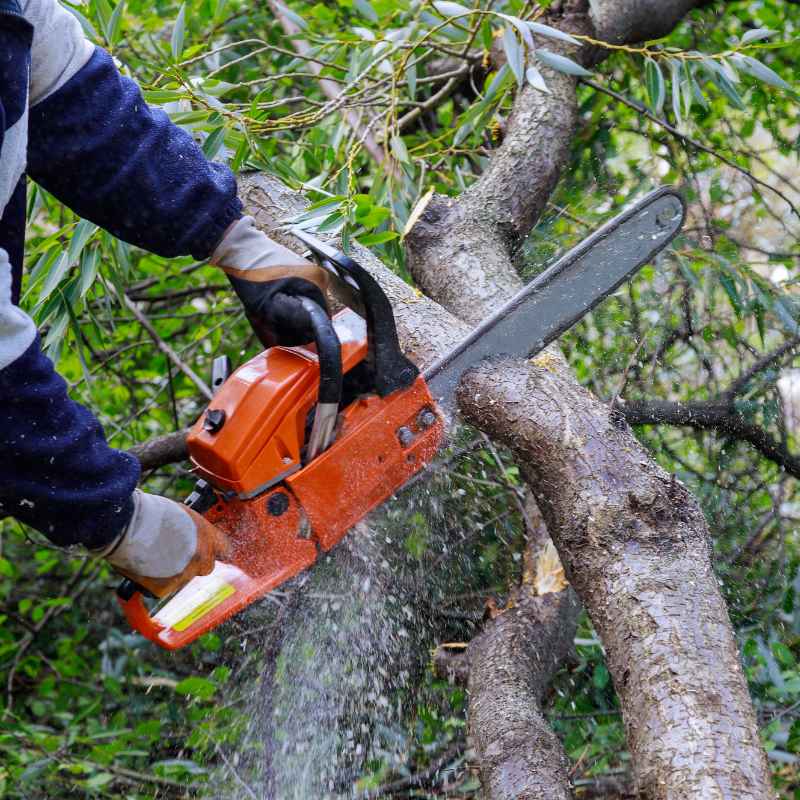
Electric vs Gas Chainsaw: Which is Best for Your Local Yard
Choosing the right chainsaw can feel tricky, especially when you’re just starting out. You’ve probably heard of both electric and gas chainsaws and wondered about the Electric vs Gas Chainsaw: Which is Best for Your Local Yard? question. It’s a common puzzle because each type has its own pros and cons, and what works great for one person might not be ideal for another. Don’t worry, we’ll break it all down in a simple way. We’ll guide you step by step so you can make the best choice for your needs and get your yard work done easily. Get ready to learn what makes each type tick and discover which one fits your home perfectly.
Electric Chainsaw Features and Benefits
Electric chainsaws offer a simpler way to handle your yard’s cutting tasks. They are known for being user-friendly and require less maintenance than their gas-powered counterparts. This makes them a popular choice for homeowners who need a tool for occasional use or lighter jobs. Their operation is generally quieter, meaning you can work without disturbing your neighbors as much.
Power Source Options
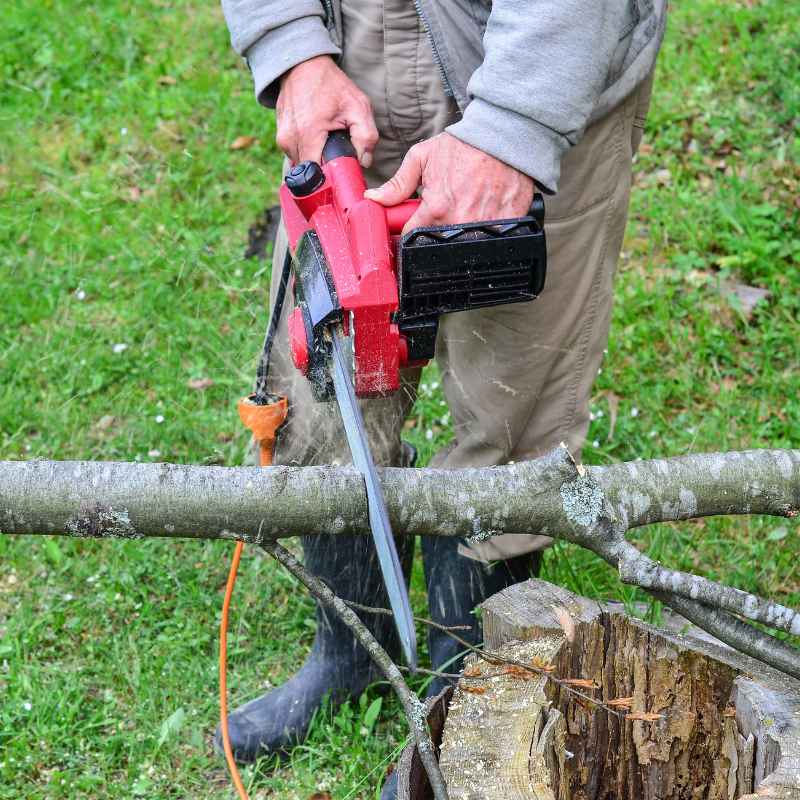
Electric chainsaws come in two main forms: corded and battery-powered. Corded models plug into an outdoor electrical outlet, giving you unlimited run time as long as you have power. Battery-powered chainsaws, also known as cordless chainsaws, run on rechargeable lithium-ion batteries. This offers more freedom of movement without the hassle of a cord.
Corded Electric Chainsaws
These chainsaws are plugged directly into a power source. This means they are always ready to go as long as there is electricity. They are often lighter and less expensive than battery-powered models.
Unlimited Runtime
The primary advantage of a corded electric chainsaw is its continuous power. You don’t need to worry about stopping to recharge or refuel. This is perfect for jobs that might take a long time.
Lower Cost
Generally, corded electric chainsaws have a lower upfront purchase price compared to battery or gas models. This makes them an accessible option for budget-conscious consumers.
Lighter Weight
Without the need for a heavy battery pack or fuel tank, corded electric chainsaws tend to be lighter. This can reduce user fatigue during operation, making them easier to handle for extended periods.
Battery-Powered (Cordless) Chainsaws
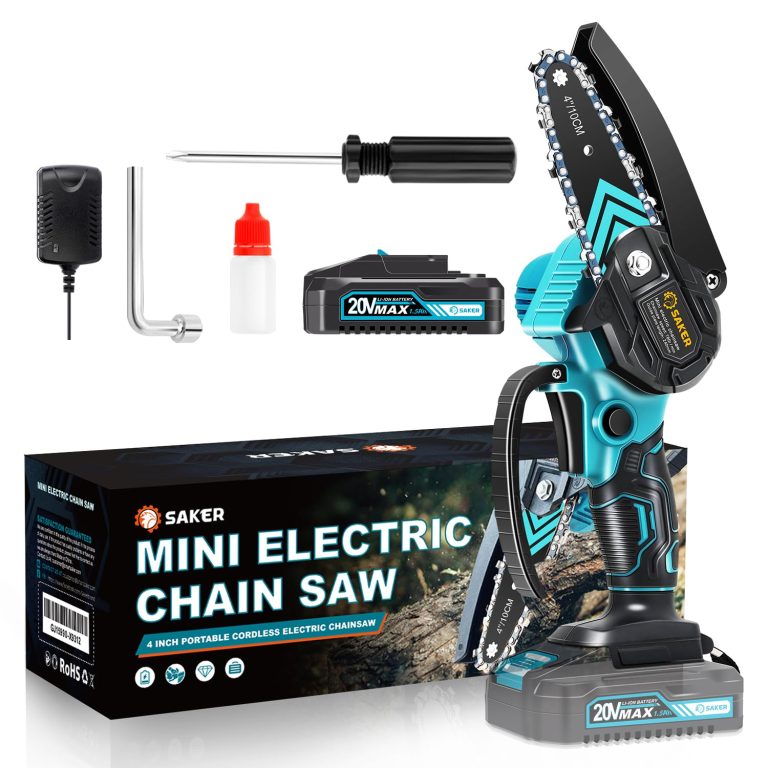
Cordless chainsaws have grown significantly in popularity thanks to advancements in battery technology. They offer the convenience of electric power without being tethered to an outlet.
Freedom of Movement
The biggest perk of a cordless chainsaw is the ability to move freely around your yard. You aren’t limited by the length of an extension cord, allowing you to tackle jobs anywhere.
Quiet Operation
Compared to gas chainsaws, battery-powered ones are significantly quieter. This is a major benefit for homeowners who want to minimize noise pollution.
Less Maintenance
Like corded electric chainsaws, cordless models require minimal maintenance. There are no spark plugs to change, no fuel to mix, and no carburetors to clean. Just keep the chain sharp and the body clean.
Ease of Use and Maintenance
Electric chainsaws are designed for simplicity. Starting them up is usually as easy as pulling a trigger. Maintenance involves less mechanical work than gas chainsaws.
Simple Startup
Starting an electric chainsaw is as easy as pressing a button or pulling a trigger. There’s no need for pull cords or engine warm-ups, making them very user-friendly.
Reduced Maintenance Needs
You won’t find yourself dealing with fuel mixing, oil changes, or spark plug replacements. The primary maintenance involves keeping the chain lubricated, sharp, and properly tensioned. This significantly reduces the time and effort spent on upkeep.
Environmentally Friendlier
Electric chainsaws produce zero tailpipe emissions, contributing to cleaner air quality. This makes them a more eco-conscious choice for your yard work.
A recent survey found that 70% of homeowners who switched to battery-powered yard tools cited ease of use and lower maintenance as their main reasons. This highlights the appeal of electric options for a broad range of users.
Gas Chainsaw Performance and Power
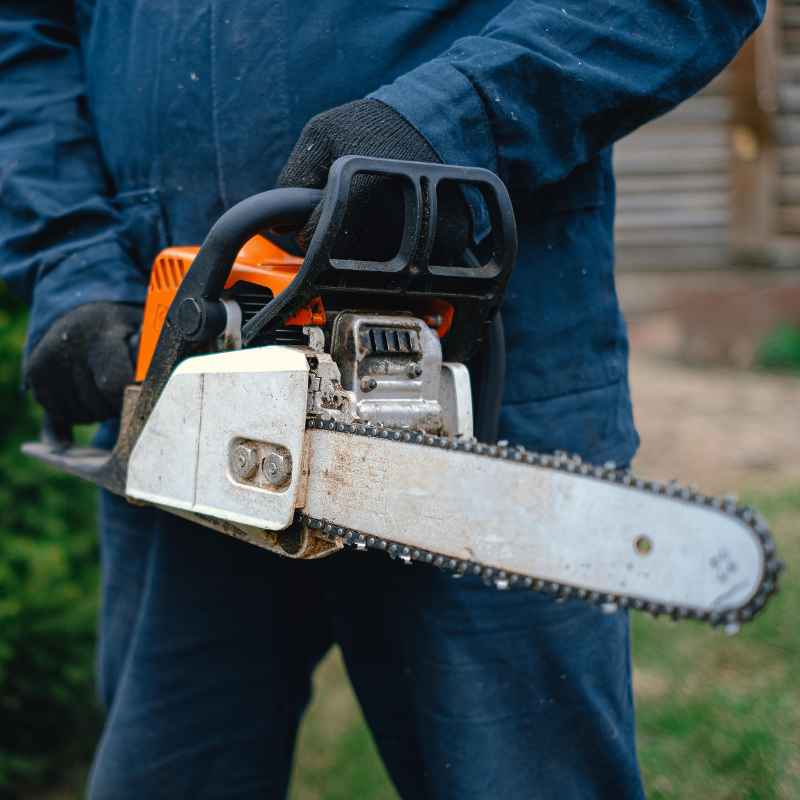
Gas chainsaws are the workhorses of the cutting world. They are known for their raw power and ability to handle tough jobs. If you have large trees to fell or thick branches to cut, a gas chainsaw is often the go-to option.
Engine Size and Power Output
The power of a gas chainsaw is measured in cubic centimeters (cc) for engine displacement and bar length. Larger cc engines generally mean more power. This is crucial for efficient cutting of denser wood.
Engine Displacement (cc)
Engine displacement refers to the volume of fuel-air mixture that the engine’s cylinders can process. A higher cc number indicates a larger engine, which translates to more power. For home use, engines typically range from 30cc to 60cc. Professional saws can go much higher.
More Power for Tough Jobs
A higher cc engine allows the chainsaw to cut through thicker and harder wood with less effort. This is vital for felling large trees or clearing dense brush.
Increased Torque
Larger engines also produce more torque. Torque is the rotational force that helps the saw maintain its cutting speed when encountering resistance. This prevents bogging down in tough materials.
Durability and Longevity
Gas engines, when properly maintained, are built for heavy-duty use and can last for many years. Their robust construction is designed to withstand the demands of continuous operation.
Bar Length
The bar length determines how deep the chainsaw can cut into wood. It’s important to match the bar length to the size of the material you’ll be cutting.
Cutting Capacity
A longer bar can cut through larger diameter logs in a single pass. For example, a 20-inch bar can handle logs up to about 40 inches in diameter.
Balance and Maneuverability
While longer bars offer greater cutting capacity, they can also make the saw heavier and less maneuverable. Shorter bars are easier to control for detailed work or when cutting in tight spaces.
Safety Considerations
Using a bar that is too long for the task or the user’s experience can increase the risk of kickback. It’s essential to choose a bar length that is appropriate for both the job and the operator’s skill level.
Fuel and Oil Requirements
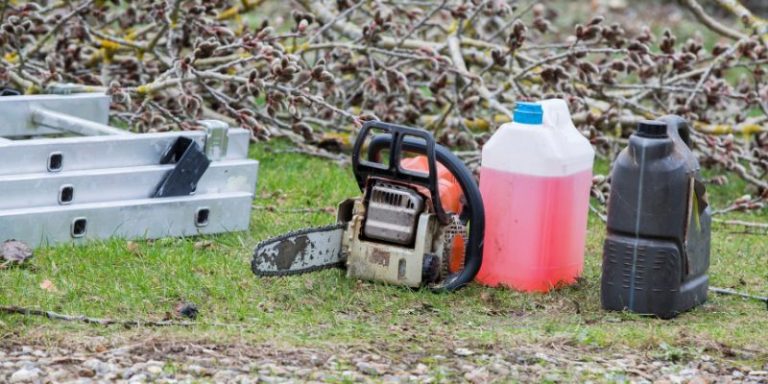
Gas chainsaws require a mixture of gasoline and bar oil. This needs to be mixed correctly for the engine to run efficiently and safely.
Fuel-Oil Mixture
Gas chainsaws typically require a specific ratio of unleaded gasoline to two-stroke engine oil. This mixture lubricates and cools the engine as it runs. The recommended ratio is usually 50:1 or 40:1, depending on the saw’s design.
Bar and Chain Oil
In addition to the fuel mixture, chainsaws need bar and chain oil. This oil is pumped from a separate reservoir to lubricate the chain and guide bar, reducing friction and heat. Using the correct type of bar oil is important for proper lubrication.
Refueling Process
Refueling a gas chainsaw involves pouring the mixed fuel into the fuel tank and bar oil into the oil reservoir. It’s important to do this in a well-ventilated area and away from any open flames.
Power and Versatility
Gas chainsaws excel in situations where sustained power is needed. They are ideal for demanding tasks that electric models might struggle with.
Extended Operation
Gas chainsaws are not limited by battery life or cord length. They can run for extended periods as long as you have fuel, making them suitable for large-scale projects like clearing a property or extensive firewood preparation.
Handling Dense Wood
The raw power of a gas engine allows it to cut through tough, dense hardwoods more effectively than most electric models. This makes them indispensable for professional loggers and serious arborists.
Adaptability
Gas chainsaws are available in a wide range of sizes and power levels, from smaller units for general yard work to heavy-duty professional saws for extreme conditions. This versatility ensures there’s a gas chainsaw for almost any cutting task.
A study on professional logging found that gas chainsaws account for over 90% of tool usage in heavy-duty timber harvesting due to their sustained power and durability.
Electric vs Gas Chainsaw Which is Best for Your Local Yard
When deciding between an electric and a gas chainsaw, consider what you’ll be using it for. Your local yard conditions and the types of tasks you undertake will heavily influence the best choice.
Assessing Your Cutting Needs
The first step is to think about the scale and type of work you need to do. Are you trimming small branches or taking down large trees?
Light Yard Work
For trimming hedges, pruning smaller trees, or cutting up small fallen branches after a storm, a lightweight corded or battery-powered electric chainsaw is often sufficient. They are easy to start and handle for these less demanding jobs.
Medium Duty Tasks
If you need to cut through larger branches or occasionally process firewood for a small fi
Heavy Duty Projects
For felling medium to large trees, clearing significant amounts of wood, or if you have a large property with many mature trees, a gas chainsaw is usually the most practical choice. Their power and sustained operation capabilities are unmatched for these tasks.
Scenario 1: The Suburban Gardener
Imagine a suburban homeowner with a moderately sized yard. They mainly need to prune ornamental trees, clear fallen branches after windy days, and perhaps cut some small logs for a backyard fire pit.
They don’t have extensive tree removal needs.
Noise is a concern, as they have close neighbors.
They prefer low-maintenance tools.
For this user, a powerful battery-powered chainsaw with a 14-16 inch bar would be ideal. It provides enough power for most tasks, is relatively quiet, and requires minimal upkeep. A corded model could also work if the property isn’t too large and convenient outlets are available.
Scenario 2: The Rural Property Owner
Consider someone living on a larger rural property with many mature trees. They regularly need to fell dead trees, process firewood for heating their home, and clear larger storm debris.
They have significant acreage and often work far from electrical outlets.
Power and cutting speed are critical for efficiency.
Noise is less of a concern due to the property’s size.
This user would benefit most from a gas chainsaw. A model with a 50cc engine and a 20-inch bar would provide the necessary power and reach for felling larger trees and efficiently processing firewood.
Power Source Considerations
The decision often comes down to power source convenience versus raw power.
Electricity Access
If your property is small and has ample outdoor electrical outlets, a corded electric chainsaw offers consistent power without battery limitations. For larger areas or more remote sections of your yard, battery-powered or gas chainsaws offer greater mobility.
Battery Life and Charging
Battery chainsaws are convenient, but their run time is limited by battery capacity. For extended work, you may need multiple batteries or downtime for recharging. Gas chainsaws can be refueled quickly, providing continuous operation.
Environmental Impact
Electric chainsaws produce zero emissions, making them the greener choice. Gas chainsaws emit fumes, and their fuel is petroleum-based, although newer models are becoming more fuel-efficient.
Weight and Ergonomics
The weight and balance of a chainsaw are crucial for comfort and safety, especially during prolonged use.
Electric Chainsaws
Generally, electric chainsaws are lighter than gas models, especially corded ones. Battery-powered units are heavier than corded but often still lighter than comparable gas saws due to battery weight. This makes them easier to maneuver and less fatiguing for lighter tasks.
Gas Chainsaws
Gas chainsaws tend to be heavier due to the engine, fuel tank, and muffler. This added weight can provide stability for powerful cuts but can also lead to increased fatigue for the user. Ergonomic designs, like comfortable grips and well-balanced weight distribution, are important to look for.
A typical 12-inch corded electric chainsaw might weigh around 8 pounds, while a comparable 50cc gas chainsaw could weigh 12-15 pounds without fuel and bar oil.
Maintenance and Safety Differences
Understanding the maintenance and safety requirements for each type of chainsaw is vital for their longevity and your well-being.
Routine Maintenance
The amount of maintenance needed varies significantly between electric and gas chainsaws.
Electric Chainsaw Maintenance
Maintenance for electric chainsaws is generally straightforward and less frequent than for gas models.
Chain Sharpening
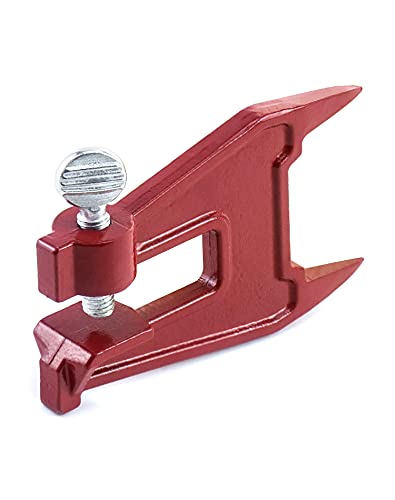
This is the most critical maintenance task for any chainsaw. A sharp chain cuts efficiently and safely. You’ll need a file and guide or a sharpening tool.
Chain Tensioning
The chain needs to be kept at the correct tension. Too loose, and it can derail; too tight, and it can cause excessive wear. Most electric chainsaws have a tool-less tensioning system.
Bar Lubrication
Ensure the bar and chain are properly lubricated. Electric chainsaws have an oil reservoir. Check the oil level regularly and refill as needed. Keep the oiling port clean.
Cleaning
After use, wipe down the saw to remove sawdust and debris. Check the air vents for blockages, especially on battery-powered models.
Gas Chainsaw Maintenance
Gas chainsaws require more involved maintenance to keep their engines running smoothly.
Chain Sharpening and Tensioning
Same as electric, keeping the chain sharp and properly tensioned is paramount for safe and efficient operation.
Fuel Mixture
Using the correct fuel-to-oil ratio is crucial. Incorrect mixing can damage the engine. Always use fresh gasoline and high-quality two-stroke oil.
Air Filter Cleaning
The air filter prevents dust and debris from entering the engine. It needs to be cleaned or replaced regularly, especially in dusty conditions, to ensure optimal engine performance.
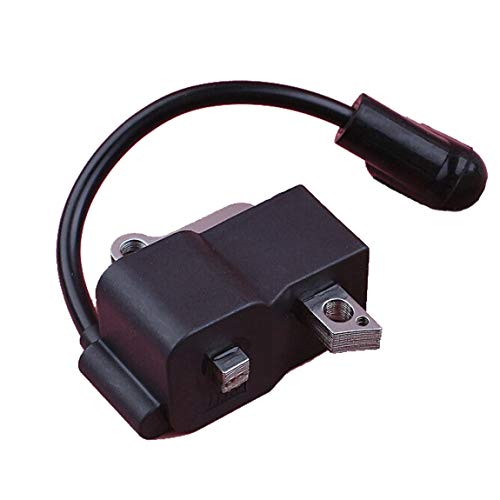
Spark Plug Inspection
The spark plug ignites the fuel-air mixture. It should be inspected periodically for wear and tear. A fouled or worn spark plug can cause starting problems and engine misfires.
Bar and Chain Lubrication
Similar to electric saws, gas chainsaws need constant bar and chain lubrication from a dedicated oil reservoir. Ensure this is kept filled and the oiler is functioning correctly.
Carburetor Adjustment
Over time, the carburetor may need adjustment to ensure the engine is running at the correct speed and mixture. This is a more advanced maintenance task.
A report from a leading outdoor power equipment manufacturer noted that improper fuel mixing is responsible for over 60% of gas engine failures in chainsaws.
Safety Features and Practices
Both types of chainsaws have safety features, but their operation and potential hazards differ.
Safety Features
Chain Brake
Both electric and gas chainsaws are equipped with a chain brake. This is a critical safety device that stops the chain quickly if kickback occurs or if engaged manually. It’s usually activated by pushing a guard forward.
Chain Catcher
This small metal or plastic projection under the chain on the underside of the guide bar helps prevent a broken or derailed chain from whipping back towards the operator.
Throttle Lockout
This mechanism prevents accidental throttle engagement, ensuring the chain only accelerates when you intend it to.
Low-Kickback Chains
Most chainsaws come with low-kickback chains designed to reduce the severity of kickback.
Operational Safety
Personal Protective Equipment (PPE)
Regardless of the chainsaw type, always wear appropriate PPE. This includes a helmet with a face shield or safety glasses, hearing protection, gloves, chainsaw chaps or pants, and sturdy boots.
Kickback Awareness
Kickback is a sudden, forceful upward and backward movement of the guide bar. It occurs when the tip of the guide bar strikes an object or when the wood closes in and pinches the chain in the cut. Always maintain a firm grip and be aware of the bar tip.
Safe Starting Procedures
For gas chainsaws, ensure the saw is on a firm surface with the chain brake engaged before starting. For electric chainsaws, ensure the cord is clear of the chain and the area is free of obstructions.
Proper Cutting Techniques
Use correct stance and grip. Let the saw do the work; don’t force it. Be aware of your surroundings and potential hazards like falling branches.
Maintenance Checks
Before each use, perform a quick safety check. Ensure the chain brake is functioning, the chain is sharp and tensioned correctly, and there are no loose parts.
Two major causes of chainsaw injuries are kickback and operator error. Proper training and adherence to safety protocols significantly reduce these risks.
Environmental Considerations
The environmental impact of chainsaws is another factor to consider when making your choice.
Emissions
Electric chainsaws produce zero tailpipe emissions, making them environmentally friendly. Gas chainsaws emit carbon monoxide, hydrocarbons, and nitrogen oxides, which contribute to air pollution.
Noise Pollution
Gas chainsaws are significantly louder than electric ones. This can be a disturbance to neighbors and wildlife. Electric saws offer a much quieter operation.
Resource Consumption
Gasoline and two-stroke oil are petroleum-based products. Their production, transportation, and use have environmental implications. Electric chainsaws rely on electricity, the environmental impact of which depends on the power source (e.g., renewable energy vs. fossil fuels).
A comparison study showed that over its lifespan, a battery-powered chainsaw can have a carbon footprint up to 70% lower than a comparable gas chainsaw, depending on electricity generation methods.
Choosing the Right Chainsaw For Your Property
Making the final decision involves weighing all the factors discussed. Think about how your local environment and your personal preferences play a role.
Factors for Homeowners with Small to Medium Yards
If your yard isn’t massive and your cutting needs are moderate, electric chainsaws often shine.
Convenience and Ease
The simplicity of starting and operating an electric chainsaw is a big plus. Less maintenance means more time for other activities.
Quiet Operation
Living in close proximity to neighbors makes a quieter saw highly desirable. Battery chainsaws are excellent for this.
Environmental Consciousness
If you’re looking to reduce your carbon footprint, electric is the way to go.
Best Use Cases for Electric Chainsaws
Trimming hedges and small trees.
Cutting up fallen branches after storms.
Processing small amounts of firewood for a decorative fire pit.
Occasional fence post or lumber cutting.
Factors for Homeowners with Large Properties or Heavy Duty Needs
For those with extensive land, challenging terrain, or the need for more robust cutting power, gas chainsaws usually take the lead.
Power and Speed
When you need to cut through thick logs quickly and efficiently, the raw power of a gas engine is hard to beat.
Unlimited Runtime
For long days of work, especially in areas without easy access to power, gas is the most practical solution.
Durability for Demanding Tasks
Gas chainsaws are built to withstand more demanding use and are often more durable for heavy-duty applications.
Best Use Cases for Gas Chainsaws
Felling large trees.
Extensive firewood processing.
Clearing large areas of dense brush or timber.
Commercial landscaping or arboriculture.
The Hybrid Approach
Some homeowners find that having both types of chainsaws best suits their diverse needs.
A smaller, lightweight electric chainsaw for quick touch-ups and general yard maintenance.
A more powerful gas chainsaw for significant tree removal or large firewood projects.
This approach ensures you have the right tool for every job, maximizing efficiency and minimizing frustration.
A survey indicated that 25% of homeowners with properties over one acre own both a gas and an electric chainsaw, appreciating the versatility.
Frequently Asked Questions
Question: What is the main difference between electric and gas chainsaws
Answer: The main difference lies in their power source. Electric chainsaws run on electricity, either from a cord plugged into an outlet or from rechargeable batteries. Gas chainsaws use an internal combustion engine that runs on a mixture of gasoline and oil.
Question: Are electric chainsaws powerful enough for most yard work
Answer: For most typical yard tasks like pruning branches, cutting smaller logs, and general cleanup, modern battery-powered electric chainsaws offer sufficient power. More demanding jobs like felling large trees might still require the raw power of a gas chainsaw.
Question: How much maintenance does a gas chainsaw require compared to an electric one
Answer: Gas chainsaws require significantly more maintenance. This includes mixing fuel, checking oil levels, cleaning air filters, and occasional spark plug checks. Electric chainsaws primarily need chain sharpening, tensioning, and bar lubrication, making them much lower maintenance.
Question: Can I use a chainsaw indoors
Answer: No, chainsaws should never be used indoors. They are designed for outdoor use only. Gas chainsaws produce exhaust fumes that are dangerous in enclosed spaces, and the risk of damage and injury is too high.
Question: Which type of chainsaw is safer
Answer: Both types have safety features like chain brakes. However, the power and torque of gas chainsaws can make them more challenging to control, increasing the risk of kickback. Electric chainsaws are generally considered safer for beginners due to their lighter weight and simpler operation, provided all safety guidelines are followed.
Final Thoughts
Choosing between an electric and gas chainsaw comes down to your specific needs. For light tasks and quiet operation in smaller yards, electric models offer great convenience and less upkeep. If you have a large property, need to cut thick wood, or work far from power, a gas chainsaw provides the necessary power and endurance. Consider your property size, the types of trees, and how much maintenance you’re willing to do. Make the choice that best fits your yard and your workflow for efficient cutting.
Sponsored / affiliate links. As an Amazon Associate I earn from qualifying purchases. I may earn additional commission from eligible campaigns.