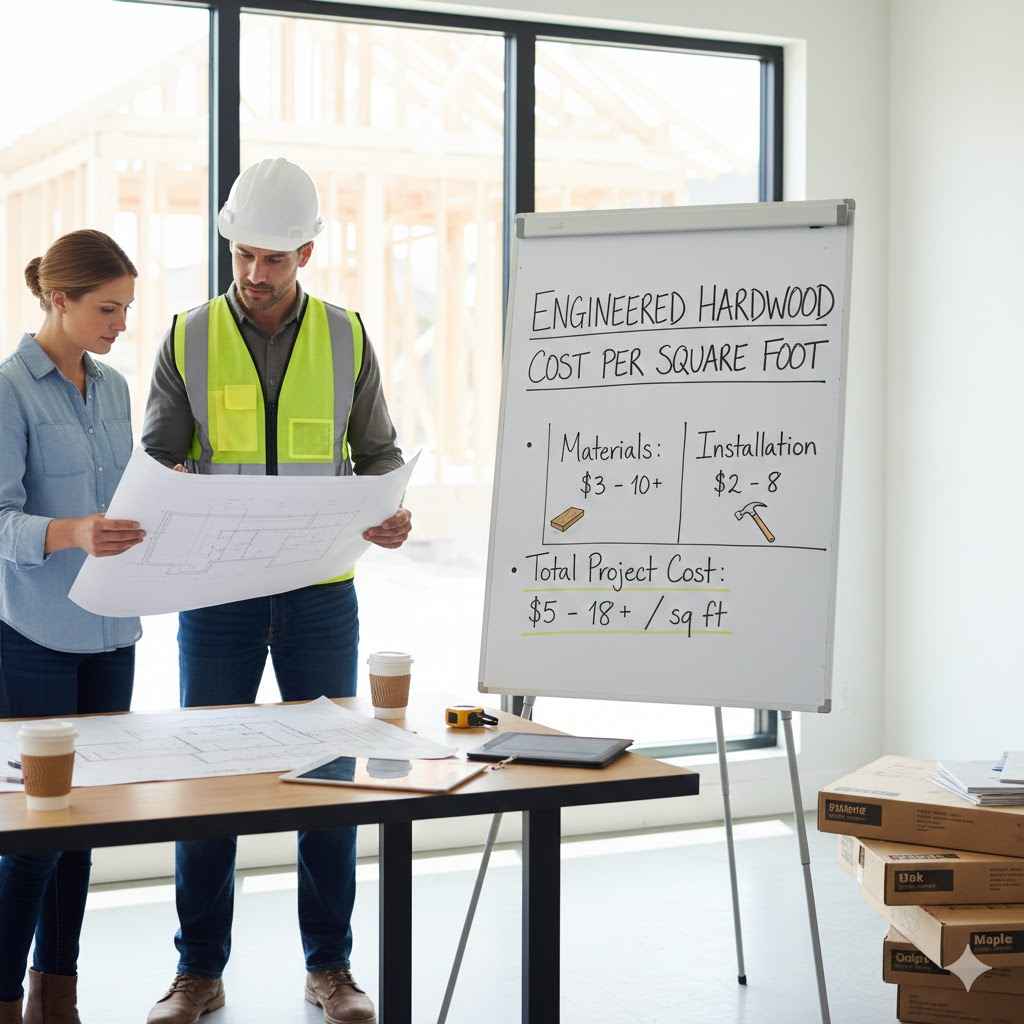
Engineered Hardwood Cost Per Square Foot
Figuring out the price of new flooring can sometimes feel tricky, especially when you first start looking. You might see different numbers and wonder what’s included. That’s where knowing the Engineered Hardwood Cost Per Square Foot really helps.
It can seem confusing at first, but it’s easier than you think. We’ll break it down step-by-step so you can feel confident about your choices. Let’s make picking your perfect floor simple.
Understanding Engineered Hardwood Cost Per Square Foot
When you’re looking into new floors, the price per square foot is a common way to compare options. For engineered hardwood, this figure helps you estimate the total cost for your space. It’s important to know what this price covers, as it can vary quite a bit.
This section will explain the basic elements that make up the engineered hardwood cost per square foot. We’ll cover what influences the price you see and what you should expect.
Factors Affecting Engineered Hardwood Price
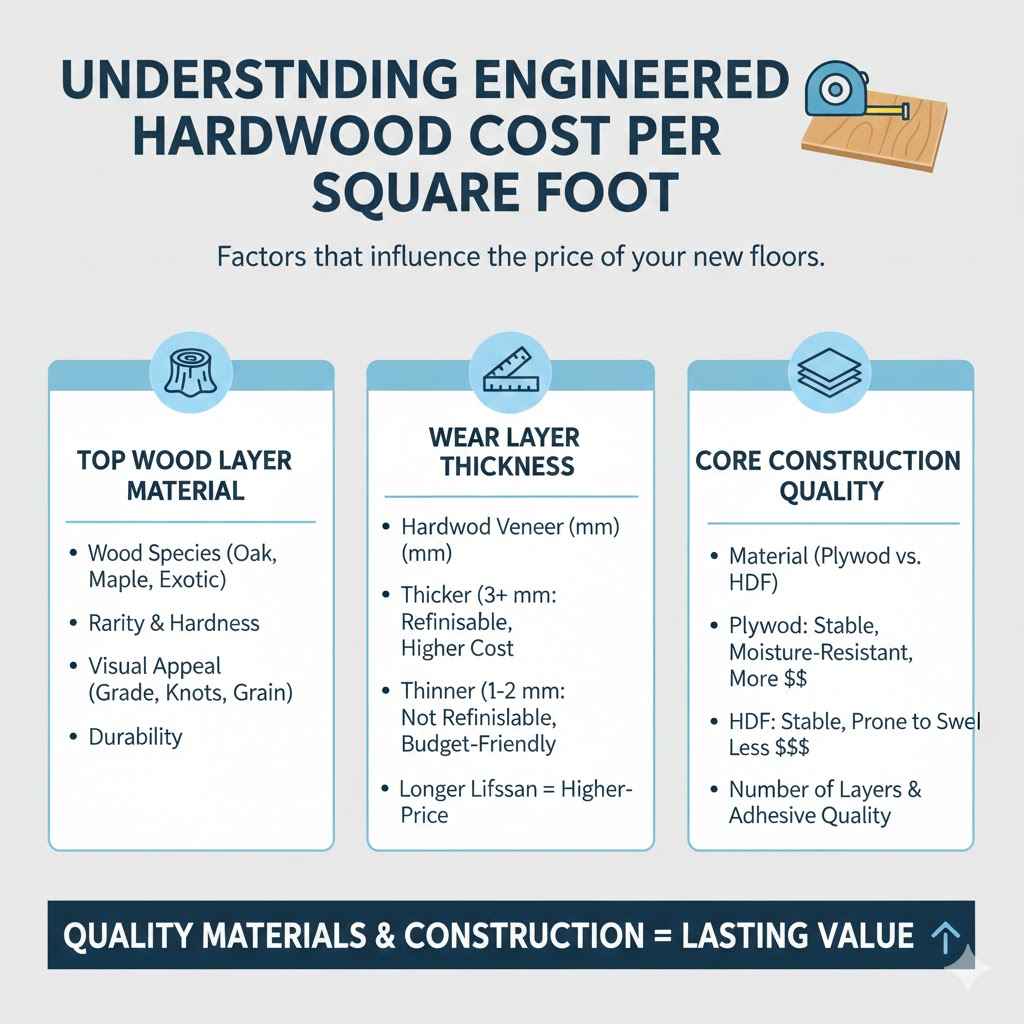
Several things change how much engineered hardwood costs per square foot. The type of wood used for the top layer is a big one. Harder woods like oak or maple usually cost more than softer ones.
The thickness of that top wood layer also matters. A thicker wear layer means the floor can be sanded and refinished more times, making it last longer and costing more upfront.
The core construction of the engineered wood also plays a role. Most engineered hardwood has a plywood or high-density fiberboard (HDF) core. Plywood cores are often more stable and can be a bit more expensive.
The brand name and where the wood is made can also affect the price. High-end brands or wood sourced from specific regions might carry a premium.
Top Wood Layer Material
The species of wood on the surface layer of engineered hardwood significantly impacts its cost. Popular choices like red oak, white oak, and maple are generally mid-range. Exotic hardwoods such as teak, ipe, or Brazilian cherry can be substantially more expensive due to their rarity, unique grain patterns, and hardness.
The visual appeal and durability of the top layer are key drivers of its price. For example, a premium grade of white oak with very few knots might command a higher price than a standard grade of red oak with more natural imperfections. The aesthetic qualities, like color variation and grain pattern, are often prioritized, leading to price differences even within the same wood species.
Wear Layer Thickness
The wear layer is the actual hardwood veneer on the very top of the engineered plank. Its thickness is measured in millimeters (mm). A thicker wear layer, typically 3mm or more, allows the floor to be refinished one or two times over its lifespan.
This increased durability and potential for rejuvenation translates to a higher cost per square foot. Thinner wear layers, around 1mm to 2mm, are more common in budget-friendly options. These floors are not designed for refinishing and are meant to be replaced when they show significant wear.
The longer lifespan and restoration capability of thicker wear layers justify their premium pricing in the long run.
Core Construction Quality
The material and construction of the core layer, sandwiched between the top veneer and the balancing layer, influence both cost and performance. High-quality plywood cores, made from multiple thin layers of wood glued together at alternating directions, offer excellent stability and resistance to moisture changes. This superior construction method is generally more expensive to produce.
HDF (High-Density Fiberboard) cores are also common and provide good stability, but they can be more susceptible to swelling if exposed to excessive moisture compared to premium plywood. The number of core layers and the quality of the adhesive used also contribute to the overall strength and cost of the engineered wood product.
Typical Engineered Hardwood Cost Per Square Foot
The price for engineered hardwood flooring can vary widely. You’ll find options that start at around $3 per square foot for basic materials. These are usually less durable or have thinner wear layers.
On the higher end, you could be looking at $15 or even more per square foot for premium woods, unique finishes, or specialized construction. Most homeowners find a good balance of quality and price in the $5 to $10 per square foot range. This price typically covers the flooring material itself.
Material Costs Breakdown
When you look at engineered hardwood cost per square foot, the material itself is the biggest piece of the puzzle. This price covers the actual planks you see and walk on. It includes the top layer of real wood, the core layers beneath it, and the balancing layer on the back.
Think of it as buying the raw ingredients for your floor. This figure doesn’t usually include anything extra like installation, underlayment, or removal of old flooring. It’s purely the cost of the new material delivered to your home or the store.
Entry-Level Options
Entry-level engineered hardwood flooring often features thinner wear layers, typically around 1-2mm. The top wood species might be more common and less premium, such as standard oak or birch. These floors are designed for light to moderate foot traffic and may not withstand heavy wear or extensive refinishing.
They offer an affordable way to achieve the look of real hardwood in a home. The core construction might also be simpler, potentially using less stable materials or fewer layers. The price point for these options can range from $3 to $5 per square foot.
They are a good choice for less trafficked areas or for those on a strict budget.
Mid-Range Choices
The mid-range segment is where most homeowners find their ideal balance. Here, you’ll find engineered hardwood with wear layers of 2-3mm or more. The wood species are often popular choices like white oak, red oak, or walnut, with attractive grain patterns and finishes.
The core construction usually involves a high-quality multi-ply plywood, offering better stability and moisture resistance. These floors are suitable for most areas of the home, including living rooms, bedrooms, and hallways. Expect to pay between $5 and $10 per square foot for these durable and aesthetically pleasing options.
Premium Selections
Premium engineered hardwood flooring boasts thick wear layers, often 3mm or thicker, allowing for multiple refinishing opportunities. These selections feature high-end wood species like exotic hardwoods, reclaimed wood, or custom finishes with unique textures and colors. The core construction is typically top-tier, utilizing high-density plywood for maximum stability and longevity.
These floors are built to last for decades and can significantly enhance a home’s value. Prices for premium engineered hardwood can range from $10 to $20+ per square foot, reflecting the superior materials, craftsmanship, and design.
Average Price Ranges
The average price for engineered hardwood flooring hovers between $5 and $10 per square foot. This range offers a good mix of quality, durability, and appearance. For instance, you can find solid oak engineered wood with a decent wear layer and a plywood core within this bracket.
Many popular brands offer collections that fall into this average range, making them accessible for many renovation projects. These options are built to last and provide a beautiful hardwood look without the highest price tag.
If you are looking for something more budget-friendly, you can find options for around $3 to $5 per square foot. These might have thinner wear layers or feature less common wood species. On the other end of the spectrum, for luxurious or exotic woods with very thick wear layers, expect to pay $10 to $15 or even more per square foot.
These premium floors offer enhanced durability and unique aesthetics.
| Flooring Tier | Typical Price Per Square Foot | Key Features |
|---|---|---|
| Entry-Level | $3 – $5 | Thinner wear layer (1-2mm), common wood species, simpler core. |
| Mid-Range | $5 – $10 | Good wear layer (2-3mm+), popular wood species, quality plywood core. |
| Premium | $10 – $20+ | Thick wear layer (3mm+), exotic/premium wood species, superior core construction. |
Additional Costs Beyond Engineered Hardwood Cost Per Square Foot
The price you see for engineered hardwood cost per square foot is only part of the picture. You need to factor in other expenses to get the total cost of your flooring project. These additional costs are crucial for budgeting accurately and avoiding surprises.
We’ll explore what these other expenses typically are, from preparing your existing floor to the finishing touches.
Installation Expenses
Installation is a significant cost that isn’t usually included in the per-square-foot price of the flooring itself. Professional installation rates vary by region and installer experience. Generally, you can expect to pay anywhere from $2 to $7 per square foot for installation.
This fee covers the labor to lay the new flooring, cut pieces to fit around obstacles, and ensure a smooth, finished look. Some installers might charge by the hour, but per-square-foot pricing is more common.
The complexity of the room also affects installation costs. Rooms with many angles, doorways, or built-in cabinets can take longer to install, increasing the labor cost. If the subfloor needs significant repair or leveling, that will add to the expense as well.
Always get detailed quotes from multiple installers to compare pricing and services offered.
Labor Costs
The cost of labor for installing engineered hardwood is a major component of the total project expense. Professional installers charge for their time, expertise, and tools. Rates can differ based on your geographic location, with major metropolitan areas often having higher labor costs.
Experienced installers who specialize in hardwood flooring may command higher rates but can also provide a superior finish. The complexity of the installation area, such as numerous corners, closets, or the need for intricate cuts, will also influence the total labor charge. A standard installation in a rectangular room will be less costly than a room with an irregular shape.
Subfloor Preparation
Before engineered hardwood can be installed, the existing subfloor must be in good condition. If the subfloor is uneven, damaged, or has existing flooring that needs removal, this will incur additional costs. Subfloor preparation can include leveling compounds to fill low spots, grinding down high spots, or the complete removal of old flooring materials like carpet or tile.
The cost for subfloor preparation can range from $0.50 to $3.00 per square foot, depending on the extent of the work needed. A clean, level, and dry subfloor is essential for a durable and beautiful engineered hardwood installation.
Underlayment Needs
An underlayment is often required beneath engineered hardwood flooring. Its purpose is to provide cushioning, reduce noise, and act as a moisture barrier. The cost of underlayment typically ranges from $0.20 to $1.00 per square foot, depending on the material and its properties.
Some engineered hardwood products have an attached underlayment, which can save on this separate cost. However, if an additional underlayment is needed, it’s an important factor in your overall budget. Certain types of underlayment, like those with enhanced soundproofing or moisture protection, will be more expensive.
Ancillary Products and Materials
Beyond the planks and installation labor, several other materials are necessary for a complete and professional job. These include things like transition strips for doorways, quarter-round molding to cover the expansion gap at walls, and possibly new baseboards.
Transition strips are used where engineered hardwood meets other flooring types, like tile or carpet. They come in various materials and styles. Quarter-round molding is a small piece of trim that covers the small gap left between the edge of the flooring and the wall, which is needed to allow the wood to expand and contract with temperature changes.
If you’re replacing old baseboards, that’s another cost.
Transition Strips
Transition strips are vital for creating a seamless and safe flow between different flooring types or to cover expansion gaps at doorways. They come in various materials such as wood, metal, or vinyl, and are designed to match or complement your flooring. The cost of transition strips can range from $15 to $50 or more per piece, depending on the material, finish, and length.
For a room with multiple doorways or transitions to different flooring materials, these costs can add up. They are crucial for both aesthetic appeal and preventing trip hazards.
Molding and Trim
Molding and trim pieces, like quarter-round or baseboards, are essential for a finished look. Quarter-round is used to hide the expansion gap between the flooring and the wall. New baseboards might be needed if the old ones are damaged or if you want a different style.
The cost for molding and trim can vary from $2 to $10 per linear foot, depending on the material (e.g., wood, MDF) and the complexity of the profile. For a room with many walls, this can become a notable expense in the project budget.
Adhesives and Fasteners
Depending on the installation method, you might need specialized adhesives or fasteners. Floating floors, which are common for engineered hardwood, often don’t require adhesives. However, glued-down installations do.
The type and quantity of adhesive needed will add to the cost, typically ranging from $0.20 to $0.50 per square foot. Fasteners, such as nails or staples, are used in nail-down installations, and their cost is usually minimal but still a factor in the overall budget for materials.
Demo and Disposal Fees
If you have existing flooring, such as old carpet, tile, or vinyl, it will need to be removed. This process is called demolition or removal. The cost of this service can vary depending on the type of flooring being removed and the complexity of the job.
Some installers include this in their quotes, while others charge separately.
Disposal fees are also common. Most landfills charge a fee for dumping construction debris. This fee can be per load or per ton.
If your installer is handling the removal and disposal, these costs will be built into their overall price. It’s important to clarify what is included in the removal and disposal quote to avoid unexpected charges.
For example, removing old carpet might be relatively inexpensive, perhaps $0.50 to $1.50 per square foot. However, removing hard-set tile or glued-down vinyl can be more labor-intensive and costly, potentially $1.50 to $3.00 per square foot or more. Disposal fees can add another $0.50 to $2.00 per square foot to the project.
Calculating Your Total Engineered Hardwood Project Cost
To get a clear picture of your total flooring expenses, you need to sum up all the individual costs. This involves taking the engineered hardwood cost per square foot and adding all the other necessary expenses. It’s like adding up all the ingredients for a recipe to know the final dish’s cost.
Let’s walk through how to do this calculation to make sure your budget is accurate and complete.
Measuring Your Space Accurately
The first step in any flooring project is accurately measuring the area you want to cover. You need to measure the length and width of each room. Multiply these two numbers to get the square footage for that room.
Then, add up the square footage of all the rooms you plan to floor. It’s always a good idea to add about 10% extra to your total square footage. This extra material is called waste or overage, and it accounts for cuts, mistakes, and future repairs.
For example, if you have a room that is 10 feet wide and 12 feet long, its area is 120 square feet. If you have two such rooms, that’s 240 square feet. Adding 10% for waste would mean you need to purchase 264 square feet of flooring (240 x 1.10).
Accurate measurements prevent you from buying too little or too much material.
When measuring, don’t forget to include closets and any other small spaces that will be floored. If your room has an irregular shape, break it down into simpler rectangular or square sections, measure each, and then add them together. This precise measurement is the foundation for all your cost calculations.
Room Dimensions
Begin by precisely measuring the length and width of each room where you plan to install engineered hardwood. For a standard rectangular room, multiply the length by the width to determine the square footage. For example, a room measuring 15 feet long by 10 feet wide has an area of 150 square feet (15 x 10).
It is crucial to take these measurements yourself to ensure accuracy, as relying solely on builder plans can sometimes lead to discrepancies. Use a reliable measuring tape and double-check your figures.
Accounting for Waste
It is standard practice to purchase 10-15% more flooring than your calculated room area. This extra material, known as waste or overage, accounts for cuts needed to fit around obstacles, mistakes made during installation, and potential future repairs. For instance, if your room measures 200 square feet, you should buy between 220 and 230 square feet of flooring.
This is especially important for rooms with many angles, doorways, or complex layouts, which will naturally result in more cuts and a higher waste percentage.
Calculating Total Square Footage
Once you have measured all the rooms and factored in your waste percentage, sum these figures to get your total required square footage. For example, if Room A is 150 sq ft and Room B is 200 sq ft, your total area is 350 sq ft. Adding 10% waste (35 sq ft) brings your total to 385 sq ft.
This total number is what you will use to calculate the cost of the flooring material and potentially other per-square-foot charges like installation or underlayment. Always round up to the nearest full box if flooring is sold in boxes.
Putting It All Together A Sample Calculation
Let’s put all the pieces together with a sample calculation. Suppose you have a living room that is 12 feet by 15 feet, which is 180 square feet. You decide to add 10% for waste, so you need 198 square feet of engineered hardwood.
If the engineered hardwood you like costs $7 per square foot, the material cost would be 198 sq ft * $7/sq ft = $1386.
Now, let’s add installation. If professional installation is $4 per square foot, that’s 198 sq ft * $4/sq ft = $792.
Add in underlayment at $0.50 per square foot: 198 sq ft * $0.50/sq ft = $99.
Let’s also factor in some basic molding and transition strips, perhaps an additional $200 for these items.
Your estimated total cost would be $1386 (flooring) + $792 (installation) + $99 (underlayment) + $200 (molding) = $2477.
This example shows how different costs combine to create the final project price, giving you a much clearer picture than just the engineered hardwood cost per square foot alone.
Comparing Engineered Hardwood with Other Flooring Options
When considering new flooring, it’s helpful to compare engineered hardwood with other popular materials. This helps you understand where it fits in terms of cost, durability, and aesthetics. We will look at how engineered hardwood cost per square foot stacks up against options like laminate, vinyl, and solid hardwood.
This comparison can guide your decision-making process.
Engineered Hardwood vs. Laminate Flooring
Laminate flooring is often seen as a more budget-friendly alternative to engineered hardwood. Laminate is made from composite wood pressed together, with a printed image of wood on top, protected by a clear wear layer.
The engineered hardwood cost per square foot typically ranges from $5 to $10, with premium options going higher. Laminate flooring, on the other hand, can be found for as little as $1 to $5 per square foot. This makes laminate a very attractive option for those on a tight budget.
However, laminate does not offer the same authentic feel or the ability to be refinished as engineered hardwood. While high-quality laminates can look very realistic, they won’t develop a patina over time like real wood. They are also more susceptible to water damage and can sound hollow when walked on.
Engineered hardwood offers a more premium feel and a longer potential lifespan if maintained properly.
| Feature | Engineered Hardwood | Laminate Flooring |
|---|---|---|
| Typical Cost Per Sq Ft (Material) | $5 – $10+ | $1 – $5 |
| Appearance | Real wood veneer, authentic feel | Printed image of wood, less authentic feel |
| Durability | Good, can be refinished (depending on wear layer) | Good, scratch-resistant, but cannot be refinished |
| Water Resistance | Moderate (depends on core and finish) | Low to Moderate (can swell if exposed to moisture) |
| Lifespan | 20-50+ years (with proper care and refinishing) | 10-25 years |
Engineered Hardwood vs. Luxury Vinyl Plank (LVP)
Luxury Vinyl Plank (LVP) flooring has become incredibly popular due to its durability and water resistance, often at a lower price point than engineered hardwood. LVP is made from multiple layers of synthetic material, including a core layer and a printed design layer.
The engineered hardwood cost per square foot is generally higher, ranging from $5 to $10+. LVP typically falls between $2 and $7 per square foot. This price difference makes LVP a strong contender for kitchens, bathrooms, and basements where moisture is a concern.
While LVP excels in water resistance and can be very durable, it doesn’t offer the natural beauty and feel of real wood. It also cannot be refinished. Engineered hardwood, with its real wood veneer, offers a more premium look and feel.
If you value the authentic look and feel of wood and plan to maintain it well, engineered hardwood is often preferred. However, for high-traffic areas prone to spills or for a more budget-conscious choice, LVP is an excellent alternative.
Water Resistance Comparison
One of the most significant differences lies in water resistance. Engineered hardwood, while better than solid hardwood in some aspects, can still be susceptible to moisture damage, especially if spills are not cleaned up promptly. Its core layers can swell, and the top veneer can warp.
LVP, on the other hand, is typically 100% waterproof. This makes it an ideal choice for areas like kitchens, bathrooms, laundry rooms, and basements where spills and humidity are common. The waterproof nature of LVP provides peace of mind against water-related accidents.
Underfoot Feel and Sound
The underfoot feel and sound of engineered hardwood are generally more premium than LVP. Engineered hardwood, being real wood, offers a warmer and more solid feel. It also tends to have better acoustic properties, sounding less hollow when walked on compared to some LVP products.
While LVP technology has improved, some still find it feels more synthetic. However, the installation of a good quality underlayment beneath LVP can significantly improve its comfort and sound dampening qualities.
Long-Term Value and Aesthetics
Engineered hardwood, with its real wood veneer, offers a timeless aesthetic that can significantly increase a home’s resale value. The ability to refinish it multiple times means it can last for decades, providing long-term value. LVP is very durable and resistant to scratches, but it cannot be refinished.
If the wear layer is damaged or the style becomes dated, the entire floor must be replaced. While LVP offers excellent value for its cost and durability, engineered hardwood often provides a higher perceived value and a more luxurious appeal.
Engineered Hardwood vs. Solid Hardwood Flooring
Solid hardwood flooring is milled from a single piece of wood. Engineered hardwood has a real wood veneer on top, with multiple layers of plywood or HDF underneath.
The engineered hardwood cost per square foot typically ranges from $5 to $10+, while solid hardwood can start around $4 and go up to $12+ per square foot. Solid hardwood is generally more expensive upfront for comparable species and quality.
The main advantage of solid hardwood is its thickness; it can be sanded and refinished many times, potentially lasting for generations. However, solid hardwood is more susceptible to warping and expanding or contracting with changes in humidity and temperature, making it less ideal for areas with fluctuating moisture levels, such as basements or bathrooms.
Engineered hardwood offers better stability in varying humidity conditions due to its layered construction. While it can be refinished, the number of times depends on the thickness of the wear layer. For most homes, engineered hardwood provides a comparable look and feel to solid hardwood with greater versatility in installation locations and better stability.
Maintaining Your Engineered Hardwood Floors
Proper maintenance is key to ensuring your engineered hardwood floors look great and last for many years. Following simple cleaning and care practices will protect your investment. This section will guide you through the best ways to care for your floors, making sure the engineered hardwood cost per square foot you paid feels worthwhile.
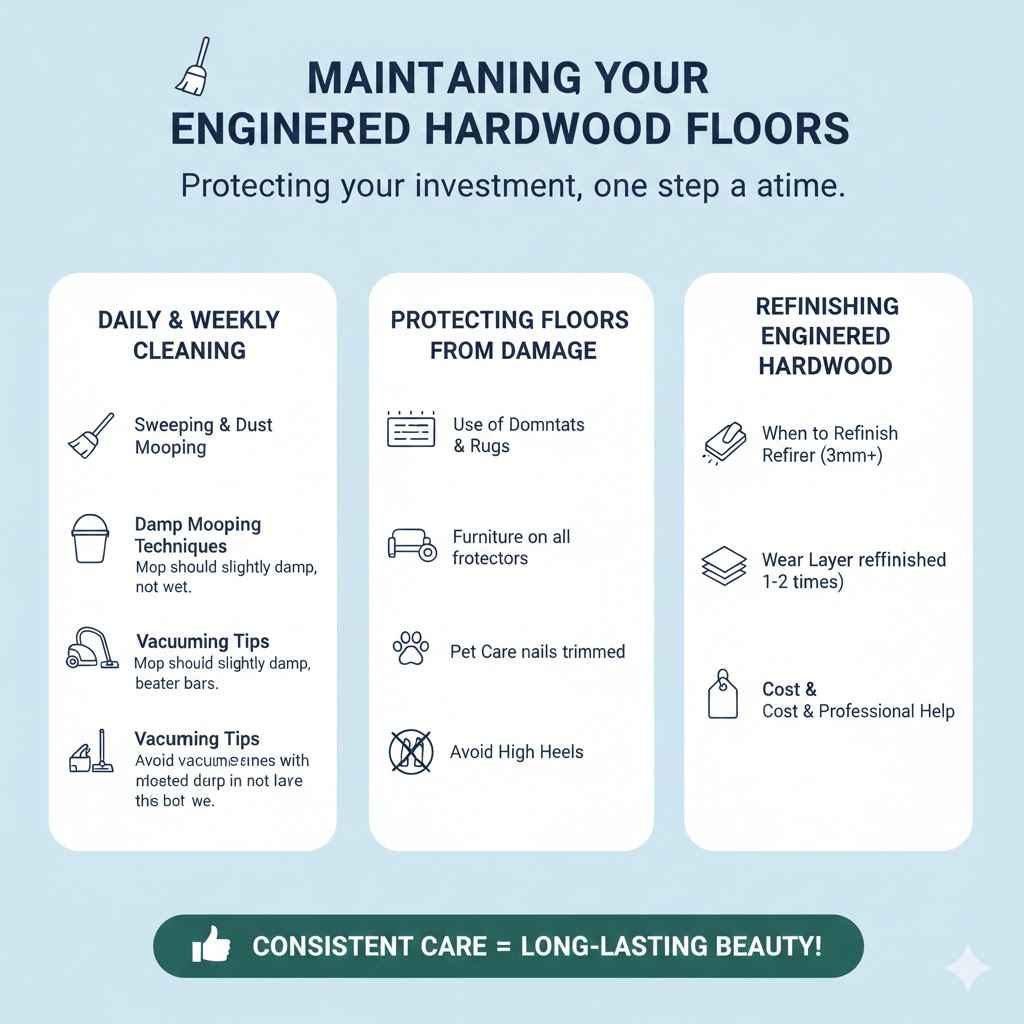
Daily and Weekly Cleaning
Regular cleaning is the most important part of maintaining engineered hardwood. Dust and dirt can act like fine sandpaper, scratching the surface over time.
For daily cleaning, a soft broom or a dust mop is ideal. This will pick up most of the loose dirt and debris. Avoid using vacuums with beater bars, as they can scratch the wood.
If your vacuum has a hard floor setting, use that.
For weekly cleaning, a slightly damp mop can be used. It is crucial that the mop is only slightly damp, not wet. Excess water can seep into the seams of the engineered wood and cause damage.
Use a cleaner specifically designed for engineered hardwood or a very mild soap mixed with water. Always wipe up any standing water immediately.
Sweeping and Dust Mopping
The first line of defense against everyday dirt and grit is regular sweeping or dust mopping. Use a soft-bristle broom or a microfiber dust mop. This action removes surface debris, pet hair, and dust that can accumulate and scratch the floor’s finish.
Aim to do this daily or at least every other day, especially in high-traffic areas. This simple habit prevents abrasive particles from dulling the sheen and causing micro-scratches that can become noticeable over time.
Damp Mopping Techniques
When it’s time for a more thorough cleaning, a damp mop is the way to go. Always wring out your mop thoroughly so it is barely damp, not wet. Excess water is the enemy of engineered hardwood.
Use a pH-neutral cleaner specifically formulated for hardwood floors, or a very diluted solution of mild dish soap and water. Mop in the direction of the wood grain. Immediately dry any puddles with a clean, dry towel.
Avoid steam mops, as the heat and moisture can damage the wood.
Vacuuming Tips
If you prefer using a vacuum cleaner, ensure it is set for hard floors. Many vacuums have a setting that retracts or turns off the beater bar. A beater bar can cause scratches and damage the finish.
Look for vacuums with soft brush rolls designed for hard surfaces. Regularly empty the vacuum’s dustbin to maintain optimal suction and prevent the motor from overheating. For most engineered hardwood floors, frequent dust mopping is sufficient, and vacuuming should be done sparingly.
Protecting Your Floors from Damage
Beyond cleaning, there are several steps you can take to protect your engineered hardwood floors from wear and tear. These preventive measures can significantly extend the life of your flooring.
Place doormats at all entrances to trap dirt and moisture before it enters your home. Use felt pads on the bottom of all furniture legs. This is crucial for chairs, tables, and sofas.
Periodically check and replace these pads as they wear down.
Avoid wearing high heels or cleats on the floors. Keep pet nails trimmed. For rolling chairs, use a chair mat designed for hard floors.
These simple actions prevent scratches, dents, and scuffs that can mar the beauty of your engineered hardwood.
Use of Doormats and Rugs
Strategically placed doormats at all exterior doors are essential. These mats trap dirt, sand, and moisture from shoes, preventing them from being tracked onto your floors. Choose mats made of materials that effectively capture debris.
Inside your home, place area rugs in high-traffic zones like hallways, living rooms, and dining areas. These rugs act as a protective layer, absorbing impact and preventing scratches from everyday foot traffic, pet claws, or dropped items. Ensure rug pads are used to prevent rug-induced scratching.
Furniture Protectors
Felt pads or glides should be attached to the legs of all furniture, including chairs, tables, sofas, and beds. These prevent deep scratches and dents when furniture is moved. Regularly inspect these pads and replace them as they wear down, as a worn-down pad can expose a harder material that will scratch the floor.
For rolling chairs, such as desk chairs, use a chair mat specifically designed for hard floors. These mats distribute weight and prevent the wheels from digging into and damaging the wood.
Pet Care and Footwear Policies
If you have pets, keeping their nails trimmed regularly is vital to prevent scratches. Sharp pet nails can easily damage the finish. Additionally, establishing a “shoes-off” policy in the house can make a significant difference.
High heels, in particular, can cause dents and scratches due to concentrated pressure. While engineered hardwood is durable, it’s not impervious to sharp objects or excessive force. By implementing these simple policies, you protect your investment from daily wear and tear.
Refinishing Engineered Hardwood
One of the advantages of engineered hardwood is its ability to be refinished, though this depends on the thickness of the top wear layer. If your floors have become scratched, dull, or outdated, refinishing can restore their original beauty.
The process involves sanding down the old finish and applying new coats. A thicker wear layer (3mm or more) can typically be refinished once or twice. Thinner wear layers may not be suitable for sanding.
Always check the manufacturer’s specifications for your flooring to see if it is refinishable.
Refinishing is a more involved process than regular cleaning and may require professional help. The cost of refinishing can range from $2 to $6 per square foot, depending on the extent of the work needed and whether you hire a professional.
Frequently Asked Questions
Question: How much does engineered hardwood cost per square foot?
Answer: The engineered hardwood cost per square foot for material alone typically ranges from $5 to $10, but can be as low as $3 for entry-level options or as high as $15+ for premium selections.
Question: What is included in the engineered hardwood cost per square foot?
Answer: This price usually covers only the flooring material itself. It does not typically include installation, underlayment, transition strips, or removal of old flooring.
Question: Is engineered hardwood more expensive than laminate?
Answer: Yes, engineered hardwood is generally more expensive than laminate flooring. Laminate typically costs $1-$5 per square foot, while engineered hardwood starts around $3-$5 and goes up.
Question: Can engineered hardwood floors be refinished?
Answer: It depends on the thickness of the top wood wear layer. Floors with thicker wear layers (3mm or more) can usually be refinished one or two times. Always check the manufacturer’s specifications.
Question: What are common additional costs besides the engineered hardwood cost per square foot?
Answer: Additional costs often include professional installation, underlayment, transition strips, molding, subfloor preparation, and removal/disposal of old flooring.
Summary
Understanding the engineered hardwood cost per square foot is your first step to budgeting for beautiful new floors. Remember to account for material, installation, and all extra supplies needed. Accurate measurements and careful planning ensure you get the best value for your investment and achieve the stunning results you desire.