Exterior vs. Interior Paint: Essential Differences
Quick Summary: Exterior paint is built tough to withstand weather, UV rays, and temperature changes, while interior paint focuses on aesthetics, durability against scuffs, and low VOCs for air quality. Using the wrong type can lead to peeling, fading, or poor performance.
Hey everyone, Ashraf here! Ever stood in front of a paint store aisle, completely overwhelmed by all the choices? You’ve got cans labeled “Exterior” and others marked “Interior,” and you’re probably wondering, “Is it really that big of a deal?” The truth is, it absolutely is! Using the wrong paint can mean your freshly painted front door starts peeling after a few months, or your living room walls look dull and chalky way too soon. Don’t worry, though. It’s not as complicated as it seems. We’ll break down exactly what makes these paints different, so you can pick the right one for your next project and get results you’ll be proud of. Let’s dive in and make sure your paint jobs last!
Why Can’t I Just Use Interior Paint Outside?
It’s a question many DIYers ask, and it’s a good one! Think of it like this: you wouldn’t wear your gym clothes to a formal wedding, right? They might look okay for a minute, but they’re not designed for that environment. The same principle applies to paint. Interior paint is formulated to look good and hold up against everyday life inside your home – things like wiping down walls, kids’ crayon marks, or just general wear and tear. It’s designed for stable, protected conditions.
On the other hand, exterior paint has a much tougher job. It’s like a superhero suit for your house! It needs to battle the sun’s harsh UV rays, endure freezing temperatures and blistering heat, withstand rain and humidity, and even resist mold and mildew growth. Because of these demanding requirements, exterior paints have different ingredients and a different overall structure than interior paints. Using interior paint outside is like sending a civilian into a storm without protection – it just won’t hold up.
The Big Differences: What’s Inside Those Cans?
The magic, or rather the science, behind the difference lies in the ingredients, often called the formulation. These ingredients dictate how the paint performs, how it adheres, and how long it lasts in its intended environment. Let’s break down the key components:
1. Binders: The Glue that Holds It All Together
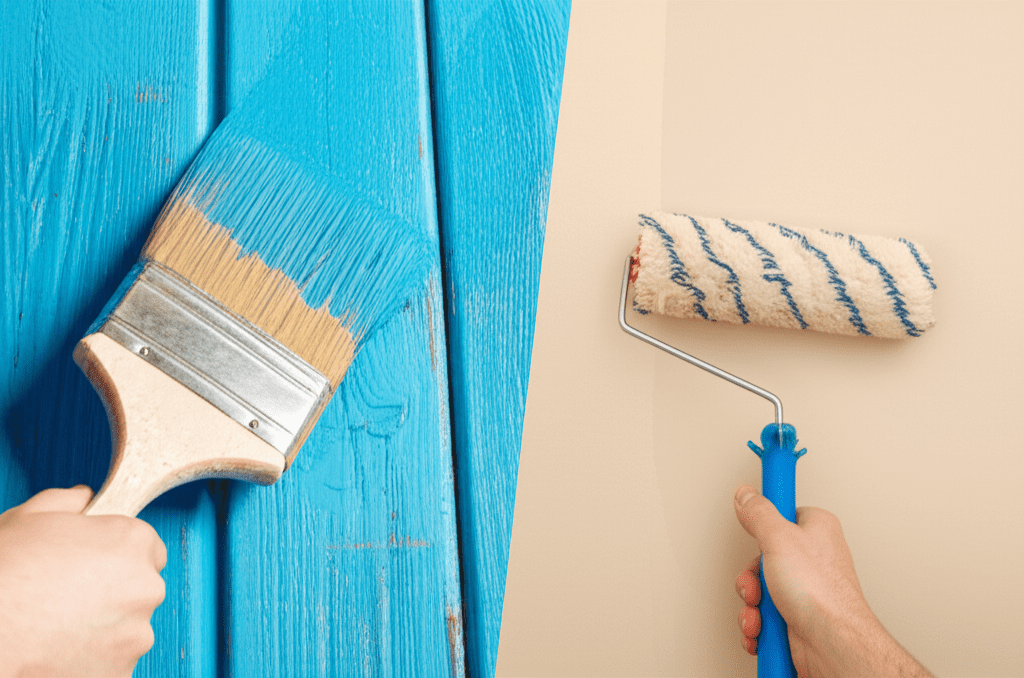
Binders are the film-forming components of paint. They hold the pigment particles together and help the paint stick to the surface. This is a crucial area where interior and exterior paints diverge significantly.
- Exterior Paint Binders: These are typically acrylic-based (often 100% acrylic), or a vinyl-acrylic blend. 100% acrylic binders are the gold standard for exterior paints because they offer superior flexibility, adhesion, and durability. This flexibility allows the paint to expand and contract with temperature changes without cracking or peeling. They also provide excellent resistance to UV radiation, preventing the paint from breaking down and fading under constant sun exposure.
- Interior Paint Binders: While acrylics are also used in interior paints, they might be in lower percentages or blended with vinyl acrylics. Interior binders focus more on hardness and scrubbability to withstand repeated cleaning and abrasion from everyday living. They don’t need the extreme flexibility or UV resistance that exterior paints require.
2. Pigments: The Color and Protection
Pigments give paint its color, but they also play a role in protection.
- Exterior Paint Pigments: Exterior paints often use pigments that are highly resistant to fading from UV rays. Titanium dioxide is a common white pigment that also offers some UV protection. Other pigments are specifically chosen for their colorfastness, meaning they won’t degrade or change color when exposed to sunlight and weather.
- Interior Paint Pigments: While colorfastness is still important for interiors, the pigments don’t face the same intensity of UV exposure. The focus is more on achieving the desired color and finish (like matte, satin, or semi-gloss) without concerns about extreme weather.
3. Solvents: What Makes It Work
Solvents are the liquids that dissolve the binder and pigments, making the paint liquid and workable. Once applied, the solvent evaporates, leaving the solid paint film behind.
- Exterior Paint Solvents: Many exterior paints are water-based (latex or acrylic). However, some specialized exterior coatings might use oil-based solvents for certain applications, though water-based is far more common now due to environmental regulations and ease of cleanup.
- Interior Paint Solvents: Interior paints are overwhelmingly water-based for their low odor, easy cleanup, and lower Volatile Organic Compounds (VOCs).
4. Additives: The Specialty Ingredients
Additives are the secret sauce that gives paints their specific properties.
- Exterior Paint Additives: These include mildewcides and fungicides to prevent mold and algae growth, UV absorbers to protect the binder and pigments, and sometimes insect repellents. They also contain freeze-thaw stabilizers so the paint doesn’t get ruined if it freezes in the can during shipping or storage.
- Interior Paint Additives: Additives here often focus on improving flow and leveling (how smoothly the paint spreads), increasing scrub resistance, or reducing spattering. Low VOC additives are also critical for interior paints to ensure good indoor air quality.
Key Performance Differences: What You’ll See
So, with these different ingredients, what are the tangible differences you can expect when using each type of paint?
Durability and Weather Resistance
This is the most significant difference. Exterior paint is engineered to withstand a barrage of environmental challenges that interior paint simply cannot handle.
- Exterior: It can handle extreme temperature fluctuations, resist moisture absorption (preventing blistering and peeling), and stand up to UV radiation without significant fading or chalking. It’s designed to protect the underlying surface from the elements.
- Interior: It’s not designed for direct sun, rain, or drastic temperature changes. Exposure to these conditions will cause it to fade, crack, peel, chalk, and degrade quickly.
Flexibility and Adhesion
The flexibility of exterior paint allows it to expand and contract with your home’s structure as temperatures change. This prevents the paint film from cracking or delaminating.
- Exterior: High flexibility and strong adhesion to various exterior surfaces like wood, metal, and masonry, even when subjected to movement.
- Interior: Good adhesion to interior surfaces, but less flexibility. It can become brittle over time and crack if the substrate moves significantly.
Mold and Mildew Resistance
Homes are often humid, and exterior surfaces can get damp, making them prime targets for mold and mildew.
- Exterior: Contains biocides (mildewcides and fungicides) to actively inhibit the growth of mold, mildew, and algae, especially in damp or shaded areas.
- Interior: May have some mild mildew resistance, particularly in bathrooms or kitchens, but it’s not as robust as exterior formulations.
UV Resistance and Color Retention
The sun is a powerful force that can break down paint over time.
- Exterior: Uses special pigments and binders that resist UV degradation, meaning colors stay truer and the paint film lasts longer under direct sunlight.
- Interior: Will fade and chalk much faster when exposed to direct sunlight.
VOCs and Odor
Volatile Organic Compounds (VOCs) are chemicals released into the air as paint dries. They can affect air quality and cause strong odors.
- Exterior: Can have higher VOC levels, though regulations are pushing for lower VOCs. The odor dissipates relatively quickly outdoors.
- Interior: Typically formulated with very low VOCs (often below 50 g/L, with some “zero VOC” options available) to ensure good indoor air quality and minimize lingering odors, making them safer for living spaces.
When to Use Which Paint: Practical Applications
Knowing the differences is one thing, but knowing where to apply them is key to a successful project. Here’s a simple guide:
Use Exterior Paint For:
- Siding (vinyl, wood, fiber cement)
- Trim and Fascia boards
- Doors and Windows (exterior side)
- Decks and Railings (use specialized deck stains/paints)
- Fences
- Metal railings, gutters, and downspouts
- Masonry surfaces like brick, stucco, and concrete (ensure proper primer)
- Outdoor furniture
Use Interior Paint For:
- Walls and Ceilings in living rooms, bedrooms, kitchens, bathrooms
- Interior doors and trim
- Cabinets and furniture (ensure you choose the right sheen for durability)
- Basement walls
- Garages (interior walls and ceilings)
Can I Use Exterior Paint Indoors?
While you can technically use exterior paint indoors, it’s generally not recommended. Here’s why:
- VOCs: Exterior paints often have higher VOC levels, which can lead to strong odors and poorer indoor air quality. Even as they dry, those VOCs can linger, which isn’t ideal in a living space.
- Durability Focus: Exterior paints are designed for flexibility and weather resistance, not necessarily the kind of scrubbability and hardness needed for high-traffic interior walls that get wiped down frequently.
- Sheen Differences: Exterior paints might not offer the same range of finishes (like ultra-flat or high-gloss) that are commonly desired for interior aesthetics.
- Cost: Exterior paints are often more expensive due to their specialized formulations.
However, there might be very niche situations where you might consider it, like a high-traffic, damp entryway that needs extra mold resistance, but even then, a high-quality interior paint designed for bathrooms or kitchens would likely be a better, safer choice. For most indoor projects, stick to interior paint.
Can I Use Interior Paint Outdoors?
No, absolutely not. This is the most common mistake beginners make, and it’s a recipe for disappointment. Interior paint will not withstand the elements. It will:
- Fade quickly in the sun.
- Peel and crack in temperature fluctuations.
- Be susceptible to mold and mildew growth.
- Not adhere properly to surfaces exposed to moisture and UV.
Think of it as setting yourself up for a repaint much sooner than you’d like. Always use exterior-grade paint for any surface that is exposed to the weather.
Paint Sheen: Another Important Factor
Beyond the interior vs. exterior distinction, the sheen (or finish) of the paint also plays a big role in its performance and appearance. This applies to both interior and exterior paints, but the type of sheen suitable for certain areas differs.
Here’s a quick rundown of common sheens:
| Sheen | Description | Pros | Cons | Best For |
|---|---|---|---|---|
| Flat/Matte | No shine, very low reflectivity. Hides imperfections well. | Excellent at hiding surface flaws, provides a soft, velvety look. | Least durable, hard to clean, can absorb stains. | Ceilings, low-traffic walls (adult bedrooms, formal living rooms). |
| Eggshell/Satin | Low to medium sheen, slight reflection. More durable than flat. | Good balance of hiding imperfections and washability. More durable than flat. | Can show some imperfections, less washable than semi-gloss. | Most interior walls (living rooms, hallways, bedrooms), some trim. |
| Semi-Gloss | Medium-high sheen, noticeable reflection. Very durable and washable. | Highly durable, scrubbable, moisture-resistant. | Highlights surface imperfections, can be too shiny for large walls. | Interior trim, doors, cabinets, kitchens, bathrooms. Exterior trim. |
| High-Gloss | Very high sheen, mirror-like reflection. Most durable and washable. | Extremely durable, easiest to clean, provides a dramatic, modern look. | Shows every imperfection, can look “plastic-like” if overused. | High-impact areas, trim, doors, furniture, exterior shutters. |
For exterior projects, semi-gloss and satin finishes are common for trim and doors, offering good durability and a pleasing look. Siding often comes in satin or flat finishes. For decks and fences, specialized finishes are used that often fall into a matte to satin range, prioritizing protection and grip over high sheen.
Choosing the Right Primer
Just like with paint, primers are also formulated differently for interior and exterior use. Using the correct primer is crucial for ensuring your paint adheres properly and performs as expected.
- Exterior Primers: Designed to bond to exterior surfaces, block stains, seal porous materials (like wood or masonry), and provide a stable base for exterior topcoats. They often contain mildewcides and are formulated to withstand outdoor conditions. They are essential for preparing surfaces like bare wood, metal, or chalky painted surfaces. For example, a good exterior primer can be found on the U.S. Environmental Protection Agency’s consumer guide to paints and coatings, which discusses environmentally friendly options and performance.
- Interior Primers: Formulated to block stains (like watermarks or smoke), improve adhesion of the topcoat, and provide a uniform surface for interior paints. They focus on low VOCs and odor.
Always use an exterior primer on exterior surfaces and an interior primer on interior surfaces, unless the product specifically states it’s suitable for both.
DIY Tips for Painting Success
As a DIY enthusiast, I know the satisfaction of a job well done. Here are a few tips to make your painting projects smoother:
- Preparation is Key: Clean surfaces thoroughly. For exteriors, this might mean power washing. For interiors, a good wipe-down is usually sufficient.
- Scrape and Sand: Remove any loose or peeling paint. Sanding glossy surfaces helps the new paint adhere better.
- Use the Right Tools: Invest in good quality brushes and rollers. For exterior painting, longer handles on rollers can be a lifesaver.
- Apply Thin Coats: It’s better to apply two thin coats of paint than one thick, gloppy one. This ensures even coverage and better adhesion.
- Check the Weather (for exteriors): Avoid painting outdoors when it’s too hot, too cold, too humid, or if rain is expected. Most paints have specific temperature and humidity ranges for application. Check the paint can for manufacturer recommendations.
- Ventilation (for interiors): Ensure good airflow when painting indoors. Open windows and use fans.
- Don’t Forget the Edges: Use painter’s tape for clean lines, especially where walls meet trim or ceilings.
Frequently Asked Questions (FAQs)
Q1: Can I use leftover exterior paint for an interior project?
A: While you might be tempted, it’s generally not recommended. Exterior paint can have higher VOCs and a stronger odor, which isn’t ideal for indoor air quality. It also might not offer the specific durability or aesthetic finishes desired for interiors.
Q2: Can I use leftover interior paint for an exterior project?
A: No, this is a definite no-go. Interior paint lacks the necessary resilience to withstand weather, UV rays, and temperature changes. It will likely peel, fade, and chalk very quickly when exposed to the elements.
Q3: What happens if I paint my house siding with interior paint?
A: Your siding will likely experience rapid degradation. Expect the paint to fade significantly within the first year, crack and peel as temperatures change, and potentially develop mold or mildew due to lack of protective additives. You’ll be looking at a repaint much sooner than you’d want.
Q4: Are there any paints that can be used for both interior and exterior?
A: Most paint manufacturers offer products specifically labeled for interior or exterior use. While some high-quality acrylic latex paints might have good adhesion and durability, it’s always best to use products designed for their intended purpose. Always check the product label for specific recommendations. For instance, some high-performance coatings might be suitable for protected exterior areas and interior use, but it’s rare and requires careful reading of the technical data sheets.
Q5: Does exterior paint smell stronger than interior paint?
A: Generally, yes. Exterior paints can have higher levels of VOCs, which contribute to stronger odors. However, modern exterior paints are much improved, and the odor dissipates quickly outdoors. Interior paints are formulated for low VOCs and low odor to be suitable for enclosed living spaces.
Q6: Is exterior paint more expensive than interior paint?
A: Typically, yes. The specialized ingredients and more robust formulations required for weather resistance and durability make exterior paints generally more expensive per gallon than standard interior paints. However, the longevity of exterior paint can make it a better value in the long run.
Conclusion
So there you have it! The world of paint might seem complex, but understanding the fundamental differences between exterior and interior formulations is your first step to a successful DIY project. Exterior paint is your home’s armor against the elements, built with tough binders, UV-resistant pigments, and protective additives. Interior paint, on the other hand, is designed for beauty, washability, and maintaining healthy indoor air quality.
By choosing the right paint for the right job – exterior paint for your fences, doors, and siding, and interior paint for your walls and ceilings – you’re not just saving yourself future headaches and repainting costs, you’re ensuring your hard work looks great for years to come. Remember to always prep your surfaces properly, use the correct primer, and select the appropriate sheen for your needs. Happy painting!