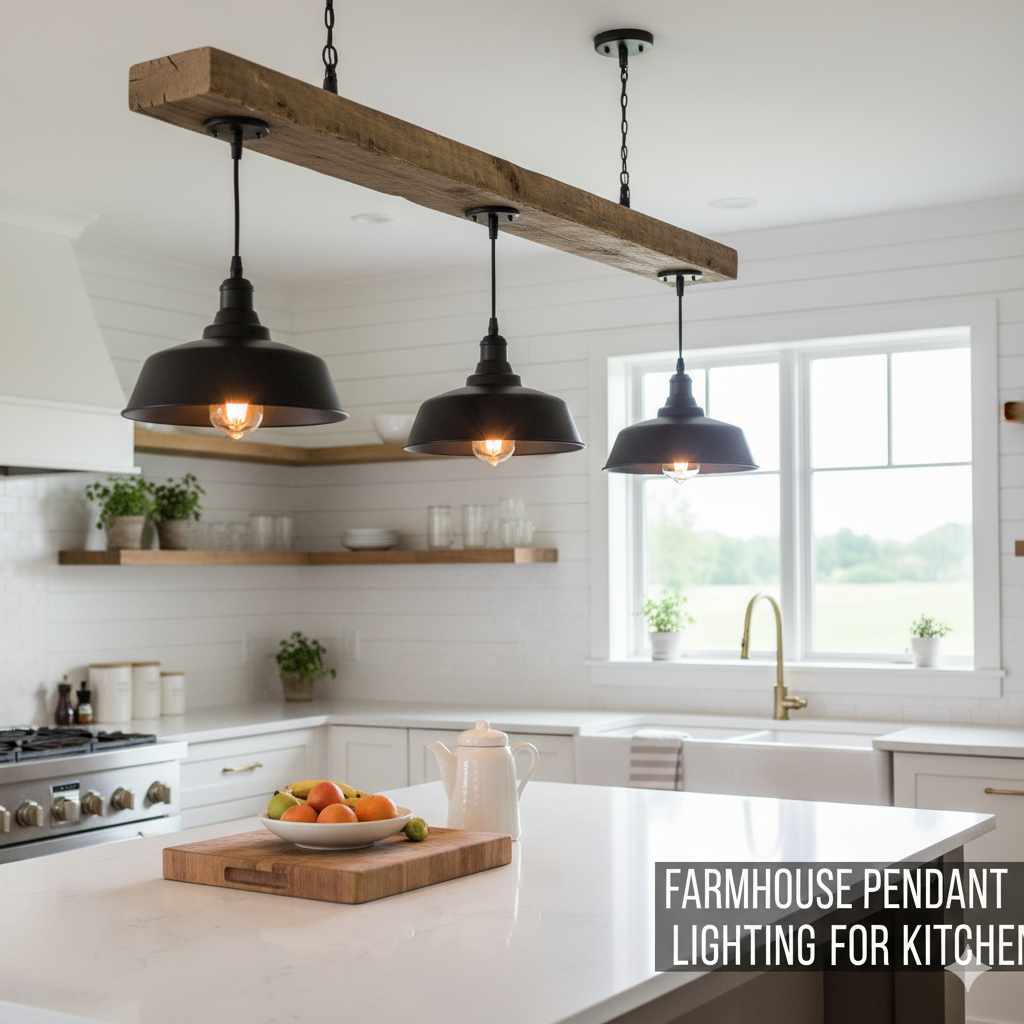
Farmhouse Pendant Lighting For Kitchen: Essential Guide
Quick Summary: Farmhouse pendant lighting for your kitchen adds charm and functionality. Choose fixtures that match your style, consider size and placement for optimal light, and ensure they complement your kitchen’s overall design for a warm, inviting space.
Hey there, DIY enthusiasts! Md Meraj here, your go-to guide for making your home improvement dreams a reality. Are you dreaming of a kitchen that feels cozy, welcoming, and stylish, but you’re not sure where to start? Lighting is a fantastic way to transform a space, and farmhouse pendant lights are incredibly popular for a reason! They bring that perfect blend of rustic charm and modern practicality. If you’ve ever felt overwhelmed by all the choices or wondered how to pick the right ones, you’re in the right place. We’re going to break it all down, step-by-step, so you can confidently choose and install farmhouse pendant lighting that makes your kitchen shine. Let’s get your kitchen glowing!
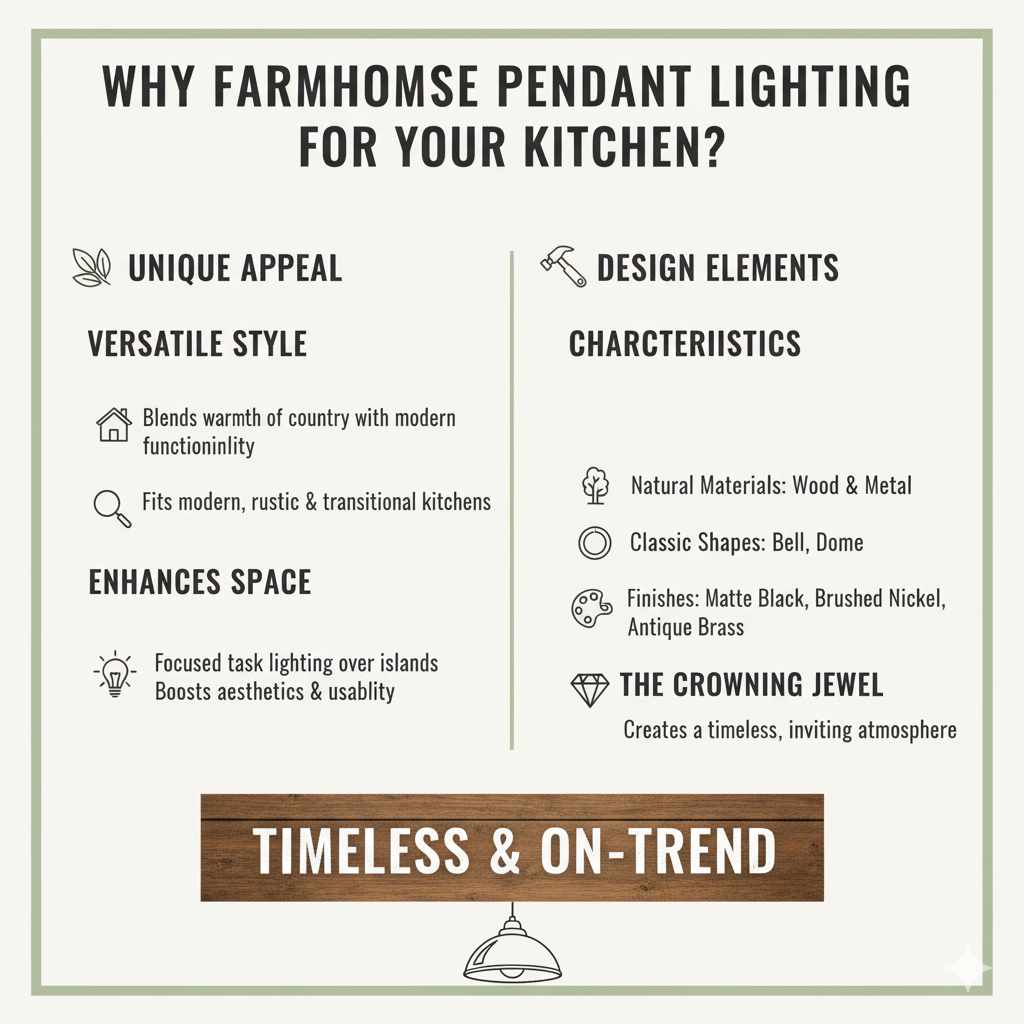
Why Farmhouse Pendant Lighting for Your Kitchen?
Farmhouse pendant lights have taken the design world by storm, and it’s easy to see why. They offer a unique aesthetic that blends the warmth and simplicity of country living with the functionality needed in a busy kitchen. This style is incredibly versatile, fitting seamlessly into various kitchen designs, from ultra-modern spaces wanting a touch of rustic warmth to traditional kitchens looking for a refresh. They provide focused task lighting over islands or dining areas, enhancing both the look and usability of your space.
The appeal lies in their often simple yet robust designs. Think natural materials like wood and metal, classic shapes like bell or dome, and finishes like matte black, brushed nickel, or antique brass. These elements create an inviting atmosphere that feels both timeless and on-trend. When done right, farmhouse pendant lighting can be the crowning jewel of your kitchen, making it a more enjoyable place to cook, gather, and live.
Choosing the Right Farmhouse Pendant Light
Selecting the perfect farmhouse pendant light involves a few key considerations. It’s not just about picking what looks pretty; it’s about finding a fixture that fits your space, your needs, and your personal style. Let’s walk through the essentials to ensure you make a choice you’ll love for years to come.
1. Style & Aesthetics
Farmhouse style itself is broad, encompassing elements from rustic cabins to modern farmhouses. When looking at pendant lights, consider these common styles:
- Galvanized or Aged Metal: These often feature a distressed metal finish, evoking an industrial-chic farmhouse feel. They are durable and add a touch of utilitarian charm.
- Enamel or Ceramic Shades: Think classic diner-style pendants, often in white or black, which offer a clean, slightly retro farmhouse look.
- Wood Accents: Many farmhouse pendants incorporate natural wood elements, such as a wooden canopy or accents on the metal shade. This brings a cozy, organic feel.
- Wire Cage or Lantern Designs: These can add a more rustic or vintage touch, reminiscent of old barn lights or lanterns.
- Clear or Seeded Glass: Often paired with metal frames, these shades allow the bulb to be a visual element, adding to the vintage appeal.
Think about the other elements in your kitchen. Do you have a lot of wood tones? Are your cabinets modern or traditional? Your pendant lights should complement, not clash, with your existing décor. For example, if you have sleek, dark cabinets, a lighter metal or wood-accented pendant might provide a nice contrast. Conversely, if your kitchen is already rich in natural wood, a black or brushed nickel pendant could offer a grounding element.
2. Size Matters: Scale and Proportion
The size of your pendant lights is crucial for both aesthetics and function. Too large, and they can overwhelm the space; too small, and they might get lost or not provide enough light.
- For Kitchen Islands: A common rule of thumb is to have pendants spaced about 24-36 inches apart, with the bottom of the fixture hanging 30-36 inches above the countertop. If you have a standard 8-foot island, two medium-sized pendants (around 10-14 inches in diameter) often work well. For larger islands, three smaller pendants or one larger statement piece might be suitable.
- For Dining Areas: A single pendant centered over a dining table is classic. The diameter of the pendant should generally be about half to two-thirds the width of your table. Ensure there’s enough clearance to walk around the table without hitting your head – aim for the bottom of the fixture to be about 30-36 inches above the tabletop.
A helpful tip from interior designers is to use painter’s tape to mark out the size and placement of potential pendants on your ceiling. This visual cue can help you gauge the scale and spacing before you buy.
3. Lighting Needs: Brightness and Bulb Type
Pendant lights are often used for task lighting, so their brightness and the type of light they emit are important. Consider the following:
- Lumens: This measures brightness. For task lighting over an island or sink, you’ll want a good amount of lumens. Many LED bulbs now have their lumen output clearly marked.
-
Color Temperature: Measured in Kelvin (K), this describes the color of the light.
- Warm White (2700K-3000K): This is similar to incandescent bulbs, creating a cozy, inviting atmosphere. It’s great for general kitchen ambiance.
- Cool White/Daylight (3500K-5000K): This provides a brighter, more energizing light, which can be excellent for task areas where you need to see clearly, like chopping vegetables.
- Dimmability: Opting for dimmable bulbs and fixtures allows you to adjust the light level for different activities and moods, from bright task lighting to soft ambient glow.
- Bulb Type: LED bulbs are highly recommended due to their energy efficiency, long lifespan, and variety of color temperatures. Ensure the bulb shape and base are compatible with your chosen fixture.
For farmhouse pendants, especially those with exposed bulbs or clear glass, the bulb itself can be a decorative element. Edison-style LED bulbs, which mimic the look of vintage incandescent bulbs with their visible filaments, are a popular choice for achieving that authentic farmhouse aesthetic.
4. Finish and Material Compatibility
The finish of your pendant lights should harmonize with your kitchen’s existing hardware and finishes. Common farmhouse-friendly finishes include:
- Matte Black: A classic, versatile choice that works well with almost any color scheme and provides a bold contrast.
- Brushed Nickel or Stainless Steel: Offers a modern, clean look that’s less reflective than polished chrome.
- Oil-Rubbed Bronze or Antique Brass: These warmer, darker finishes add a touch of traditional elegance and pair beautifully with wood tones.
- Galvanized Steel: Provides an industrial, rustic feel.
Try to coordinate the pendant finish with your cabinet hardware (knobs, pulls), faucet, and any other visible metal accents in your kitchen. This creates a cohesive and polished look. For instance, if your cabinet pulls are brushed nickel, choosing pendants with brushed nickel accents or finishes will tie the elements together.
Popular Farmhouse Pendant Styles & Features
Let’s dive into some of the most loved farmhouse pendant styles and what makes them special. Understanding these can help you narrow down your search and find the perfect fit for your kitchen.
Bell Pendants
These are a quintessential farmhouse style. Characterized by their bell-shaped shades, they often come in ceramic, metal, or glass. They typically provide downward-focused light, making them excellent for task lighting over kitchen islands or sinks.
- Pros: Excellent task lighting, classic and timeless design, available in many finishes and materials.
- Cons: Can sometimes feel a bit traditional if not styled carefully.
Dome Pendants
Similar to bell pendants but with a broader, more flattened top, dome pendants offer a slightly more modern take on the farmhouse look. They also direct light downwards, ideal for functional illumination.
- Pros: Great for task lighting, clean lines, fits both modern and traditional farmhouse aesthetics.
- Cons: Less ambient light dispersion compared to open-shade fixtures.
Wire Cage Pendants
These pendants feature an exposed bulb encased in a metal wire cage. This design adds an industrial or vintage flair, perfect for a more rustic farmhouse look. The light is generally more diffused and ambient.
- Pros: Unique aesthetic, allows for decorative bulbs, adds character.
- Cons: Glare can be an issue if the bulb is too bright; cleaning the cage can be fiddly.
Lantern Pendants
Inspired by traditional lanterns, these pendants often feature glass panels within a metal frame. They can range from simple, rectangular designs to more ornate, multi-sided structures, offering a charming, vintage feel.
- Pros: Beautiful decorative element, can provide a softer, more ambient light.
- Cons: Glass panels require regular cleaning; may not provide as focused task lighting.
Barn Lights
Directly inspired by outdoor barn lighting, these pendants typically have a wide, shallow dome or a gooseneck arm. They exude a strong utilitarian and rustic charm.
- Pros: Iconic farmhouse look, durable construction, good light spread.
- Cons: Can be very utilitarian; might not suit a more refined kitchen style.
Here’s a quick comparison of common farmhouse pendant styles:
| Style | Primary Use | Aesthetic Appeal | Light Direction |
|---|---|---|---|
| Bell | Task Lighting (Islands, Sinks) | Classic, Cozy | Downward |
| Dome | Task Lighting (Islands, Sinks) | Versatile, Clean | Downward |
| Wire Cage | Ambient/Decorative | Rustic, Industrial | Diffused |
| Lantern | Ambient/Decorative | Vintage, Charming | Diffused/Omnidirectional |
| Barn Light | Task/Ambient | Utilitarian, Rustic | Downward/Wide Spread |
Installation Basics: What You Need to Know
While professional installation is always recommended for electrical work, understanding the basics can empower you. If you’re comfortable with basic electrical tasks and have the right tools, you might consider a DIY installation. Always prioritize safety and consult your local building codes.
Safety First!
Before you even think about touching wires, turn off the power to the circuit you’ll be working on at your home’s main electrical panel. Double-check that the power is off using a non-contact voltage tester. Wear safety glasses to protect your eyes.
For more detailed safety information on electrical work, the U.S. Consumer Product Safety Commission (CPSC) offers valuable resources on home electrical safety.
Tools You Might Need
Here’s a list of tools that can be helpful for pendant light installation:
- Screwdrivers (Phillips and flathead)
- Wire strippers/cutters
- Pliers
- Non-contact voltage tester
- Ladder
- Wire nuts (usually included with new fixtures)
- Electrical tape
- Safety glasses
- Drill (if you need to widen an existing hole or install new mounting hardware)
The General Process (Simplified)
- Turn Off Power: As mentioned, this is the most critical step.
- Remove Old Fixture: Unscrew the canopy of the existing light fixture. Carefully disconnect the wires (usually black to black, white to white, and ground to ground). Remove the mounting bracket if necessary.
- Install New Mounting Bracket: Most new fixtures come with a mounting bracket that attaches to the electrical box in the ceiling. Ensure it’s secure.
-
Connect Wires: Following the manufacturer’s instructions, connect the wires from your new pendant light to the corresponding wires in the ceiling box using wire nuts. Typically:
- Black (hot) wire from fixture to black wire from ceiling.
- White (neutral) wire from fixture to white wire from ceiling.
- Green or bare copper (ground) wire from fixture to ground wire from ceiling or mounting screw. If your fixture has different colored wires or instructions, always follow those.
- Attach Fixture Canopy: Carefully tuck the wires back into the electrical box and attach the new pendant’s canopy to the mounting bracket.
- Install Bulb and Test: Screw in the appropriate bulb. Restore power at the breaker box and test your new light.
Remember, if at any point you feel unsure or uncomfortable, it’s best to call a qualified electrician. Safety is paramount, and getting it right ensures your beautiful new lights are both functional and safe.
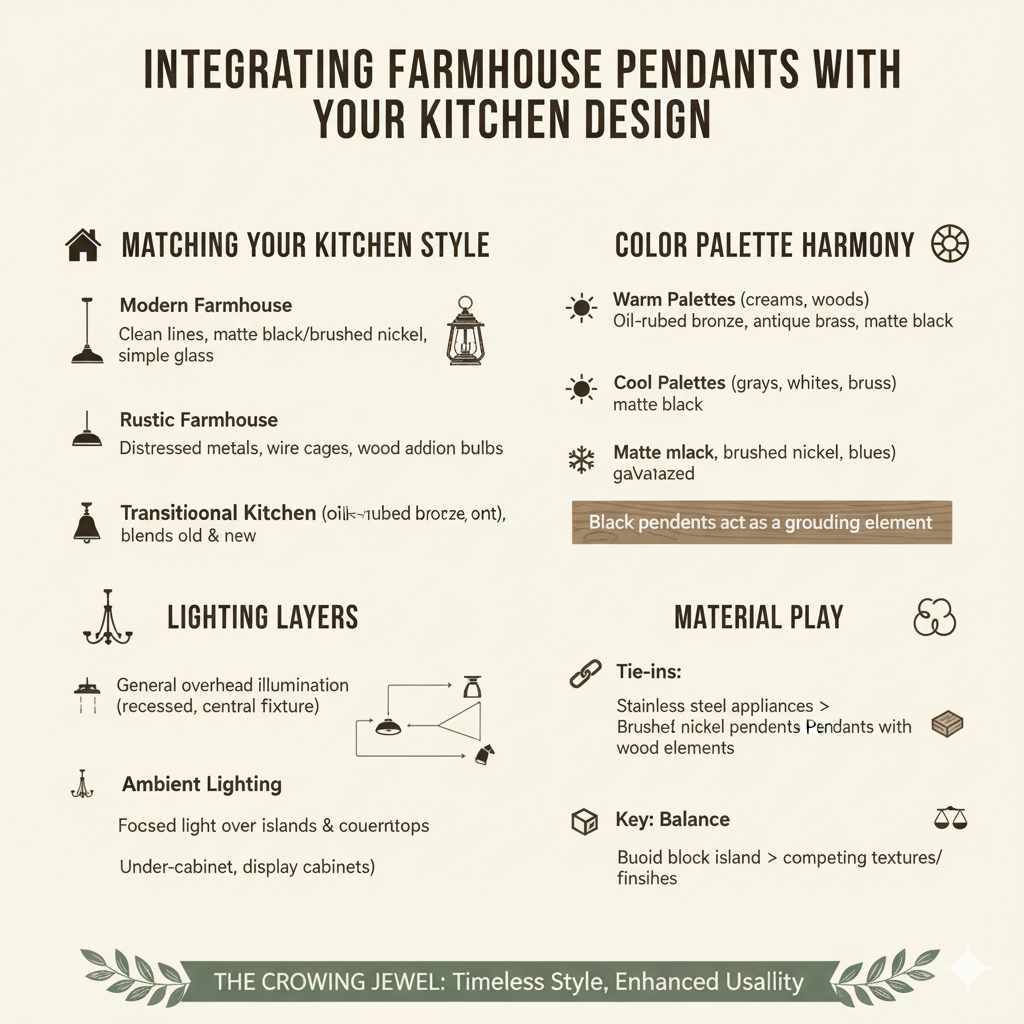
Integrating Farmhouse Pendants with Your Kitchen Design
Farmhouse pendant lighting is more than just a light source; it’s a design element that can tie your entire kitchen together. Here’s how to make them work seamlessly with your space.
Matching Your Kitchen Style
Consider the overarching style of your kitchen. Is it a modern farmhouse with clean lines and shiplap? A rustic farmhouse with reclaimed wood and vintage touches? Or a transitional kitchen that blends old and new?
- Modern Farmhouse: Opt for pendants with clean silhouettes, matte black or brushed nickel finishes, and perhaps simple glass shades.
- Rustic Farmhouse: Embrace distressed metals, wire cages, wood accents, and Edison bulbs.
- Transitional Kitchen: A bell or dome pendant in a versatile finish like oil-rubbed bronze can bridge the gap between traditional and contemporary elements.
Color Palette Harmony
Think about your kitchen’s color palette. The finish of your pendant lights should either complement or contrast intentionally.
- Warm Palettes (creams, beiges, wood tones): Consider pendants in oil-rubbed bronze, antique brass, or matte black to add depth.
- Cool Palettes (grays, whites, blues): Matte black, brushed nickel, or even a galvanized finish can provide a striking contrast or a cohesive look.
If you have a lot of wood in your kitchen, a pendant with wood accents can reinforce that natural warmth. If your kitchen is predominantly white or gray, a black pendant can act as a beautiful grounding element.
Lighting Layers
Pendant lights are part of a larger lighting scheme. For a well-lit and inviting kitchen, consider layering your lighting:
- Ambient Lighting: General overhead lights (like recessed lighting or a central ceiling fixture) provide overall illumination.
- Task Lighting: This is where your pendants shine, focusing light on work areas like countertops and islands.
- Accent Lighting: Think under-cabinet lights to highlight backsplashes or display cabinets, or small spotlights on artwork.
Your farmhouse pendants should work in harmony with these other layers, providing focused light where needed without creating harsh contrasts.
Material Play
Don’t be afraid to mix materials, but do so thoughtfully. If your kitchen features stainless steel appliances, brushed nickel pendants can tie in nicely. If you have a butcher block island, pendants with wood elements can create a cohesive natural look. The key is balance – too many competing textures or finishes can make a space feel chaotic.
Frequently Asked Questions (FAQ)
Q1: How high should farmhouse pendants hang over a kitchen island?
A: For optimal task lighting and to avoid head-bumping, the bottom of the pendant should generally hang 30-36 inches above the countertop. Ensure there’s enough clearance for people to stand comfortably.
Q2: How many pendant lights do I need for my kitchen island?
A: For most standard kitchen islands, two pendants spaced 24-36 inches apart work well. Larger islands might accommodate three, or one larger statement pendant. Always consider the size of your island and the pendants themselves.
Q3: What bulb type is best for farmhouse pendant lighting?
A: LED bulbs are highly recommended for their energy efficiency and longevity. For a classic farmhouse look, consider Edison-style LED bulbs that mimic vintage filaments. Choose a color temperature (warm or cool white) that suits your desired ambiance and task needs.
Q4: Can I mix metal finishes in my kitchen if I choose farmhouse pendants?
A: Yes, you can! The key is to do it intentionally. Aim for a cohesive look by choosing finishes that complement each other (e.g., brushed nickel with chrome, or oil-rubbed bronze with matte black). Ensure there’s a dominant finish or use a consistent accent metal throughout the space.
Q5: Are farmhouse pendant lights still in style?
A: Absolutely! Farmhouse style, in its many variations (modern farmhouse, rustic farmhouse), remains incredibly popular. Farmhouse pendant lights offer a timeless charm and versatility that continues to be a favorite for homeowners.
Q6: What if my kitchen ceiling has a popcorn texture? How does that affect pendant installation?
A: A popcorn ceiling texture doesn’t typically prevent pendant installation. The mounting bracket for the pendant attaches to the electrical box in the ceiling, not directly to the texture. You might need to ensure the canopy of your pendant is large enough to cover any imperfections or areas where the popcorn texture might have been disturbed during installation.
Q7: How do I clean farmhouse pendant lights, especially those with glass or intricate metalwork?
A: Always ensure the power is off and the fixture is cool. For glass shades, use a soft, damp cloth with a mild, non-abrasive cleaner, and then dry thoroughly. For metal fixtures, a soft cloth is usually sufficient. For detailed areas or wire cages, a soft brush or an old toothbrush can help remove dust. Refer to the manufacturer’s care instructions for specific materials.
Conclusion
Farmhouse pendant lighting for your kitchen is a fantastic choice that can elevate your space with warmth, character, and functional illumination. By carefully considering the style, size, finish, and your specific lighting needs, you can select fixtures that perfectly complement your kitchen’s design. Remember to prioritize safety during installation, whether you tackle it yourself or call in a professional. With the right farmhouse pendants, your kitchen will not only look beautiful but feel even more inviting and enjoyable. Happy decorating!