Fleetwood Mobile Home Asbestos: Ensure Safety with Quality Exhaust Gaskets
An older Fleetwood mobile home may have asbestos near the furnace or exhaust area. Treat a suspect high-heat gasket as replaceable only when you can avoid sanding, scraping, drilling, or breaking nearby materials; if that is not possible, stop and get the area sampled. Disturbing hidden asbestos can spread fibers and turn a small repair into a costly cleanup. This guide covers how to judge the gasket, isolate the work area, and replace the seal with minimal disturbance.
What you’ll need


- Bright flashlight
- Phone or camera for photos
- Notepad or printed inspection sheet
- Appliance model number and serial tag details
- Access panel location notes
- Contact details for an accredited asbestos inspector
- Contact details for an accredited laboratory
- Replacement gasket only if the part is verified and the fit is exact
Can you replace a suspect gasket yourself?
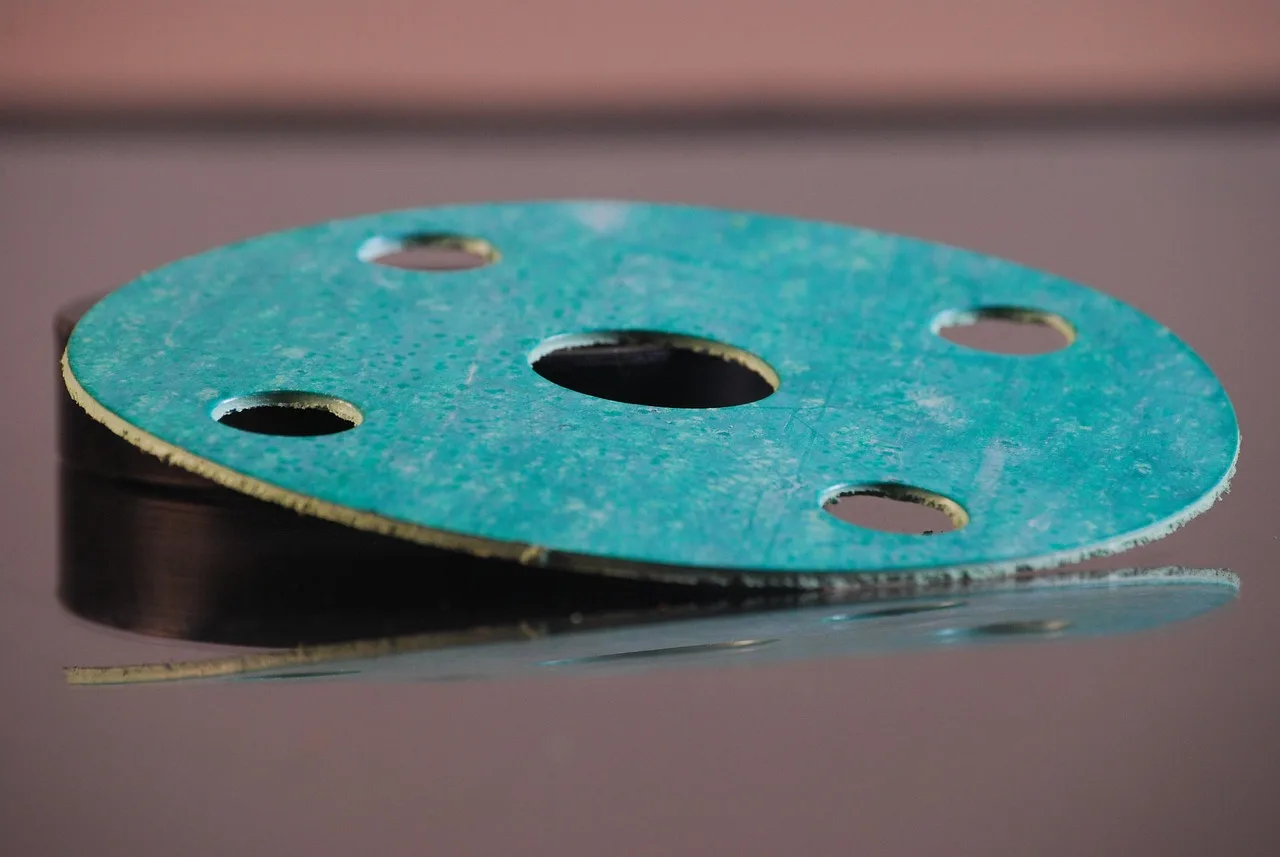
You may be able to swap the gasket only when the work stays limited to the gasket itself and the surrounding materials are clearly non-suspect and intact. If the seal is glued to wrap, tape, insulation, or layered debris, stop before opening further. The risk comes from disturbing nearby materials, not just the gasket.
When a gasket swap may stay limited
Choose this path only when the appliance or vent assembly is identifiable, the old gasket is visible without damage, and the replacement matches the same shape and thickness. A non-asbestos part is the safer choice when the original material is not verified.
When to stop and get help
Stop if the furnace closet or HVAC area has brittle wrap, crumbling sealant, patched joints, or unknown insulation around the opening. In older Fleetwood mobile homes, the surrounding area can matter as much as the seal itself, especially in older construction.
Why the surrounding materials matter more than the gasket alone
Asbestos fibers are tiny, heat-resistant particles that can lodge in your lungs if inhaled. You cannot confirm asbestos by sight alone, so a gasket that looks ordinary can still sit beside suspect wrap, adhesives, or flooring materials that need a separate decision.
What to check before opening anything
- Identify the appliance or vent assembly and note its exact location.
- Photograph the access panel, label, and nearby materials without moving them.
- Look for wrap, duct tape, sealant, insulation, or layered debris around the opening.
- Stop if the part is brittle, crumbling, or bonded to adjacent material.
- Arrange accredited testing or inspection before removal if the material identity is unclear.
Say your furnace closet has a 6-inch exhaust connection with old white wrap, cracked tape, and a dark gasket at the joint. In that case, the gasket is not the only issue. The wrap and tape are part of the decision, and opening the assembly without testing can disturb more than one suspect layer.
Suppose the same opening has a clean metal flange, a gasket that is visible and loose, and no insulation touching the joint. That is the better candidate for a limited replacement, provided the new part matches the appliance or vent assembly exactly and no scraping is needed.
How do you choose a safe replacement gasket?
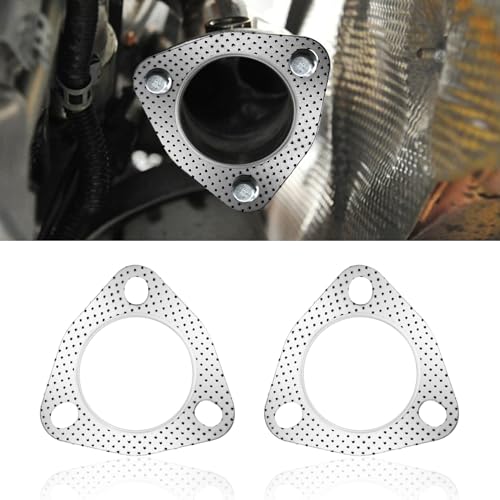
Choose a gasket by heat rating, size, and shape, not by appearance alone. If the original part is not verified, favor non-asbestos material and match the replacement to the appliance or vent assembly so you do not have to trim, force, or compress it into place.
Match the part to the assembly
Use the model tag, part number, or measured opening to confirm fitment before purchase. A gasket that is too large invites trimming, and trimming creates extra contact with nearby surfaces that may be suspect.
Keep the repair limited
Replace the gasket only, not the surrounding layers. If the joint needs heat-softening, cutting, or scraping to free the old seal, stop and switch to inspection or abatement planning instead of continuing the repair.
| Component location | Suspected material | Visible damage | Disturbance risk | Test required | Replacement allowed | When to stop and call an accredited asbestos inspector |
|---|---|---|---|---|---|---|
| Furnace exhaust gasket | Unknown gasket material | Intact, removable without force | Low if no nearby suspect material touches it | Yes, if the original material is unverified | Yes, with a verified non-asbestos match | If the gasket is bonded to wrap, tape, or insulation |
| Furnace closet wall joint | Sealant, patching compound, or tape | Cracked or friable | High | Yes | No until material is identified | Any time scraping would be needed |
| Duct connection | Wrap or mastic | Loose edges or layered repairs | High | Yes | No | If layers hide the edge of the gasket |
| Roof vent or roof boot | Roofing material or sealant | Weathered or patched | High | Yes | Only after inspection | If the opening requires cutting or prying |
| Flooring near appliance chase | Vinyl floor tiles or backing on sheet flooring | Loose, broken, or hidden under trim | High | Yes | No if disturbance is likely | If access would require lifting or sanding flooring |
What federal rules apply here?
EPA guidance generally covers removal and disposal, and OSHA rules also apply to asbestos work settings that call for protective equipment and training. EPA also notes that asbestos may still exist in certain gaskets and brake pads, so a furnace or exhaust repair can fall into regulated territory when suspect material is involved.
EPA rules for removal and disposal
EPA-listed home suspect materials include flooring, roofing, siding, and adhesives, and older mobile homes can contain the same categories. A survey report may be required by demolition contractors, haulers, landfills, and regulators before the unit is moved or torn out.
OSHA requirements for work settings
OSHA requires protective equipment and training for asbestos work settings. That matters if a repair turns into disturbance of suspect wrap, sealant, or insulation around the furnace closet or HVAC area.
Why documentation matters
Local asbestos rules can vary by state and jurisdiction. If you may renovate, sell, or demolish later, keep the inspection report, lab results, and photos together so the next contractor knows what was sampled and what was left untouched.
What should you do before disturbing furnace or exhaust components in a mobile home?
Stop and document the area before loosening anything if the furnace closet or HVAC area contains unknown wrap, tape, insulation, or sealant. In older Fleetwood mobile homes, pre-1980 materials are higher risk, and the safest move is often to confirm material identity first, then decide whether a gasket-only replacement is still possible.
Use a pre-repair checklist
- Turn the unit off and let it cool.
- Record the appliance model number and exact location.
- Photograph the joint, surrounding panels, and any layered material.
- Do not pry, sand, scrape, or drill the area.
- Call an accredited asbestos inspector if the material is unknown or damaged.
One common first-timer mistake is treating a gasket like a simple hardware swap when the joint is actually part of a layered furnace assembly. If the gasket comes off cleanly but the backing tears, the repair has already moved from replacement into disturbance.
Where is asbestos usually found in an older mobile home?
Older mobile homes can have asbestos in flooring, siding, roofing, adhesives, insulation, and heating equipment areas. Common suspect materials include vinyl floor tiles and backing on sheet flooring, roofing and siding shingles, textured paint and patching compounds, and materials around heating equipment.
Fleetwood-specific risk zones to check
In an older Fleetwood mobile home, the furnace closet, ductwork, roof penetrations, flooring transitions, and sealant touchpoints deserve attention first. A duct area that looks patched or a roof vent that has layered sealant should be treated as suspect until tested.
Do not rely on sight alone
Asbestos cannot be reliably identified by looking at it. The only safe next step when the material is unclear is accredited laboratory testing of a properly collected sample by an accredited asbestos inspector.
Do you need an asbestos inspection before mobile home repair or demolition?
Yes, if the repair could disturb unknown material or if demolition is planned. A pre-demolition asbestos survey by an accredited asbestos inspector is different from a spot test; it may sample different materials, can include hidden layers and roof coatings, and can create documentation that contractors and landfills may require.
Why a survey is not the same as a spot test
A spot test answers a narrow question about one material. A survey looks across the unit so hidden layers, roof coatings, and other suspect materials are documented before work starts.
When sampling becomes necessary
If the gasket, wrap, or sealant is unknown, sample analysis is needed before repair or demolition decisions are made. Sampling done incorrectly can be more hazardous than leaving the material alone, so the person collecting it should be accredited and equipped for asbestos work.
Frequently asked questions
Does my Fleetwood mobile home have asbestos?
It may, especially if it was built before the 1970s or is treated as pre-1980 housing. Common suspect materials include flooring, roofing, siding, adhesives, and heating-area materials, but no one can confirm asbestos by appearance alone. Lab testing is the deciding step.
What year are mobile homes likely to contain asbestos?
Mobile homes built before the 1970s are particularly at risk for asbestos, and pre-1980 homes are treated as higher-risk by a removal operator. That does not mean every unit contains it. It means older materials deserve testing before repair or demolition work begins.
Can I replace an exhaust gasket myself if asbestos is suspected?
Only if you can keep the work limited to a verified gasket swap and avoid any contact with suspect wrap, tape, sealant, or insulation. If the opening needs scraping, drilling, or prying, stop and get the area inspected or sampled first.
How do I know if a gasket or seal is asbestos-containing?
You cannot tell by sight alone. Ask for an accredited lab test on a properly collected sample, and use the result to decide whether a non-asbestos replacement gasket is acceptable or whether the whole area needs professional handling.
What federal rules apply to asbestos in mobile homes?
EPA guidance applies to removal and disposal, and OSHA requires protective equipment and training in asbestos work settings. Local asbestos rules can vary by state and jurisdiction, so document the inspection, sampling, and replacement decisions before you start the repair or any later teardown.
Sponsored / affiliate links. As an Amazon Associate I earn from qualifying purchases. I may earn additional commission from eligible campaigns.