Best Woods for Painted Projects (2026): We Compared
Poplar is the easiest solid wood for painted projects because it sands cleanly, takes primer evenly, and shows fewer grain surprises than pine. MDF is the smoothest flat sheet option for dry interiors, but its edges must be sealed before paint. Skip sealing, and grain telegraphing, fuzzy edges, and blotchy absorption can ruin the finish.
Quick comparison
| Product | Badge | Best for | Price | ||
|---|---|---|---|---|---|
 |
Geytetqi 30 Pack 8×10 Inch MDF BoardsGeytetqi | Our pick | 8×10 in. · 2mm · MDF boards | $29.99
Price as of 15 Nov 2026
|
View |
 |
Baltic Birch Plywood Custom CutWoodpeckers | Also great | Custom cut · 3/4 in. · Baltic birch plywood | $19.99
Price as of 15 Nov 2026
|
View |
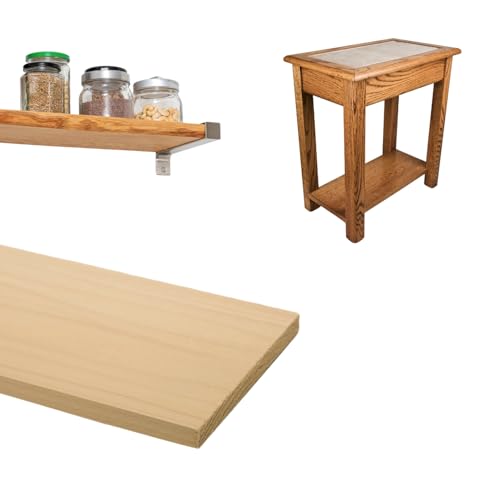 |
Poplar Project BoardWaddell | Pair with it | 1/2 in. x 6 in. x 24 in. · poplar board | $22.55
Price as of 15 Nov 2026
|
View |
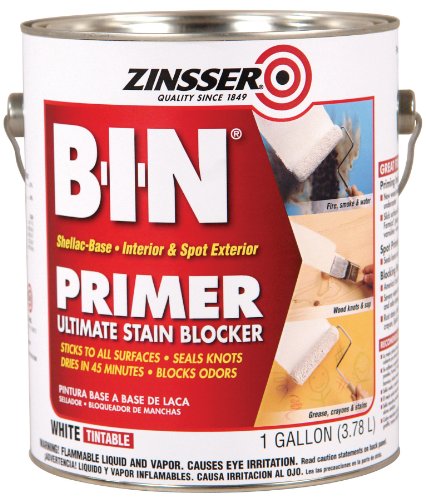 |
Rust-Oleum Corporation 901 Zinsser B-I-N Shellac-Base PrimerRust-Oleum | Pair with it | 1 gal. · shellac-base · white primer-sealer | $88.96
Price as of 15 Nov 2026
|
View |
 |
AquaCoat Water-Based White Cabinet Wood Grain Filler GelAquaCoat | Upgrade pick | 16 oz. · white · grain filler gel | $25.80
Price as of 15 Nov 2026
|
View |
This comparison ranks common paintable woods by the risks that ruin paint: visible grain, edge absorption, denting, and how much prep they need before primer. Use it to match the wood to the project, not just the price tag.
The scoring below assumes a painted finish, not a clear coat. Lower prep difficulty is better; higher edge-sealing need means more care at cut ends, routed edges, and exposed plywood layers.
How we chose
We compared six common paintable woods by four practical factors: grain visibility, edge behavior, dent resistance, and prep difficulty. We also weighed project fit, since a cabinet panel and a toy part do not fail for the same reasons.
Preference went to woods that accept primer predictably, sand to a smooth surface without fuss, and stay stable after paint. For products, the choice followed the manufacturer’s specs and published details, plus common buyer feedback patterns.
Geytetqi MDF boards: best for small flat projects
These 8 x 10 inch MDF boards suit signs, craft panels, and other dry interior pieces where a very smooth paint surface matters more than dent resistance. The 30-pack is useful when you need many small parts that all need the same prep and paint schedule.
What stands out is the uniform surface. MDF removes most grain concerns, so it can take primer and paint evenly if the edges are sealed first.
The drawback is the edge detail. Exposed edges drink finish and can swell if moisture reaches them. That makes it a poor choice for damp rooms, outdoor use, or parts that will see standing water.
Woodpeckers Baltic birch plywood: best for cabinets and built-ins
This Baltic birch plywood fits painted cabinets, built-ins, and other flat parts where stability matters. A B/BB grade face can leave you with a smooth starting point, and custom sizing helps reduce waste on a finished project.
Its strength is rigidity. Compared with softwood boards, birch plywood is less prone to movement, which helps painted panels stay flatter over time.
The drawback is the edge detail. Exposed plywood edges need banding, filler, or another edge treatment, and the face veneer quality still affects the final look after sanding and primer.
Waddell poplar board: best for trim and furniture
This unfinished poplar board is a strong fit for painted trim, shelves, and furniture parts that need a smoother look than pine usually gives. It is surfaced on all four sides, and the lack of finger joints helps the paint film read more evenly.
Poplar usually has straight grain and sands well. That makes it one of the easiest solid woods to prime and paint without fighting open pores or heavy grain patterns.
The drawback is that poplar is still a relatively soft hardwood. It dents more easily than maple, so handling and assembly can leave marks that need filler before paint.
Zinsser B-I-N shellac primer: best for knots and stains

This shellac-based primer is the right tool when you need to block knots, tannin bleed, or old stains before paint. It is especially useful on pine, cedar, and salvage wood that still has mystery marks under the surface.
What stands out is its stain-blocking strength and fast dry time. It is a practical first coat when ordinary acrylic primer may not stop bleed-through.
The drawback is that it is a specialty sealer, not a universal cure. You still need sanding, and on very porous wood it may not replace a separate filler step where dents or open pores remain.
AquaCoat wood grain filler: best for ultra-smooth paint prep
This water-based filler suits cabinets, furniture, and repair work where tiny dents, pore texture, or edge marks would show through paint. It is sandable and paintable after drying, so it fits into a normal interior prep sequence.
What stands out is the way it helps level small defects before primer. That makes it useful when the wood is sound but still too open or uneven for a clean finish coat.
The drawback is that filler is not a substitute for primer or edge sealing. It also works best on interior work; the manufacturer notes that water-based filler is not a good choice for outdoor use.
Which one should you buy?
Choose poplar for trim, painted furniture, and most beginner-friendly solid wood projects. It gives you the best mix of smooth grain, predictable sanding, and low drama under primer.
Choose MDF for dry interior panels, signs, and cabinet parts that will stay flat and protected from moisture. Choose birch plywood when you need a stiffer sheet good for cabinets or built-ins, but plan for edge treatment. Choose pine only when cost matters most and you are willing to seal knots and deal with more sanding.
For salvage pieces, knotty stock, or anything with stain history, start with shellac-based primer. For dents and grain texture, add filler before primer, then sand again before topcoat.
Best wood for painted projects
Poplar is the best all-around wood for painted projects because it gives you a smooth surface without the heavy grain problems that show up in oak or other open-grain woods. MDF is better for perfectly flat interior panels, while birch plywood is the smarter panel choice when you need stiffness and cleaner edges after banding.
Poplar first
Poplar is commonly used for painted trim and furniture because it is easy to sand, relatively straight-grained, and more forgiving under primer than many other hardwoods. It is a strong starting point when you want the wood to disappear under paint instead of fight it.
Why poplar beats pine and plywood for painted trim
Poplar usually needs less stain-blocking work than pine and less edge management than plywood. Pine can show knots and uneven absorption, while plywood exposes layer edges that need extra attention. Poplar lands in the middle: easy to prepare, easy to prime, and easier to finish cleanly.
What the comparison table shows
Poplar, MDF, and birch plywood are the safest places to start for painted work. Poplar is the best single board material for trim and furniture, MDF is the flattest surface for dry interiors, and birch plywood wins when you need panel stability more than absolute smoothness.
Pine, alder, and maple can all paint well, but each asks for different prep. Pine needs knot control and more sealing. Alder stays calm under paint. Maple resists dents, yet it can show sanding mistakes if you skip a careful grit sequence.
Poplar vs. MDF vs. birch plywood
Poplar is the best solid wood when you want an easy paint path and a clean edge profile. MDF is smoother, but only if the project stays dry and every cut edge gets sealed. Birch plywood is the best sheet choice when strength matters, though exposed edges must be filled or banded.
Pine, alder, and maple in painted work
Pine is the least forgiving of the three because knots, sap pockets, and soft dent-prone fibers can telegraph through paint if the prep is weak. Alder behaves more like a paint-friendly hardwood and usually needs less correction. Maple is harder and dents less, but its surface rewards careful sanding and punishes rushed prep.
How edge sealing changes the ranking
Edge sealing is often what separates a good painted job from a failed one. MDF jumps from easy to risky if the edges are left raw. Birch plywood also moves down the list when the exposed layers need filler, banding, and extra sanding.
Do you need to seal wood before painting it?
Yes, in most painted projects you should seal wood before the topcoat. Primer helps paint stick, evens out absorption, and reduces grain raise and blotching. On porous wood, knotty pine, and MDF edges, sealing is not optional if you want a smooth finish that holds up.
When acrylic primer is enough
Acrylic primer is a good first seal on sound poplar, alder, birch faces, and many smooth interior boards. It helps reduce grain raise and gives the paint a more even base. It is also the normal choice when you are not fighting knots, stain bleed, or exposed MDF edges.
When shellac-based primer is the better blocker
Shellac-based primer is the better choice when knots, tannins, or old stains can bleed through a painted finish. That makes it useful on pine, cedar, and salvage wood. It is also a practical fast-drying seal coat before paint when the goal is stain blocking rather than just adhesion.
Why MDF edges and pine knots need extra attention
MDF edges absorb finish far faster than the face of the board, so they can look fuzzy or swollen if left raw. Pine knots can bleed resin and discolor the topcoat. In both cases, sealing those trouble spots before paint is what prevents visible defects later.
Poplar and pine: which is better for painting?
Poplar is better for painting in most cases because it has smoother grain, sands more evenly, and tends to take primer with fewer surprises. Pine is cheaper and widely available, but it usually needs more sealing work, especially around knots and sap-prone areas.
Poplar for smoother grain and fewer prep surprises
Poplar is the better pick when the goal is a clean painted finish with less filler and less stain-blocking work. It behaves well on trim, furniture, and small built-ins, and its straight grain is easier to prepare than pine’s more variable surface.
Pine for lower cost, with more sealing work
Pine can still be a good choice when budget matters, but you should expect more prep. Knots can telegraph through paint, and soft areas dent easily during handling. A shellac-based primer is often the safer first coat on pine than a plain acrylic primer.
Knots, sap, and dent resistance compared
Pine has the highest knot and sap risk of the three. Poplar usually has fewer bleed-through problems. Maple is harder and resists dents better than both, but it costs more in prep time because its hard surface can show sanding flaws if you rush the grit sequence.
Say your project is a 6-foot hallway trim run made from 1-by stock. Poplar can often be primed and painted with less spot filling than pine, while pine may need knot sealing and an extra skim of filler at dents and resin pockets before the same white topcoat looks even.
MDF and birch plywood: best for flat painted parts
MDF is ideal when you want a very smooth painted face and the part will live indoors in a dry space. Birch plywood is the better choice for cabinets, shelves, and built-ins that need more stiffness. Both can look excellent, but both need edge work to avoid visible failures.
MDF for very smooth interior panels and doors
MDF has a uniform surface that takes paint well, which is why it is so common in painted doors, panels, and craft work. The tradeoff is moisture sensitivity at cut edges. If raw edges are not sealed, they can swell and ruin the line of the part.
Birch plywood for cabinets, shelves, and built-ins
Birch plywood is a better structural choice when the part needs to span space or stay rigid. It is a common painted cabinet material because the face veneer can finish smoothly. The exposed layers at the edge still need banding or filler, though, or they will read as a plywood edge under paint.
How to seal exposed edges and avoid swelling
Seal MDF edges before primer, not after a topcoat fails. On birch plywood, plan for edge banding, or use filler where the edge will remain visible. Then sand those areas smooth, apply primer, and check for absorption before the final paint coats go on.
Alder and maple: when you want a harder surface
Alder and maple are useful when the project needs more dent resistance than poplar can offer. Alder is easy to prep and often paints cleanly. Maple is harder and more durable, but it asks for a careful sanding sequence and a little more attention before primer.
Alder for clean paint prep and lower grain drama
Alder sits in a comfortable middle ground. It does not usually fight paint the way open-grain woods do, and it sands to a clean surface without much trouble. That makes it a sensible choice for painted furniture and cabinet parts that should look refined without excessive prep.
Maple for dent resistance, with careful sanding
Maple is worth the extra prep when dent resistance matters, such as on shelving edges, chair parts, or frequently handled furniture. Its harder surface can leave sanding marks if you jump grit levels, so a medium-to-fine progression matters more here than on poplar or alder.
When harder woods are worth the extra prep
Choose harder wood when handling, wear, or impacts matter more than prep speed. Maple earns its place when you want a tougher painted surface. Alder earns its place when you want an easier finish path without moving all the way down to pine.
Wood decision table
The table below ranks six common woods for painted work. Scores run from 1 to 5, where 1 means low concern and 5 means high concern. For prep difficulty, a lower number is easier. For the other columns, a lower number means fewer problems.
| Wood | Grain visibility | Edge sealing need | Dent resistance need | Paint prep difficulty | Best-use project type | 5-step sealing workflow |
|---|---|---|---|---|---|---|
| Poplar | 2 | 2 | 3 | 2 | Trim, furniture, painted doors | 1) Sand 120-150 grit. 2) Fill dents and nail holes. 3) Spot-seal knots or color shifts if present. 4) Apply acrylic primer. 5) Sand lightly with 220 grit before paint. |
| MDF | 1 | 5 | 2 | 2 | Dry interior panels, signs, cabinet parts | 1) Sand face lightly with 180-220 grit. 2) Seal all cut edges. 3) Apply acrylic primer to face and edges. 4) Sand the raised fibers with 220 grit. 5) Reprime thin spots before topcoat. |
| Birch plywood | 2 | 4 | 3 | 3 | Cabinets, built-ins, shelves | 1) Inspect face veneer and patch flaws. 2) Sand with 150-180 grit. 3) Treat exposed edges with banding or filler. 4) Prime the face and edges. 5) Sand again with 220 grit before paint. |
| Pine | 4 | 4 | 4 | 4 | Budget trim, simple furniture, shop fixtures | 1) Sand with 120-150 grit. 2) Seal knots with shellac-based primer. 3) Fill dents and soft spots. 4) Apply acrylic primer over the board. 5) Sand lightly with 220 grit before the finish coat. |
| Alder | 2 | 2 | 3 | 2 | Furniture, trim, painted doors | 1) Sand with 150-180 grit. 2) Fill small dents or nail holes. 3) Apply acrylic primer. 4) Sand with 220 grit after primer. 5) Spot-prime any repaired areas before painting. |
| Maple | 2 | 2 | 1 | 3 | Durable furniture, handled parts, shelves | 1) Sand with 150 grit, then 180 grit. 2) Fill dents and tool marks. 3) Remove dust carefully. 4) Prime with acrylic primer. 5) Sand between coats with 220 grit for a flatter finish. |
Three notes matter more than the score itself. First, MDF moves to the top only for dry spaces because moisture can swell raw edges. Second, birch plywood is strong but edge-sensitive. Third, pine can look good if you seal knots early, but it is still more likely to show paint failures than poplar or alder.
Five-step sealing workflow for each wood
- Start with a medium sanding grit, then move finer. A common path is 120 or 150 grit first, followed by 180 or 220 grit.
- Fill dents, nail holes, and open defects with a paintable wood filler, then let it dry fully.
- Sand the filler flush before any primer goes on. Raised spots will show through paint if they remain proud of the surface.
- Apply the right primer: acrylic primer for most sound wood, shellac-based primer for knots, tannin bleed, or salvage wood.
- Sand lightly again after primer, then paint and inspect for telegraphing before the final coat.
A common first-timer mistake is to seal the face but ignore edges. On a 2-foot MDF shelf or a plywood cabinet side, the edge can soak up finish at a different rate than the face, which leaves a dark band or fuzzy line after paint cures.
Frequently asked questions
What is the best wood for painted projects?
Poplar is the best all-around wood for painted projects because it balances smooth grain, easy sanding, and predictable primer absorption. MDF is the best for very smooth flat interior parts, and birch plywood is the best sheet option when you need stiffness. The right pick depends on whether the part is solid, flat, or load-bearing.
Is pine or poplar better for painting?
Poplar is better for painting in most cases. Pine is cheaper, but its knots, sap, and soft fibers need more sealing and more spot correction. Poplar gives you fewer surprises under primer, so it is usually the safer choice for trim, furniture, and beginner projects.
What wood has the smoothest grain for paint?
MDF has the smoothest paint surface because it is uniform and has no natural grain pattern. Among solid woods, poplar and alder are both easier to finish smoothly than pine, while maple stays fairly clean but needs more careful sanding to avoid visible marks.
What filler should I use on painted wood?
Use a paintable wood filler for dents, nail holes, and small surface defects. Fill it flush, let it dry, then sand it smooth before primer. For larger grain or pore correction on interior work, a grain filler can help, but it still does not replace primer or edge sealing.
Can MDF be used for painted projects?
Yes, MDF is one of the best materials for painted indoor projects because it is smooth and uniform. It works especially well for doors, panels, and craft pieces. The caution is moisture: seal every cut edge before paint, because raw MDF swells if water gets into it.
How do you get a smooth finish on painted wood?
Start with the right grit sequence, fill defects, and use the correct primer for the wood species. Sand between coats with fine paper, usually 220 grit or similar, and check edges as carefully as flat faces. Smooth paint comes from controlling absorption and fiber raise before the topcoat.
What wood is easiest to paint for beginners?
Poplar is the easiest solid wood for beginners because it sands well and accepts paint more evenly than many other species. MDF is also easy for flat interior panels if the edges are sealed. Pine is a tougher first choice because knots and dents can keep showing through the finish.
Sponsored / affiliate links. As an Amazon Associate I earn from qualifying purchases. I may earn additional commission from eligible campaigns.